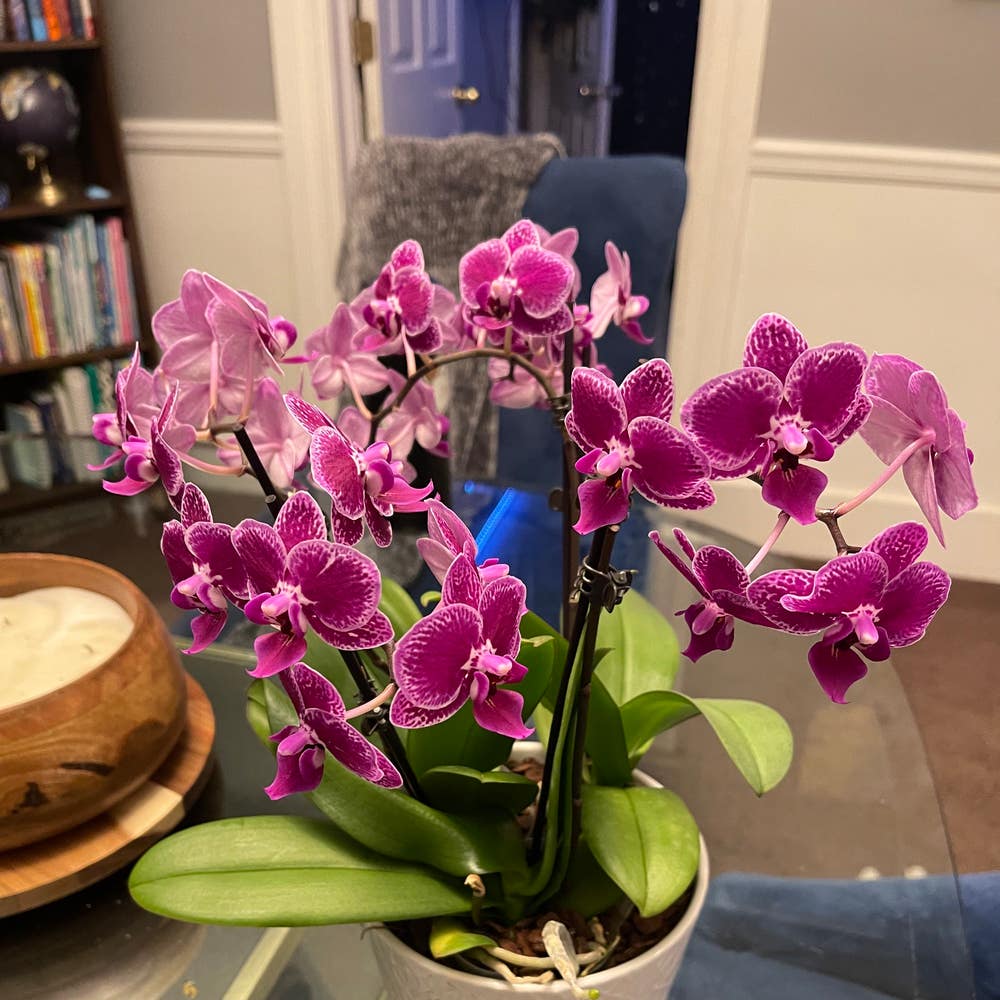
🌜 How and When Should I Cut Back My Moon Orchid?
Phalaenopsis amabilis
By the Greg Editorial Team
Jun 15, 2024•3 min read
This article was created with the help of AI so we can cover more plants for you. May contain errors. See one? Report it here.
- Post-flowering pruning rejuvenates Moon Orchids for new growth.
- 🌿 Use sharp shears; cut at 45 degrees for plant health.
- Avoid over-pruning; never cut more than one-third.
When to Wield the Shears: Timing Your Pruning
🌸 Post-Flowering Period
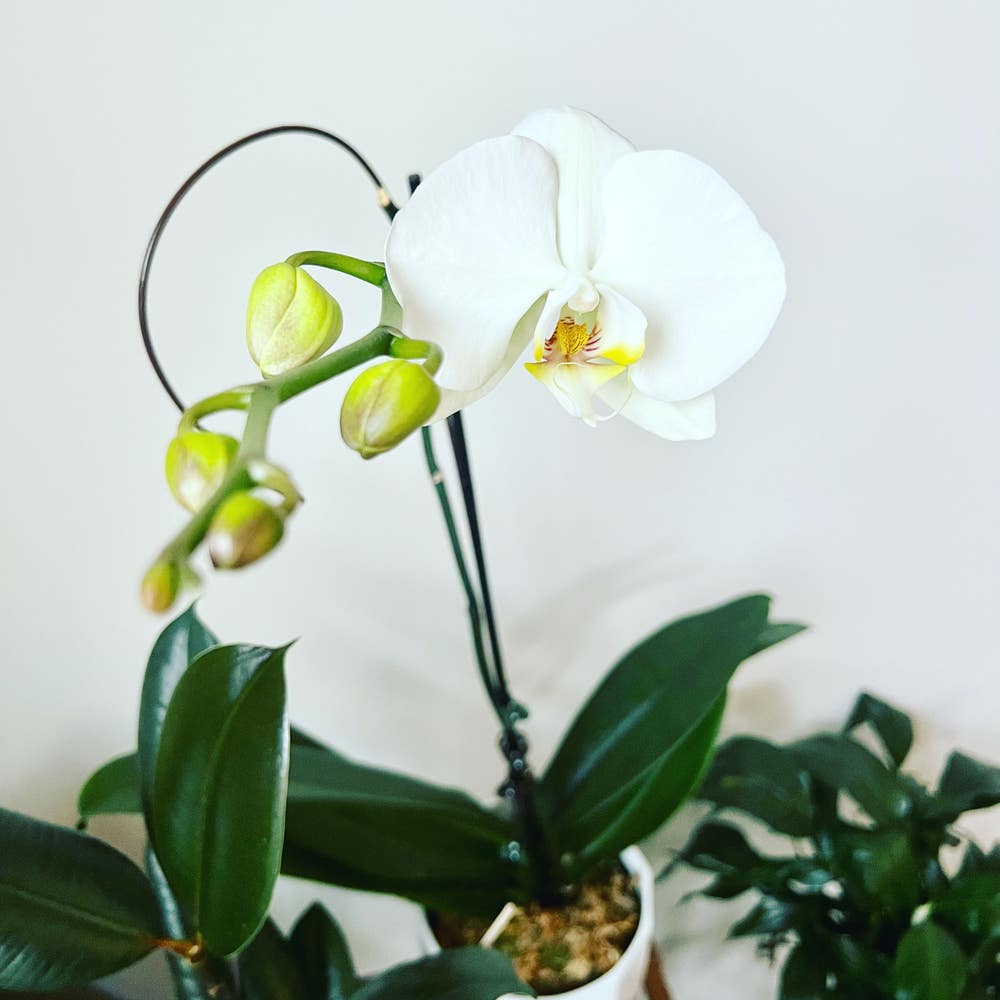
After the last bloom wilts, your Moon Orchid is ready for a haircut. This is when the plant's energy shifts from sustaining flowers to nurturing new growth. Look for faded flowers and a general lull in activity as your cue to grab the shears.
💤 Dormant Phases
The rest period is like a plant's weekend—it's time to relax and rejuvenate. Pruning during this phase can be like a spa treatment for your Moon Orchid, setting the stage for a robust comeback. It's a strategic move to ensure the plant's energy is channeled into springing back to life with vigor.
Snip and Shape: Pruning Techniques for Moon Orchids
🛠️ The Right Tools for the Job
Pruning Moon Orchids starts with sharp shears. Sterile, precision tools prevent damage and disease. Think of them as a surgeon's scalpel for your plant's delicate operations.
📐 Step-by-Step Pruning Guide
🎯 Locate the Target
Spot spent blooms and leggy growth. Your mission: a clean snip just above a leaf node.
✂️ Clean Cuts
Aim for a 45-degree angle cut. This encourages healing and new growth.
🍃 Damaged Foliage
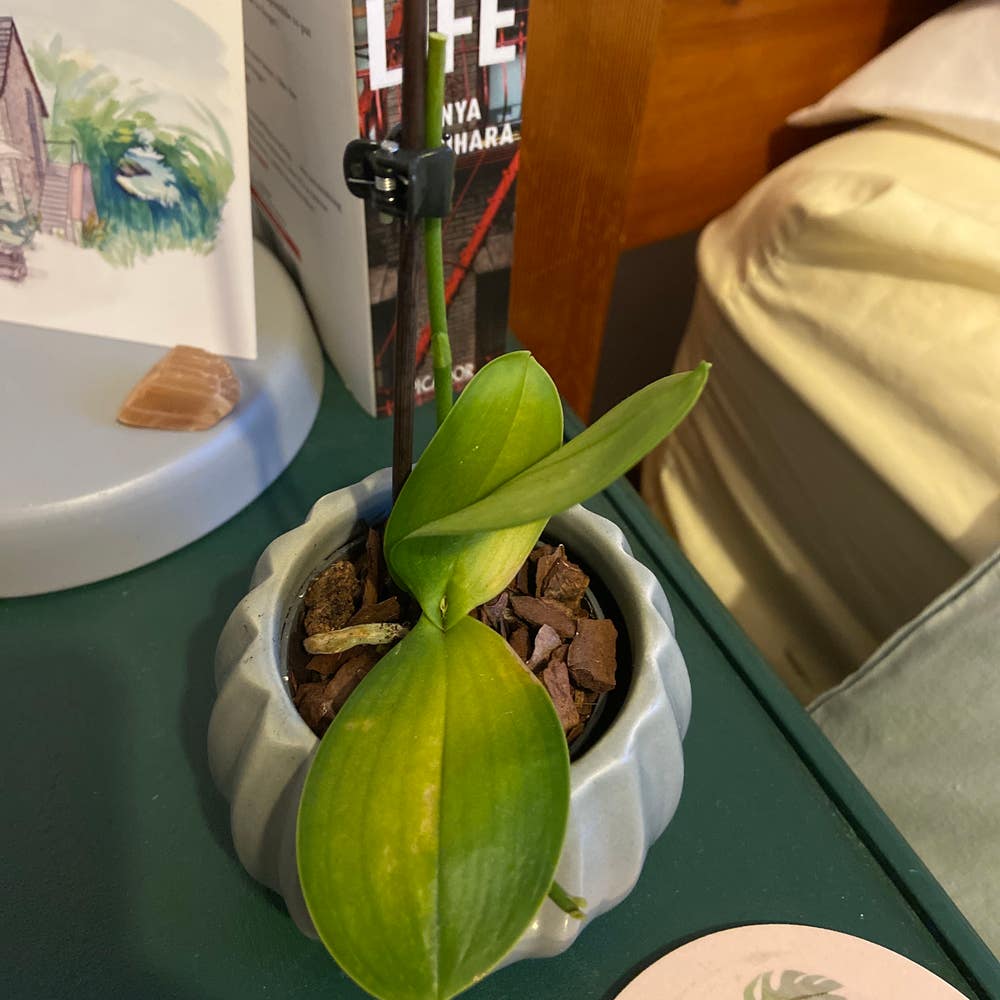
Yellowing leaves? Remove them. It's not just aesthetics; it's about plant health.
🌸 Encouraging Reblooming
✂️ Pruning for Growth
Trimming isn't just about taking away; it's about giving back. Cut back to just above a node to signal where new life should spring forth.
🕰 Timing is Everything
After flowering, when energy is ripe for redirection, that's your cue. Prune then, and watch for the rebirth of blooms.
Keeping It Tidy: Ongoing Maintenance Pruning
🌿 Regular Check-ups
Frequency is key in maintenance pruning. Moon Orchids benefit from a routine inspection every few weeks. This isn't just about aesthetics; it's about catching potential issues before they escalate.
🧹 Spot Cleaning
When it comes to air circulation, Moon Orchids are like us—they need their personal space. Removing dead or yellowing leaves not only tidies up your plant but also ensures it breathes easy, warding off diseases that thrive in cluttered, damp conditions.
Pruning Pitfalls: Mistakes to Dodge
🌱 Overzealous Cuts
Over-pruning is like a bad haircut; it takes time to grow out and never looks quite right in the meantime. To avoid this, never remove more than one-third of the plant at a time. This ensures you don't stress the Moon Orchid, which could lead to reduced blooming and a weakened state.
🕰 Timing Blunders
Pruning is all about timing. Do it wrong, and you're basically giving your orchid a setback it didn't sign up for. Avoid pruning when buds are developing or during active growth phases. The best time is post-flowering or during the dormant phase, when the plant is resting and can recover without the added stress of blooming or growing.
⚠️ Safety First
This content is for general information and may contain errors, omissions, or outdated details. It is not medical, veterinary advice, or an endorsement of therapeutic claims.
Always consult a qualified healthcare professional before using any plant as food, medicine, or supplement.
Never eat any plant (or feed one to pets) without confirming its identity with at least two trusted sources.
If you suspect poisoning, call Poison Control (800) 222-1222, the Pet Poison Helpline (800) 213-6680, or your local emergency service immediately.
Spotted an error? Please report it here.
Prune your Moon Orchid to perfection with reminders 🌙 from Greg, ensuring you cut back at just the right time for a thriving bloom.