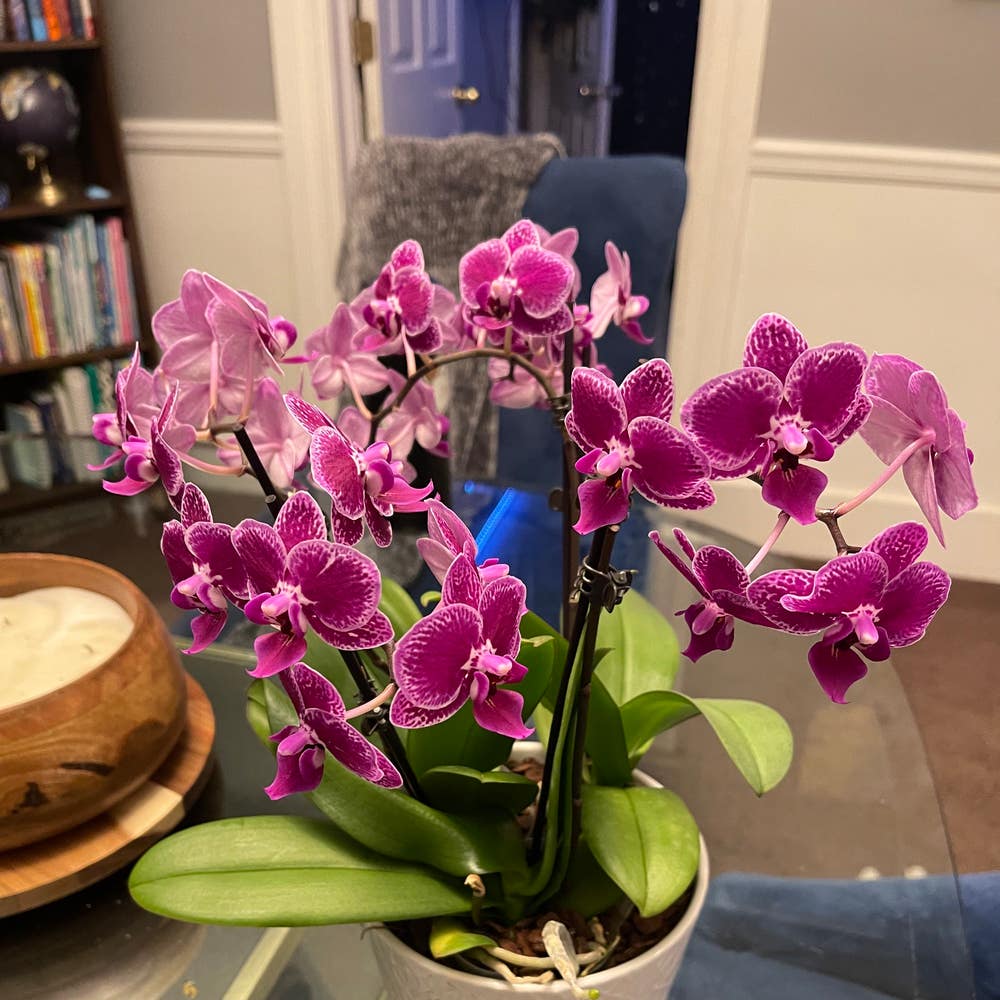
🌙 9 Factors for Optimal Moon Orchid Growth
Phalaenopsis amabilis
By the Greg Editorial Team
Sep 30, 2024•5 min read
This article was created with the help of AI so we can cover more plants for you. May contain errors. See one? Report it here.
- 🌡️ Optimal temperature for Moon Orchids is 20-25°C (68-77°F) for healthy growth.
- 💧 Humidity levels between 50-70% are crucial; use humidifiers or pebble trays.
- ☀️ Bright, indirect sunlight prevents leaf burn; avoid direct exposure for best results.
Choosing the Right Location
🌱 Indoor Growing Considerations
Creating the perfect indoor environment for your Moon Orchid is crucial. Aim for a room temperature between 20°C to 25°C (68°F to 77°F) during the day, and let it dip slightly at night.
Humidity plays a vital role as well. Ideally, maintain levels between 50-70%. You can easily achieve this with a humidifier or by placing pebble trays filled with water near your orchids.
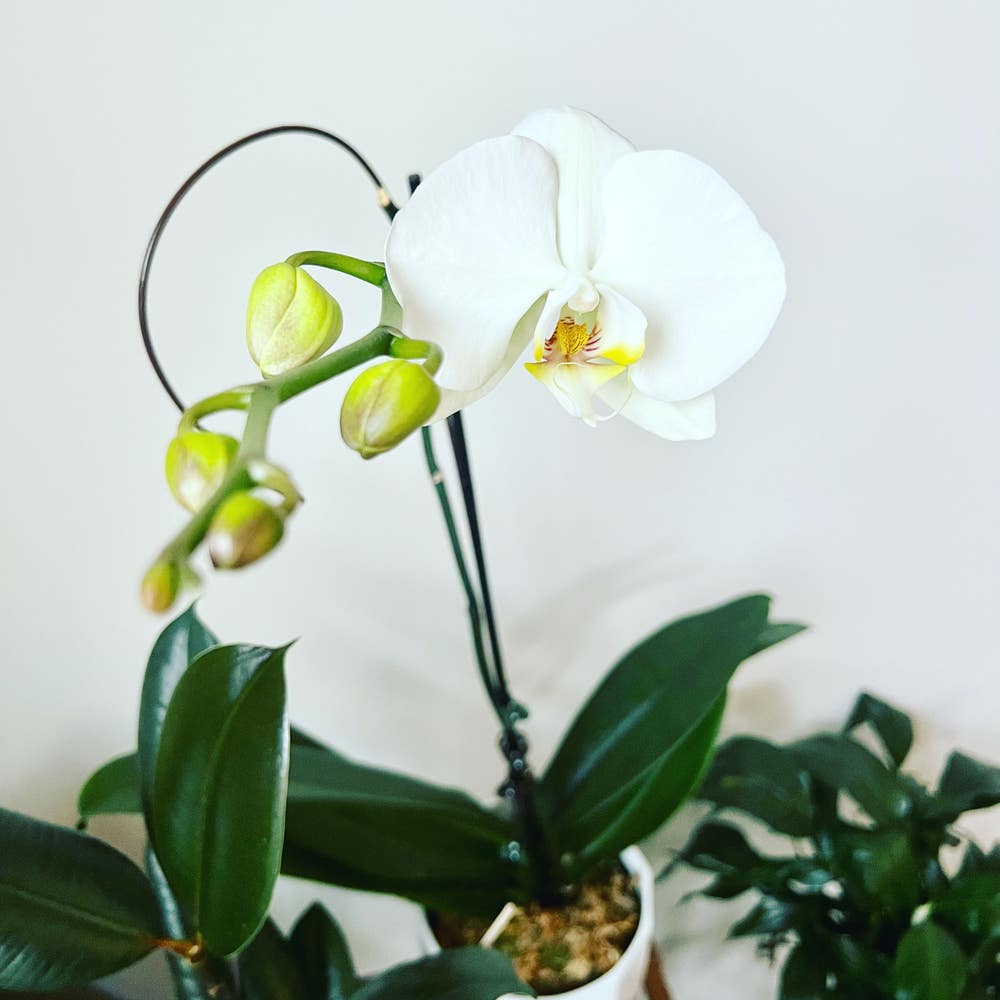
Light exposure is another key factor. Your orchids thrive in bright, indirect sunlight, so avoid placing them in direct sunlight to prevent leaf burn.
🌞 Outdoor Growing Considerations
If you're considering outdoor growth, the climate is paramount. Moon Orchids flourish in tropical or subtropical regions, but be sure to protect them from frost.
Shaded areas are ideal for these delicate plants. Position them under trees or structures to provide filtered light that keeps them happy and healthy.
Wind protection is essential as well. Use barriers to shield your orchids from strong winds, which can damage their fragile flowers.
By carefully selecting the right location, whether indoors or outdoors, you set the stage for vibrant Moon Orchid growth. Next, let’s dive into soil preparation and planting techniques to ensure your orchids have the best foundation possible.
Soil Preparation and Planting Techniques
🌱 Soil Preparation
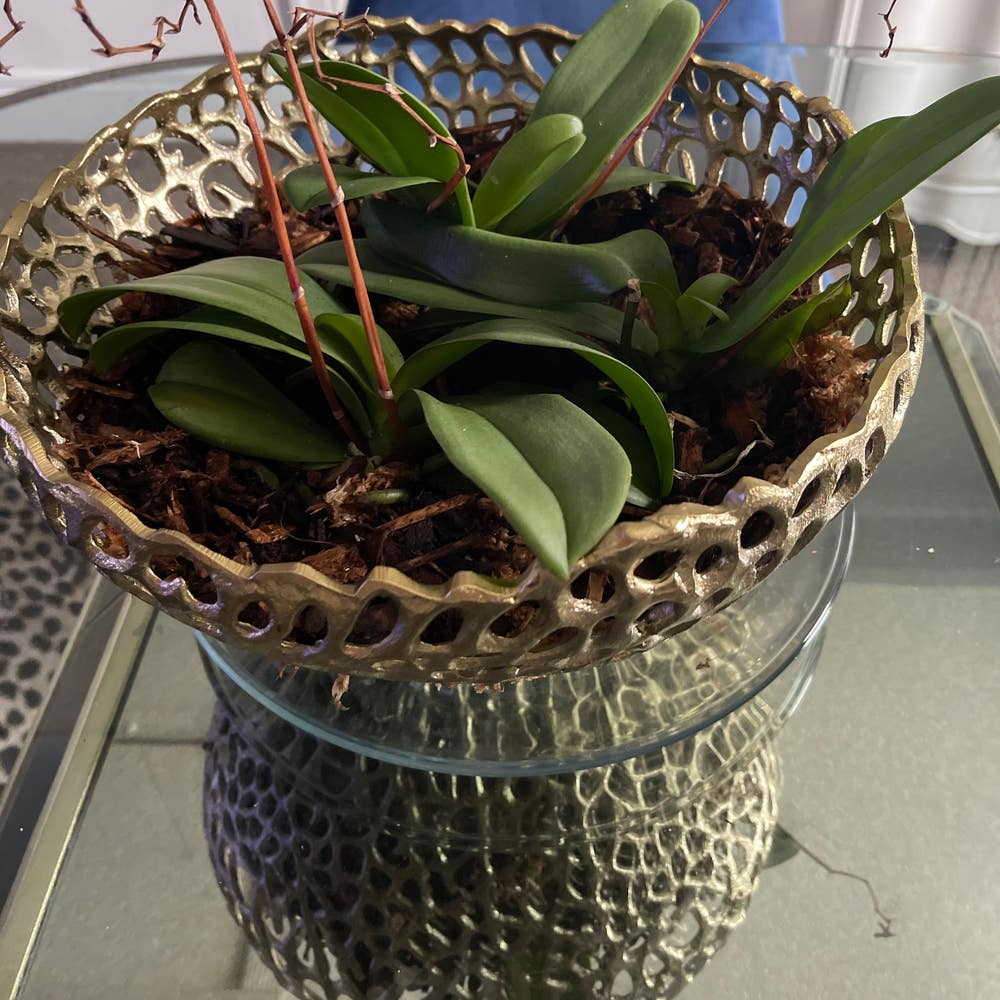
Creating the perfect environment for your moon orchid starts with the right soil. A well-draining potting mix is essential; blend bark, sphagnum moss, and perlite for optimal results.
Aim for a slightly acidic to neutral pH, ideally between 5.5 and 7.0. This balance helps your orchid thrive and absorb nutrients effectively.
🌼 Planting Steps
- Prepare the pot: Ensure that drainage holes are clear to prevent waterlogging.
- Fill the pot: Add a layer of your potting mix, leaving enough space for the orchid roots.
- Position the orchid: Place the plant in the center, gently spreading its roots for stability.
- Add more mix: Fill around the roots, ensuring they are secure without compacting the soil.
- Water lightly: Moisten the potting mix, but avoid soaking it to keep the roots healthy.
Following these steps will set your moon orchid on the path to flourishing growth. With the right soil and planting techniques, you’re well on your way to enjoying beautiful blooms.
Next, let’s dive into the essential aspects of watering and fertilizing to keep your orchid thriving.
Watering and Fertilizing
Watering Requirements 🌊
Watering your Moon Orchid is crucial for its health. Aim to water every 1-2 weeks, ensuring the top inch of soil dries out between waterings.
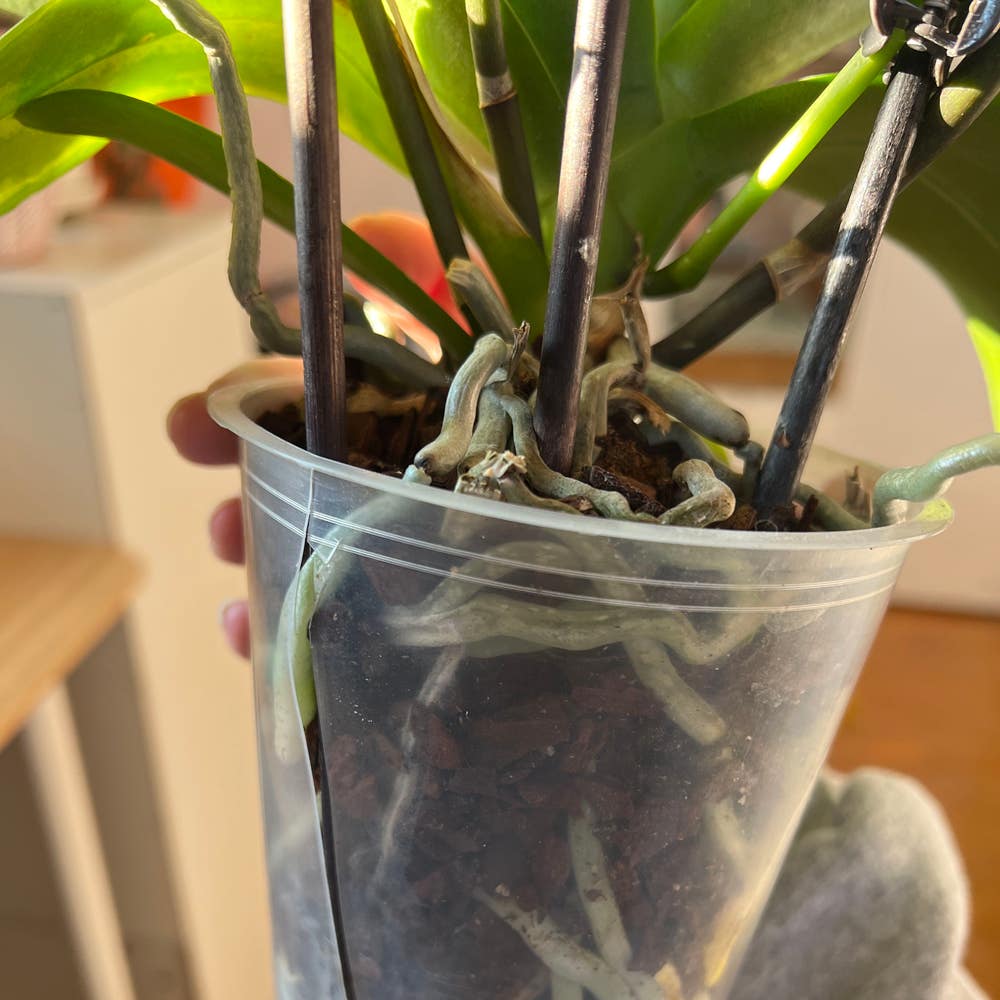
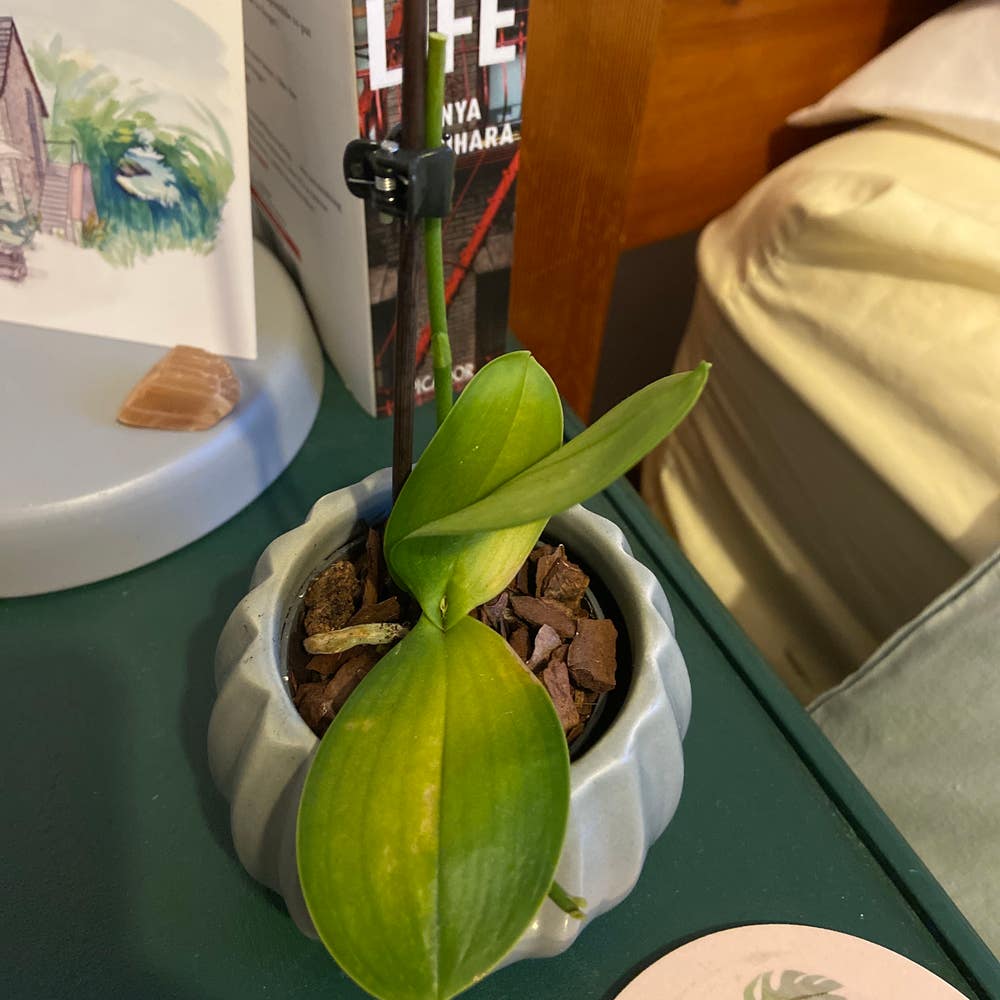
Watch for signs of overwatering, like yellowing leaves or mushy roots. If you notice these symptoms, it’s time to adjust your watering routine.
Fertilizing Schedule 🌱
When it comes to fertilizing, a balanced orchid fertilizer (30-10-10) is your best bet. Dilute it to half strength for optimal results.
During the growing season—spring and summer—fertilize every 4-6 weeks. As the seasons change and your orchid enters dormancy in fall and winter, reduce the frequency of fertilization.
Maintaining the right balance in watering and fertilizing will set your Moon Orchid up for success. Next, let’s explore effective pruning techniques to encourage vibrant growth.
Pruning and Ongoing Care
✂️ Pruning Techniques
Pruning your Moon Orchid is essential for encouraging new growth. The best time to prune is right after blooming.
- Tools: Always use clean, sharp scissors or pruning shears to prevent infection.
- Identify spent flower spikes: Cut these back to the base or just above a node to promote potential new growth.
- Remove dead or yellowing leaves: This helps improve air circulation and overall plant health.
🌱 Ongoing Care Practices
Maintaining optimal conditions for your Moon Orchid is crucial for its longevity. Start by monitoring humidity levels regularly.
- Humidity: Use trays filled with water or mist the leaves to keep humidity levels consistent.
- Pest checks: Regularly inspect your orchid for any signs of pests or diseases, as early detection is key.
- Seasonal adjustments: Be mindful of temperature changes and adjust heating or cooling as needed to keep your orchid thriving.
By following these pruning and care practices, you’ll set your Moon Orchid up for a healthy and vibrant life. Next, let’s dive into identifying and solving common problems that may arise during your orchid care journey.
Identifying and Solving Common Problems
🌱 Common Issues
Growing Moon Orchids can be a rewarding experience, but it’s not without its challenges.
Overwatering is a frequent culprit, leading to yellowing leaves and root rot. If your orchid's leaves are turning yellow, it’s a sign that you might be giving it too much water.
Underwatering can be just as damaging. Look for shriveled leaves and dry roots; these are clear indicators that your plant is thirsty.
🛠️ Solutions
Adjusting your watering routine is crucial. Pay attention to how your plant responds; it will guide you in finding the right balance.
Using a well-draining potting mix is essential to prevent water retention. This simple step can save your orchid from the perils of overwatering and keep it thriving.
By staying vigilant and responsive to your plant's needs, you can enjoy a flourishing Moon Orchid. Next, let’s explore the benefits of container versus outdoor growing to further enhance your gardening journey.
Container vs. Outdoor Growing
🌱 Benefits of Container Growing
Container growing offers incredible mobility. You can easily move your moon orchids indoors during colder months, ensuring they thrive year-round.
Additionally, it provides a controlled environment. Managing humidity and light conditions becomes simpler, allowing you to create the perfect habitat for your orchids.
🌤️ Outdoor Growing Considerations
When growing outdoors, seasonal adjustments are crucial. Be prepared to bring your orchids indoors during extreme weather to protect them from harsh conditions.
Also, consider how to protect from pests. Using barriers or natural repellents can help deter insects, keeping your orchids healthy and vibrant.
In summary, both container and outdoor growing have unique advantages. Choosing the right method depends on your environment and commitment to care. Next, let’s explore soil preparation and planting techniques for optimal growth.
⚠️ Safety First
This content is for general information and may contain errors, omissions, or outdated details. It is not medical, veterinary advice, or an endorsement of therapeutic claims.
Always consult a qualified healthcare professional before using any plant as food, medicine, or supplement.
Never eat any plant (or feed one to pets) without confirming its identity with at least two trusted sources.
If you suspect poisoning, call Poison Control (800) 222-1222, the Pet Poison Helpline (800) 213-6680, or your local emergency service immediately.
Spotted an error? Please report it here.
Transform your Moon Orchid into a blooming beauty 🌸 with Greg's tailored care reminders and expert tips that ensure optimal growth conditions every step of the way!