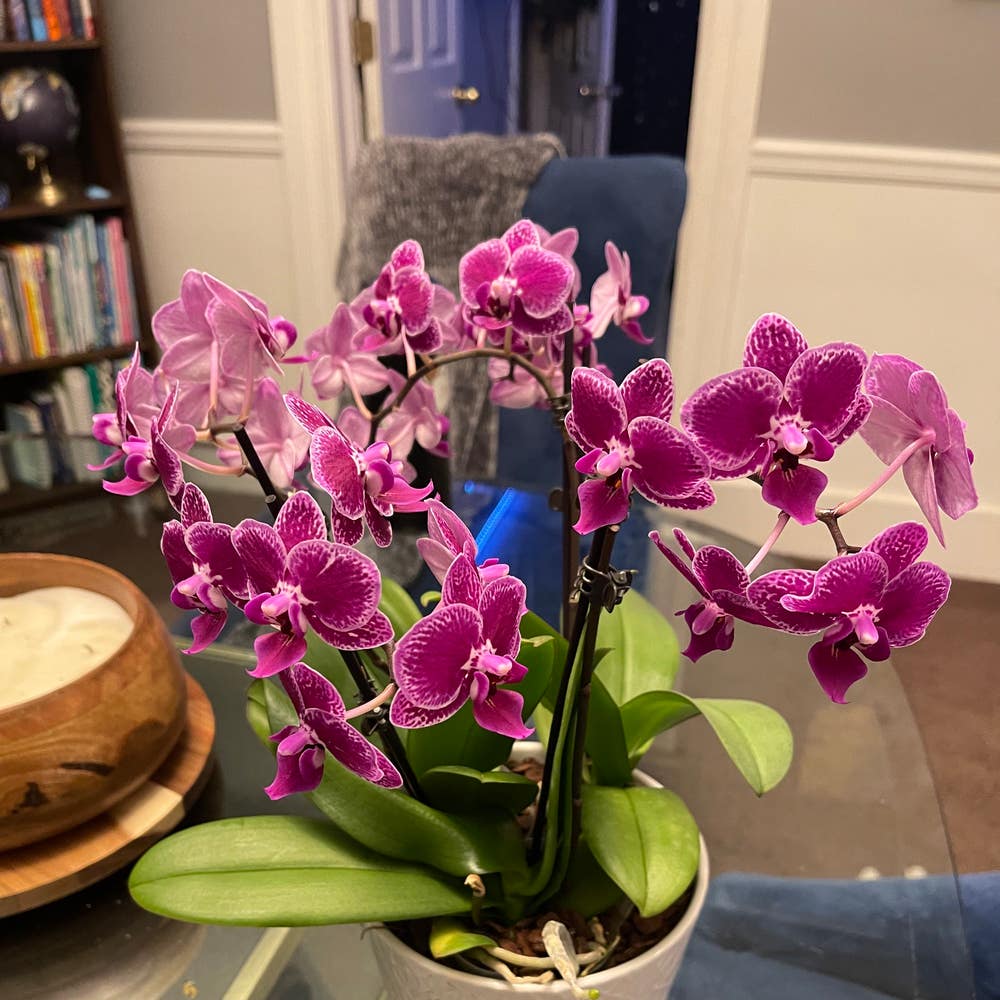
🌙 Moon Orchid is Not an Invasive Plant
Phalaenopsis amabilis
By the Greg Editorial Team
Sep 30, 2024•4 min read
This article was created with the help of AI so we can cover more plants for you. May contain errors. See one? Report it here.
- 🌱 Moon orchids thrive as epiphytes, enhancing biodiversity and attracting pollinators.
- 🌿 They prefer warm, humid conditions, making them sensitive in non-native environments.
- 🌸 Low maintenance and vibrant blooms make moon orchids ideal for diverse gardens.
Growth Habits
🌱 Typical Growth Patterns
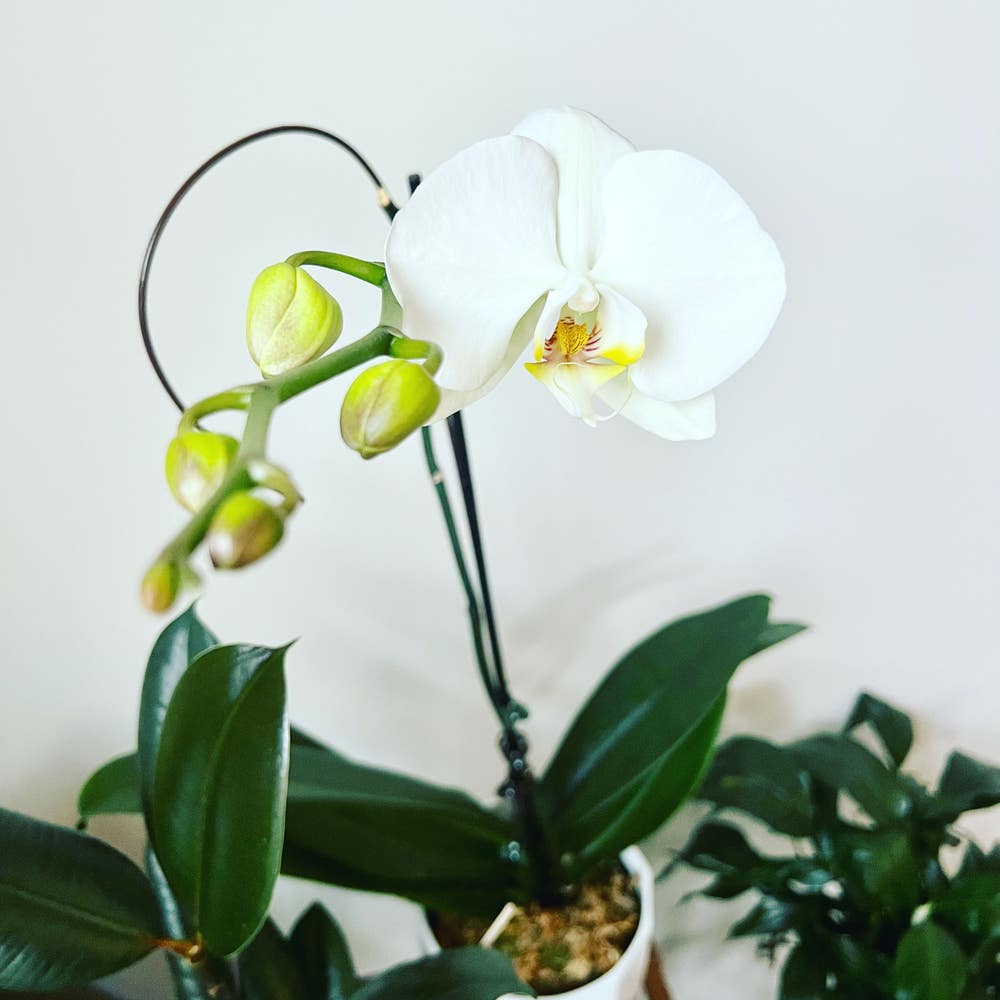
Moon orchids exhibit an epiphytic growth form, meaning they often rely on other structures for support. This unique trait allows them to thrive in their natural habitats, where they can showcase their striking flowers that bloom for an extended period, adding vibrant aesthetics to any garden.
🌡️ Natural Limits to Growth
These orchids prefer warm, humid conditions typical of tropical regions, which makes them somewhat finicky. In non-native habitats, their growth is limited by temperature and humidity levels, requiring specific care to flourish, thus minimizing the risk of uncontrolled spread.
By understanding these growth habits, gardeners can appreciate the beauty of moon orchids while ensuring they remain a manageable addition to their landscapes. Next, let’s explore the ecological role these plants play in gardens and ecosystems.
Ecological Role
Benefits in Gardens and Ecosystems 🌼
Moon orchids play a vital role in enhancing biodiversity. By attracting local pollinators like bees and butterflies, they create a lively atmosphere in any garden.
These beautiful plants contribute significantly to the overall health of garden ecosystems. Their presence supports a balanced environment, fostering interactions among various species.
Positive Interactions 🐝
One of the standout features of moon orchids is their ability to provide nectar for pollinators. This not only supports local wildlife but also encourages a thriving ecosystem.
Moreover, moon orchids coexist harmoniously with other non-invasive plants. This synergy promotes a diverse and resilient garden landscape, making them a fantastic choice for any gardening enthusiast.
As we explore the next section, we’ll delve into how to effectively manage these stunning plants in your garden.
Garden Management
Effective Incorporation into Designs 🌿
Moon Orchids thrive in shaded or partially shaded areas, making them perfect for spots that receive filtered sunlight. Consider using them in vertical gardens or as part of mixed plantings to create a stunning visual impact.
Controlling Growth for Aesthetic Purposes 🎨
To maintain their beauty, regularly check for dead or damaged leaves. You can control their growth effectively through pot size and careful watering practices, ensuring they remain healthy and vibrant.
With these management tips, you can enjoy the elegance of Moon Orchids while keeping your garden looking its best. Next, let’s explore how these plants compare to other varieties in terms of growth habits and care requirements.
Comparison to Other Plants
🌱 Similarities with Non-Invasive Plants
Moon Orchids share growth habits with several other non-invasive orchid varieties. For instance, the Phalaenopsis and Dendrobium orchids also thrive in similar conditions, requiring support and specific care to flourish.
These orchids, like the Moon Orchid, are epiphytic, meaning they naturally grow on other plants without harming them. This characteristic makes them excellent companions in garden designs, promoting a harmonious ecosystem.
🌟 Unique Qualities
One of the standout features of Moon Orchids is their long-lasting blooms. These flowers can remain vibrant for weeks, adding a splash of color to any garden.
Additionally, Moon Orchids come in a variety of colors, offering diverse options for gardeners. They are also relatively low maintenance compared to many other flowering plants, making them an attractive choice for both novice and experienced gardeners alike.
Incorporating Moon Orchids into your garden not only enhances its beauty but also simplifies your gardening routine. Their unique qualities and similarities with other non-invasive plants make them a fantastic addition to any landscape.
As we explore the next section, let’s delve into the legal and environmental considerations surrounding the cultivation of these beautiful orchids.
Legal and Environmental Considerations
🌍 Classifications and Guidelines
Understanding local regulations is crucial when incorporating Moon Orchids into your garden. Many regions have specific guidelines regarding the planting and care of non-invasive species to protect local ecosystems.
Sourcing plants from reputable nurseries is equally important. This practice helps avoid illegal trade and ensures that you’re supporting sustainable horticulture.
🌱 Role in Sustainable Gardening
Moon Orchids play a vital role in supporting local ecosystems and enhancing biodiversity. By planting these orchids, you contribute to a healthier environment, attracting beneficial pollinators and other wildlife.
Responsible plant management and care practices are essential for maintaining ecological balance. This not only benefits your garden but also fosters a sense of community and stewardship towards nature.
As you consider adding Moon Orchids to your space, remember their positive impact on the environment. This mindful approach to gardening can inspire others to follow suit, creating a ripple effect of sustainability.
Next, let’s explore how to effectively manage these beautiful plants in your garden design.
⚠️ Safety First
This content is for general information and may contain errors, omissions, or outdated details. It is not medical, veterinary advice, or an endorsement of therapeutic claims.
Always consult a qualified healthcare professional before using any plant as food, medicine, or supplement.
Never eat any plant (or feed one to pets) without confirming its identity with at least two trusted sources.
If you suspect poisoning, call Poison Control (800) 222-1222, the Pet Poison Helpline (800) 213-6680, or your local emergency service immediately.
Spotted an error? Please report it here.
Enhance your garden's beauty with moon orchids 🌸—let Greg guide you with tailored care tips to keep them thriving and attract local pollinators!