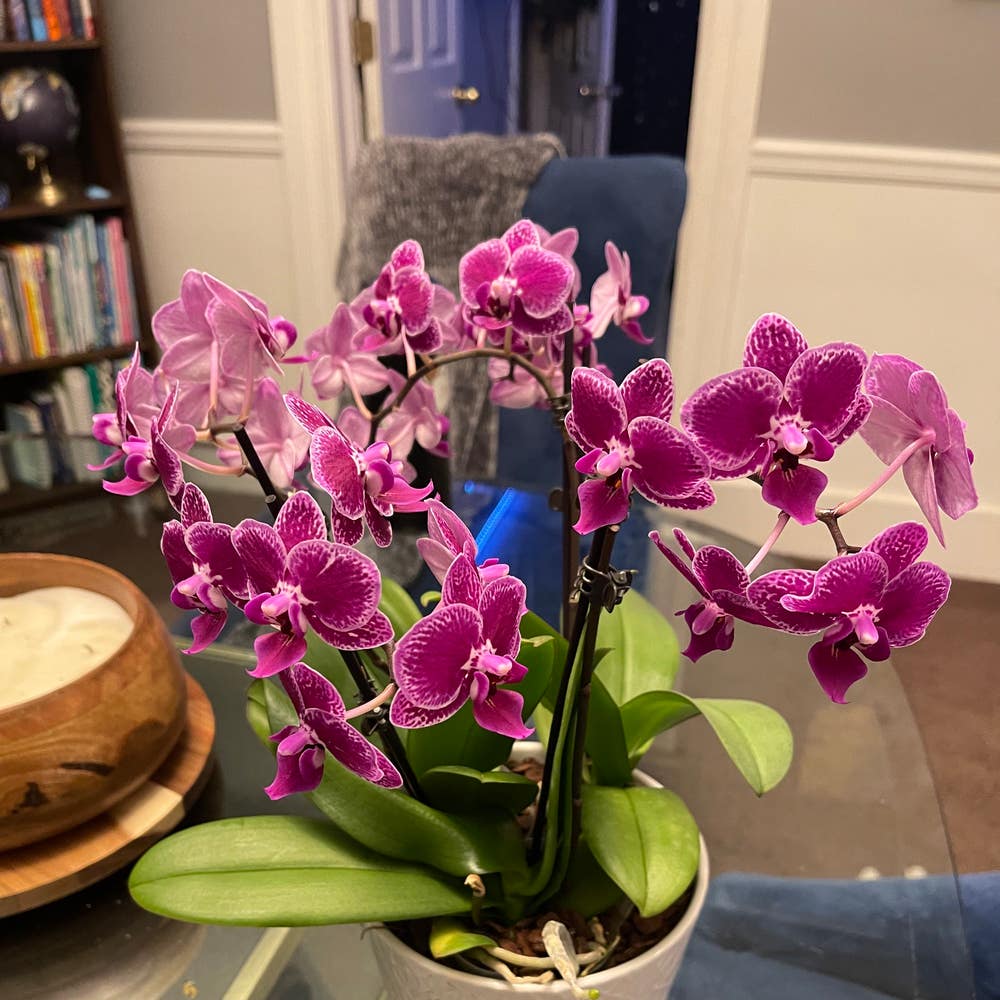
🌙 Why Moon Orchid Is A Perennial Plant
Phalaenopsis amabilis
By the Greg Editorial Team
Sep 30, 2024•5 min read
This article was created with the help of AI so we can cover more plants for you. May contain errors. See one? Report it here.
- 🌱 Moon Orchids thrive for years, showcasing vibrant blooms and reducing replanting needs.
- 🌞 Optimal light, temperature, and humidity are key for successful growth and flowering.
- 🌿 Established roots enhance resilience, ensuring nutrient absorption and water retention.
Lifecycle and Growth Patterns
🌱 Multi-Year Lifecycle
The Moon Orchid undergoes a fascinating lifecycle that spans several years. It begins with germination, followed by growth, flowering, and dormancy, each stage playing a crucial role in the plant's development.
- Germination: This initial stage is where the seeds sprout, typically occurring in spring.
- Growth: As the plant matures, it develops leaves and stems, soaking up sunlight and nutrients.
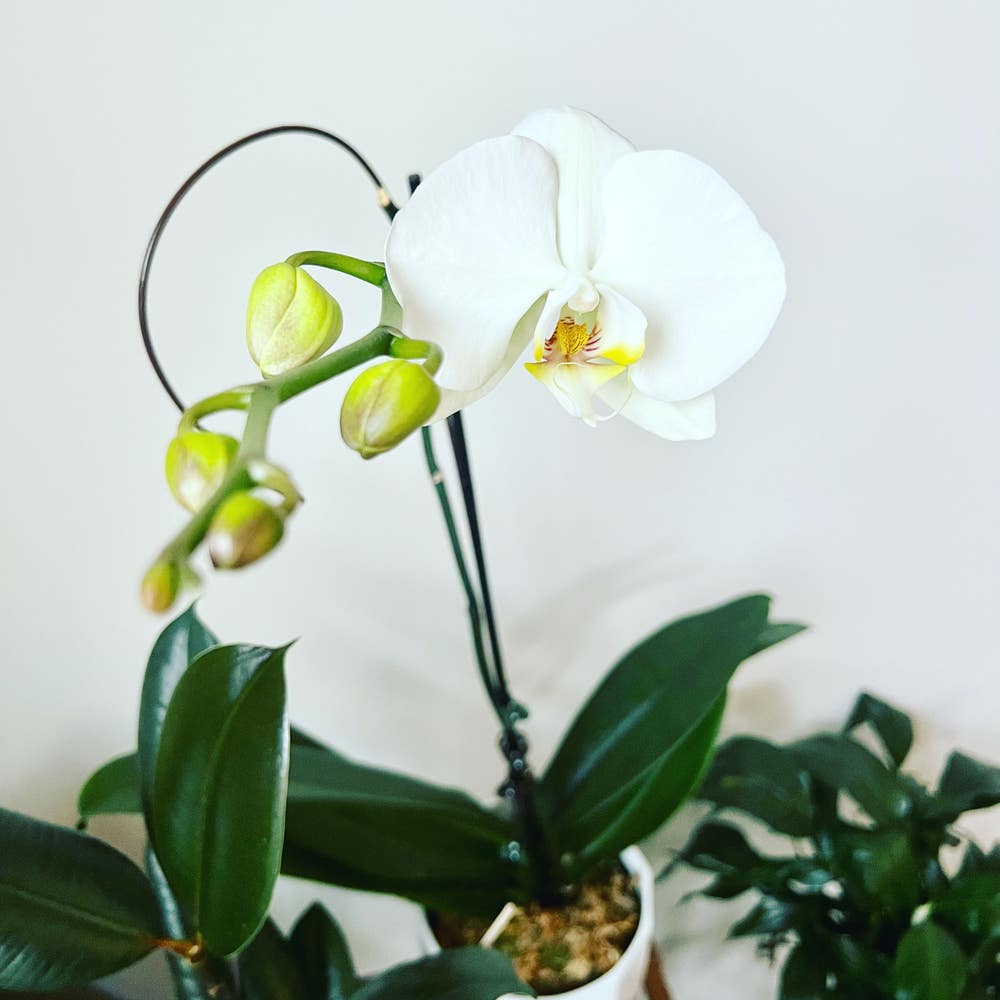
- Flowering: The Moon Orchid can bloom multiple times during its growth phase, showcasing its vibrant flowers.
- Dormancy: In cooler months, the plant enters dormancy, conserving energy for the next growth cycle.
Each of these stages is essential for the plant's health and longevity, allowing it to thrive year after year.
🌿 Growth Patterns and Regrowth
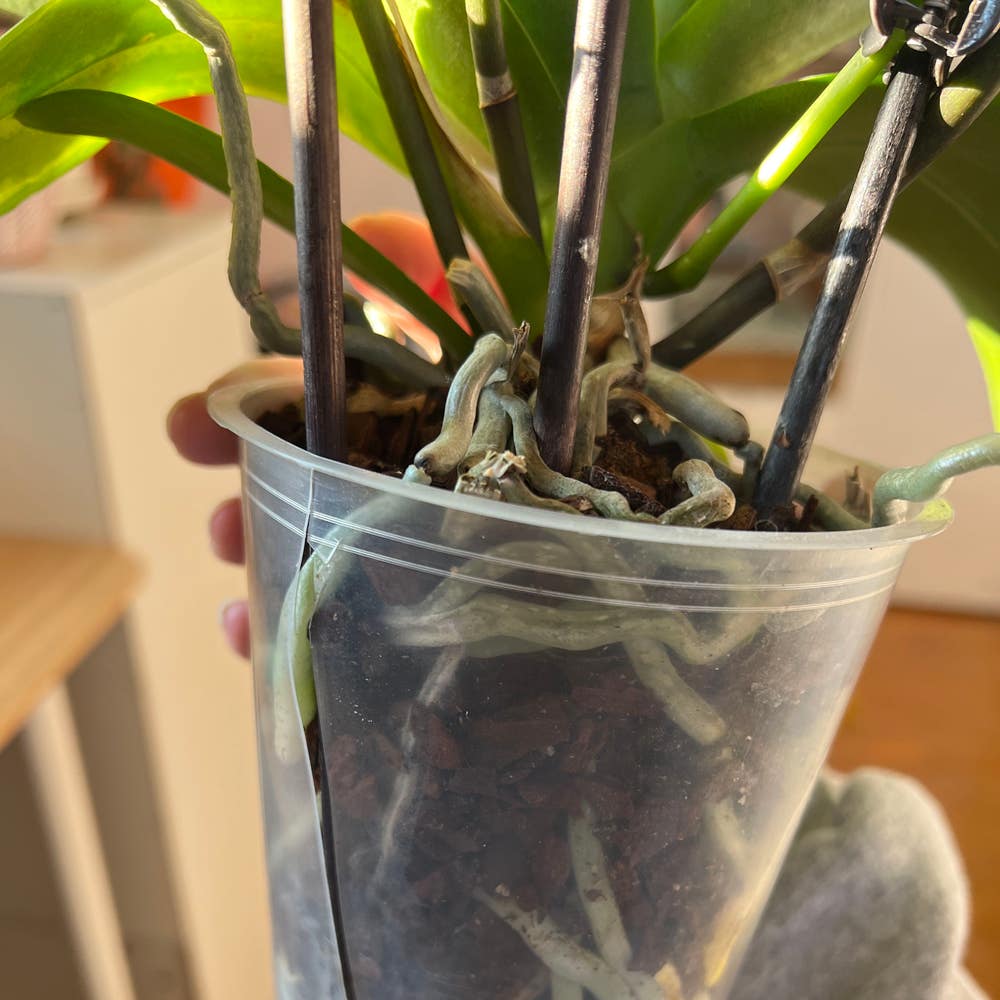
One of the remarkable features of the Moon Orchid is its ability to regrow from the same root system each year. This resilience is largely due to its established roots, which anchor the plant and provide essential nutrients.
- Root System: The roots not only support the plant structurally but also enhance its ability to absorb water and nutrients from the soil.
- Regrowth: As the seasons change, the Moon Orchid taps into its robust root system to push out new growth, ensuring it remains vibrant and healthy.
This capacity for regrowth makes the Moon Orchid a reliable choice for gardeners, as it promises beauty and resilience year after year.
As we explore the impact of its perennial nature, we’ll see how these growth patterns influence flowering and overall lifespan.
Impact of Perennial Nature
🌸 Effects on Growth and Flowering
Moon Orchids are remarkable for their ability to bloom multiple times a year. This frequent flowering is influenced by several factors, including light, temperature, and humidity, which all play a crucial role in triggering those stunning blooms.
Understanding these factors can help you optimize your growing conditions. For instance, ensuring adequate light and maintaining the right temperature can significantly enhance your orchid's flowering cycles.
⏳ Overall Lifespan
With proper care, Moon Orchids can thrive for several years, making them a long-term investment for any garden. Unlike annual plants, which need to be replanted each year, these perennials offer the advantage of longevity and consistent blooming.
This resilience not only saves time but also enhances the beauty of your garden over the years. The ability to enjoy returning blooms season after season is a true delight for any plant lover.
As we explore the next section, we'll delve into the fascinating world of dormancy and how it affects the Moon Orchid's lifecycle.
Dormancy and Seasonal Changes
🌙 Description of Dormancy
Dormancy in Moon Orchids typically occurs during the cooler months. During this time, you'll notice reduced growth and even leaf drop, signaling that the plant is conserving energy.
🍂 Seasonal Adaptations
To survive dormancy, the Moon Orchid cleverly conserves energy, slowing down its metabolic processes. This adaptation is crucial, as it allows the plant to thrive when conditions improve, influencing its flowering cycles and overall growth patterns.
Understanding these seasonal changes can help you better appreciate the resilience of Moon Orchids. As they enter dormancy, they prepare for a vibrant return when the weather warms up, ensuring a stunning display in your garden.
Advantages for Gardeners
Benefits of Reduced Replanting 🌱
One of the standout advantages of growing Moon Orchids is their perennial nature, which significantly reduces the need for annual replanting. This not only saves time but also cuts down on costs, allowing gardeners to focus on nurturing their plants rather than starting from scratch each year.
With Moon Orchids, once you’ve established them in your garden, they’ll return year after year. This longevity means less hassle and more blooms to enjoy, making your gardening experience more rewarding.
Importance of Established Roots 🌳
Established roots play a crucial role in the health of Moon Orchids. These roots enhance nutrient uptake and improve water retention, ensuring the plant thrives even during dry spells.
Moreover, a robust root system boosts resilience against environmental stressors like drought or pests. This means your Moon Orchids can withstand challenges that might derail less established plants, giving you peace of mind as a gardener.
In summary, the advantages of growing Moon Orchids extend beyond aesthetics; they offer practical benefits that make gardening easier and more fulfilling. As we explore further, let’s delve into how climate zone variations can impact your Moon Orchid experience.
Climate Zone Variations
Variations in Behavior 🌍
Moon Orchids exhibit distinct growth patterns and flowering behaviors depending on the climate zone. In warmer regions, these plants thrive, often producing blooms more frequently due to extended growing seasons.
Conversely, in cooler climates, flowering may be limited, and growth can slow down significantly. Understanding these variations helps gardeners anticipate how their Moon Orchids will perform in different environments.
Strategies for Non-Tropical Conditions 🌱
Growing Moon Orchids in non-tropical climates requires some strategic planning. One effective approach is to utilize microclimates—areas within your garden that offer slightly different conditions, such as warmth or shade.
Indoor growing conditions can also be beneficial. Providing adequate light and humidity levels indoors can help mimic the plant's natural habitat, ensuring healthy growth and vibrant blooms throughout the year.
By adapting to these strategies, you can successfully cultivate Moon Orchids, regardless of your climate zone. This adaptability not only enhances your gardening experience but also allows you to enjoy the beauty of these perennial plants year-round.
Maximizing Benefits in Garden Planning
Tips for Long-Term Cultivation 🌱
To keep your Moon Orchids thriving, regular care is essential. Start by ensuring they receive adequate water without over-saturating the soil.
Monitor their growth closely, adjusting care as needed. This includes checking for pests and diseases, which can sneak up on even the healthiest plants.
Strategies for Garden Design 🌼
Companion planting can enhance the health of your Moon Orchids. Pair them with plants that share similar light and humidity needs to create a harmonious garden environment.
Consider their placement carefully. Moon Orchids thrive in bright, indirect light, so choose spots that provide this while protecting them from harsh afternoon sun.
⚠️ Safety First
This content is for general information and may contain errors, omissions, or outdated details. It is not medical, veterinary advice, or an endorsement of therapeutic claims.
Always consult a qualified healthcare professional before using any plant as food, medicine, or supplement.
Never eat any plant (or feed one to pets) without confirming its identity with at least two trusted sources.
If you suspect poisoning, call Poison Control (800) 222-1222, the Pet Poison Helpline (800) 213-6680, or your local emergency service immediately.
Spotted an error? Please report it here.
Unlock the perennial beauty of your Moon Orchid 🌙 with Greg's tailored care tips and reminders, ensuring it flourishes through every stage of its vibrant lifecycle!