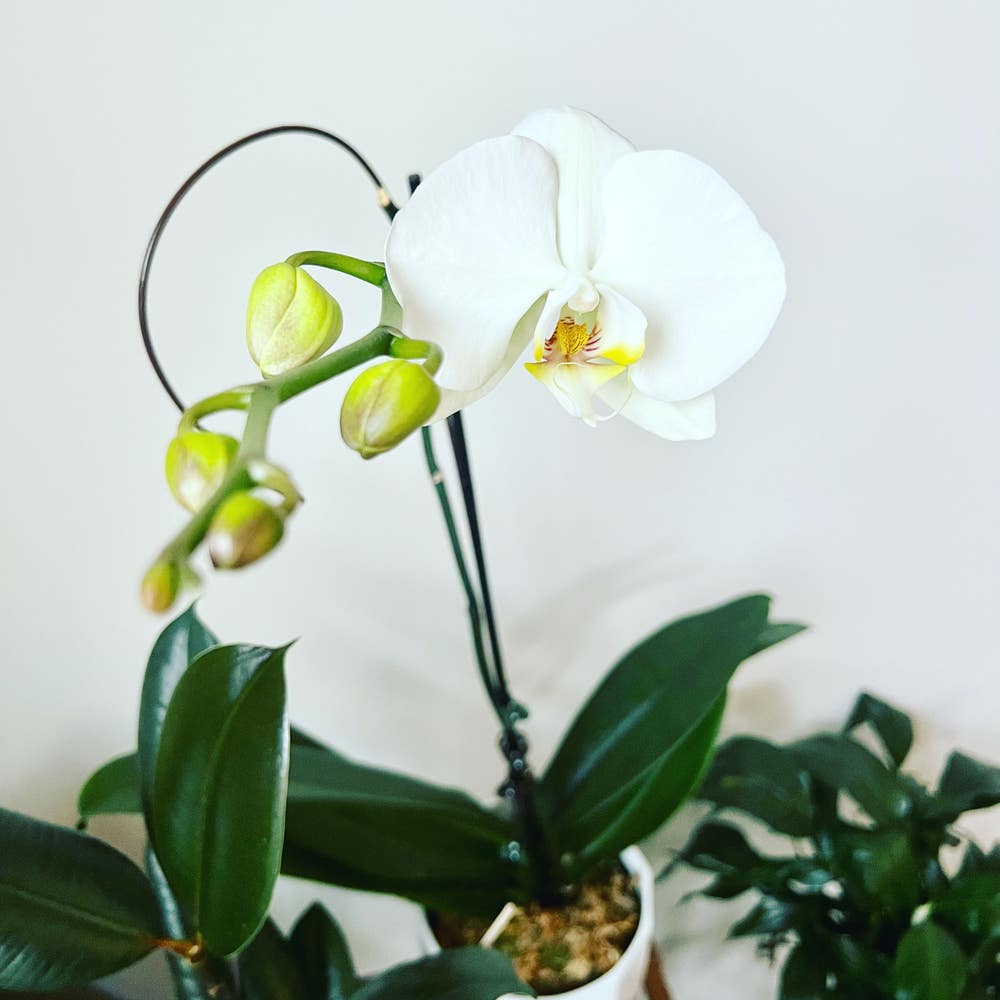
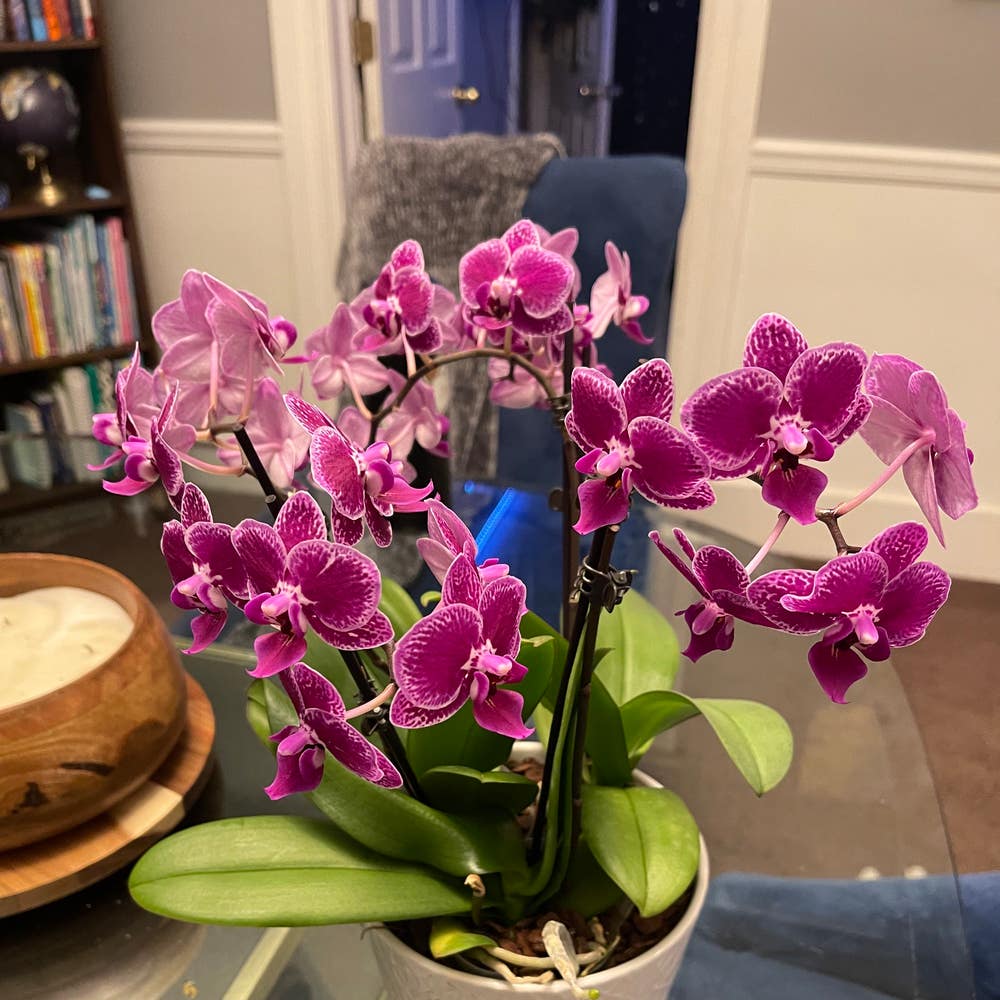
🌙 How to Grow Moon Orchid Outdoors
Phalaenopsis amabilis
By the Greg Editorial Team
Sep 30, 2024•7 min read
This article was created with the help of AI so we can cover more plants for you. May contain errors. See one? Report it here.
- 🌞 Moon Orchids need 6-8 hours of bright, indirect sunlight daily for optimal growth.
- 💧 Water every 7-10 days, ensuring the top inch of soil is dry before watering.
- 🌡️ Protect from extreme temperatures and adjust care seasonally for healthy growth.
Sunlight Needs
Ideal Exposure 🌞
Moon Orchids thrive in bright, indirect sunlight. Aim for 6-8 hours of filtered sunlight daily to keep them healthy and vibrant.
Signs of Inadequate Light 🚨
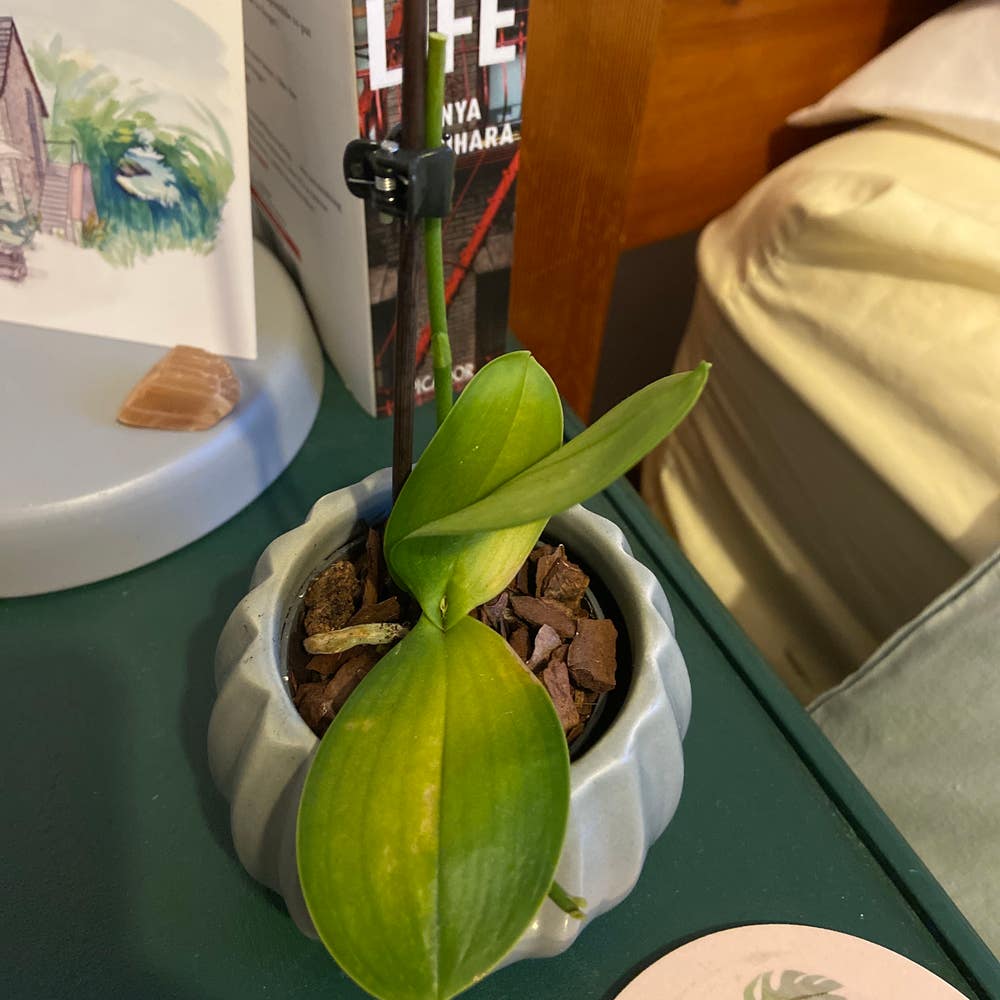
Watch for changes in leaf color; yellowing or overly dark green leaves can indicate insufficient light. If your orchids aren't blooming or the flowers are smaller than usual, it might be time to reassess their light exposure.
Adjusting Conditions 🔧
To optimize light conditions, consider using a shade cloth that provides 30-50% shade during peak sun hours. Additionally, relocating your plants can make a significant difference in their light intake, so don’t hesitate to move pots around for the best exposure.
By ensuring your Moon Orchids receive the right amount of sunlight, you set the stage for their flourishing growth. Next, let’s dive into their watering requirements to keep them hydrated and thriving.
Watering Requirements
Frequency 🌧️
Moon Orchids thrive with a consistent watering schedule. Aim to water every 7-10 days, adjusting based on the weather conditions.
Check the soil moisture regularly. Ensure the top inch of soil is dry before giving your orchid a drink.
Techniques 💧
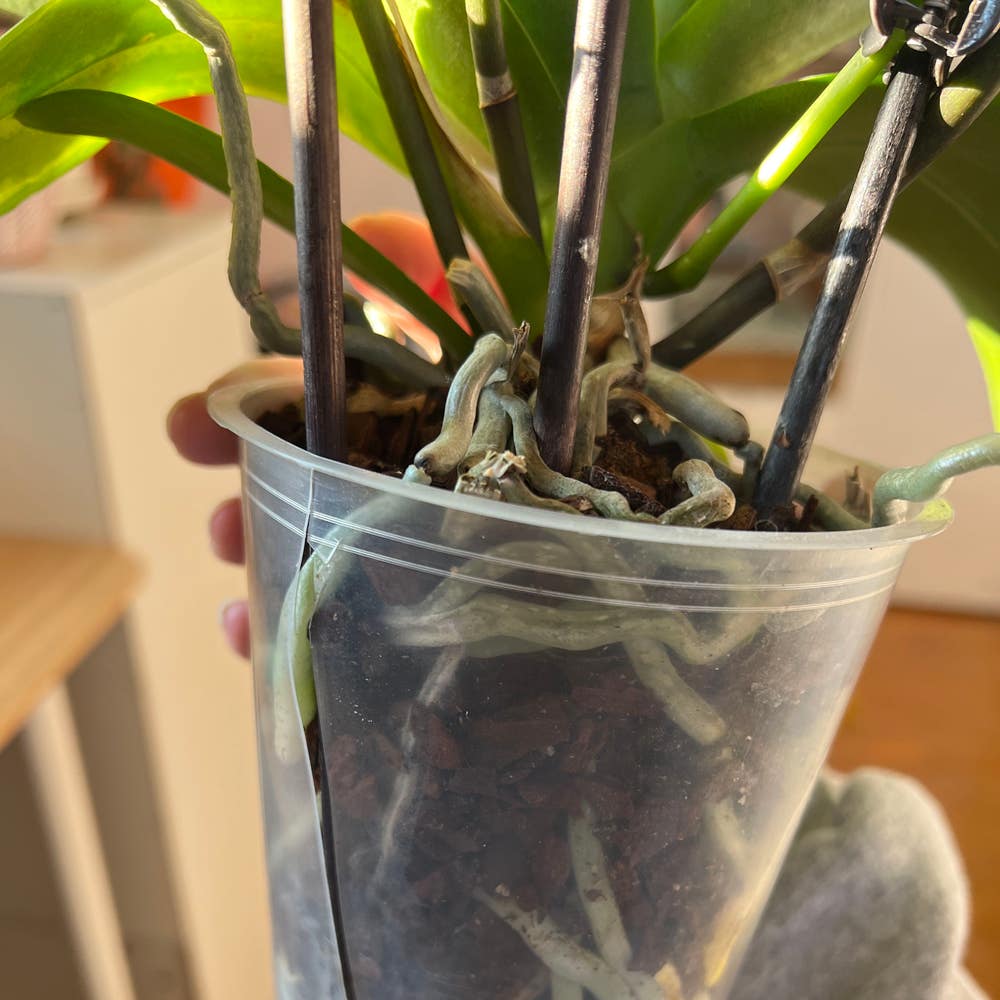
Watering techniques can make all the difference. Water thoroughly until you see excess draining from the bottom of the pot.
Avoid letting water sit in the pot. This can lead to root rot, which is a common issue for orchids.
Seasonal Adjustments 🌡️
As temperatures rise in summer, your Moon Orchid will need more attention. Increase watering frequency and monitor moisture levels closely during these hot months.
In contrast, cooler months call for less frequent watering. Gradually reduce your watering schedule in fall and winter to prevent overwatering.
With these watering tips, your Moon Orchid will be well on its way to thriving outdoors. Next, let’s explore the ideal soil preferences for these beautiful plants.
Soil Preferences
Ideal Composition 🌱
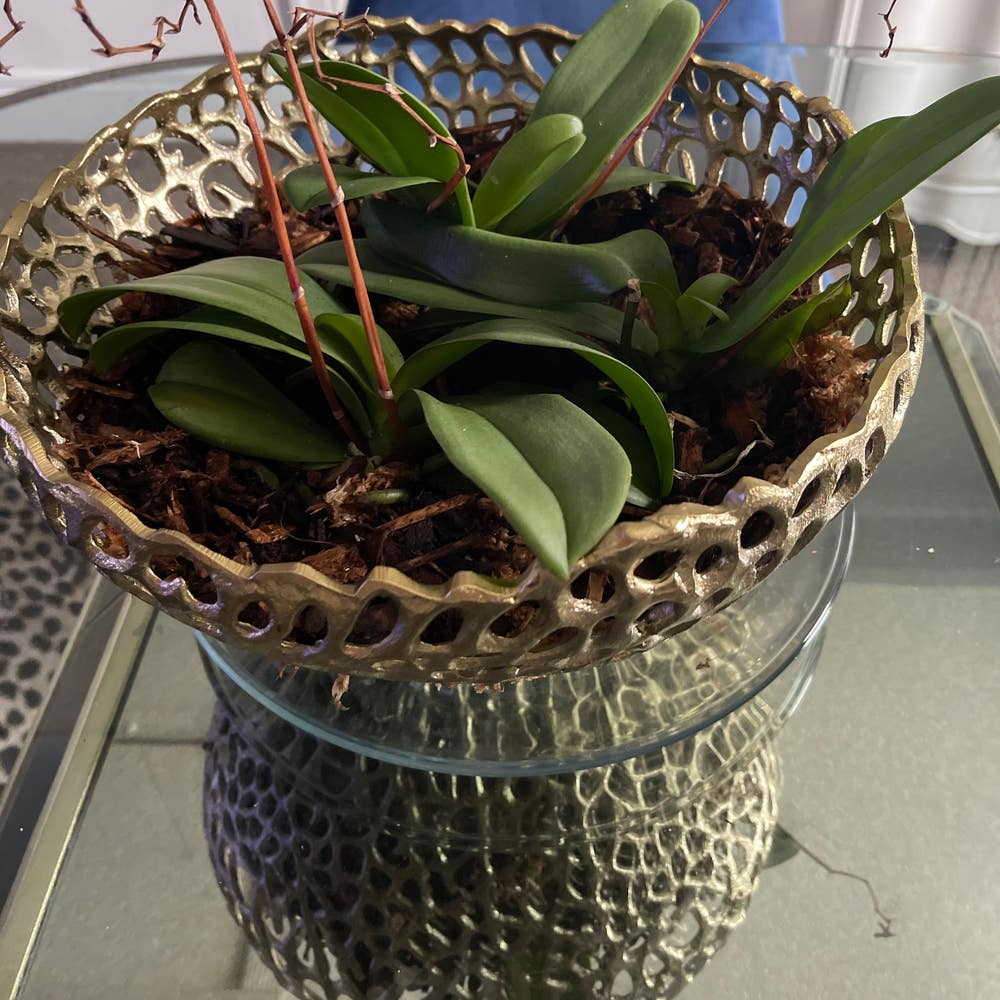
For Moon Orchids, a well-draining orchid mix is essential. This typically includes a combination of bark and sphagnum moss, providing the right balance of aeration and moisture retention.
The soil pH should be slightly acidic to neutral, ideally between 5.5 and 7.0. This range supports optimal nutrient absorption, ensuring your orchids thrive.
Drainage Importance 🚿
Proper drainage is crucial for preventing root rot, a common issue that can devastate your plants. Without adequate drainage, the roots can sit in water, leading to decay and ultimately, plant death.
Look for signs of poor drainage, such as wilting or yellowing leaves. These symptoms often indicate that your Moon Orchid is struggling with its soil conditions, so timely adjustments are key to keeping your plant healthy.
Understanding these soil preferences will set the foundation for your Moon Orchid's success. Next, let’s explore the best planting options for these beautiful flowers.
Planting Options
Container vs. In-Ground 🌱
Choosing between container planting and in-ground options for your Moon Orchid can significantly impact its growth and care.
Container Benefits
Containers offer flexibility in placement, allowing you to move your orchids to optimize sunlight or shelter them from harsh weather. They also make it easier to control soil conditions, ensuring your orchids thrive in the right environment.
Container Drawbacks
However, container planting requires more frequent watering. Additionally, orchids can become root-bound, which may stunt their growth if not addressed promptly.
In-Ground Advantages 🌍
Planting your Moon Orchid in the ground can provide natural moisture retention. This method also stabilizes temperature conditions, which can be beneficial for the plant's overall health.
In-Ground Drawbacks
On the downside, in-ground planting offers less control over soil quality. Your orchids may also face potential exposure to ground pests, which can be a concern for their well-being.
Making the Right Choice 🤔
Ultimately, the decision between container and in-ground planting depends on your specific gardening conditions and preferences. Consider your local climate, available space, and how much time you can dedicate to care.
This choice will set the stage for your Moon Orchid's success, so weigh the pros and cons carefully. Next, let’s explore the essential protection strategies to keep your orchids thriving outdoors.
Protection Strategies
🌦️ Weather Protection
Shielding your Moon Orchids from extreme temperatures is crucial for their health. Use shade cloth during hot spells and frost covers when cold snaps hit.
Creating microclimates can also help. Grouping your plants together provides added warmth and humidity, making them feel right at home.
🐞 Managing Outdoor Pests
Outdoor pests can be a real headache for Moon Orchid growers. Keep an eye out for common culprits like aphids, spider mites, and mealybugs.
Control methods include introducing natural predators, using insecticidal soap, or applying neem oil. These solutions can effectively keep your plants safe without harsh chemicals.
🦠 Common Diseases and Prevention
Identifying diseases early is key to maintaining healthy orchids. Watch for signs of root rot, leaf spot, and fungal infections.
Prevention strategies are straightforward. Proper watering techniques and maintaining good air circulation can significantly reduce the risk of disease, ensuring your orchids thrive.
With these protection strategies in place, your Moon Orchids will be well-equipped to face the elements and pests. Next, let’s explore how to provide seasonal care to keep them flourishing throughout the year.
Seasonal Care
Spring Tips 🌸
Spring is the season of renewal, and your Moon Orchids are ready to thrive. Start by fertilizing and repotting as needed to encourage robust growth.
Keep an eye out for pests; as temperatures rise, so does their activity. Regular checks can help you catch any infestations early.
Summer Tips ☀️
Summer heat means your orchids will need more water. Adjust your watering schedule to ensure they stay hydrated during these hotter months.
Don't forget about sunlight management! Providing adequate shade during peak sun hours is crucial to prevent sunburn.
Fall Tips 🍂
As temperatures cool, it's time to prepare your orchids for the change. Gradually reduce watering to prevent over-saturation.
Monitor for diseases, as stress can make your plants more susceptible. Look for any signs of distress or disease to address issues promptly.
Winter Tips ❄️
Winter brings its own set of challenges, especially frost. Protect your orchids by using covers or bringing containers indoors when temperatures drop.
Adjusting light exposure is also essential during these shorter days. Ensure your plants receive enough light to keep them healthy and thriving.
With these seasonal care tips, your Moon Orchids will flourish throughout the year. Next, let’s explore how climate zones affect their growth and care.
Climate Zone Considerations
Best Zones 🌍
Moon Orchids thrive best in USDA zones 10-12, where temperatures remain warm and humidity levels are favorable. Understanding your local climate is crucial; assess the humidity and temperature variations to ensure your orchids receive the best care.
Adapting Care 🌱
For those in cooler climates, consider indoor options or greenhouse setups to maintain the warmth these orchids crave. Managing humidity levels is essential; using humidity trays or misting can create a more suitable environment for your Moon Orchids to flourish.
Transitioning to the next section, let's explore common challenges and solutions to keep your Moon Orchids healthy and vibrant.
Common Challenges and Solutions
🌞 Addressing Sunburn and Overwatering
Sunburn can be a real issue for Moon Orchids. Look for signs like crispy leaf edges and faded colors; these indicate your plant is getting too much direct sunlight.
To remedy this, adjust the light exposure by moving your orchid to a shadier spot or using shade cloth. Additionally, ensure you're not overwatering, as soggy roots can lead to serious problems.
🐛 Dealing with Pests and Diseases
Pests can sneak up on your Moon Orchid, so it's crucial to recognize common issues. Keep an eye out for aphids, spider mites, and mealybugs, which can wreak havoc on your plant.
For effective treatments, consider using organic solutions like insecticidal soap or neem oil. These options are gentle yet effective, helping you maintain a healthy garden.
🌱 Tips for Reviving a Struggling Orchid
If your Moon Orchid is struggling, don't panic. Start by assessing the situation to identify root causes of decline, such as improper watering or inadequate light.
Once you've pinpointed the issue, follow a step-by-step recovery plan. Adjust your care practices—like watering less frequently or providing more light—to help your orchid bounce back and thrive.
With these strategies, you can tackle common challenges and keep your Moon Orchid flourishing. Next, let’s explore how to provide seasonal care for your plant.
⚠️ Safety First
This content is for general information and may contain errors, omissions, or outdated details. It is not medical, veterinary advice, or an endorsement of therapeutic claims.
Always consult a qualified healthcare professional before using any plant as food, medicine, or supplement.
Never eat any plant (or feed one to pets) without confirming its identity with at least two trusted sources.
If you suspect poisoning, call Poison Control (800) 222-1222, the Pet Poison Helpline (800) 213-6680, or your local emergency service immediately.
Spotted an error? Please report it here.
Grow your Moon Orchids flourishing outdoors 🌼 with Greg's personalized care reminders and tips, ensuring they get the perfect light and water for stunning blooms all season long!