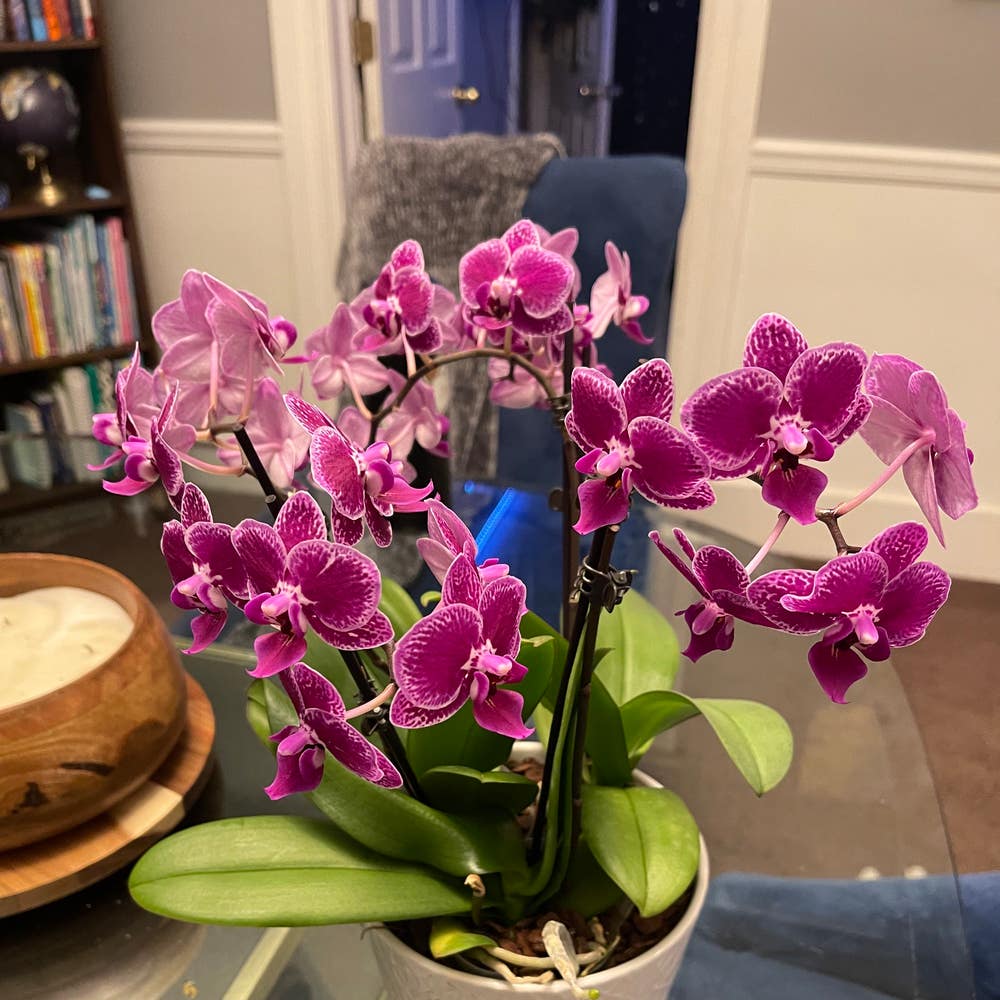
🌙 Determining What Might Be Eating Your Moon Orchid
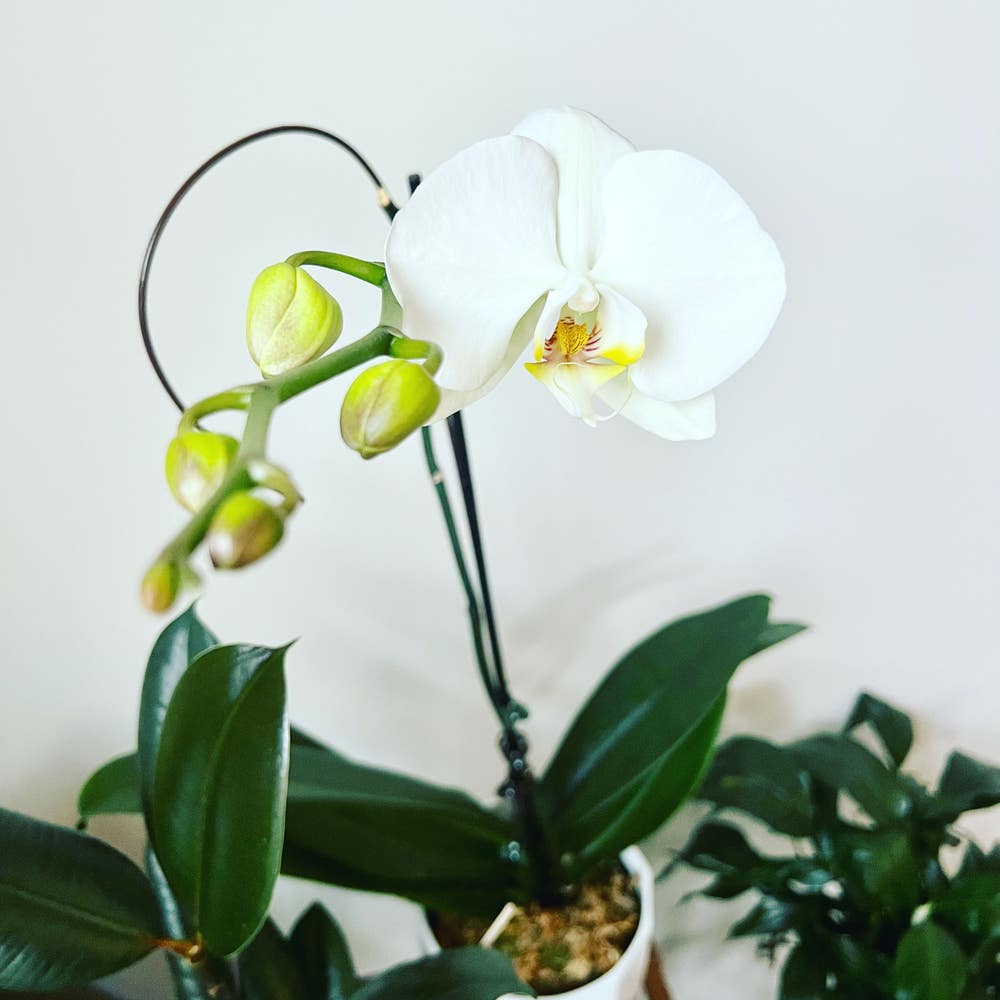
Phalaenopsis amabilis
By the Greg Editorial Team
Sep 30, 2024•6 min read
This article was created with the help of AI so we can cover more plants for you. May contain errors. See one? Report it here.
- 🦌🌱 Common herbivores like deer, rabbits, and squirrels threaten Moon Orchids' health.
- 🔍 Signs of damage include hoof prints and chewed foliage; monitor regularly for early detection.
- 🌼🐝 Encourage beneficial pollinators while deterring harmful herbivores for a balanced ecosystem.
Common Herbivores Affecting Moon Orchid
🦌 Deer
Signs of presence and damage caused
Deer can leave clear signs of their presence around your Moon Orchid. Look for hoof prints in the soil and evidence of browsing, such as leaves and flowers stripped from the plant.
Beneficial vs. harmful interactions
While deer may seem picturesque, they are generally harmful to Moon Orchids. Their feeding habits can decimate populations in gardens, leading to significant plant loss.
Deterrent methods
To keep deer at bay, consider using commercial deer repellents. Alternatively, planting strong-smelling herbs like lavender nearby can serve as an organic deterrent.
🐇 Rabbits
Signs of presence and damage caused
Rabbits leave behind small, round droppings near the plant, along with clean gnaw marks on leaves and stems. These signs indicate their feeding habits and potential damage.
Beneficial vs. harmful interactions
Rabbits are generally harmful to Moon Orchids, especially young plants. Their voracious appetites can lead to severe damage, stunting growth and reducing blooms.
Deterrent methods
For easy deterrence, rabbit repellents are readily available in garden stores. You can also use fencing that stands 2-3 feet high or apply predator urine to keep them away.
🐿️ Squirrels
Signs of presence and damage caused
Squirrels often leave chewed leaves and flowers as evidence of their feeding habits. Additionally, you may find signs of nesting in nearby trees.
Beneficial vs. harmful interactions
Like deer and rabbits, squirrels are generally harmful to Moon Orchids. Their feeding can cause significant damage, impacting the plant's health and aesthetics.
Deterrent methods
Consider using squirrel repellents as a chemical deterrent. Installing motion-activated sprinklers can also serve as an effective organic method to scare them off.
🐦 Birds
Signs of presence and damage caused
Birds can be both friends and foes. Look for peck marks on flowers and leaves, along with signs of nesting behavior nearby.
Beneficial vs. harmful interactions
Birds have mixed interactions with Moon Orchids. While some species help with pollination, others may damage flowers, making their presence a double-edged sword.
Deterrent methods
To protect your orchids, use bird-safe repellents as a chemical deterrent. Reflective tape or scare devices can also help keep the more destructive birds at bay.
🐭 Rodents and Groundhogs
Signs of presence and damage caused
Rodents and groundhogs often leave small burrows near the plant, along with chewed foliage and stems. These signs indicate their presence and potential threat.
Beneficial vs. harmful interactions
Generally, these creatures are harmful to Moon Orchids. Their feeding habits can lead to plant decline, making them a significant concern for gardeners.
Deterrent methods
For a more challenging deterrent, consider using rodent poisons, but exercise caution. Organic methods like traps, natural predators (like cats), and fencing at least 3 feet high can also be effective.
Understanding these common herbivores is crucial for protecting your Moon Orchids. By implementing the right deterrent methods, you can create a thriving environment for your plants while minimizing damage from these unwelcome visitors.
Beneficial Animals and Ecological Role
🐝 Pollinators: Nature's Helpers
Bees and butterflies are essential pollinators for the Moon Orchid. Their visits not only aid in reproduction but also enhance the overall health of your garden.
🐞 Predatory Insects: Natural Pest Controllers
Ladybugs and lacewings are predatory insects that help keep harmful pests in check. By attracting these beneficial creatures, you can maintain a balanced ecosystem.
🌱 Positive Impacts on the Garden Ecosystem
The presence of these beneficial animals leads to enhanced pollination. This results in better seed production and a more vibrant garden.
Additionally, natural pest control reduces the need for chemical interventions. This not only protects your plants but also promotes a healthier environment.
Incorporating these beneficial species into your garden can create a thriving ecosystem. By fostering their presence, you contribute to a sustainable and flourishing landscape.
As you cultivate your Moon Orchids, remember the importance of these allies. Their roles are vital in maintaining the health and beauty of your garden.
Next, let’s explore general strategies for protecting your Moon Orchids from herbivores while nurturing this delicate balance.
General Strategies for Protection
🛡️ Preventive Measures for Protecting Moon Orchid
To keep your Moon Orchids thriving, regular monitoring is essential. Check for signs of herbivore activity, such as droppings or damaged leaves, to catch any issues early.
Creating a diverse garden ecosystem can also work wonders. By attracting beneficial animals, you can enhance the natural balance and reduce the chances of herbivore damage.
⚠️ Reactive Solutions for Managing Animal Interactions
If you notice damage, act quickly. Remove any affected parts of the plant to deter further attraction from herbivores.
Using barriers and traps can be effective as well. Consider installing fencing or traps to manage unwanted visitors while keeping your garden safe.
🌱 Balancing Plant Protection with Ecosystem Health
It's crucial to strike a balance between protecting your plants and fostering a healthy ecosystem. Encourage beneficial species, like pollinators and predatory insects, while managing harmful ones.
This approach not only safeguards your Moon Orchids but also enriches your garden environment. By promoting biodiversity, you create a more resilient and vibrant space for all living things.
As you implement these strategies, you'll find that a little effort goes a long way in maintaining the health of your Moon Orchids and the surrounding ecosystem.
Seasonal Considerations
🐾 Seasonal Variations in Animal Attraction
Understanding the seasonal patterns of herbivore activity is crucial for protecting your Moon Orchid. In spring and early summer, as plants burst into life, herbivores become more active, drawn by the tender new growth.
During these vibrant months, you may notice increased visits from deer, rabbits, and other hungry critters. Conversely, as winter approaches, many of these animals enter a state of dormancy, significantly reducing the risk of damage to your orchids.
⏰ Timing of Plant Vulnerability
The vulnerability of your Moon Orchid peaks during its active growth periods. Young shoots and delicate flowers are particularly susceptible to herbivore munching, making vigilance essential.
Regular monitoring during these critical times can help you catch any signs of damage early. By staying alert, you can take proactive steps to safeguard your plants and ensure they thrive throughout the growing season.
As you prepare for the changing seasons, consider how these insights can guide your protective strategies. Next, we’ll explore the toxicity of Moon Orchids and how it affects interactions with herbivores.
Toxicity and Safety
Moon Orchids possess mild toxicity, which can lead to gastrointestinal upset in some herbivores. This characteristic can be a double-edged sword, as it may deter certain animals from munching on your prized plants.
Understanding this toxicity is crucial for managing animal interactions effectively. By knowing which animals might be affected, you can better strategize how to protect your Moon Orchids while maintaining a healthy garden ecosystem.
This knowledge not only aids in safeguarding your plants but also fosters a deeper appreciation for the delicate balance of nature. With the right approach, you can enjoy the beauty of your Moon Orchids while minimizing unwanted herbivore attention.
As we move forward, let’s explore general strategies for protecting your Moon Orchids from herbivores while promoting a thriving garden environment.
⚠️ Safety First
This content is for general information and may contain errors, omissions, or outdated details. It is not medical, veterinary advice, or an endorsement of therapeutic claims.
Always consult a qualified healthcare professional before using any plant as food, medicine, or supplement.
Never eat any plant (or feed one to pets) without confirming its identity with at least two trusted sources.
If you suspect poisoning, call Poison Control (800) 222-1222, the Pet Poison Helpline (800) 213-6680, or your local emergency service immediately.
Spotted an error? Please report it here.
Protect your Moon Orchids from herbivores with smart strategies 🦌 and let Greg provide personalized care tips and reminders to help your plants thrive in a balanced ecosystem!