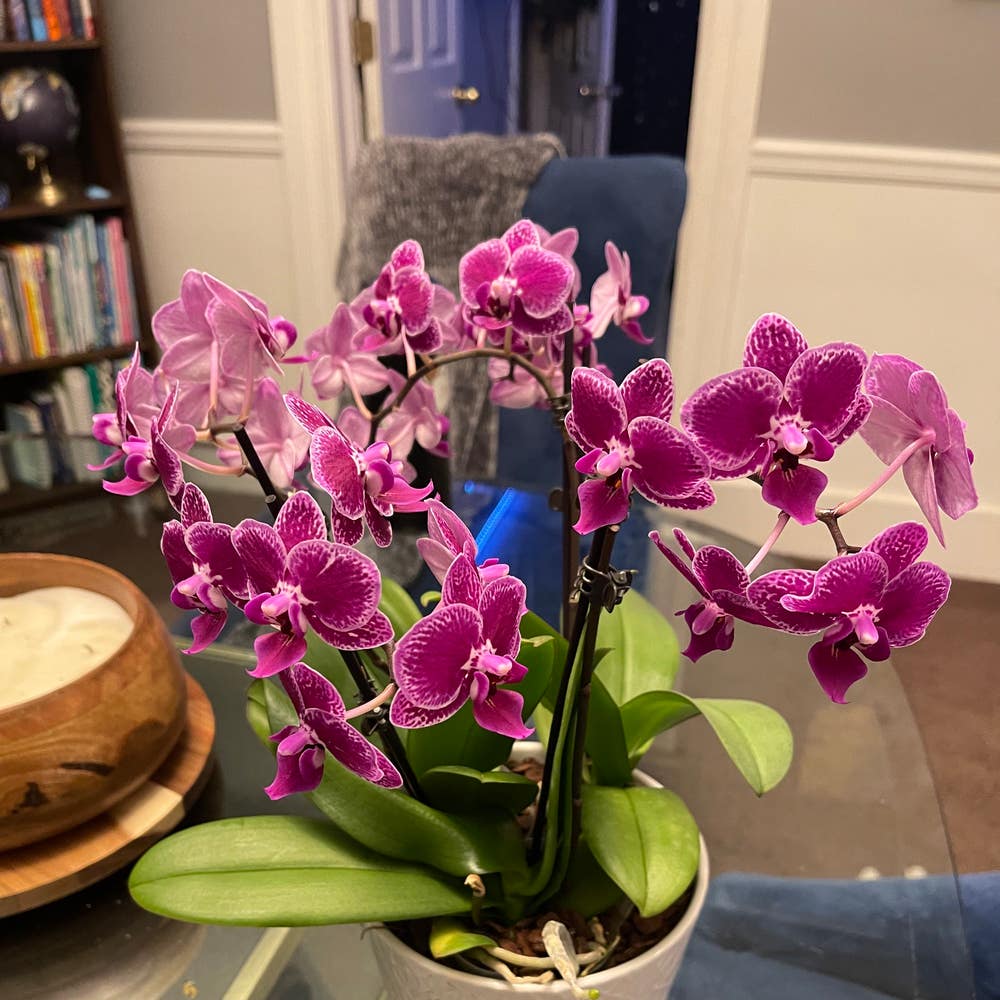
🌙 8 Companions to Boost Your Moon Orchid's Growth
Phalaenopsis amabilis
By the Greg Editorial Team
Sep 30, 2024•4 min read
This article was created with the help of AI so we can cover more plants for you. May contain errors. See one? Report it here.
- 🌱 Bromeliads and ferns boost Moon Orchid growth with ideal humidity and light conditions.
- 🌼 Companion plants like Peace Lilies and Spider Plants deter pests and enhance aesthetics.
- 🎨 Thoughtful arrangements create a beautiful garden while promoting healthy Moon Orchid growth.
Best Companion Plants for Moon Orchid
🌺 Bromeliads
Bromeliads are tropical plants that thrive in the same humidity and light conditions as Moon Orchids. They not only provide additional humidity but also add vibrant colors, enhancing the visual appeal of your garden.
🍃 Ferns
Ferns are shade-loving plants that perfectly complement the needs of Moon Orchids. They help maintain moisture levels, creating a lush and inviting environment.
🌼 Peace Lily
The Peace Lily is a popular houseplant with care requirements similar to those of Moon Orchids. It purifies the air and creates a humid microclimate, benefiting both plants.
🕷️ Spider Plant
Spider Plants are hardy and thrive in indirect light, making them ideal companions. They deter pests like aphids and mealybugs while enhancing garden diversity.
🌿 Pothos
Pothos is a versatile vine that can adapt to various conditions. It increases humidity and provides a cascading visual effect, making it a great addition to your plant collection.
🍂 Calathea
Known for its striking foliage, Calathea loves humidity just like Moon Orchids. It enhances aesthetic appeal while helping to maintain moisture levels in the surrounding environment.
🌸 African Violet
African Violets are flowering houseplants that thrive in similar light conditions as Moon Orchids. They add vibrant color and attract pollinators, enriching the diversity of your garden.
🌱 Peperomia
Peperomia are compact plants that prefer similar humidity levels to Moon Orchids. They contribute to a diverse garden and assist in pest management, making them a smart choice for companion planting.
These companion plants not only support the growth of Moon Orchids but also create a thriving, visually appealing garden. Next, we'll explore how these plants can help manage pests effectively.
Pest Management
🌱 Deter Pests with Companion Plants
Companion plants are nature's little helpers. They possess natural pest-repellent properties that can keep your Moon Orchids safe from unwanted visitors.
These plants work together to create a balanced ecosystem. By attracting beneficial insects and repelling harmful ones, they help maintain a healthy environment for your orchids.
🐞 Specific Pest-Repellent Properties
Certain companion plants are particularly effective against common pests like mealybugs and aphids. For instance, the Spider Plant is known to deter these pests while adding diversity to your garden.
Maintaining a pest-free environment is crucial for the health of your Moon Orchids. By strategically choosing companion plants, you can significantly reduce the risk of infestations and promote a thriving garden.
With the right companions, your Moon Orchids will flourish, free from the threat of pests. Now, let’s explore how to enhance the visual appeal of your arrangements!
Visual Appeal
Enhance visual appeal of arrangements 🌼
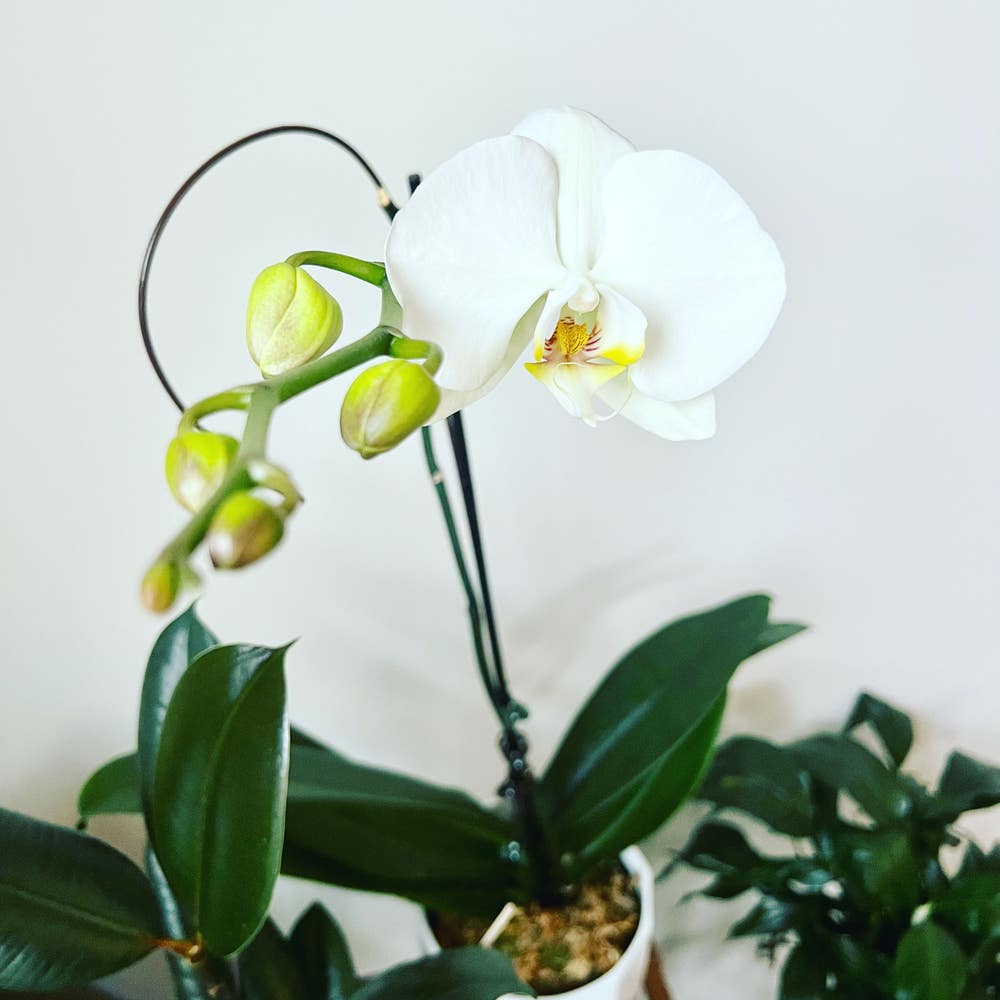
Creating a visually stunning garden is all about the interplay of color and texture. Companion plants can elevate your Moon Orchid's aesthetic by providing a harmonious backdrop that enhances its beauty.
Suggestions for combinations 🎨
Consider pairing vibrant blooms with lush foliage to create a striking contrast. Mixing plants with different leaf shapes and colors adds depth and interest, making your garden a feast for the eyes.
For instance, combining the bright flowers of African Violets with the rich greens of Ferns can create a captivating display. Alternatively, using the bold patterns of Calathea alongside the cascading vines of Pothos can bring a dynamic element to your arrangement.
By thoughtfully selecting companion plants, you not only boost the visual appeal but also create a thriving environment for your Moon Orchid. This attention to design can transform your space into a vibrant oasis, inviting admiration and joy.
As you explore these combinations, consider how each plant contributes to the overall atmosphere. The right mix can inspire tranquility and beauty, setting the stage for your Moon Orchid to flourish.
Next, let’s delve into the importance of pest management and how companion plants can help maintain a healthy ecosystem for your orchids.
Plants to Avoid
🚫 List of Plants to Avoid
When cultivating your Moon Orchid, it's crucial to steer clear of certain plants. Avoid species like cacti, succulents, and certain herbs such as rosemary and sage. These plants often compete for resources and can disrupt the delicate balance needed for your orchid's growth.
⚠️ Explanation of Detriments
Certain plants can hinder your Moon Orchid's growth by attracting pests or competing for light and nutrients. For instance, cacti and succulents thrive in dry conditions, which can deprive your orchid of the humidity it craves.
Overcrowding is another concern. When plants vie for space, they can block light and air circulation, leading to unhealthy conditions. Keeping your Moon Orchid in a well-planned arrangement ensures it receives the care it needs to flourish.
By avoiding these incompatible plants, you can create a thriving environment for your Moon Orchid. This thoughtful selection not only promotes healthy growth but also enhances the overall beauty of your garden.
Next, let’s explore how to enhance the visual appeal of your arrangements with the right companion plants.
⚠️ Safety First
This content is for general information and may contain errors, omissions, or outdated details. It is not medical, veterinary advice, or an endorsement of therapeutic claims.
Always consult a qualified healthcare professional before using any plant as food, medicine, or supplement.
Never eat any plant (or feed one to pets) without confirming its identity with at least two trusted sources.
If you suspect poisoning, call Poison Control (800) 222-1222, the Pet Poison Helpline (800) 213-6680, or your local emergency service immediately.
Spotted an error? Please report it here.
Enhance your Moon Orchid's growth with thoughtful companions 🌿 like ferns and bromeliads, and let Greg provide you with personalized care reminders to keep your garden flourishing beautifully!