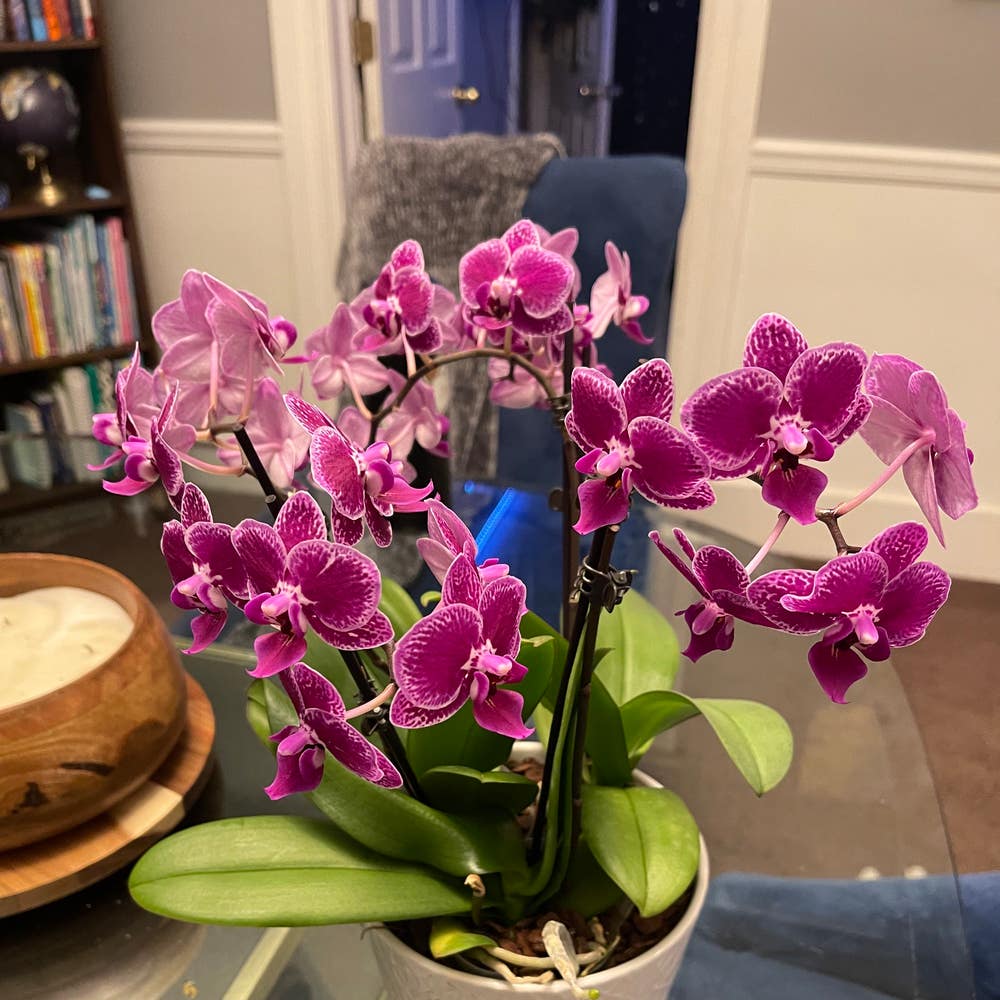
🌙 5 Tips for Fixing Flower Problems in Moon Orchid
Phalaenopsis amabilis
By the Greg Editorial Team
Sep 30, 2024•5 min read
This article was created with the help of AI so we can cover more plants for you. May contain errors. See one? Report it here.
- 🌞 Bright, indirect light for 12-14 hours daily is crucial for blooming success.
- 🌡️ Stable temperatures between 20°C-30°C ensure healthy flower production in Moon Orchids.
- 🌿 Balanced orchid fertilizer every 2-4 weeks prevents nutrient deficiencies and boosts blooms.
Failure to Bloom
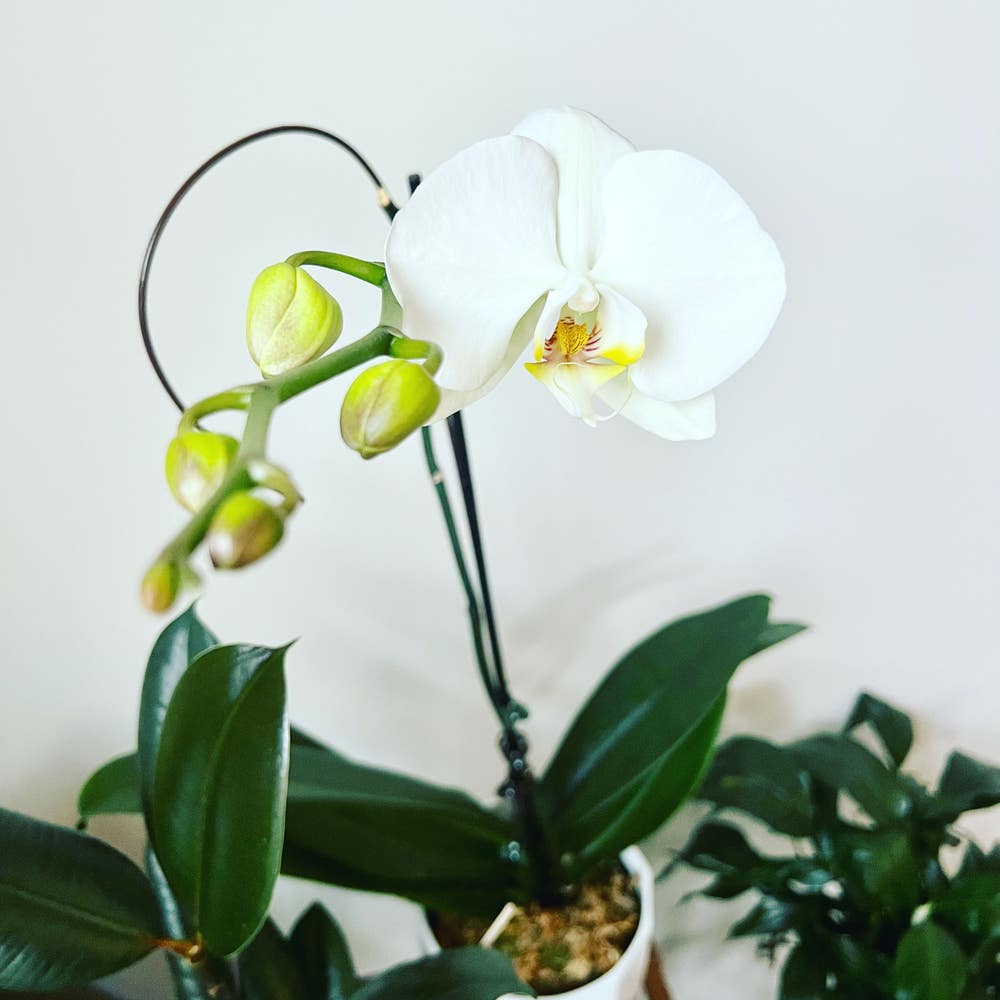
🌞 Causes
Light Issues
Insufficient light can significantly hinder the bloom cycle of your Moon Orchid. Orchids thrive in bright, indirect light, and without it, they may fail to produce flowers.
Temperature Fluctuations
Temperature plays a crucial role in flowering. The ideal range for Moon Orchids is between 20°C to 30°C (68°F to 86°F); any drastic changes can disrupt their blooming process.
Nutrient Deficiencies
A lack of essential nutrients can also affect flower development. If your orchid isn't getting the right balance of nutrients, it may struggle to bloom.
💡 Solutions
Adjusting Light Exposure
To encourage blooming, provide your orchid with 12-14 hours of bright, indirect light daily. This will help stimulate the necessary processes for flower production.
Temperature Control
Maintain stable temperatures to avoid stressing your plant. Keep it away from drafts and sudden temperature changes to create a comfortable environment.
Fertilization
Using a balanced orchid fertilizer every 2-4 weeks during the growing season can make a world of difference. This ensures your plant receives the nutrients it needs to thrive and bloom.
By addressing these common causes and implementing these solutions, you can help your Moon Orchid flourish and produce beautiful blooms. Next, let’s explore the issue of premature flower drop and how to tackle it effectively.
Premature Flower Drop
🧐 Causes
Premature flower drop in Moon Orchids can be frustrating. One major culprit is environmental stress; sudden changes in humidity or temperature can shock the plant, causing buds to fall off.
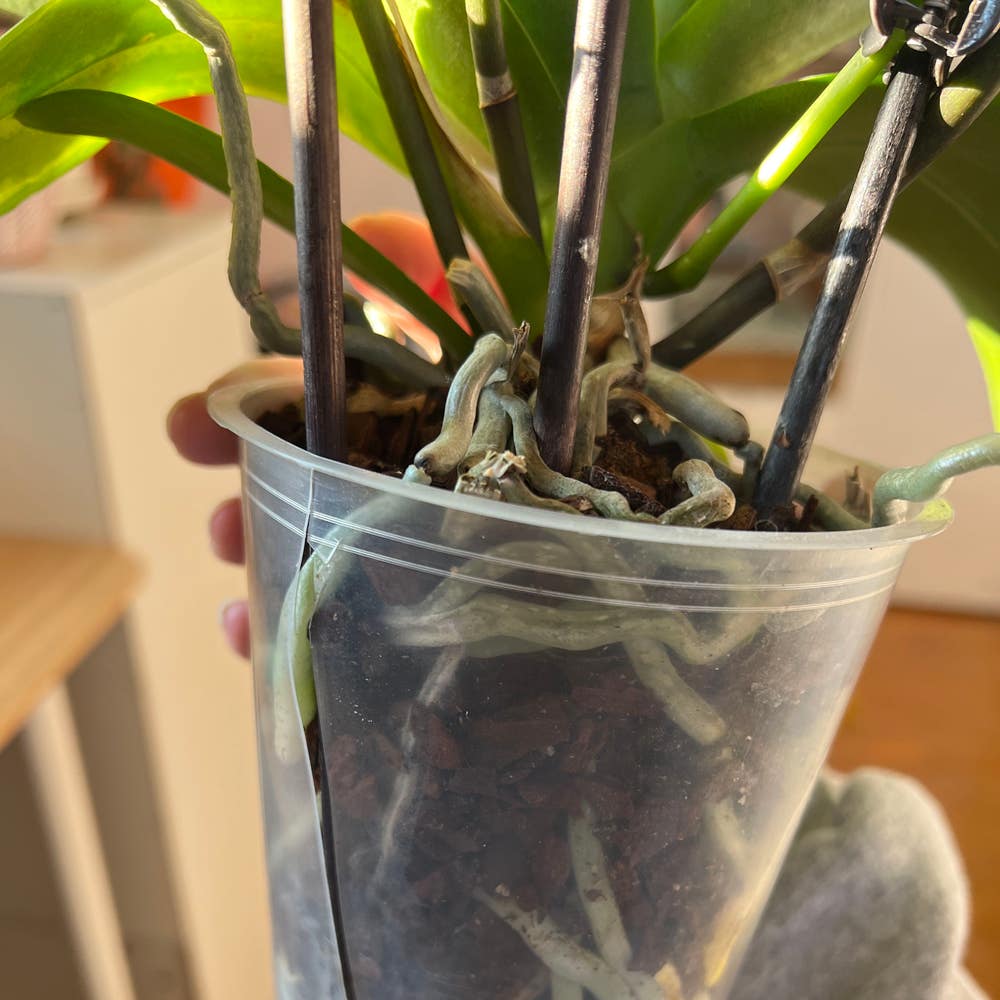
Overwatering is another common issue. Excess moisture can lead to root rot, which weakens the plant and results in flower drop. Additionally, pests can infest your orchid, draining its vitality and leading to premature blooms falling off.
🛠️ Solutions
To combat these issues, start with proper watering techniques. Allow the top inch of the medium to dry out before watering again, ensuring your orchid isn’t sitting in soggy soil.
Pest management is crucial as well. Regularly inspect your plant for any signs of pests and treat infestations promptly with insecticidal soap or neem oil.
Lastly, make environmental adjustments. Aim to maintain consistent humidity levels between 50-70% and avoid sudden temperature changes to keep your orchid thriving.
By addressing these causes and implementing these solutions, you can help your Moon Orchid flourish and enjoy its beautiful blooms for longer.
🔄 Transition to Next Topic
With a better understanding of premature flower drop, let’s explore how pruning techniques can enhance flowering and overall plant health.
Abnormal Flower Development
🧬 Causes
Abnormal flower development in Moon Orchids can stem from several factors. Genetic issues may lead to inherent problems affecting flower quality.
Nutrient imbalances also play a significant role. An excess or deficiency of specific nutrients can result in blooms that are less than ideal.
Light conditions are crucial as well. Inadequate or excessive light can distort the shape and color of the flowers, impacting their overall appearance.
🛠️ Solutions
To combat these issues, ensuring proper nutrition is essential. Using a specialized orchid fertilizer can help balance nutrient levels effectively.
Adjusting light exposure is another key solution. Providing optimal light conditions will promote healthy flower development and enhance bloom quality.
By addressing these factors, you can significantly improve the chances of achieving beautiful blooms in your Moon Orchid.
As you work on these adjustments, remember that patience is key. With the right care, your orchid can thrive and produce stunning flowers.
Next, let’s explore effective pruning techniques that can further enhance flowering in your Moon Orchid.
Pruning Techniques for Better Flowering
When and How to Prune 🌱
Pruning your Moon Orchid is essential for encouraging healthy growth. The best time to prune is right after the flowering period ends.
To prune effectively, cut back to the node or stem. This technique promotes new growth and prepares your orchid for its next blooming cycle.
Impact of Pruning on Flower Production 🌸
Proper pruning can significantly stimulate new blooms. By removing dead or damaged stems, you enhance the overall health of your plant.
Healthy plants are more likely to produce vibrant flowers. Regular pruning not only improves aesthetics but also boosts flower production, ensuring your Moon Orchid thrives.
With these pruning techniques, you’re well on your way to a flourishing orchid. Next, let’s explore the environmental factors that influence flowering.
Environmental Factors Influencing Flowering
🌡️ Temperature and Humidity Requirements
To thrive, Moon Orchids need specific environmental conditions. Aim to maintain temperatures between 20°C to 30°C (68°F to 86°F) and humidity levels of 50-70%.
These conditions are crucial for encouraging healthy blooms. Too much heat or cold can stress the plant, leading to poor flowering.
🌬️ Common Environmental Stressors
Drafts can be detrimental to your orchid's health. Avoid placing your Moon Orchid near open windows or air conditioning vents to prevent sudden temperature changes.
Additionally, sudden shifts in the environment can shock the plant. Gradual acclimatization is key to helping your orchid adjust without stress.
By ensuring the right temperature and humidity, you set the stage for vibrant blooms. Next, let's explore effective pruning techniques to further enhance your orchid's flowering potential.
⚠️ Safety First
This content is for general information and may contain errors, omissions, or outdated details. It is not medical, veterinary advice, or an endorsement of therapeutic claims.
Always consult a qualified healthcare professional before using any plant as food, medicine, or supplement.
Never eat any plant (or feed one to pets) without confirming its identity with at least two trusted sources.
If you suspect poisoning, call Poison Control (800) 222-1222, the Pet Poison Helpline (800) 213-6680, or your local emergency service immediately.
Spotted an error? Please report it here.
Transform your Moon Orchid into a blooming masterpiece 🌸 with Greg's customized care tips and watering reminders that ensure your plant thrives in its perfect environment!