🌜 What Temperature Does My Moon Orchid Need?
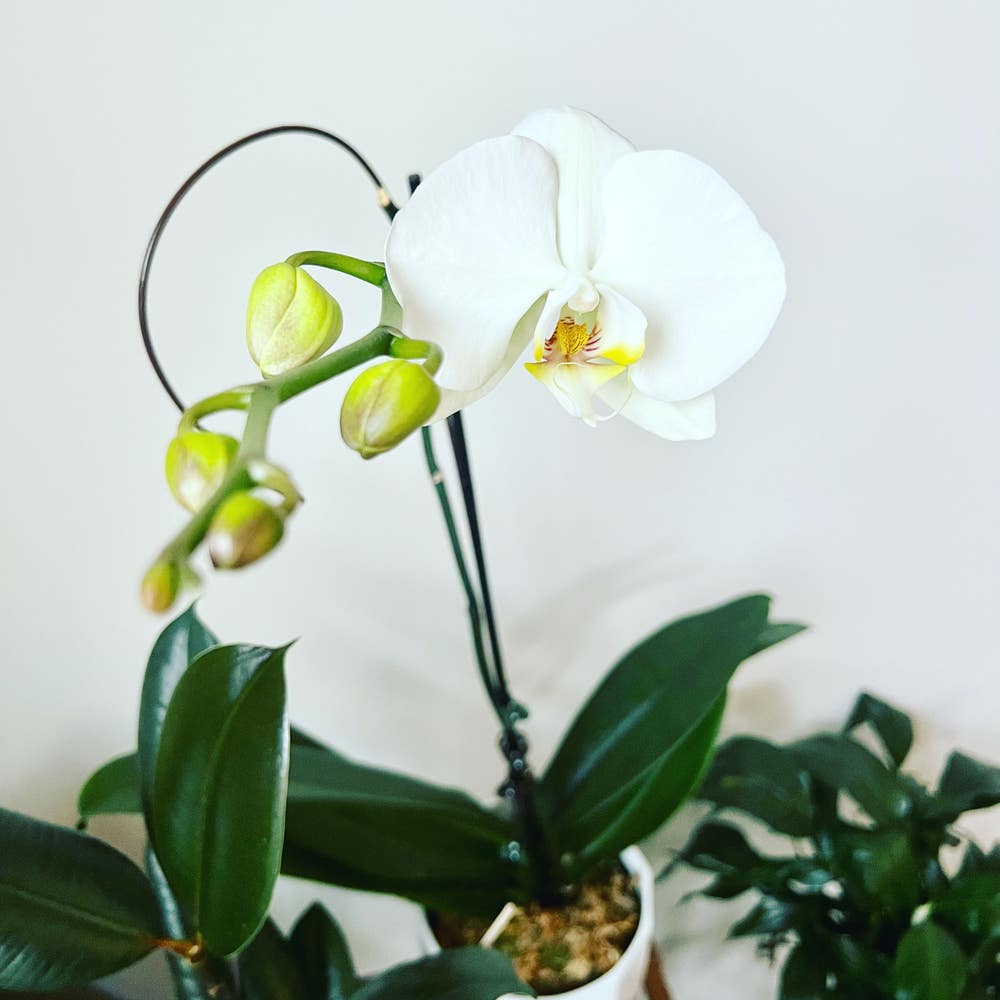
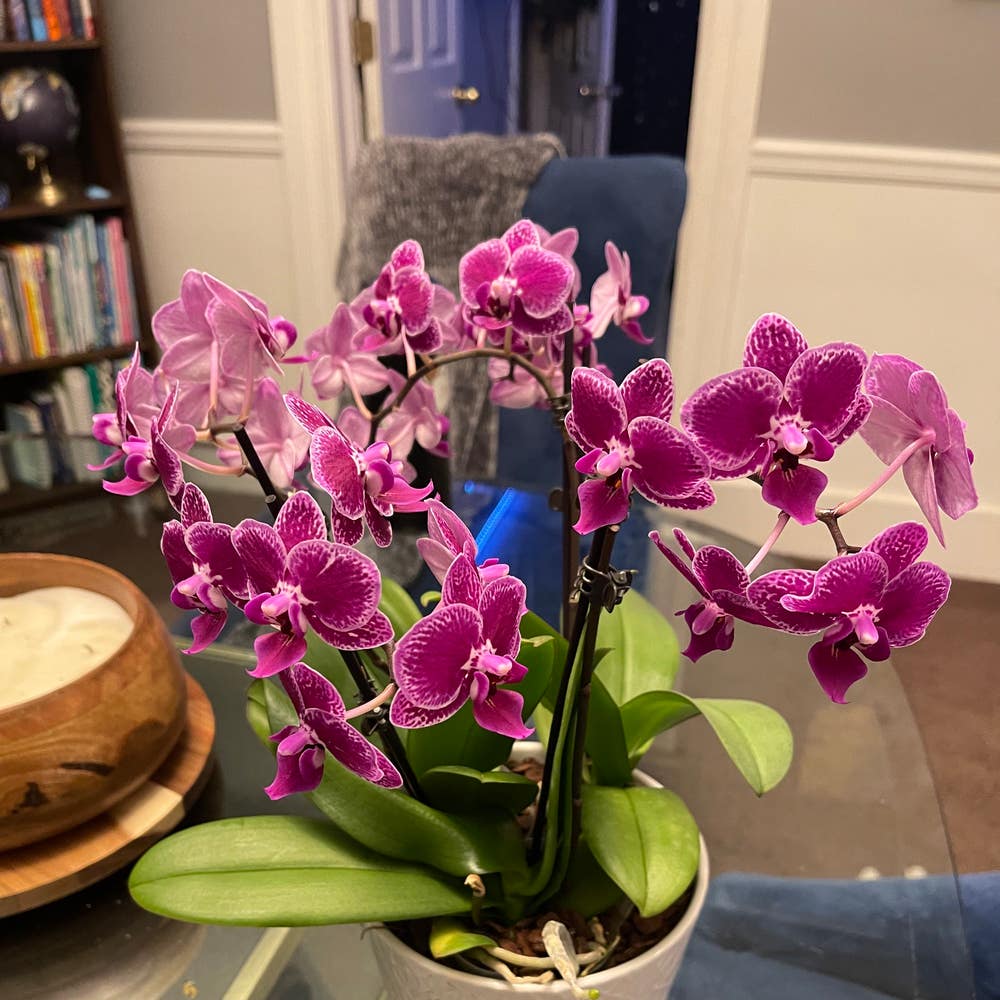
Phalaenopsis amabilis
By the Greg Editorial Team
Jun 18, 2024•4 min read
This article was created with the help of AI so we can cover more plants for you. May contain errors. See one? Report it here.
- 🌡️ Day 65-75°F, Night 55-65°F - Ideal temperature range for Moon Orchids.
- 🍂 Watch for curling, yellowing leaves - signs of temperature stress.
- 💨 Air circulation and humidity (40-70%) are key to orchid health.
Hitting the Sweet Spot: Moon Orchid Temperature Needs
🌡️ Ideal Temperature Range for Thriving Orchids
Moon Orchids flourish in daytime temperatures of 65-75°F (18-24°C) and prefer it cooler at night, around 55-65°F (13-18°C). This range is crucial for their growth and especially for triggering the bloom cycle.
What Happens When It's Too Hot or Too Cold?
When temperatures soar above 85°F (29°C) or dip below 55°F (13°C), Moon Orchids can suffer. Heat stress can cause black rot and leaf-tip dieback, while cold can lead to stunted growth and a lack of blooms. A consistent 10-15°F drop at night is key to their metabolic balance, crucial for storing energy rather than wasting it. Too warm nights or insufficient day/night fluctuations often lead to a no-show in flowering.

Spotting Trouble: Signs of Temperature Distress
🌡️ Visual SOS: What Your Moon Orchid is Telling You
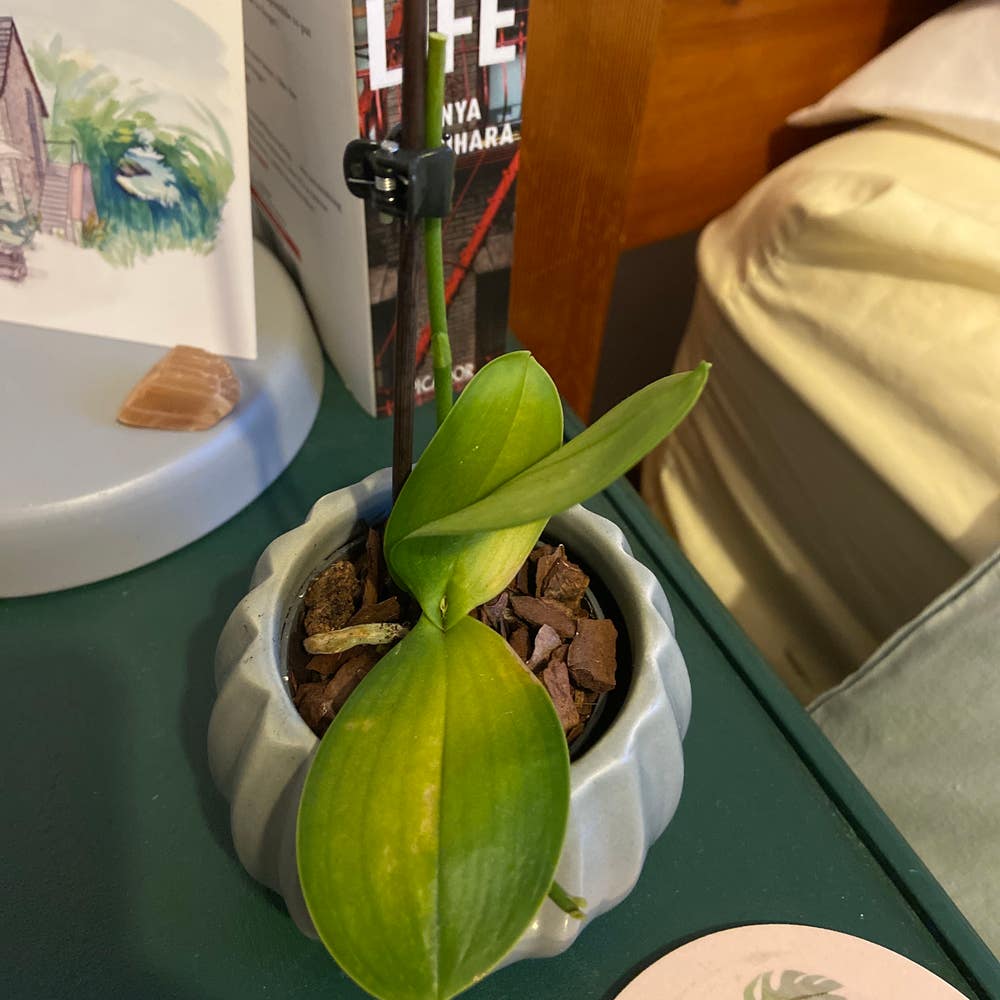
Leaf changes and bud issues are red flags for temperature stress in Moon Orchids. Look for leaves that are curling or turning yellow, which may progress to brown as they die off. Sunburn can show up as reddish-purple freckles or spots on leaves and pseudobulbs. If pseudobulbs appear shriveled, it's a sign of dehydration. Leaves that feel leathery indicate severe desiccation.
🚨 When to Act: Responding to Stress Signals
At the first sign of stress, increase air circulation and shading to cool the orchid down. If the leaves are warm to the touch, it's time to act. Hydration is key, so ensure your Moon Orchid is getting enough water without becoming waterlogged. In the case of cold stress, look for leaves turning a dark, mushy brown or black, and move your plant to a warmer spot immediately. Remember, the goal is to mimic the orchid's natural, tropical environment as closely as possible.

Keeping It Cool (or Warm): Managing Moon Orchid Temperatures
🌡️ Protecting from the Extremes
Moon Orchids are not fans of dramatic temperature swings. Indoors, you're the maestro, conducting a symphony of climate control. To shield your floral gem from the scorch of summer, use shades or sheer curtains. They're like sunglasses for your orchid, keeping it from squinting in the harsh light. In the icy grip of winter, keep your plant away from drafty windows. Think of it as giving your orchid a warm sweater, minus the itchiness.
🍂 Seasonal Shifts: Staying Ahead of the Game
As the seasons pirouette, your Moon Orchid's needs do a little dance of their own. Summer calls for a cooler spot, perhaps a north-facing window, where the sun's rays are a gentle caress rather than a slap. Come winter, your plant may crave a bit more warmth. Just a smidge. Like a cozy nook near a heater, but not too close—no one likes a hotfoot, least of all your orchid. Remember, consistency is your best friend; sudden changes are the awkward third wheel.

The Balancing Act: Temperature and Humidity
🌡️ A Quick Note on Humidity's Role
In the quest for Moon Orchid perfection, humidity is your stealthy sidekick. It's all about striking a balance; too much humidity and you're the captain of a moldy ship, too little and your orchid's thirst goes unquenched. Humidity works in tandem with temperature to create a microclimate that can make or break your orchid's health.
🌧️ Humidity Sweet Spot
Moon Orchids bask in humidity levels of 40% to 70%. This range is the sweet spot where their leaves stay lush and their blooms vibrant. If your home is more Sahara than Amazon, consider a humidity tray or group your plants to create a mini oasis. Remember, your orchid's not looking for a rainforest retreat, just a comfortable, humid nook.
💨 Air Movement: The Invisible Dance Partner
While humidity is key, air movement is the silent dance partner that keeps the atmosphere from becoming stagnant. A gentle fan or a cracked window can provide the air circulation needed to ward off the dreaded droops and sags in leaves and petals.
Real-World Tips
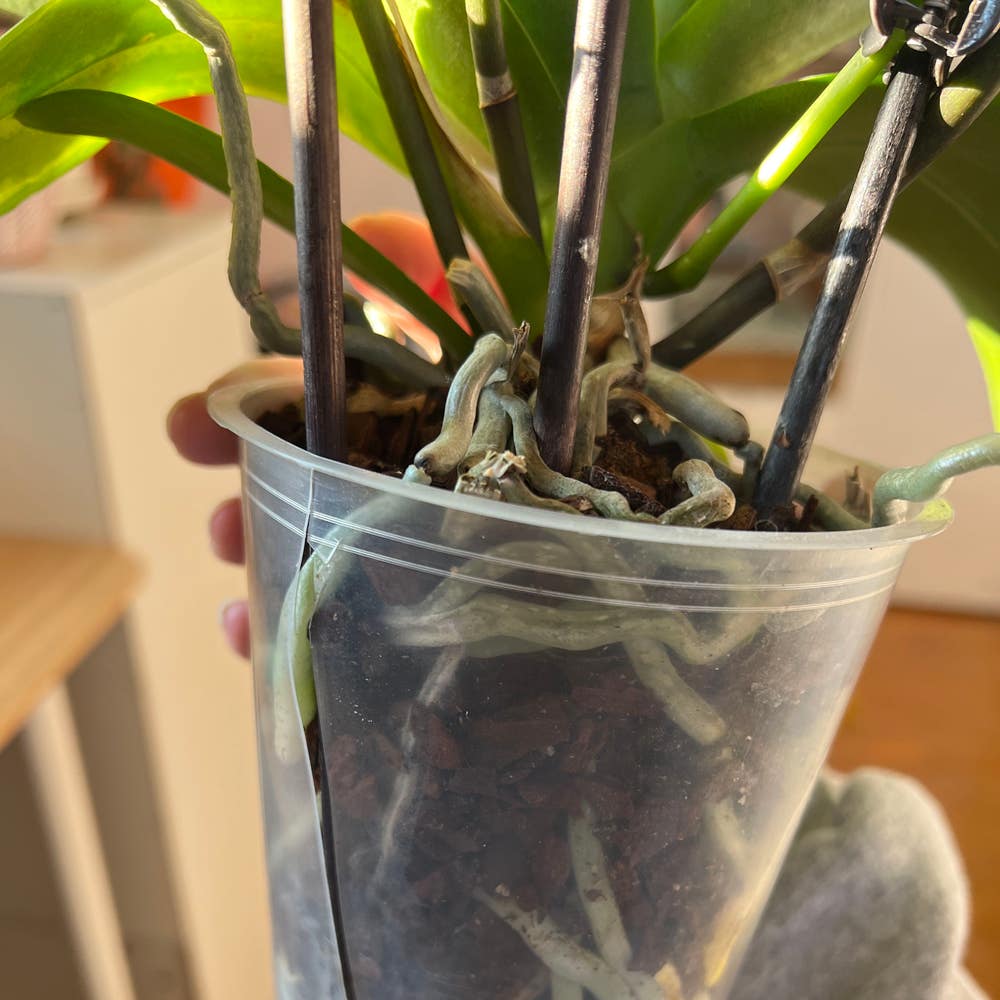
If your orchid's leaves could talk, they'd beg for that perfect humidity and temperature combo. Keep an eye out for telltale signs like wrinkled leaves or lackluster roots – these are your orchid's way of crying out for better air flow and moisture. And don't forget, a humidity meter can be your best friend, letting you dial in that perfect environment for your Moon Orchid to thrive.
⚠️ Safety First
This content is for general information and may contain errors, omissions, or outdated details. It is not medical, veterinary advice, or an endorsement of therapeutic claims.
Always consult a qualified healthcare professional before using any plant as food, medicine, or supplement.
Never eat any plant (or feed one to pets) without confirming its identity with at least two trusted sources.
If you suspect poisoning, call Poison Control (800) 222-1222, the Pet Poison Helpline (800) 213-6680, or your local emergency service immediately.
Spotted an error? Please report it here.
Keep your Moon Orchid in peak bloom 🌡️ by relying on Greg to monitor your home's environment and nudge you with custom care reminders.