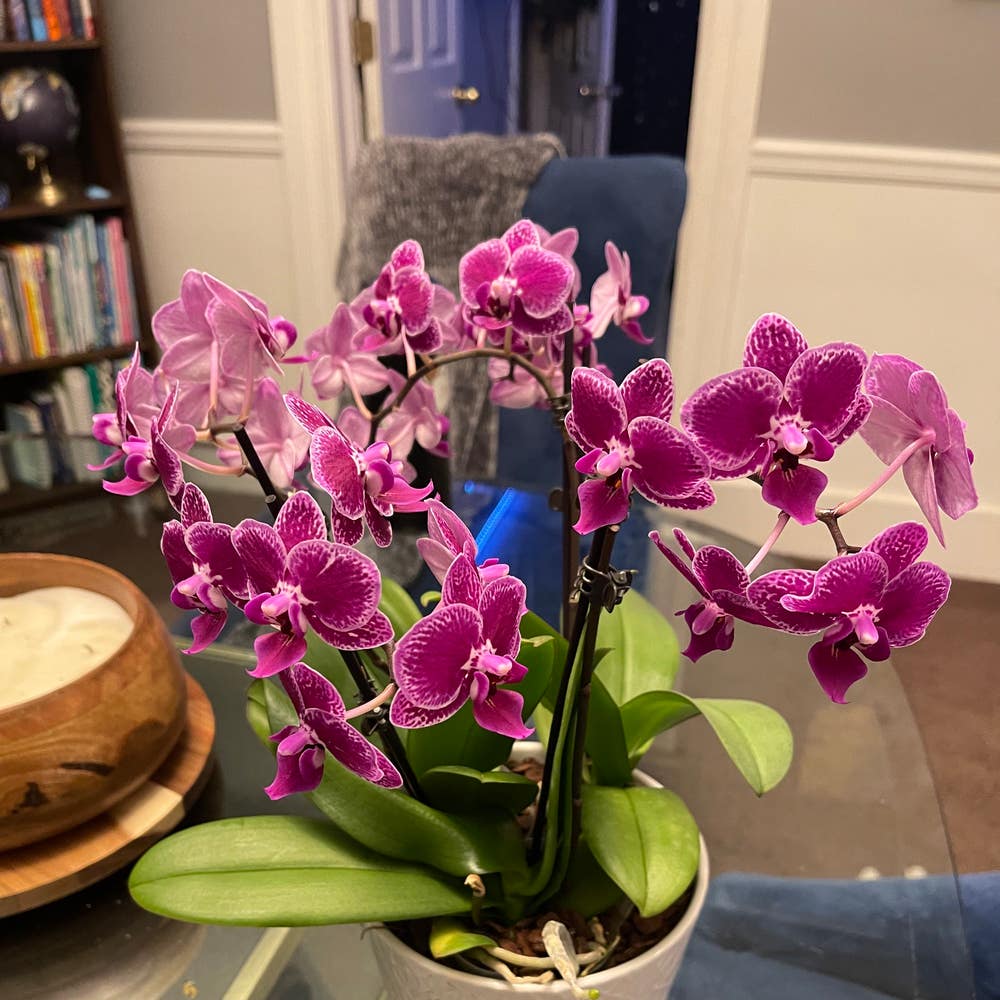
🌜 How Much Humidity Does My Moon Orchid Need?
Phalaenopsis amabilis
By the Greg Editorial Team
Jun 18, 2024•3 min read
This article was created with the help of AI so we can cover more plants for you. May contain errors. See one? Report it here.
- 🌺 Moon Orchids need high humidity for health and vibrant flowers.
- 🌡️ Use a hygrometer to monitor and adjust your orchid's humidity.
- 💨 Balance humidity with airflow to prevent fungal problems.
Dialing in the Perfect Humidity for Your Moon Orchid
🌿 Why Humidity Matters to Moon Orchids
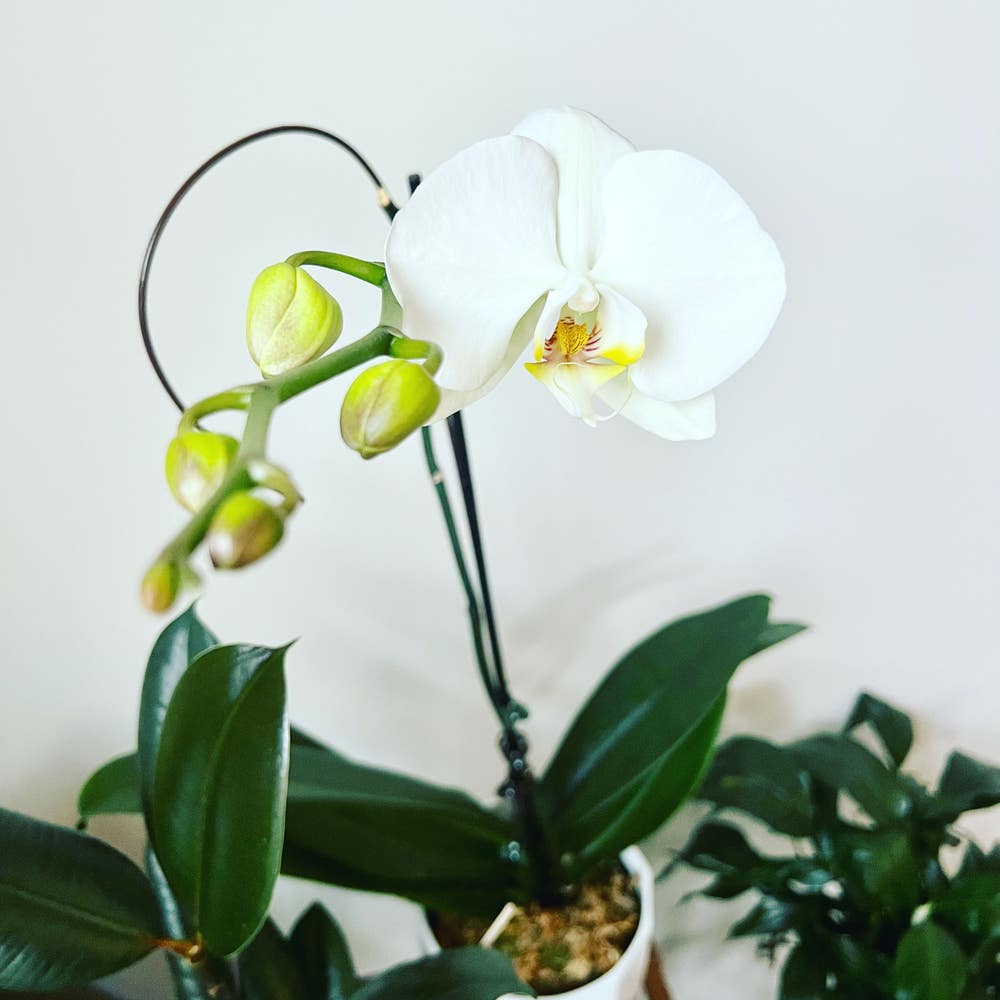
Moon Orchids, with their lush blooms and striking presence, are humidity aficionados. They thrive when the air mimics their tropical origins—moist and inviting. Humidity impacts everything from leaf health to the vibrancy of flowers. Too little, and you'll see your orchid's leaves wrinkle with distress; too much, and you risk fungal issues that can spell disaster.
Assessing Your Home's Humidity
🕵️♂️ The Hygrometer: Your Humidity Detective
To start, grab a hygrometer. It's not just a fancy gadget; it's an essential tool for any orchid enthusiast. Place it in your orchid's environment and let it do its thing. The numbers don't lie, and you'll soon know if you're in the orchid-approved humidity range of 55% to 75%.
Signs of Humidity Distress
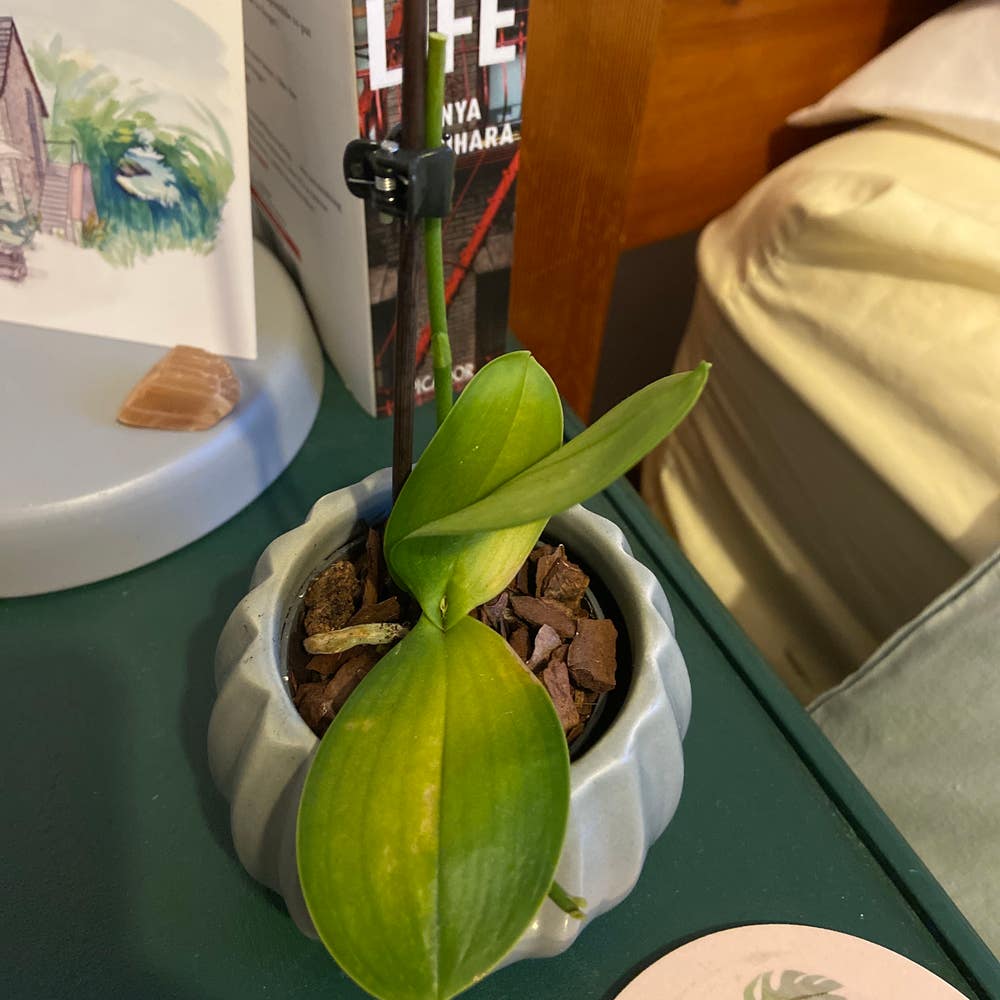
Keep an eye out for the tell-tale signs your Moon Orchid isn't happy with its humidity levels. Wrinkled leaves or bud blast—a condition where buds deform or drop before blooming—are clear cries for help. These symptoms are your orchid's way of saying, "I'm not okay," and it's time to take action.

Boosting Humidity for Happy Moon Orchids
💦 Creating a Humidity Haven
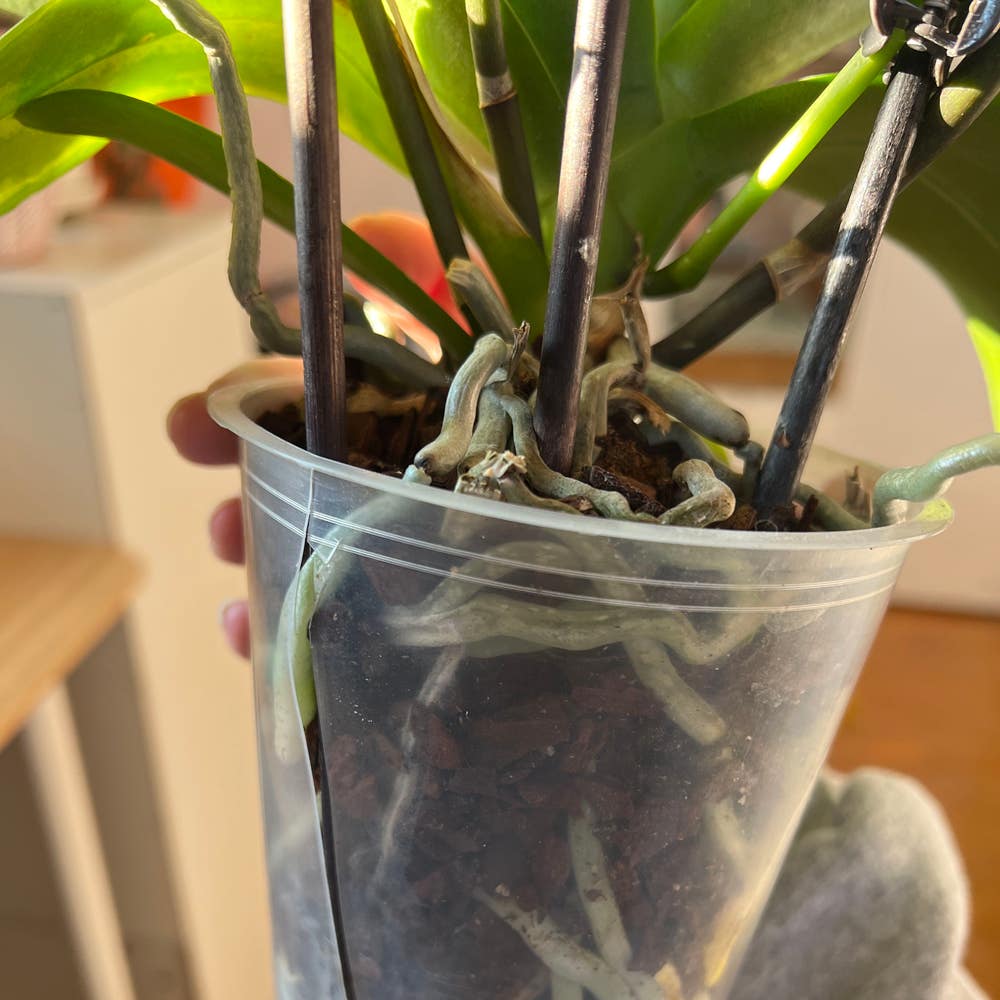
Creating a humidity haven for your Moon Orchid is simpler than you might think. Grouping plants together is like hosting a moisture mixer, where every leafy guest contributes to the ambient humidity. Water trays are another easy hack. Just fill a tray with pebbles, pour in some water, and set your plant on top. The water evaporates, wrapping your orchid in a gentle, moist embrace, without the roots getting soggy.
🌬️ High-Tech Humidity Helpers
When it comes to high-tech solutions, humidifiers are the unsung heroes of the plant world. They're like personal rainclouds for your green companions. Choose one that's quiet enough to forget it's there, and make sure it's the right size for your space. Running a humidifier can keep your Moon Orchid in that sweet spot of 60-80% humidity, without turning your living room into a tropical rainforest.
🌫️ The Mist-ery of Misting
Misting your Moon Orchid can be a bit of a mist-ery. It's a quick fix, a spritz of refreshment, but it's not a humidity strategy to lean on. Always mist in the morning, so the leaves have time to dry out. This prevents any unwanted fungal or bacterial parties from starting. Remember, misting is more of a garnish than the main course when it comes to humidity.

When There's Too Much of a Good Thing: Reducing Humidity
💨 Airflow is Your Ally
Creating a breeze in your plant's environment is key to combating excessive humidity. A strategically placed fan can simulate a natural wind, which is crucial for whisking away moisture and preventing the dreaded dampness that can lead to fungal issues. Ensure the fan is set to a gentle speed to avoid stressing the Moon Orchid with strong gusts.
🌬️ The Dehumidifier: Your Humidity Regulator
Dehumidifiers are the unsung heroes in the battle against high humidity. When selecting one, consider the size of your space to ensure it's capable without being overkill. Position it in the room but not directly next to your Moon Orchid to avoid creating a desert-like zone. Running a dehumidifier can help maintain an ideal humidity level, keeping your orchid's environment from turning into a tropical storm. Remember, it's all about finding that balance—too dry is just as bad as too wet.

⚠️ Safety First
This content is for general information and may contain errors, omissions, or outdated details. It is not medical, veterinary advice, or an endorsement of therapeutic claims.
Always consult a qualified healthcare professional before using any plant as food, medicine, or supplement.
Never eat any plant (or feed one to pets) without confirming its identity with at least two trusted sources.
If you suspect poisoning, call Poison Control (800) 222-1222, the Pet Poison Helpline (800) 213-6680, or your local emergency service immediately.
Spotted an error? Please report it here.
Ensure your Moon Orchid flourishes 🌺 with Greg's tailored care reminders, helping you strike the perfect humidity balance for vibrant blooms.