10 Advantages of Having a Moon Orchid
Phalaenopsis amabilis
By the Greg Editorial Team
Jun 15, 2024•5 min read
This article was created with the help of AI so we can cover more plants for you. May contain errors. See one? Report it here.
- Long-lasting blooms enhance your space for up to three months.
- Natural air purifiers, Moon Orchids filter out harmful toxins.
- Low maintenance: Thrives with indirect light and minimal watering.
Long-Lasting and Beautiful Flowers
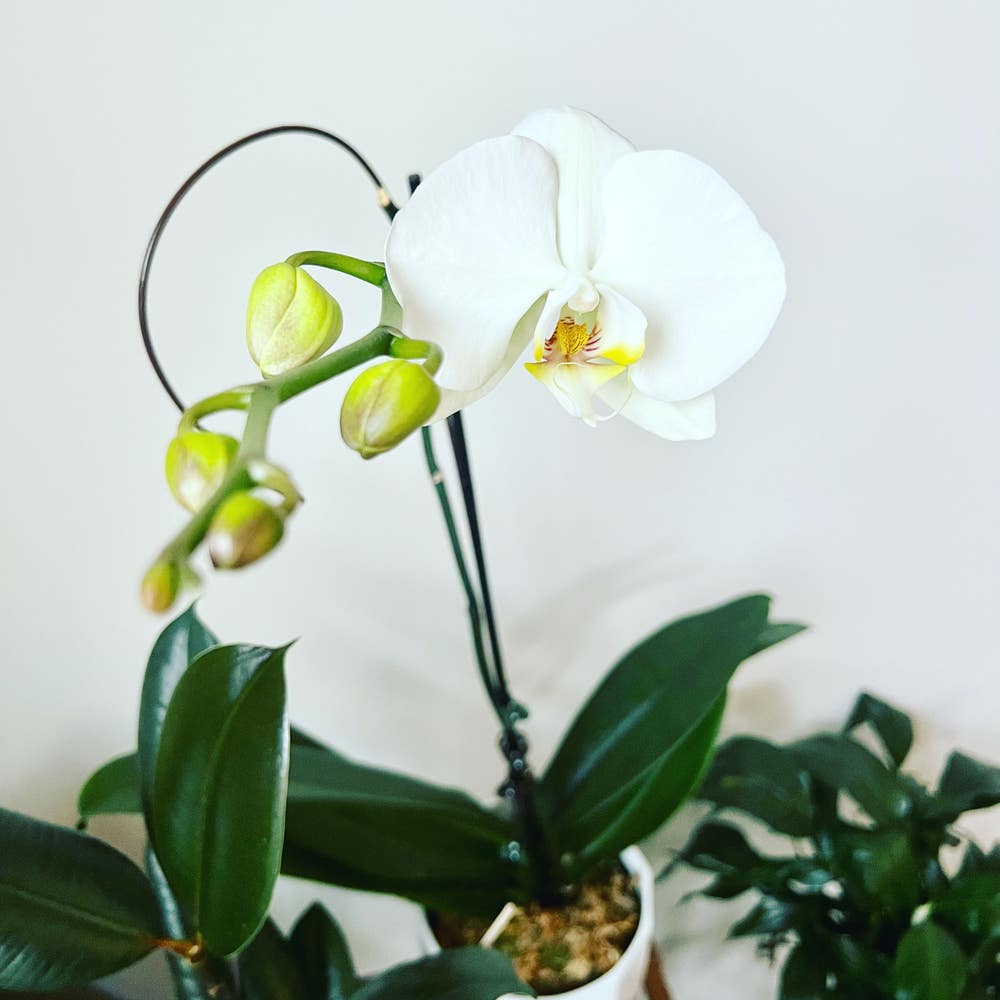
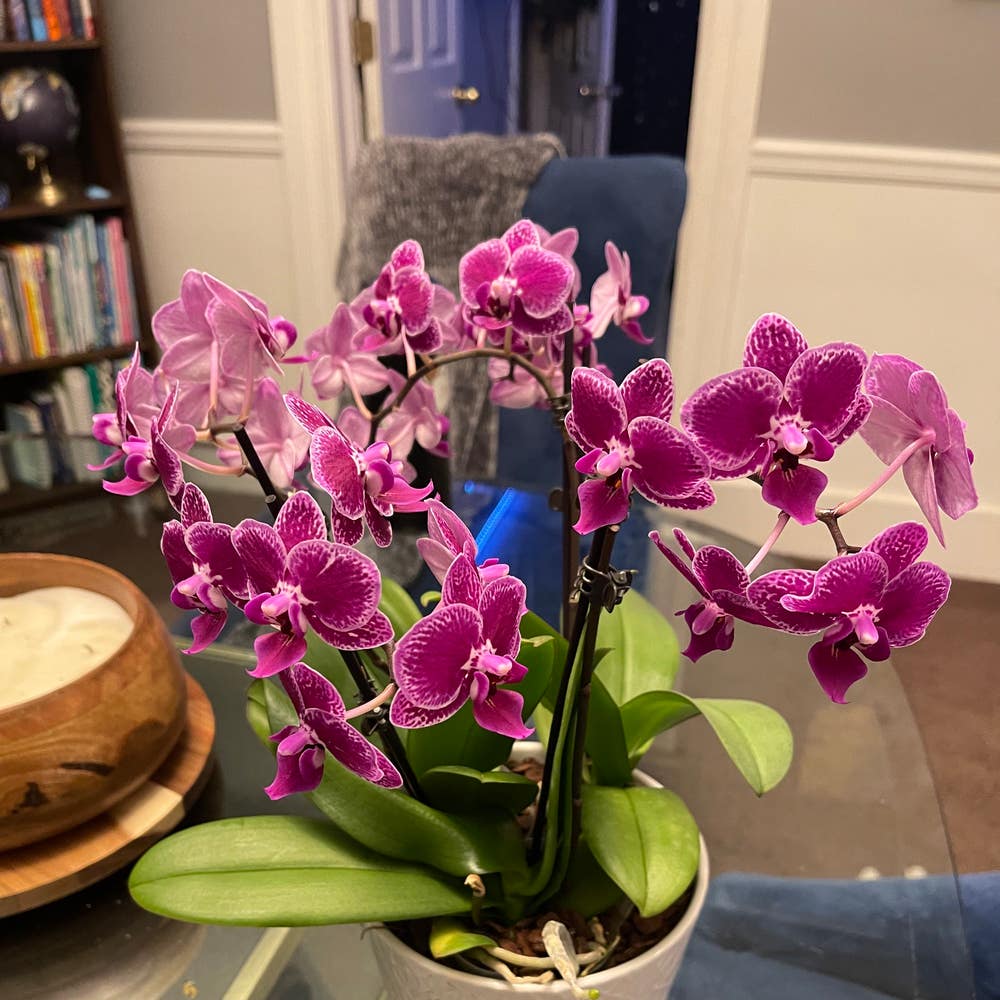
The Moon Orchid stands out with its moth-like blooms that can grace your living space for up to three months. This longevity is a stark contrast to the fleeting beauty of cut flowers and makes the Moon Orchid a practical choice for sustained indoor elegance.
🌸 Striking Appearance
The Moon Orchid's flowers are a visual spectacle. Each arching spike can carry multiple blooms, creating a dramatic effect that rivals any sophisticated decor. Their variety of colors ensures they fit any room's palette, from minimalist whites to vibrant purples.
🎨 Aesthetic Appeal
Imagine a living piece of art that refreshes your home's aesthetic for weeks on end. That's the Moon Orchid's promise. Its long-lasting flowers not only brighten spaces but also serve as natural ornaments, reducing the need for frequent decorative changes.

Air-Purifying Properties
🌿 Orchids: Nature's Air Filters
Moon Orchids don't just sit there looking pretty—they're hard at work. These plants are like a natural air purifier, pulling nasties like formaldehyde and xylene out of your air. Think of them as silent, leafy guardians keeping your indoor air clean.
🌬️ Breathe Easy with Moon Orchids
Health perks, anyone? Having a Moon Orchid might just make you breathe a little easier. By increasing humidity and reducing stress-inducing scents, these plants could be your new best friend for a more relaxing home environment.
🌍 A Green Solution to Modern Problems
In our sealed-up homes, we're often sharing our space with unwanted chemical guests. Moon Orchids tackle this issue head-on by filtering out harmful compounds. Less toxins, more oxygen—sounds like a good trade-off, right?
😍 Not Just a Pretty Face
Sure, they're easy on the eyes, but Moon Orchids are also champions of clean air. They're not just décor; they're a contribution to your well-being. And the best part? They do it all without needing a thank you.

Low Maintenance and General Care Tips
Moon Orchids are a dream for those who love plants but have a packed schedule. They're resilient, bouncing back from the occasional neglect that might spell doom for fussier flora.
🚰 Easy Care Routine
Moon Orchids don't demand much. Water sparingly—only when the top inch of soil feels dry. Overwatering is a surefire way to send your orchid to an early grave.
🚰 Minimal Watering Needs
These orchids are more camel than fish; they store water in their leaves. So, give them a drink and then forget about them for a bit. They won't hold a grudge.
🚰 General Maintenance
Keep them in a spot with bright, indirect sunlight and they'll be content. They're not fans of the cold, so keep them away from drafty windows in winter.
🚰 Thriving Conditions
A stable environment is key. Avoid the temptation to move them around like a nomadic tribe. Find a cozy spot and let them put down roots, metaphorically speaking.
🚰 Humidity & Temperature
They enjoy a bit of humidity—think tropical paradise, not desert dunes. A temperature range between 60-70°F (15-21°C) will keep them in their happy place.
Remember, Moon Orchids are like that low-maintenance friend who's cool with just hanging out. They don't need constant attention, just a little care and they'll flourish.
Cultivation and Flowering Tips
🌞 Light and Temperature
Direct sunlight is a no-go for the Moon Orchid. It's like a vampire at a beach party—it just doesn't mix. Keep it in indirect light, a few feet from a window, where it can bask without the burn. Temperature-wise, think of Goldilocks—not too hot, not too cold. Day/night variations are key, mimicking its native Southeast Asia and Australia.
💧 Watering and Humidity
Moon Orchids are the camels of the plant world; they like their soil drier than a stand-up comedian's wit. Water only when the soil's dry—about an inch down. As for humidity, they're not needy. No need for misting or pebble trays, just water the soil and they're good.
🌱 Soil and Fertilization
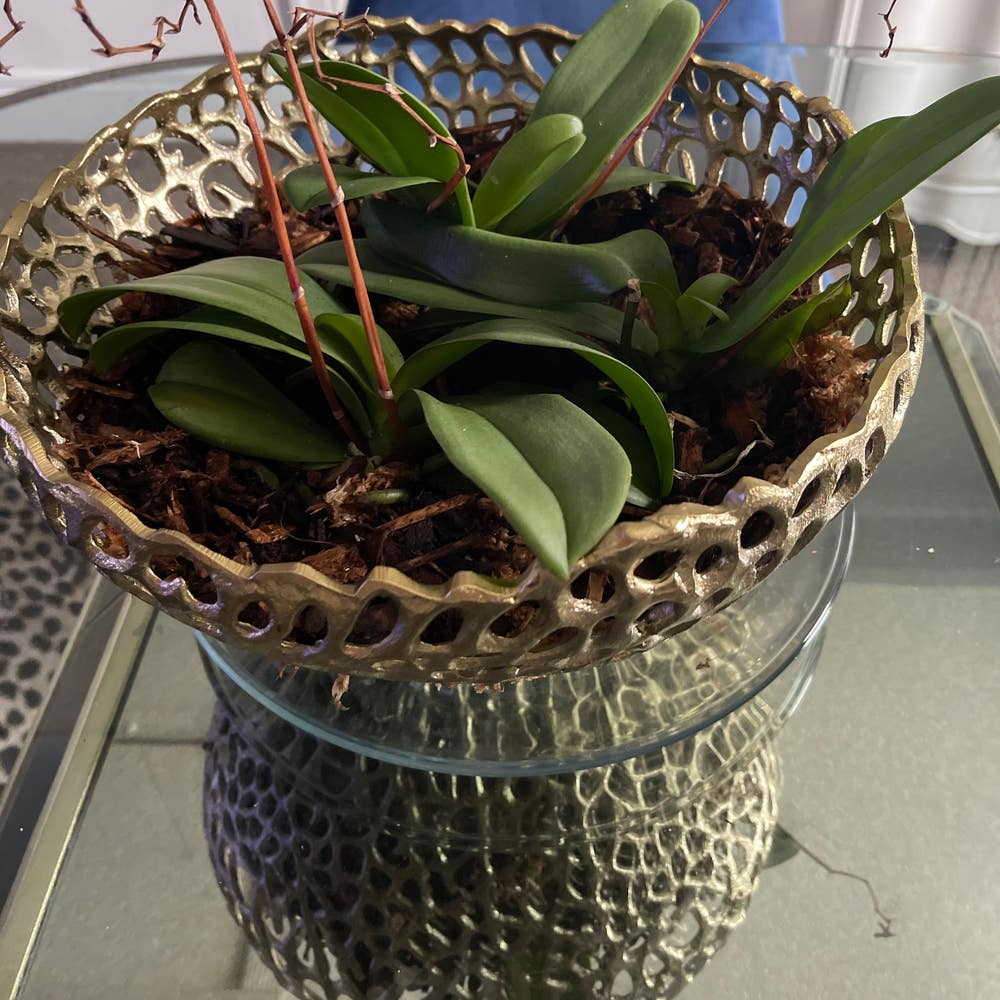
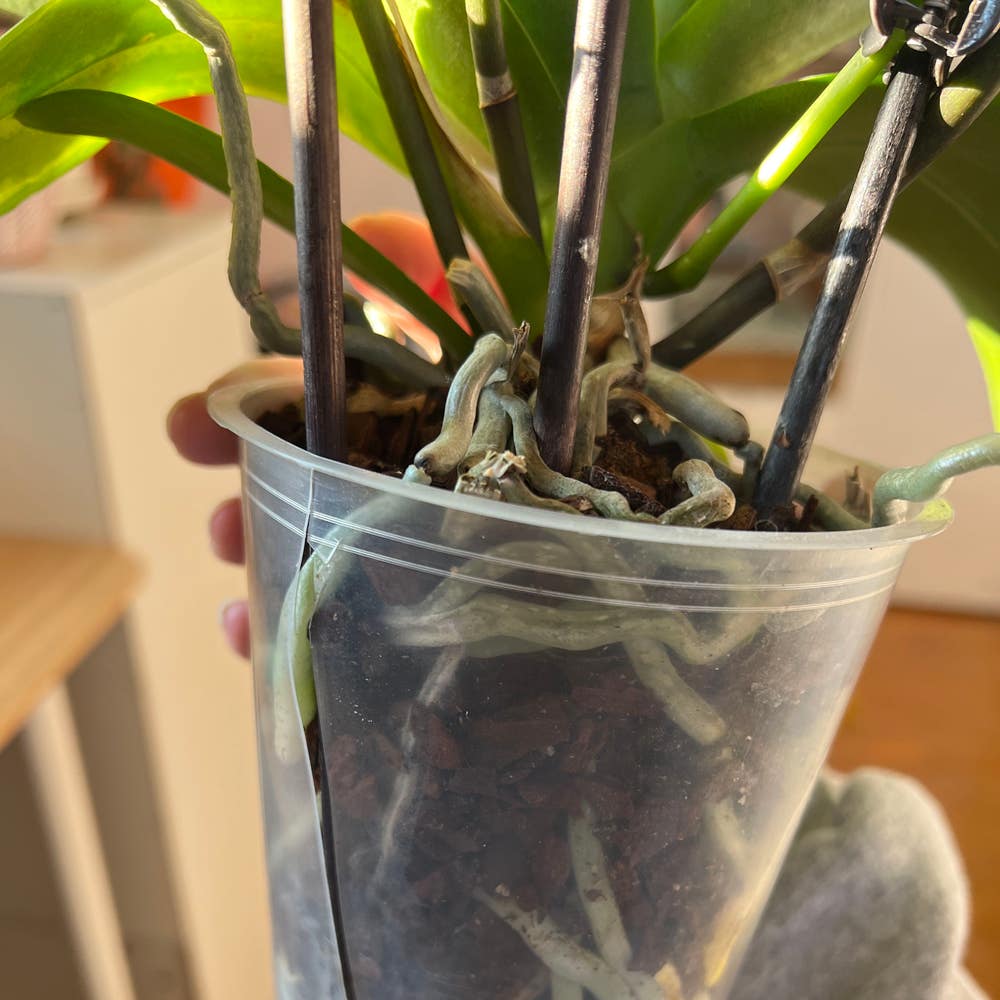
Well-draining soil is the Moon Orchid's best friend. Mix in some perlite with your potting soil and watch it thrive. Fertilizer? Not much needed. Refresh the soil annually, and you can skip the extra food. It's like feeding a well-fed cat—it's just not necessary.
💐 Flowering
Want flowers? Make sure your Moon Orchid gets 13 hours of light daily and consider a boost with liquid potash when buds appear. It's like giving an athlete a protein shake before a big game.
🌿 General Growth
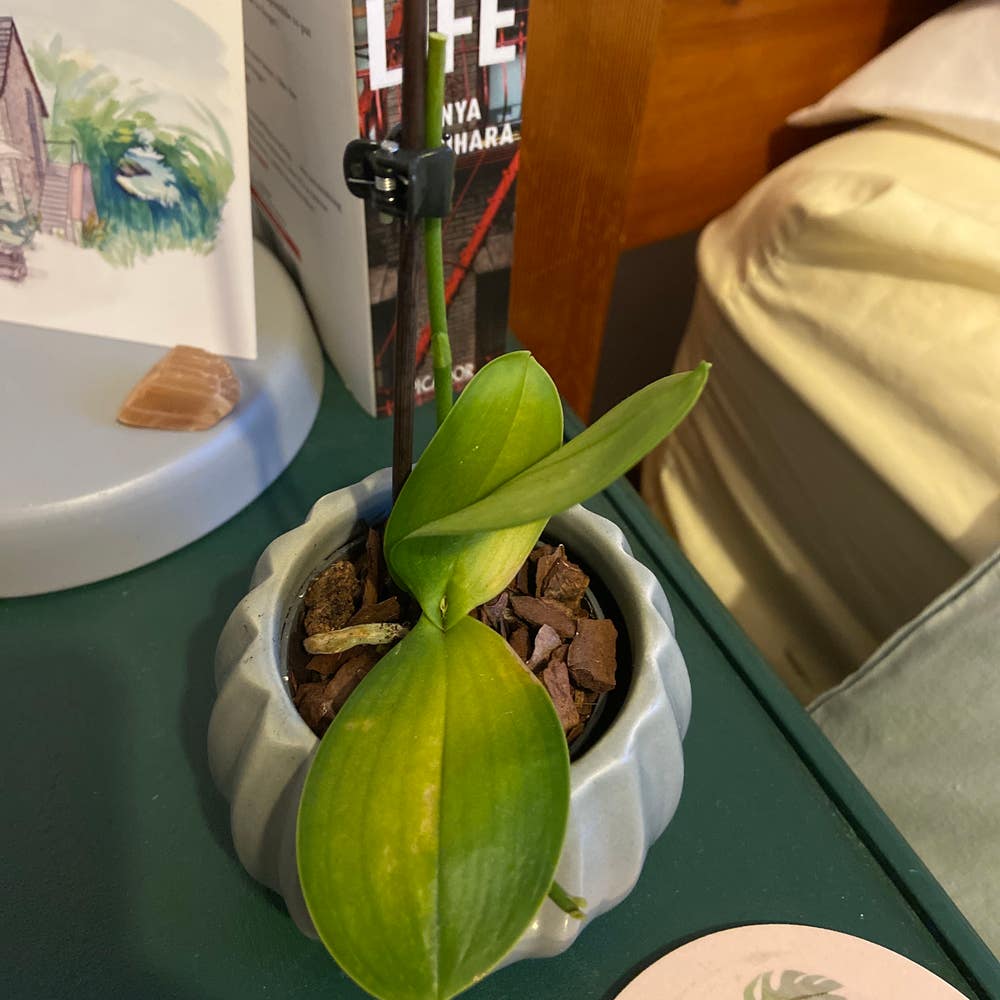
Climbing is in its nature, so give it a moss pole or trellis to conquer. And remember, yellow leaves can be normal—like losing baby teeth. But if it's more like a toothache (aka all leaves yellowing), check for overwatering.
🌱 Propagation
Feeling brave? Try propagation by division. It's like plant surgery, but less scary. Check for baby plantlets and gently separate them from the mother plant.
Remember, the Moon Orchid doesn't ask for much—just the right light, a bit of dryness, and a sturdy climbing post. Treat it right, and it'll show you its true colors.
⚠️ Safety First
This content is for general information and may contain errors, omissions, or outdated details. It is not medical, veterinary advice, or an endorsement of therapeutic claims.
Always consult a qualified healthcare professional before using any plant as food, medicine, or supplement.
Never eat any plant (or feed one to pets) without confirming its identity with at least two trusted sources.
If you suspect poisoning, call Poison Control (800) 222-1222, the Pet Poison Helpline (800) 213-6680, or your local emergency service immediately.
Spotted an error? Please report it here.
Enjoy your Moon Orchid's spectacular blooms 🌸 with ease, as Greg sends you tailored reminders to water and position it just right for a thriving display.