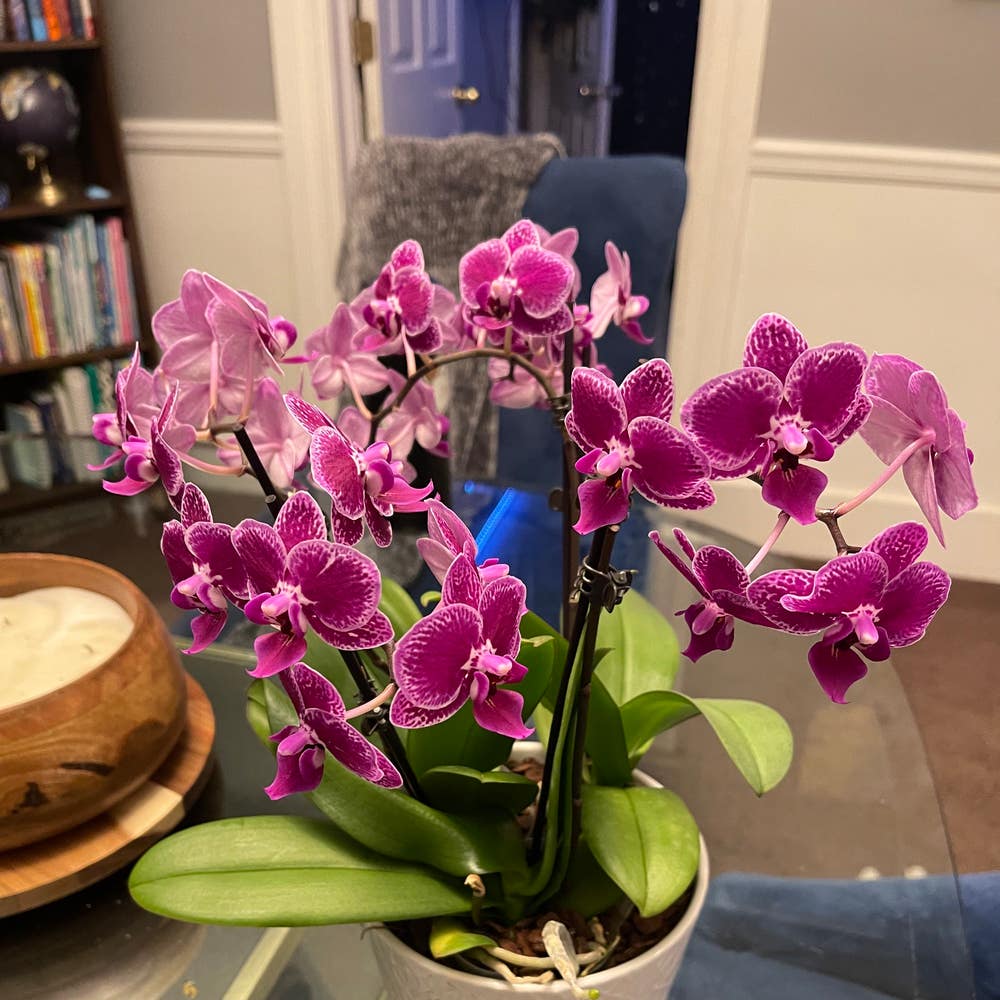
🌜 What Is The Best Way To Water a Moon Orchid?
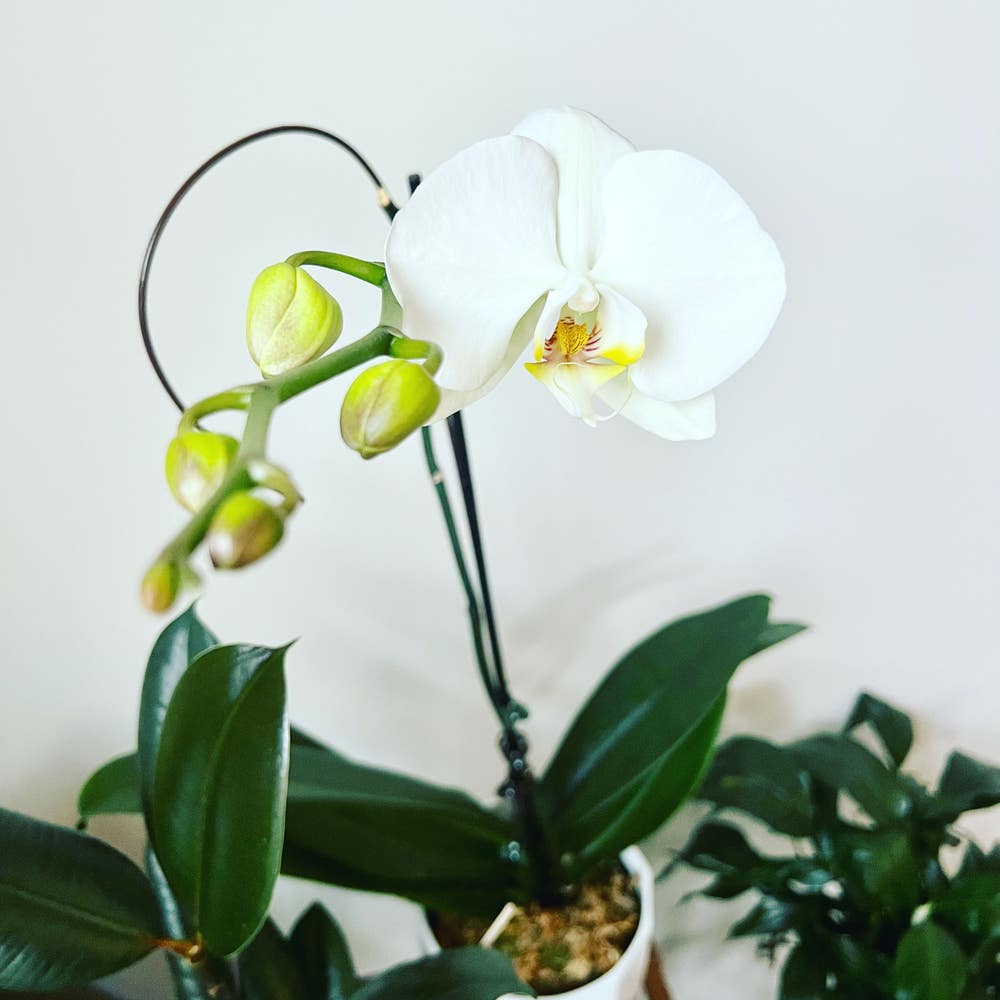
Phalaenopsis amabilis
By the Greg Editorial Team
Jun 15, 2024•3 min read
This article was created with the help of AI so we can cover more plants for you. May contain errors. See one? Report it here.
- 🌱 Look for leathery leaves and silvery roots to know when to water.
- 🌞❄️ Adjust watering with the seasons—more in summer, less in winter.
- 💧 Use the soak and dry method, and ensure good drainage and water quality.
When to Water Your Moon Orchid
💧 Spotting Thirsty Orchids
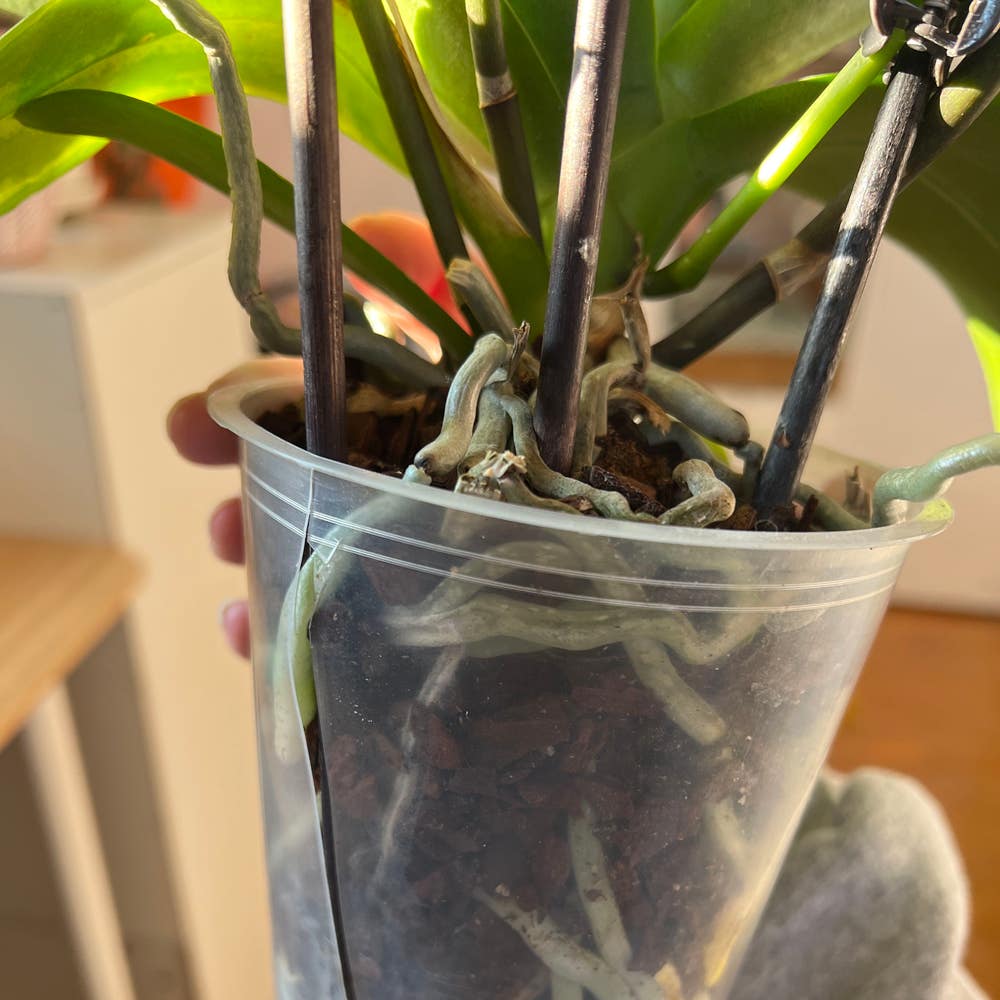
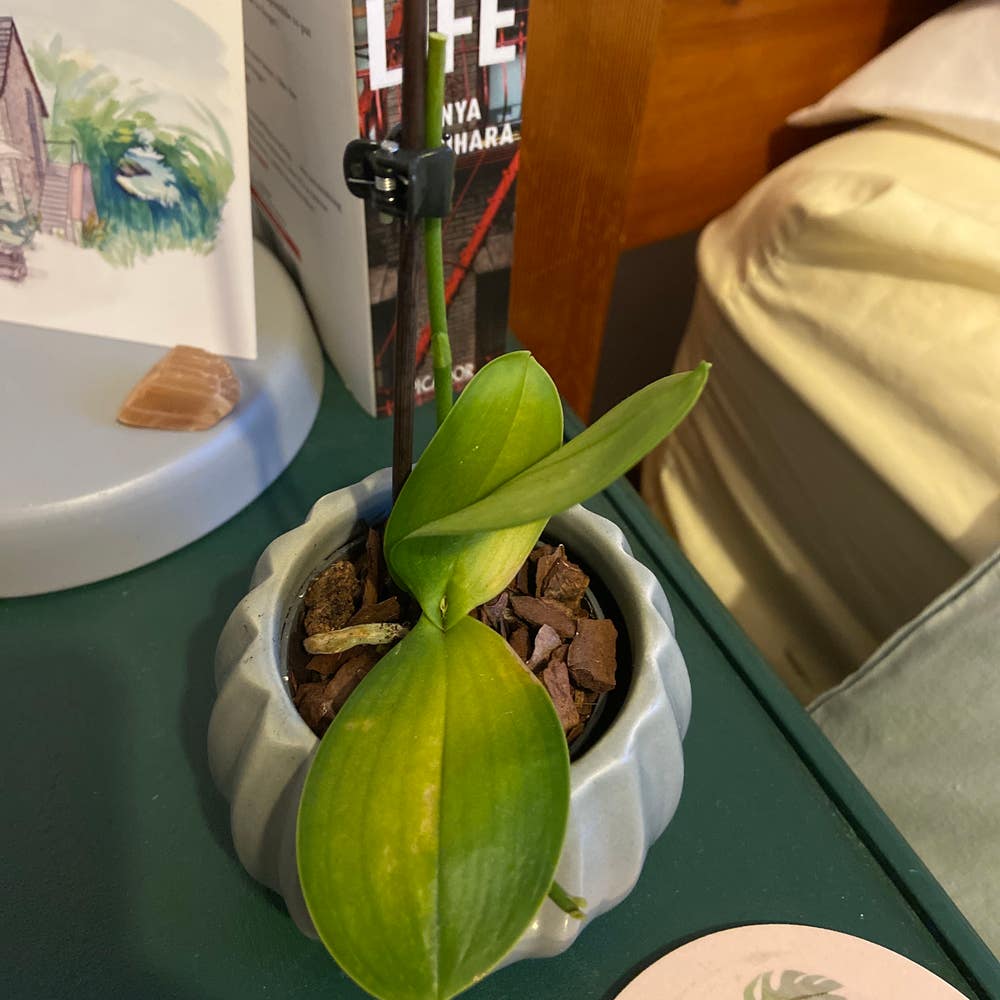
Moon orchids will signal when they're parched. Look for leathery leaves and a silvery tint to the roots; that's your orchid crying out for a drink. If the pseudobulbs look wrinkled, it's definitely time to water. Remember, these signs are your orchid's version of a low battery alert.
The Role of Seasons
Your moon orchid's thirst changes with the seasons. As winter invites dormancy and growth slows, your watering can should take a break too. Come summer, with higher light and growth in full swing, your orchid will want more frequent watering. It's like adjusting your wardrobe for the weather—your orchid needs you to dress its roots appropriately for the season.
How to Water Your Moon Orchid
💦 The Soak and Dry Method
Moon orchids thrive with a soak and dry approach. Here's how to nail it:
- Wait for Dryness: Ensure the potting mix is almost completely dry. This prevents overwatering and root rot.
- Soak It Up: Submerge the orchid's pot in water for 15-30 minutes. This mimics a natural downpour, quenching the roots.
- Drain Well: After soaking, let excess water drain freely. No soggy bottoms here; we're not baking a pie.
- Air It Out: Give the plant a gentle shake to dislodge trapped water, especially from the crown. Orchids hate pneumonia.
🚫 Mistakes to Avoid
Avoid these blunders to keep your moon orchid in stellar shape:
- No Ice Cubes: Orchids are not cocktails. Ice can shock the roots and lead to damage.
- Forget the Faucet: Tap water can contain harmful minerals. If you must, let it sit overnight or opt for rainwater.
- Ditch the Schedule: Orchids don't wear watches. Water based on their needs, not the calendar.
- Neglect the Pot: Ensure your pot has drainage holes. Root rot is the silent killer of many an orchid.
- Overlook Water Quality: If using distilled or RO water, remember to add fertilizer. Your orchid's diet matters.
The Perfect Home for Your Moon Orchid's Roots
💧 Choosing the Right Potting Mix
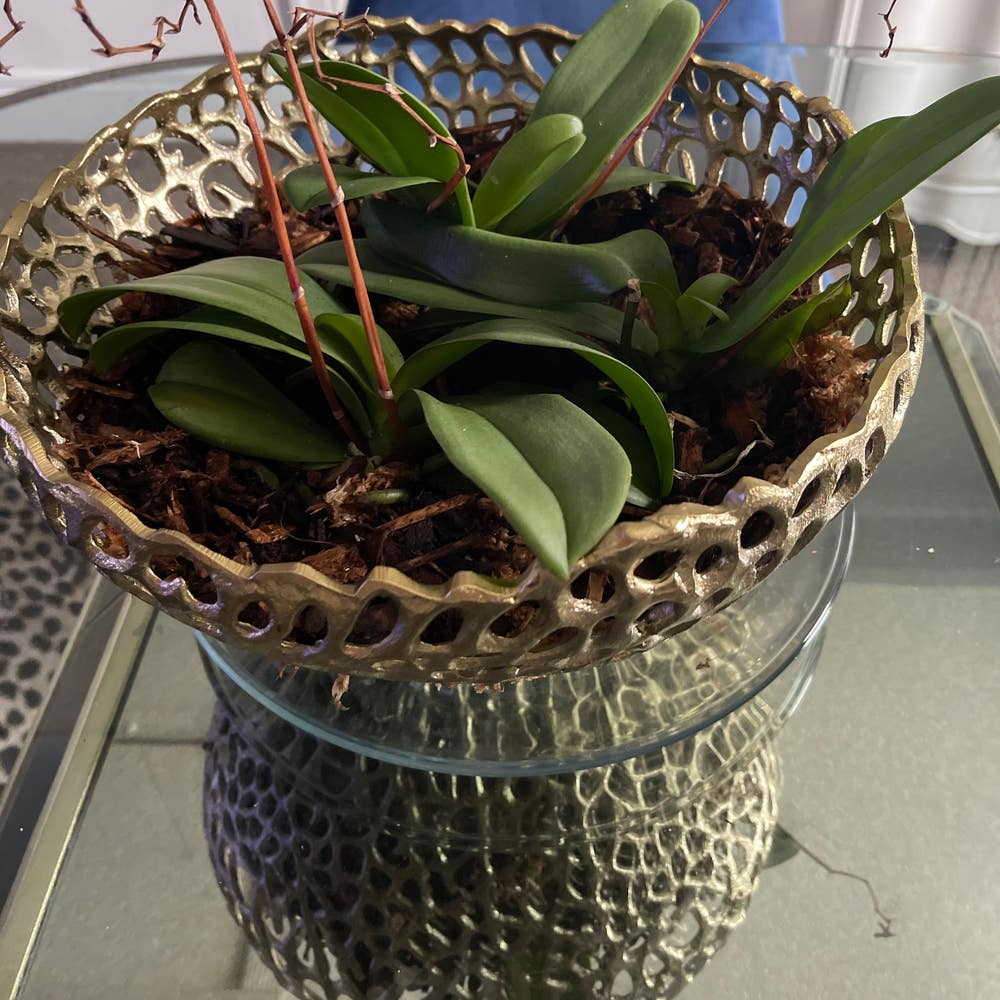
Moon orchids are like the divas of the plant world; they demand the perfect potting mix. To keep your orchid's roots happy and healthy, aim for a mix that strikes a balance between moisture retention and drainage. Think of a blend of bark, perlite, and sphagnum moss as the VIP section where your orchid's roots will want to hang out.
🕳️ Drainage is Key
When it comes to pots, think Swiss cheese: the more drainage holes, the better. Your moon orchid's roots despise waterlogged conditions as much as cats hate water. So, choose a pot that's just right—not too big, not too small, and with enough holes to make a colander jealous. And if you're feeling fancy, go for a clear pot; it's like x-ray vision for monitoring root health.
Fine-Tuning Watering with Environmental Tweaks
💦 Humidity and Air Flow
Adjusting your watering to match your home's humidity isn't rocket science, but it's crucial. Low humidity? Your moon orchid's thirst will spike. Combat dry air by grouping plants or using a pebble tray. High humidity means easing up on the watering can. If you're dealing with a dry climate, consider a humidifier to prevent your orchid from becoming a sad, shriveled shadow of itself.
💧 Water Quality and Orchid Health
Your moon orchid isn't picky, but it has standards. Tap water can be a gamble with its mineral roulette. Distilled, reverse osmosis, or rainwater? Jackpot. These options are like a spa treatment for your orchid's roots. Remember, quality water can mean the difference between a moon orchid that's surviving and one that's throwing a full-blown flower party.
⚠️ Safety First
This content is for general information and may contain errors, omissions, or outdated details. It is not medical, veterinary advice, or an endorsement of therapeutic claims.
Always consult a qualified healthcare professional before using any plant as food, medicine, or supplement.
Never eat any plant (or feed one to pets) without confirming its identity with at least two trusted sources.
If you suspect poisoning, call Poison Control (800) 222-1222, the Pet Poison Helpline (800) 213-6680, or your local emergency service immediately.
Spotted an error? Please report it here.
Ensure your moon orchid thrives with season-smart watering 🌱 using Greg's custom reminders that adjust to humidity and seasonal changes, just as recommended in this guide.