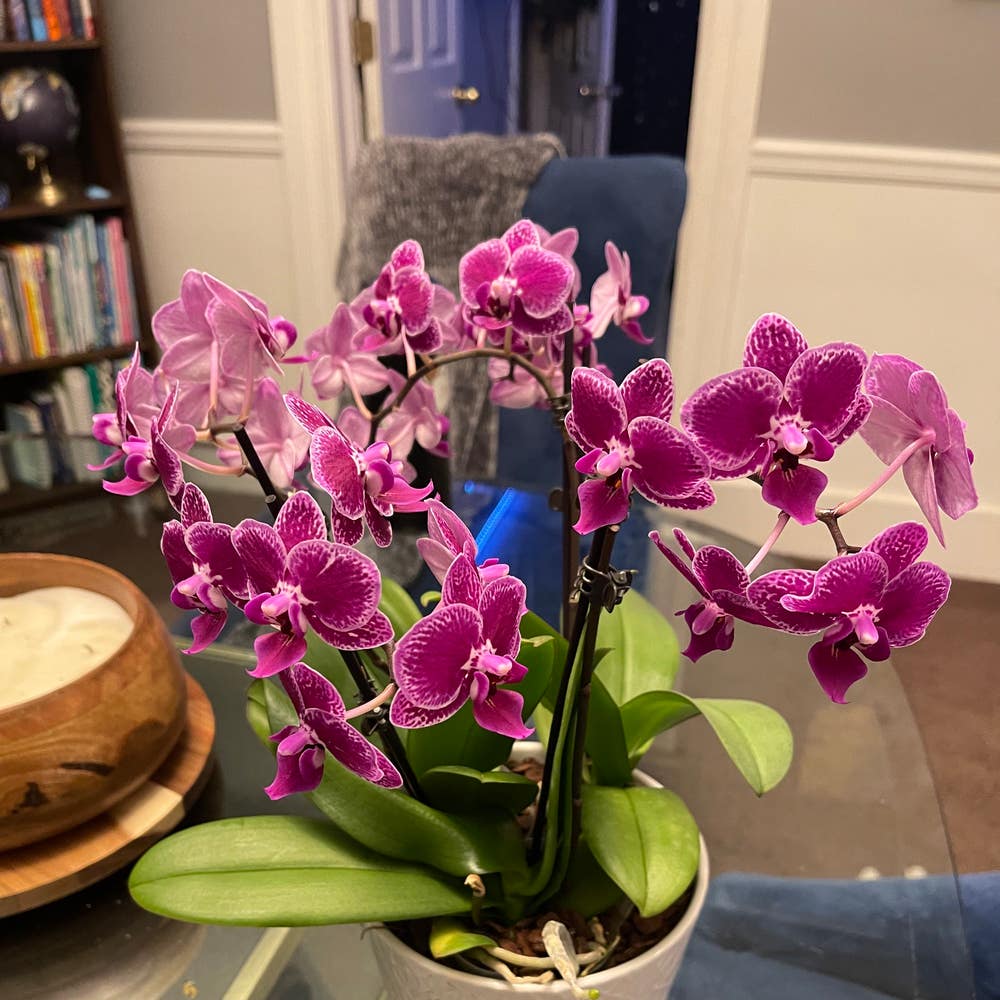
Moon Orchid - Fertilizing 101
Phalaenopsis amabilis
By the Greg Editorial Team
Jun 18, 2024•3 min read
This article was created with the help of AI so we can cover more plants for you. May contain errors. See one? Report it here.
- N-P-K ratio matters for leaf, root, and bloom support in Moon Orchids.
- Monthly fertilization during growth, less during dormancy.
- Over-fertilization signs: Yellow leaves, brown tips, soil crust.
Picking the Right Food for Your Moon Orchid
💡 Balanced Fertilizers: The Safe Bet
Navigating the world of fertilizers can be like decoding a cryptic puzzle, but it's simpler than it seems. N-P-K ratios are your guiding stars here, representing nitrogen, phosphorus, and potassium. For Moon Orchids, a balanced fertilizer (20-20-20) is your go-to choice. It's a jack-of-all-trades, supporting leaves, roots, and blooms.
🍽️ Organic Options: Going Natural
If you're leaning towards a more eco-friendly approach, organic fertilizers are your allies. They release nutrients slowly, building your Moon Orchid's strength over time. Think of them as a nutritional marathon rather than a sprint, fostering long-term soil health and plant vigor.
🚰 Slow-Release vs. Liquid Fertilizers
The showdown between slow-release and liquid fertilizers is a matter of preference and practicality. Slow-release formulas are like a trust fund, doling out sustenance over months. Liquid fertilizers, on the other hand, are more like a paycheck, offering immediate, controllable nourishment. For Moon Orchids, consider the ease of use and how closely you can monitor your plant's diet.

Timing is Everything: When to Fertilize
💥 Growth Phase: Fueling the Bloom
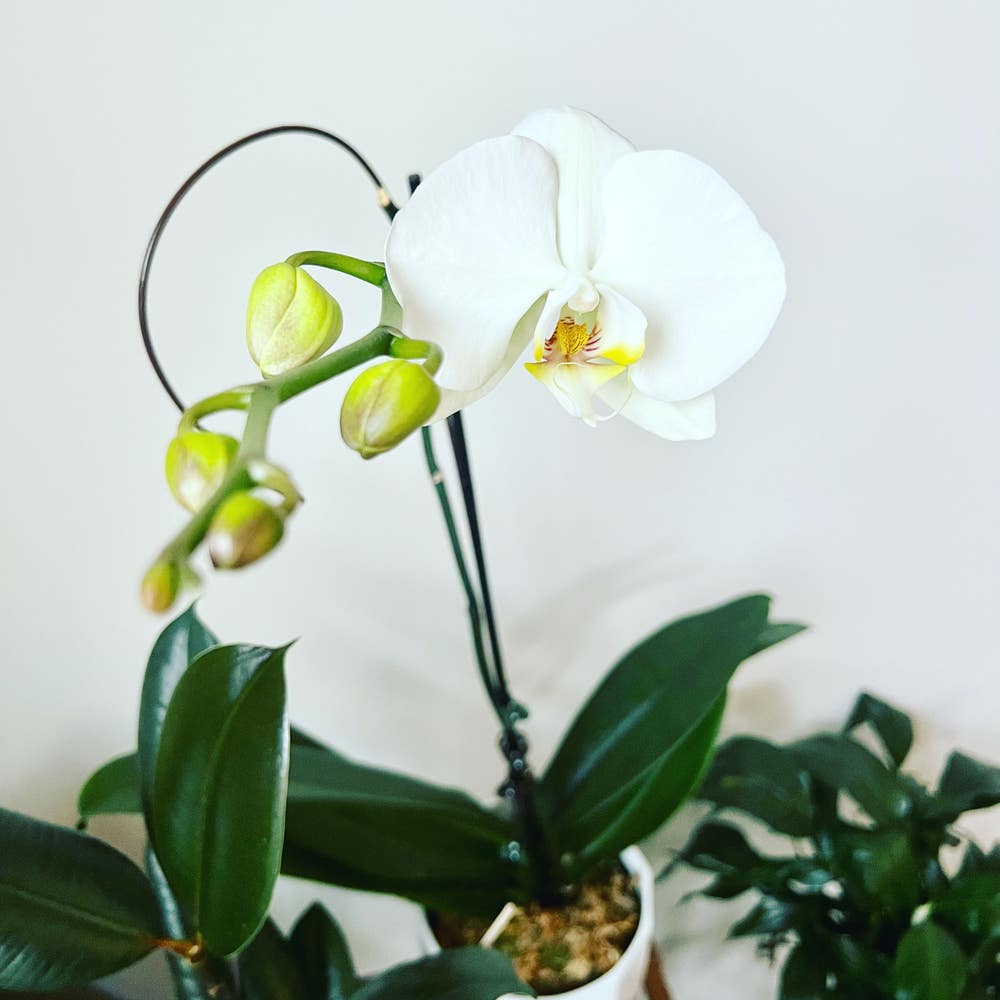
Moon Orchids, like all divas, demand specific timing for their spotlight moment. During the active growth phase, when leaves are sprouting and roots are reaching, your orchid is ready for its close-up with nutrients. Monthly fertilization is key here. Think of it as the orchid's personal trainer session, bulking up for the big bloom show.
🌙 Dormancy: The Resting Phase
When the Moon Orchid's flowers drop, it's not a curtain call but an intermission. The plant enters a resting phase, conserving energy for the next performance. This is not the time to go heavy on the fertilizing. Instead, dial it back. A light feeding every other month keeps your orchid from slipping into a nutrient-induced coma. It's like a celebrity on a detox diet—just enough to keep them glowing without the bloat.

The Art of Fertilizing Moon Orchids
💧 Mixing it Right: Dilution Ratios Demystified
Moon Orchids don't need a buffet of nutrients—simplicity is key. A balanced fertilizer, think the classic N-P-K ratio, is your go-to. Half-strength is the golden rule here; full-strength is overkill and can harm your delicate beauty. Use a measuring cup or syringe for precision—this isn't a time for eyeballing.
🌱 Application Techniques: Getting to the Root of It
When it's time to feed your Moon Orchid, aim for the roots, not the leaves. Leaves are for photosynthesis, not dinner plates. Apply the diluted fertilizer during watering to ensure even distribution. Remember, overzealous pouring can lead to root burn, and nobody wants that. Keep it light, keep it even, and your Moon Orchid will thank you with stunning blooms.

Rescuing Your Moon Orchid from Overindulgence
🚨 Spotting Trouble: Early Signs of Over-Fertilization
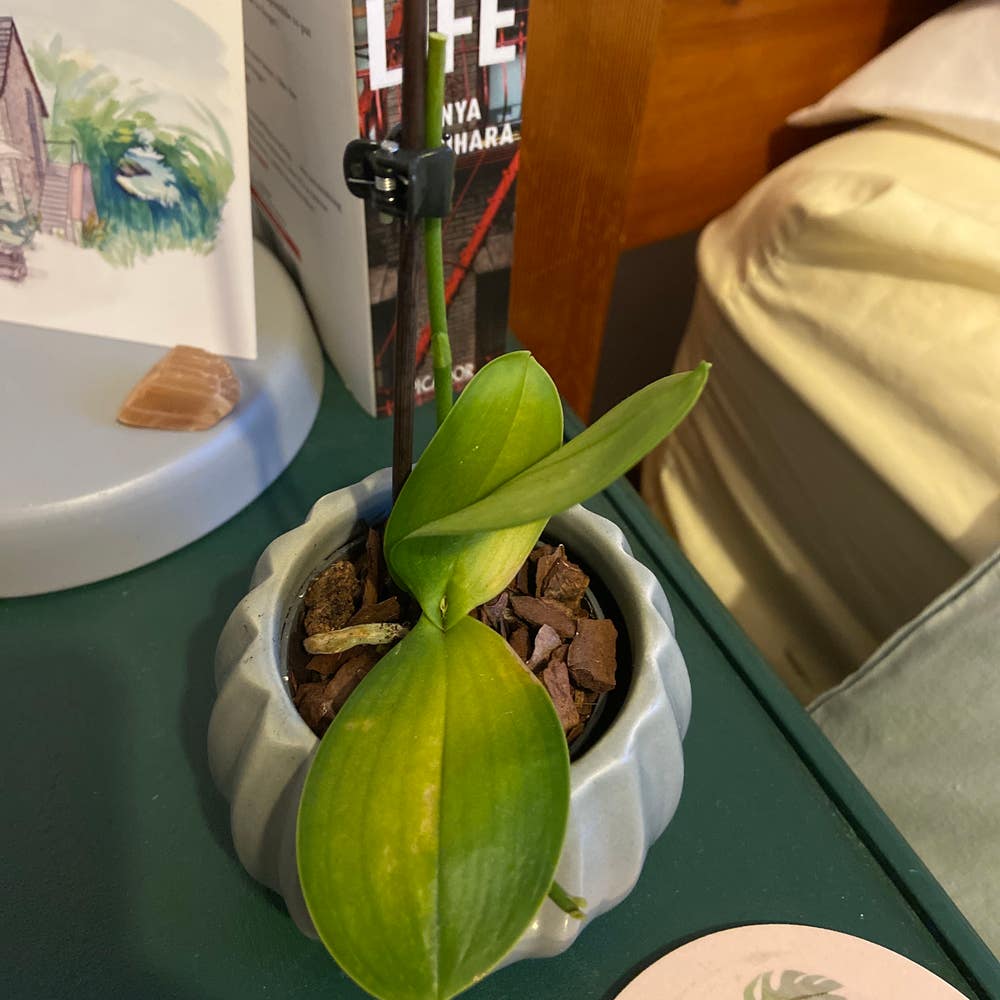
Yellowing leaves, browning at the tips, and a crust of fertilizer on the soil surface are red flags. Your Moon Orchid might be screaming for a detox. Over-fertilization can lead to a nutrient overdose, causing root damage that manifests in unhappy foliage.
🛠️ The Recovery Plan: Restoring Balance
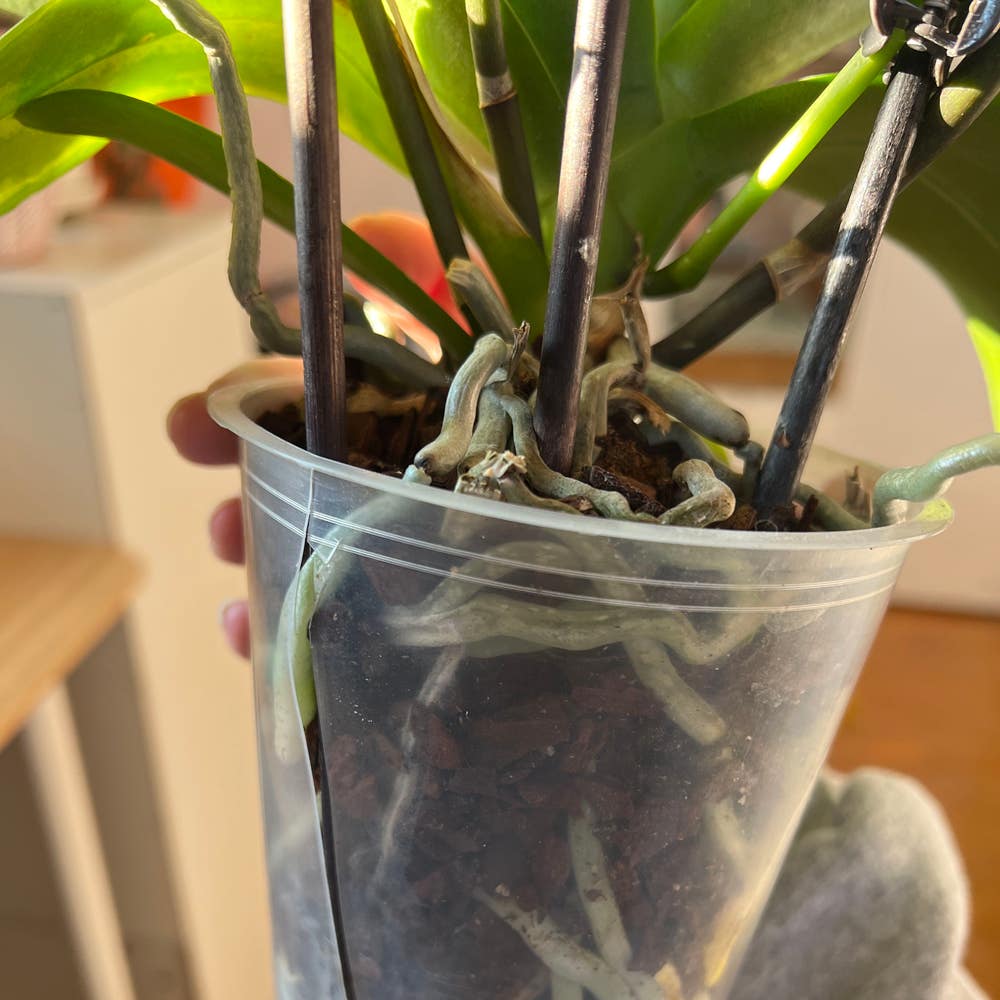
First things first, remove any visible fertilizer. Next, flush the soil with water to dilute the excess—think of it as giving your orchid a much-needed spa day. If the roots look like they've seen better days, trimming the damaged parts is like cutting off split ends; it's necessary for growth. Consider repotting with fresh mix if the situation looks dire. Hold off on the fertilizer—your orchid needs time to recuperate, not another round of shots. Keep the environment stress-free with indirect light and consistent humidity. Remember, patience is key; your orchid's comeback tour might take a few months.
⚠️ Safety First
This content is for general information and may contain errors, omissions, or outdated details. It is not medical, veterinary advice, or an endorsement of therapeutic claims.
Always consult a qualified healthcare professional before using any plant as food, medicine, or supplement.
Never eat any plant (or feed one to pets) without confirming its identity with at least two trusted sources.
If you suspect poisoning, call Poison Control (800) 222-1222, the Pet Poison Helpline (800) 213-6680, or your local emergency service immediately.
Spotted an error? Please report it here.
Boost your Moon Orchids to flourishing beauty 🌸 with Greg's tailored fertilization reminders, ensuring you never miss a beat from this fertilizing guide.