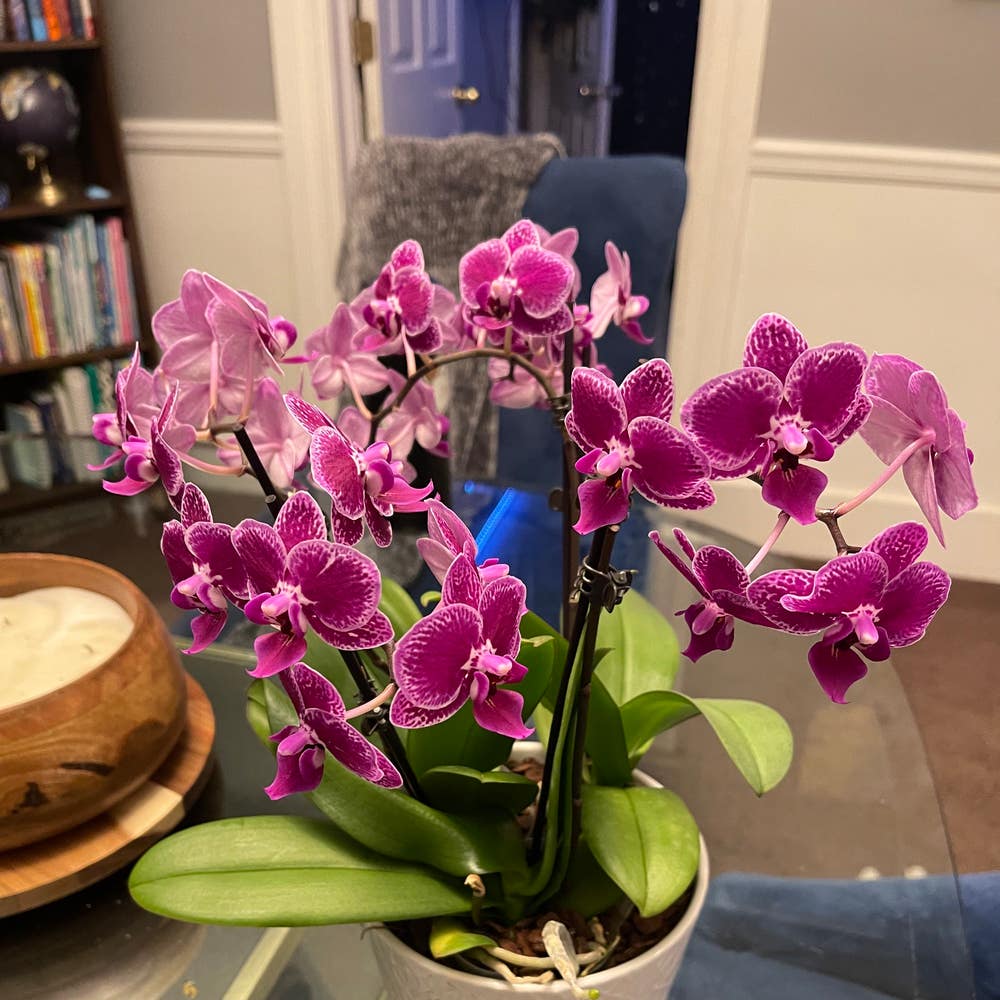
🌙 When to Plant: Moon Orchid
Phalaenopsis amabilis
By the Greg Editorial Team
Sep 30, 2024•6 min read
This article was created with the help of AI so we can cover more plants for you. May contain errors. See one? Report it here.
- 🌱 Know frost dates to plant Moon Orchids safely in your region.
- 🌡️ Optimal soil temperature for growth is 70°F to 80°F (21°C to 27°C).
- 🗓️ Create a planting calendar to navigate the best times for Moon Orchids.
Frost Dates and Their Importance
Definition and Significance 🌨️
Frost dates are crucial for any gardener, marking the last frost date in spring and the first frost date in fall. Understanding these dates is essential for planting Moon Orchids, as they are sensitive to freezing temperatures.
Planting should always occur after the last frost date to prevent damage to your delicate orchids. If you plant too early, you risk losing your plants to unexpected cold snaps.
How to Find Local Frost Dates 🗺️
To find your local frost dates, you can utilize the USDA Plant Hardiness Zone Map. This resource provides valuable information tailored to your specific region.
Additionally, local agricultural extensions can offer insights and updates on frost dates, ensuring you’re well-informed for your planting schedule.
Soil Temperature Considerations
Ideal Conditions 🌡️
For Moon Orchids, the ideal soil temperature ranges from 70°F to 80°F (21°C to 27°C). This temperature range is crucial for promoting healthy growth and vibrant blooms.
Methods to Check Soil Temperature 🌱
To ensure your soil is within this optimal range, use a soil thermometer. Insert it at root depth for the most accurate readings, allowing you to gauge whether it's time to plant.
Timing Considerations Based on Soil Temperature ⏰
Timing your planting is essential. Wait until soil temperatures consistently reach the ideal range before sowing your Moon Orchids to avoid stunted growth or damage.
With these soil temperature insights, you’re well on your way to cultivating beautiful Moon Orchids. Next, let’s explore how day length impacts their growth and flowering.
Day Length and Growth
🌞 Photoperiodism
Photoperiodism is the plant's response to the length of day and night. For Moon Orchids, this means that the amount of light they receive directly influences their flowering and overall growth.
⏳ Optimal Day Length
To thrive, Moon Orchids require 12 to 14 hours of light each day. This optimal day length helps them flourish, leading to vibrant blooms and healthy foliage.
🍂 Seasonal Variations
Day length varies with the seasons, affecting when you should plant. Adjust your planting schedule based on local daylight hours to ensure your Moon Orchids receive the light they need for optimal growth.
Understanding these factors can significantly enhance your success with Moon Orchids. Next, let’s explore the ideal planting months across different regions to maximize your gardening efforts.
Regional Planting Months
🌙 Ideal Months for Key States
When it comes to planting Moon Orchids, timing is everything. Each region has its own optimal months, ensuring your orchids thrive.
🌴 Florida
In Florida, the best months to plant are from March to May. This timeframe allows for warm temperatures and ample sunlight, perfect for establishing healthy plants.
🌼 California
For California gardeners, February to April is ideal. The mild climate during these months supports robust growth and flowering.
🤠 Texas
In Texas, aim to plant between March and May. This period aligns with the warmer weather, giving your Moon Orchids the best chance to flourish.
🗽 New York
New Yorkers should wait until late April to June. This timing helps avoid the last frost and ensures the soil is warm enough for planting.
🏔️ Colorado
In Colorado, late May to June is the sweet spot. By this time, the risk of frost has passed, and the soil temperatures are rising.
🌻 Ohio
Ohio gardeners can plant from late April to June. This window provides a balance of warmth and daylight, crucial for healthy orchid growth.
Understanding these regional planting months is key to successful Moon Orchid cultivation. With the right timing, you can set your orchids up for a vibrant, flourishing season. Next, let’s explore effective seed starting techniques to maximize your gardening success.
Seed Starting Techniques
🌱 Indoor vs. Direct Sowing
Starting your Moon Orchids can be done in two main ways: indoors or directly in the garden. Each method has its unique advantages that cater to different gardening styles.
Advantages of Indoor Seed Starting
Indoor seed starting offers a controlled environment where you can manage warmth and humidity. This setup not only helps your seeds germinate faster but also extends your growing season, allowing for earlier planting.
Advantages of Direct Sowing
On the other hand, direct sowing is all about simplicity. You need less equipment and setup, making it an easy option for many gardeners. Plus, plants that are directly sown tend to adapt better to local conditions, giving them a natural edge.
📅 Recommended Timelines
For indoor seed starting, aim to begin 8-12 weeks before the last expected frost date. This timeline ensures your Moon Orchids are ready to thrive as soon as conditions are favorable.
For direct sowing, wait until after the last frost date when soil temperatures are optimal. This approach guarantees that your seeds have the best chance of success right from the start.
With these techniques in mind, you can choose the method that best suits your gardening style and local conditions. Next, let’s explore a comprehensive planting calendar to help you plan your Moon Orchid journey effectively.
Comprehensive Planting Calendar
🌱 Month-by-Month Breakdown
Creating a planting calendar for Moon Orchids is essential for successful growth. This month-by-month guide will help you navigate the best planting times across all 52 states.
❄️ January to March
- January: It's too cold for planting. Focus on planning and gathering supplies.
- February: In warmer states like Florida and California, consider starting seeds indoors.
- March: Ideal for planting in Florida and Texas. Ensure soil temperatures are rising.
🌼 April to June
- April: Late April is perfect for states like New York and Ohio. Check local frost dates before planting.
- May: A great month for most regions. Colorado and Texas see optimal conditions.
- June: Late June is suitable for areas like Colorado and Ohio. Monitor soil temperatures closely.
☀️ July to September
- July: Avoid planting in most regions due to heat. Focus on maintenance.
- August: Start preparing for fall planting in cooler areas.
- September: Ideal for late bloomers in southern states. Ensure conditions are right.
🍂 October to December
- October: Planting is generally not recommended. Prepare for winter.
- November: Focus on protecting existing plants from frost.
- December: Reflect on the year and plan for the next growing season.
⏳ Key Factors Influencing Timing
Understanding frost dates, soil temperature, and day length is crucial.
- Frost Dates: Always plant after the last frost date in spring.
- Soil Temperature: Aim for 70°F to 80°F for optimal growth.
- Day Length: Moon Orchids thrive with 12-14 hours of light.
By keeping these factors in mind, you can ensure a successful planting season for your Moon Orchids.
🌱 Transition to Seed Starting Techniques
Now that you have a comprehensive planting calendar, let’s explore effective seed starting techniques to maximize your Moon Orchid’s growth potential.
⚠️ Safety First
This content is for general information and may contain errors, omissions, or outdated details. It is not medical, veterinary advice, or an endorsement of therapeutic claims.
Always consult a qualified healthcare professional before using any plant as food, medicine, or supplement.
Never eat any plant (or feed one to pets) without confirming its identity with at least two trusted sources.
If you suspect poisoning, call Poison Control (800) 222-1222, the Pet Poison Helpline (800) 213-6680, or your local emergency service immediately.
Spotted an error? Please report it here.
Cultivating your Moon Orchids is all about timing 🌱—with Greg's personalized planting calendar, you'll master frost dates and soil temperatures for vibrant blooms every season!