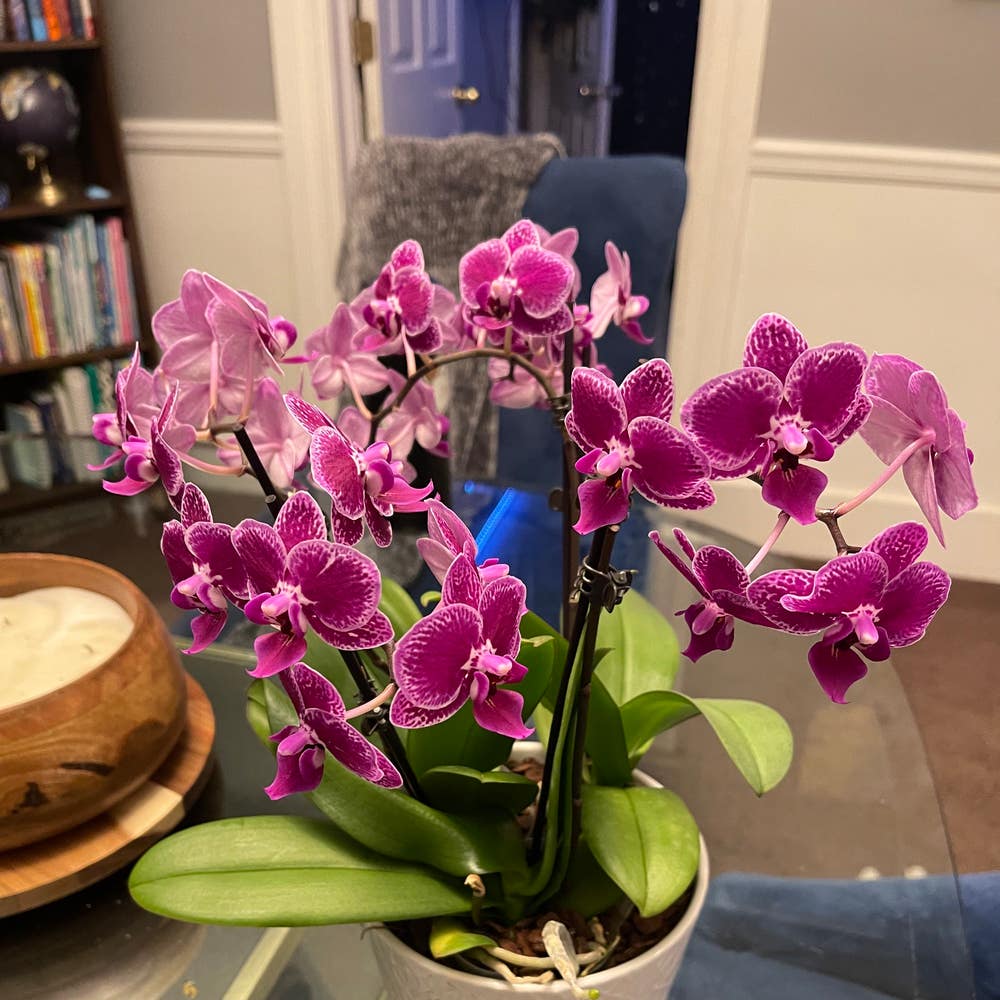
🌸 3 Tips for Selecting the Best Pot for Moon Orchid
Phalaenopsis amabilis
By the Greg Editorial Team
Sep 30, 2024•5 min read
This article was created with the help of AI so we can cover more plants for you. May contain errors. See one? Report it here.
- 🌱 Choose the right pot size for moon orchids to ensure healthy root development.
- 🏺 Clay pots promote air circulation, while plastic pots retain moisture—choose wisely!
- 🚫 Drainage holes are essential to prevent root rot; aim for at least three.
Importance of Pot Size
🌱 Why Pot Size Matters
Choosing the right pot size is crucial for your moon orchid's health. A pot that's too small can stunt root development and limit nutrient uptake, while a pot that's too large may retain excess moisture, leading to root rot.
The relationship between pot size and moisture retention is significant. Smaller pots dry out faster, which can be beneficial for controlling moisture levels, especially for young plants.
📏 Recommended Pot Sizes for Different Growth Stages
Seedlings
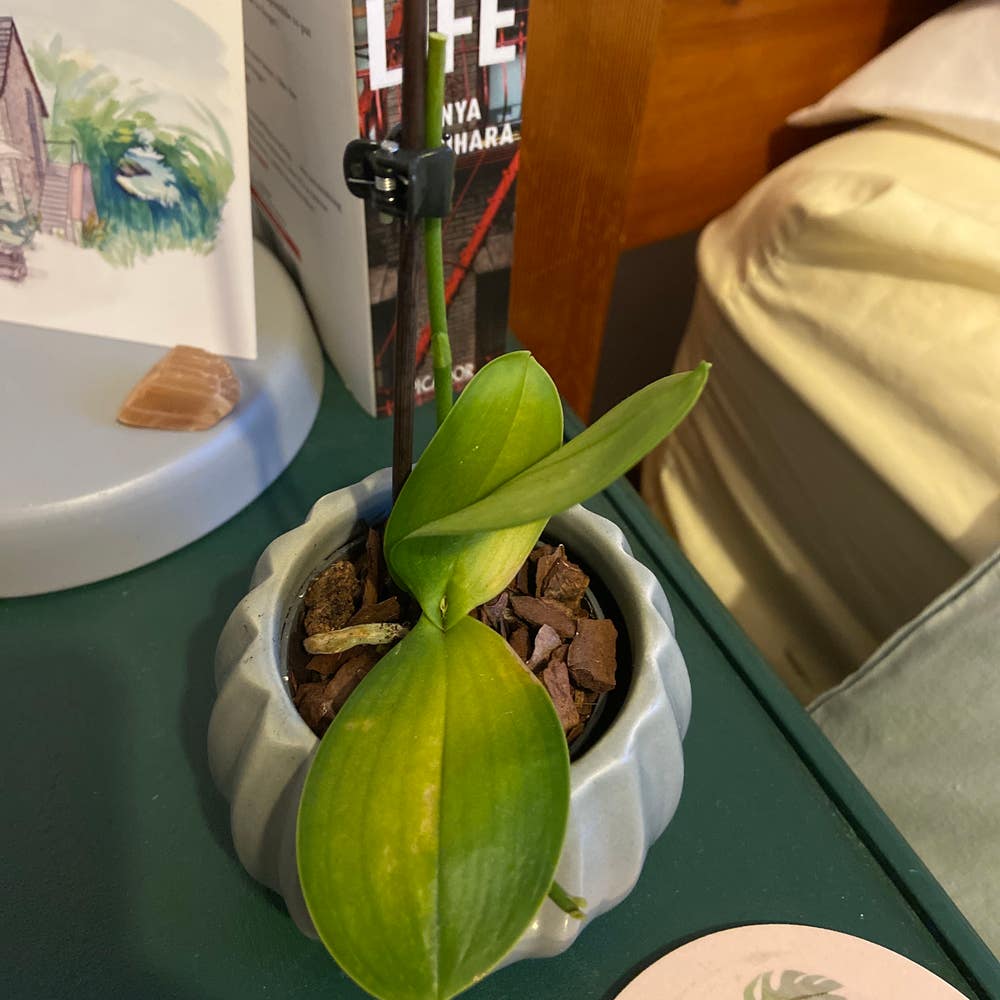
For seedlings, an ideal container size is between 2 to 4 inches in diameter. Smaller pots help maintain moisture control and support root establishment, giving your young orchid the best start.
Mature Plants
As your moon orchid matures, you'll want to transition to a pot size of 6 to 8 inches in diameter. Larger pots accommodate root growth and provide the stability needed for a thriving plant.
Understanding the importance of pot size can significantly impact your orchid's growth journey. With the right size, you're setting the stage for a healthy, vibrant moon orchid. Next, let's explore the ideal materials for pots to further enhance your plant's environment.
Ideal Materials for Pots
🌱 Benefits of Clay Pots
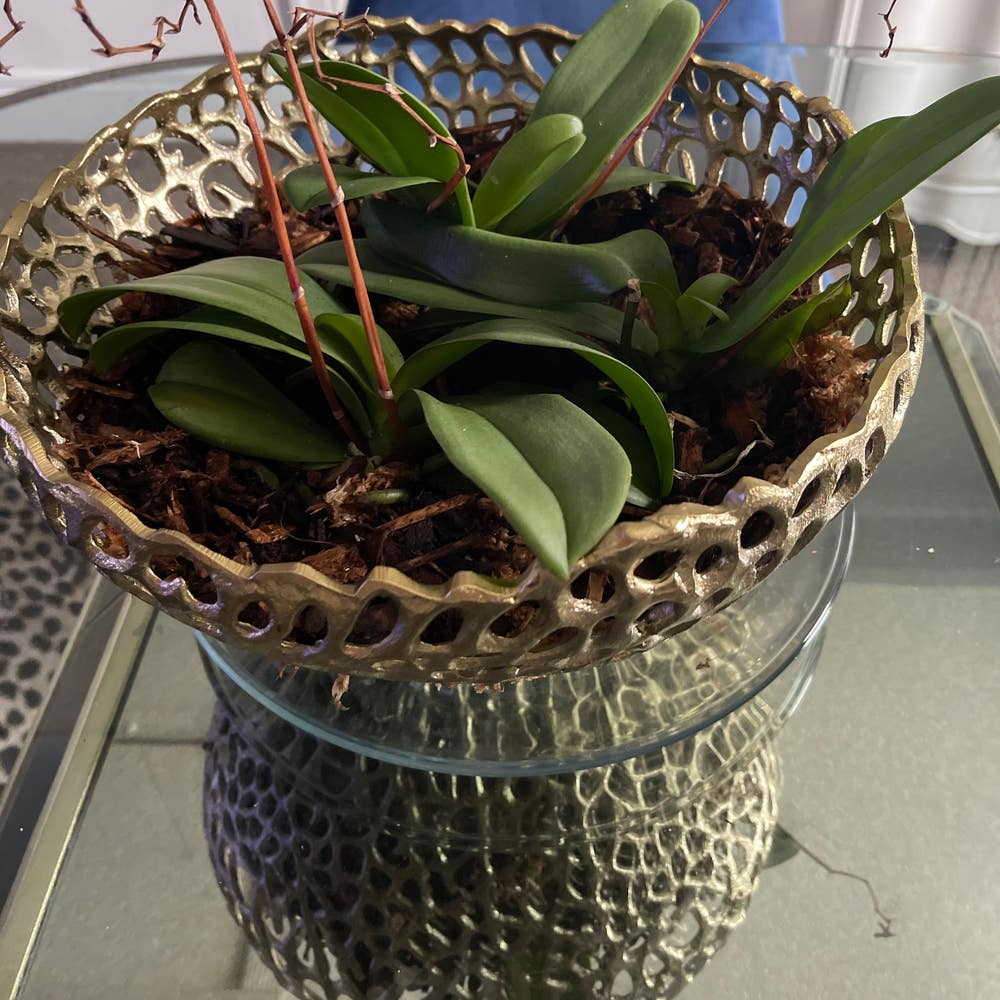
Clay pots are a favorite among many orchid enthusiasts. Their breathability allows air to circulate around the roots, promoting healthy growth.
Additionally, clay pots help regulate moisture levels. They absorb excess water, reducing the risk of overwatering, which is crucial for delicate moon orchids. However, keep in mind that clay pots can be heavier and may dry out more quickly than other materials.
🪴 Advantages of Plastic Pots
Plastic pots are a practical choice for many gardeners. They are lightweight and durable, making them easy to handle and transport.
Often more affordable than clay, plastic pots can be a budget-friendly option. However, they tend to retain moisture more than clay, which can lead to root rot if drainage isn't managed properly.
Choosing the right pot material is essential for your moon orchid's health. Consider your specific needs and the growing conditions to make the best choice.
As we move forward, let's explore the significance of drainage in pot selection.
Significance of Drainage
💧 Importance of Drainage Holes
Drainage holes are essential for preventing overwatering and root rot in your moon orchid. Without them, excess water can accumulate, suffocating the roots and leading to serious health issues.
For optimal moisture control, aim for at least three drainage holes, each about 1/4 inch in diameter. This ensures that excess water can escape, keeping your plant's roots healthy and thriving.
🌱 How Drainage Affects Plant Health
Poor drainage can severely impact root health and overall plant vitality. When water doesn’t drain properly, it creates a soggy environment that can lead to root rot, a common issue for moon orchids.
Watch for signs of inadequate drainage, such as yellowing leaves, wilting, and stunted growth. These symptoms indicate that your plant may be struggling due to excess moisture, prompting a need for immediate action.
Understanding the significance of drainage is crucial for maintaining the health of your moon orchid. Proper drainage not only supports root development but also enhances the overall resilience of your plant.
As you consider your pot choice, remember that effective drainage is just as important as size and material. Next, let’s explore how to determine when it’s time to repot your moon orchid for optimal growth.
Repotting
When to Repot 🌱
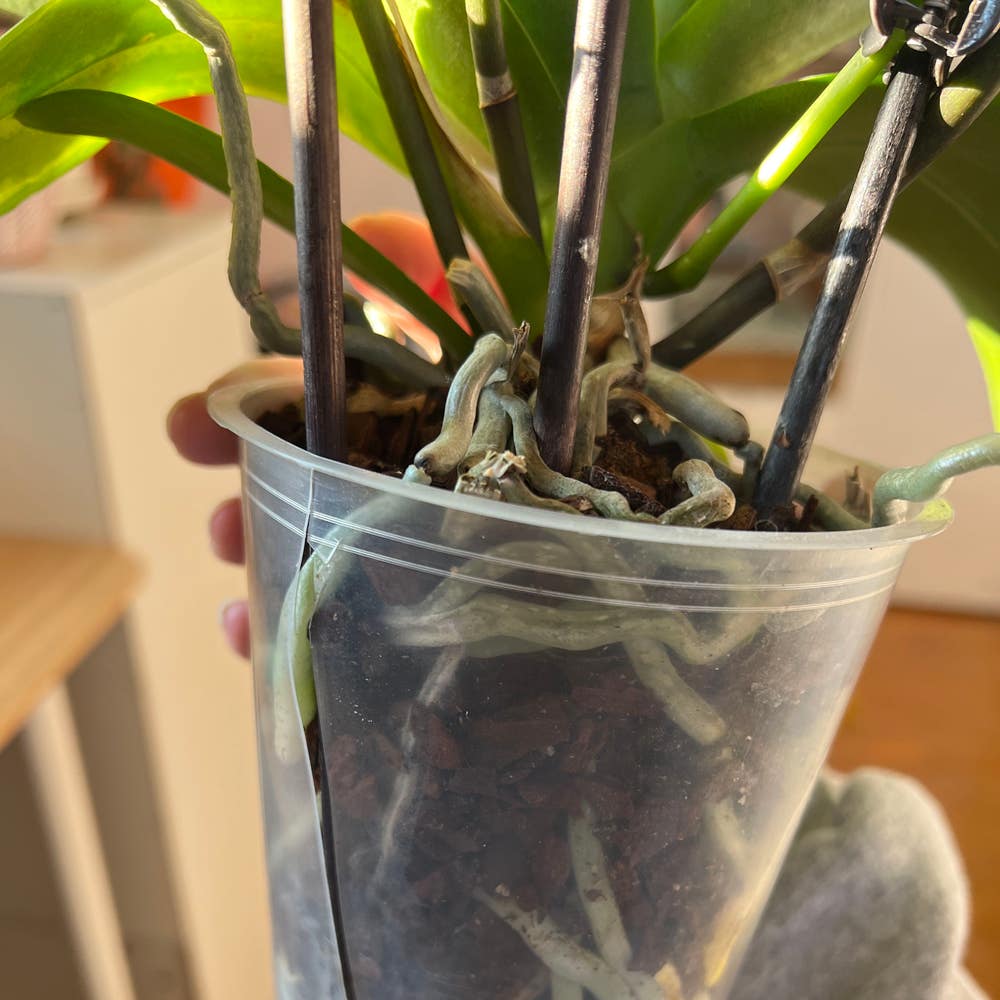
Repotting is essential for maintaining the health of your moon orchid. Look for indicators like root-bound conditions, where roots start to circle the pot, or when the pot size needs to increase due to growth.
It's also time to repot if the growing medium shows signs of degradation. Generally, aim to repot every 1-2 years, or whenever your plant shows these signs of distress.
Choosing the Right Pot During Repotting 🪴
Selecting the right pot is crucial for your orchid's continued growth. Consider factors such as size, material, and drainage capabilities to ensure optimal conditions.
Start by measuring the root ball to determine the appropriate pot size. Next, assess the growth stage of your orchid to choose a pot that supports its development. Finally, evaluate pot materials to find the best fit for your plant's needs.
With the right pot, your moon orchid will thrive, setting the stage for vibrant blooms and robust health. Now, let’s explore how pot choice can significantly impact your plant's growth and vitality.
Impact of Pot Choice on Growth
How Pot Choice Influences Health 🌱
The choice of pot material significantly affects moisture retention. Clay pots, for instance, allow for better air circulation, which can help prevent overwatering, while plastic pots retain moisture longer.
Pot size also plays a crucial role in nutrient availability and root health. A pot that’s too small can restrict root growth, leading to nutrient deficiencies and stunted plants.
Common Issues Related to Poor Selection 🚫
Using pots that are too small can create root-bound conditions, where roots circle around the pot, limiting growth. This can lead to poor nutrient uptake and overall plant health.
Inappropriate materials can cause serious issues, such as root rot from excess moisture retention. Additionally, plants in unsuitable pots may struggle with poor growth and become more susceptible to pests.
Understanding these factors can help you make informed decisions, ensuring your moon orchid thrives beautifully.
⚠️ Safety First
This content is for general information and may contain errors, omissions, or outdated details. It is not medical, veterinary advice, or an endorsement of therapeutic claims.
Always consult a qualified healthcare professional before using any plant as food, medicine, or supplement.
Never eat any plant (or feed one to pets) without confirming its identity with at least two trusted sources.
If you suspect poisoning, call Poison Control (800) 222-1222, the Pet Poison Helpline (800) 213-6680, or your local emergency service immediately.
Spotted an error? Please report it here.
Choose the perfect pot for your moon orchid 🌱 with Greg's tailored tips that help you monitor growth and moisture for vibrant blooms!