🌙 Best Tips for Healthy Moon Orchid Roots
Phalaenopsis amabilis
By the Greg Editorial Team
Sep 30, 2024•5 min read
This article was created with the help of AI so we can cover more plants for you. May contain errors. See one? Report it here.
- 🌱 Healthy Moon Orchid roots are thick, greenish, and crucial for photosynthesis.
- 💧 Water every 1-2 weeks and ensure proper drainage to prevent root rot.
- 🌿 Repot every 1-2 years to maintain root health and promote growth.
Root System Characteristics
Type and Adaptation 🌱
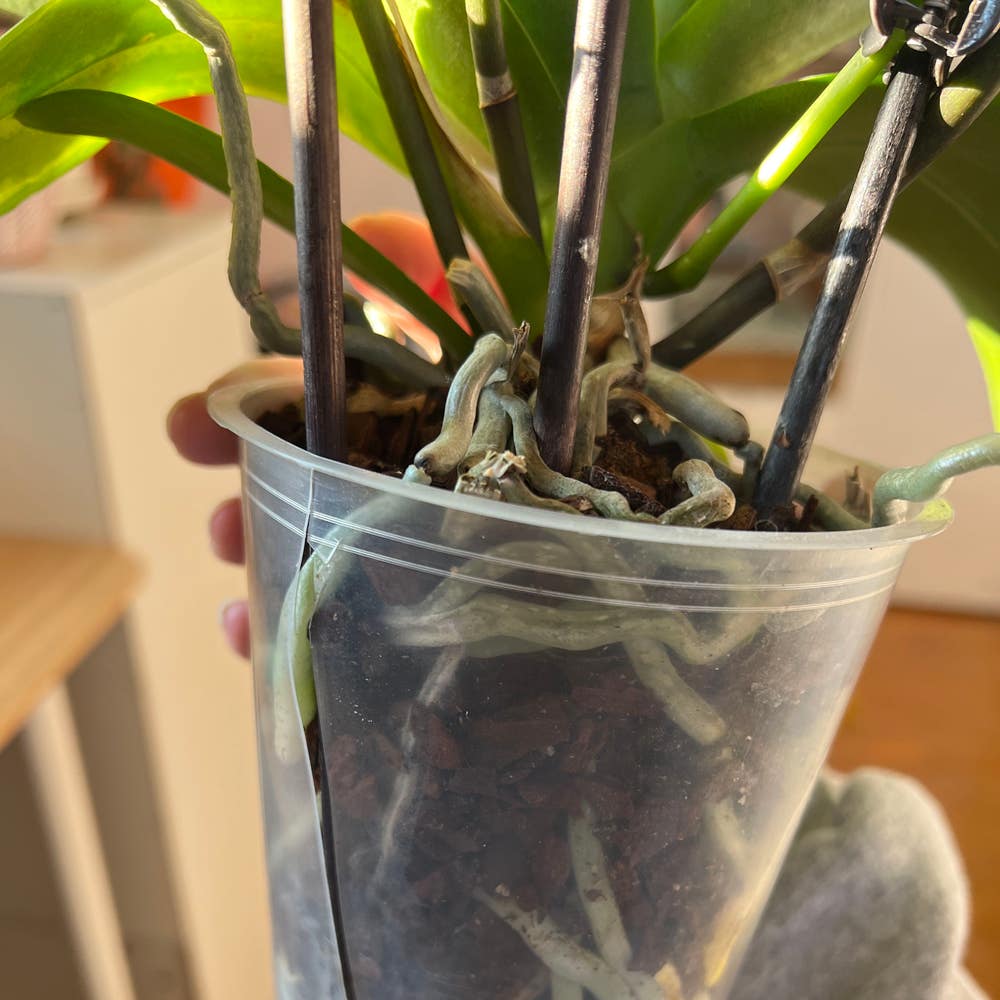
Moon Orchids boast a fibrous root system, perfectly designed for their epiphytic lifestyle. These roots are thick, fleshy, and greenish, allowing them to perform photosynthesis, which is essential for their growth.
This unique adaptation enables them to thrive in humid environments while requiring well-draining substrates. Such characteristics ensure that they can absorb moisture and nutrients efficiently without becoming waterlogged.
Root Depth and Spread 📏
Typically, the roots of a Moon Orchid reach a depth of 6-12 inches (15-30 cm). However, under optimal conditions, they can spread several feet in diameter, showcasing their adaptability.
Environmental factors like humidity, temperature, and pot size significantly influence root growth. Understanding these dynamics is crucial for maintaining a healthy root system.
With this foundational knowledge of root characteristics, you're well-equipped to explore the next essential aspect: watering and fertilizing practices that support your Moon Orchid's health.
Watering and Fertilizing
Watering Practices 🌊
Maintaining the right moisture balance is essential for your Moon Orchid's health. Avoid waterlogged conditions, as they can lead to root rot.
Water your orchid every 1-2 weeks, adjusting based on humidity and temperature. If the air is dry, you might need to water more frequently.
For best results, use room temperature water. Water until it drains from the bottom of the pot to ensure the roots receive adequate moisture.
Fertilizing Techniques 🌱
Using a balanced orchid fertilizer, like a 30-10-10 mix, is crucial for root health. Dilute it to half strength to avoid overwhelming your plant.
Fertilize every 4-6 weeks during the growing season to provide essential nutrients. This regular feeding supports robust root development and overall plant vigor.
Healthy roots are the backbone of a thriving Moon Orchid. By mastering watering and fertilizing techniques, you set the stage for a flourishing plant.
Next, let’s explore the best practices for transplanting and repotting your Moon Orchid.
Transplanting and Repotting
Best Practices 🌱
Transplanting your Moon Orchid is essential for its health. Aim to do this every 1-2 years or whenever you notice the roots outgrowing the pot.
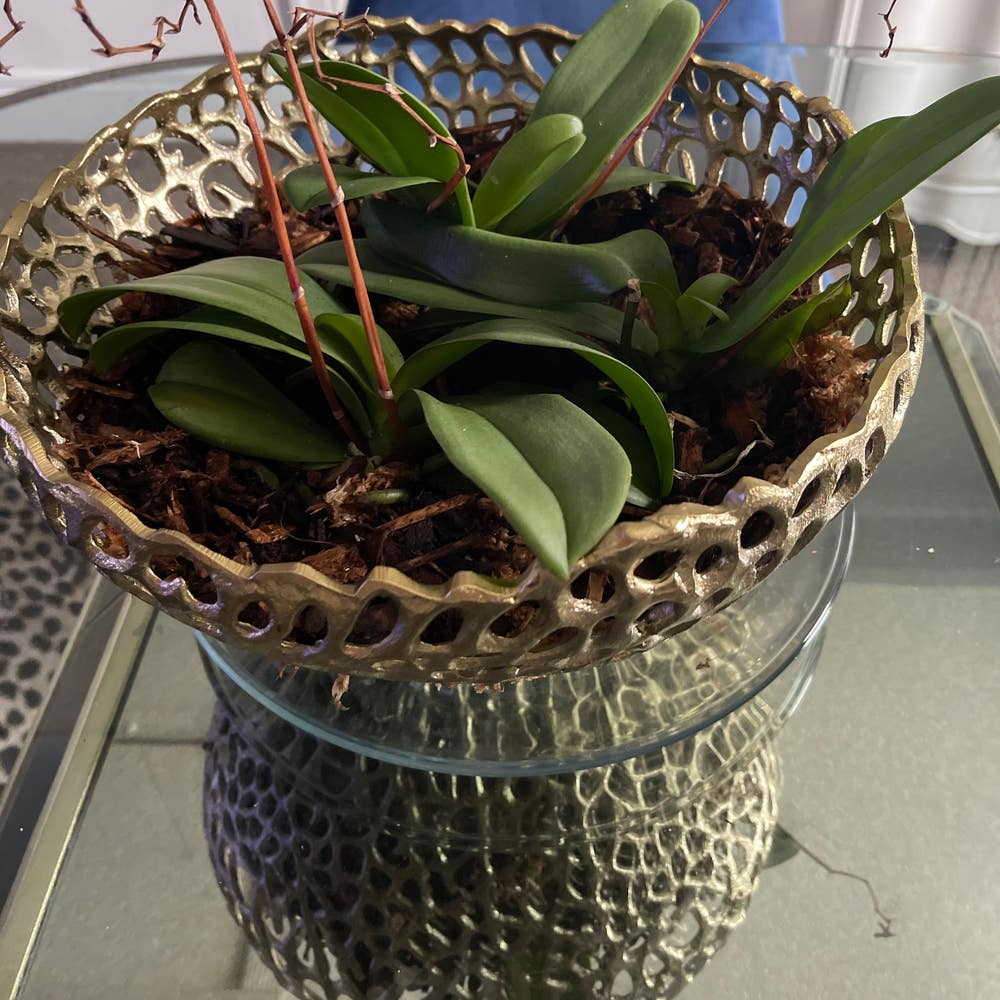
For the potting medium, a bark-based mix is highly recommended. This allows for proper aeration, which is crucial for root health.
Signs Indicating Repotting 🔍
Keep an eye out for specific signs that indicate it's time to repot. If you see roots growing out of the drainage holes, it's a clear signal that your orchid needs more space.
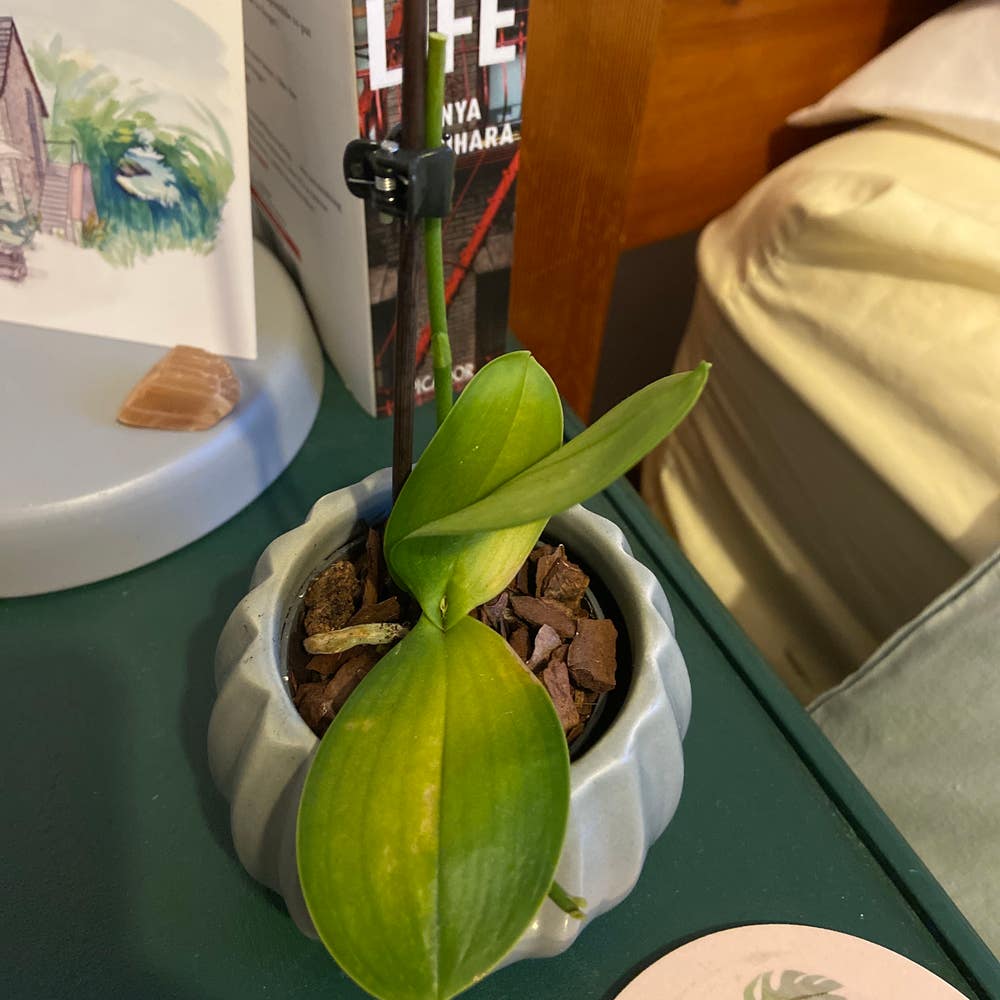
Other indicators include yellowing leaves or stunted growth. Additionally, if the potting medium appears broken down or compacted, it’s time for a change.
Recognizing these signs early can make a significant difference in your Moon Orchid's vitality. By ensuring it has enough room and the right medium, you set the stage for a thriving plant.
Next, let’s explore common root issues that can arise and how to tackle them effectively.
Common Root Issues
Identifying Problems 🌱
Unhealthy roots can signal trouble for your Moon Orchid. Look for dark, mushy roots, which indicate rot, or dry, shriveled roots that suggest dehydration.
Solutions and Preventive Measures 🛠️
To prevent root rot, ensure your pot has proper drainage and avoid overwatering. If you notice signs of dehydration, adjust your watering schedule based on the humidity and temperature around your plant.
Maintaining a keen eye on your orchid's roots will help you catch issues early. This proactive approach not only supports root health but also contributes to the overall vitality of your Moon Orchid.
Next, let’s explore how to recognize root health indicators that can guide your care routine.
Root Health Indicators
Visual Cues 🌱
Healthy Moon Orchid roots are a sight to behold. They should be firm, greenish, and plump, indicating that your plant is thriving.
On the flip side, unhealthy roots tell a different story. Look for dark, mushy, or shriveled roots, which are clear signs that something is amiss.
Other Indicators 🔍
Leaf color and texture can also provide valuable insights into root health. If the leaves are vibrant and firm, your roots are likely doing well.
Conversely, yellowing or wilting leaves may suggest underlying root issues. Overall plant vigor and growth patterns are essential to monitor; a healthy plant will show robust growth and resilience.
Understanding these indicators helps you maintain a thriving Moon Orchid, ensuring its roots are in top shape. With this knowledge, you can confidently nurture your plant and watch it flourish.
Rootbound Plants
Definition and Recognition 🌱
A "rootbound" plant occurs when roots circle the pot, restricting growth and nutrient uptake. For Moon Orchids, this often manifests as stunted growth and yellowing leaves, signaling that it's time for intervention.
Steps to Address Rootbound Conditions 🛠️
- Carefully remove the plant from its pot. Gently loosen the roots to avoid damage.
- Trim any circling roots. This encourages new growth and helps the plant thrive.
- Repot in a larger container. Use fresh potting medium to provide the necessary nutrients and aeration.
By addressing rootbound conditions promptly, you can rejuvenate your Moon Orchid and promote healthy growth. This proactive approach ensures your plant remains vibrant and flourishing.
Propagation and Division
🌱 Importance of Root Health
Healthy roots are the backbone of successful propagation and division for Moon Orchids. Timing is essential; aim to propagate during active growth periods for the best results.
✂️ Techniques for Dividing Effectively
Identify Suitable Division Points: Look for areas with at least 3-4 healthy roots per division. This ensures each new plant has a strong foundation.
Use Sterilized Tools: Always use clean, sterilized tools to cut the plant. This prevents the introduction of diseases and promotes healthy growth.
Repot Divisions: After cutting, repot the divisions in an appropriate potting medium. Ensure they receive adequate humidity to thrive.
By following these steps, you can effectively propagate your Moon Orchids, ensuring they continue to flourish. Healthy roots not only support growth but also enhance the overall vitality of the plant.
As you embark on this propagation journey, remember that nurturing your Moon Orchid's roots is key to its success. Next, let’s explore how to recognize and address rootbound conditions to keep your orchids thriving.
⚠️ Safety First
This content is for general information and may contain errors, omissions, or outdated details. It is not medical, veterinary advice, or an endorsement of therapeutic claims.
Always consult a qualified healthcare professional before using any plant as food, medicine, or supplement.
Never eat any plant (or feed one to pets) without confirming its identity with at least two trusted sources.
If you suspect poisoning, call Poison Control (800) 222-1222, the Pet Poison Helpline (800) 213-6680, or your local emergency service immediately.
Spotted an error? Please report it here.
Keep your Moon Orchid thriving with healthy roots 🌿 by monitoring humidity and watering wisely—let Greg provide personalized care reminders to help you succeed!