🌙 Why Moon Orchid Is Not an Annual
Phalaenopsis amabilis
By the Greg Editorial Team
Sep 30, 2024•6 min read
This article was created with the help of AI so we can cover more plants for you. May contain errors. See one? Report it here.
- 🌱 Moon Orchids live for years, unlike annuals that complete their lifecycle in one season.
- 🌼 They bloom multiple times yearly, offering prolonged beauty compared to typical annuals.
- 🌍 Adaptable to diverse environments, Moon Orchids thrive with proper care and conditions.
Genetic and Physiological Characteristics
🌙 Long-term Lifecycle of Moon Orchid
The Moon Orchid boasts an impressive lifespan, often living for several years and sometimes even decades. Unlike annual plants that complete their lifecycle in a single season, the Moon Orchid thrives through distinct growth cycles, alternating between dormancy and active growth phases.
📈 Growth Patterns Specific to Moon Orchid
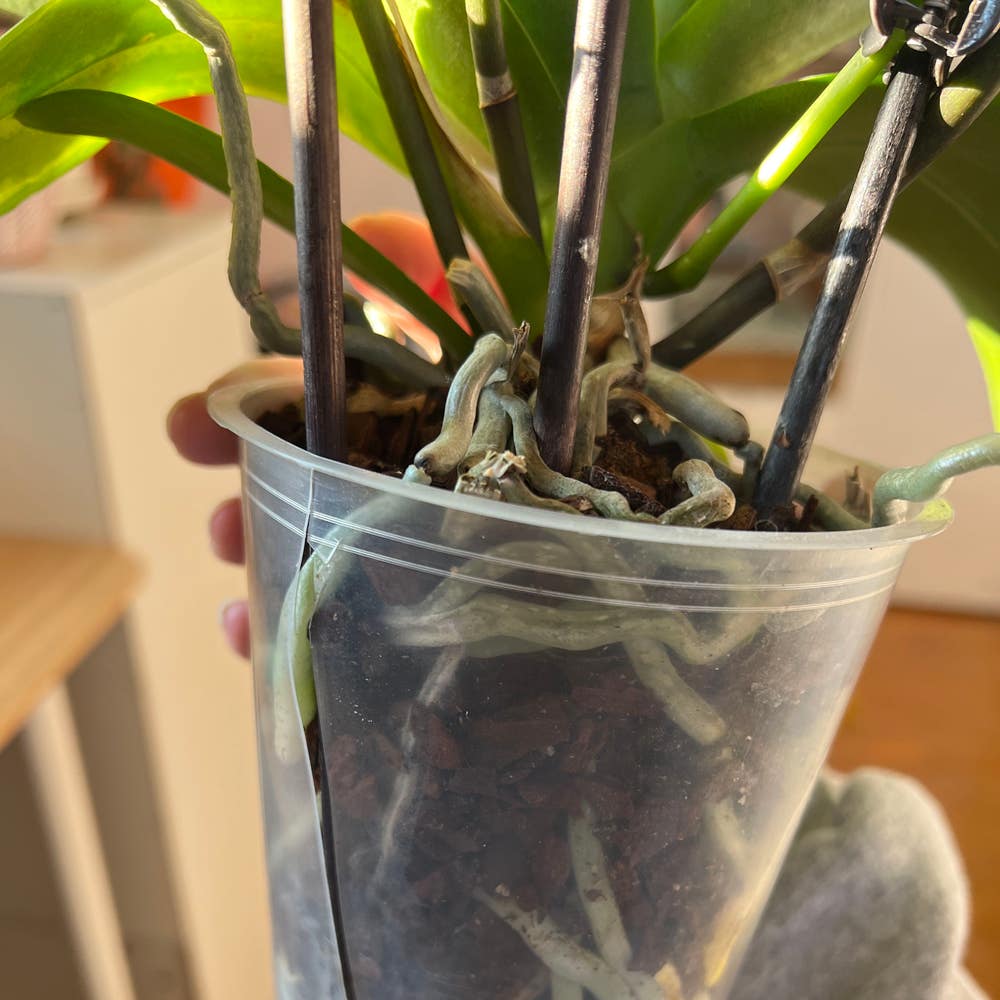
This orchid's epiphytic nature allows it to adapt its root system for optimal nutrient absorption. Seasonal growth is heavily influenced by temperature and humidity, which dictate when the plant enters its active phase.
🌸 Flowering Cycles
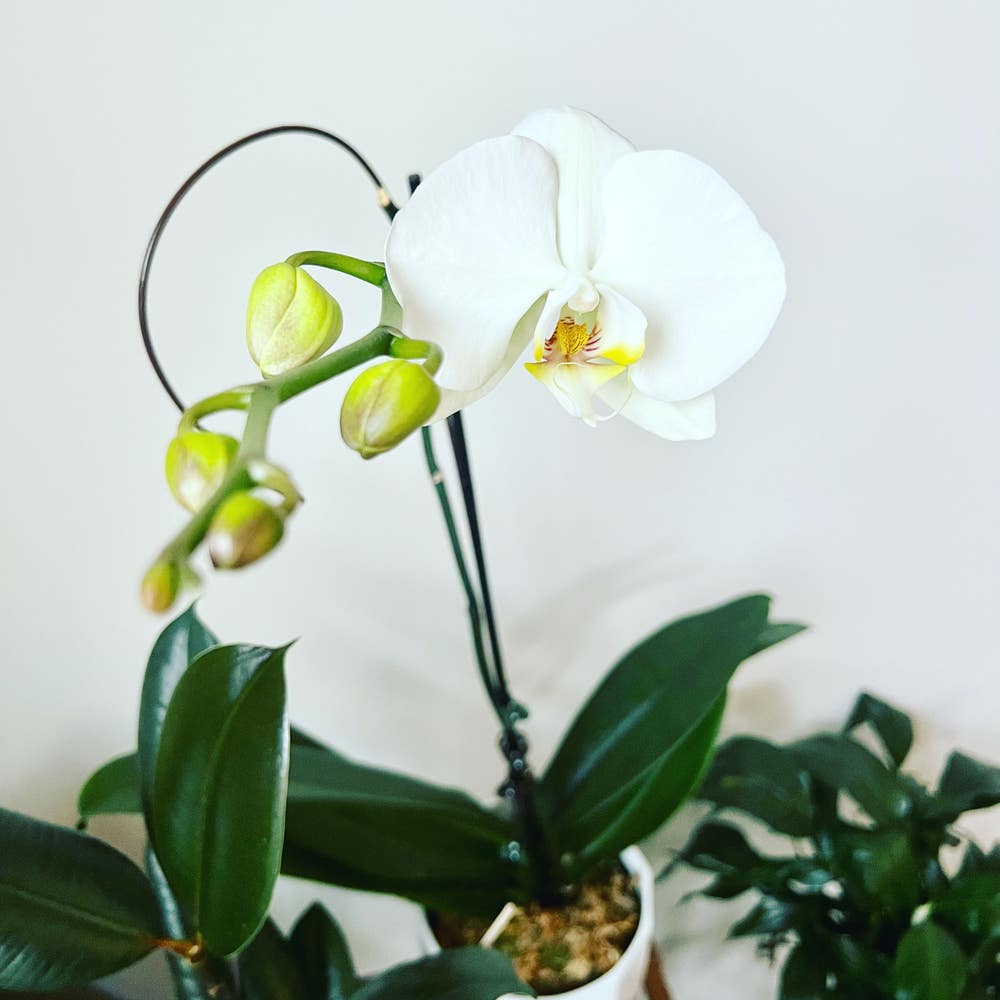
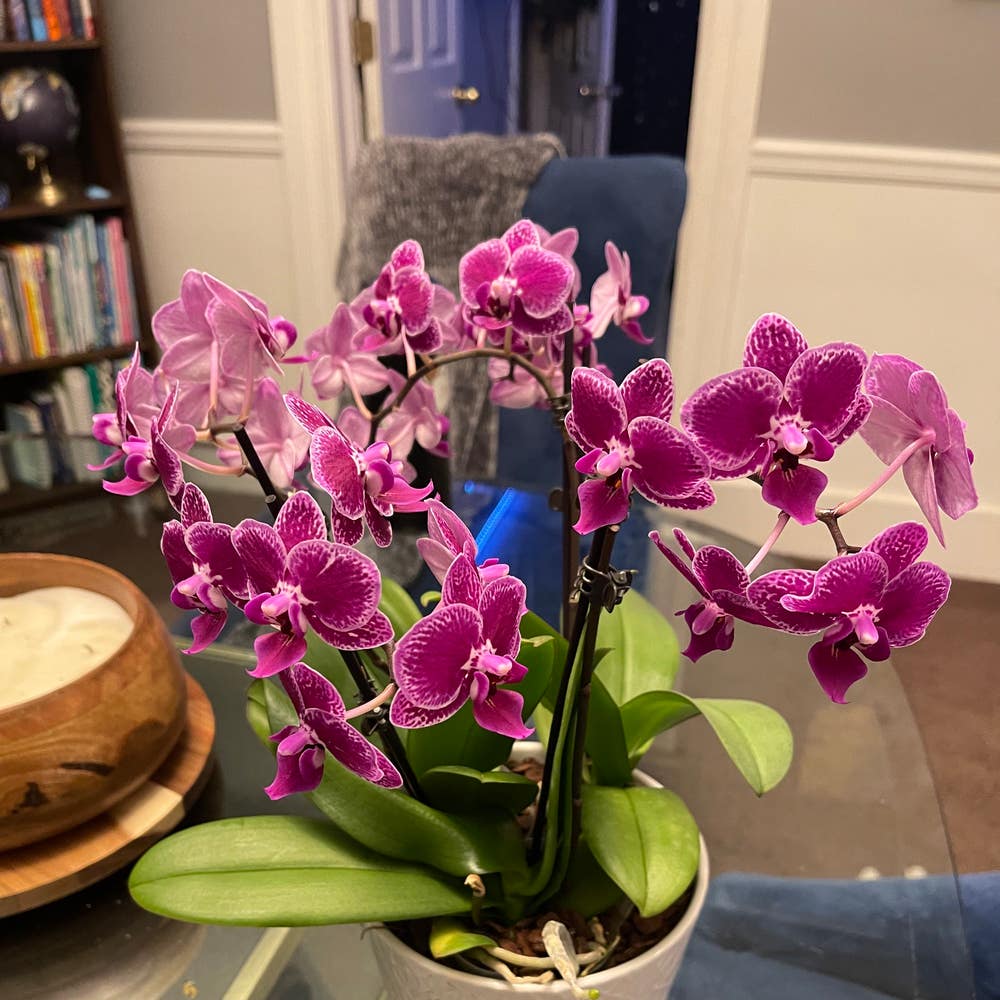
One of the most captivating aspects of the Moon Orchid is its ability to produce multiple blooms throughout the year. This stands in stark contrast to annuals, which typically flower once before completing their lifecycle.
🌱 Reproductive Strategies of Moon Orchid
The Moon Orchid employs both self-pollination and cross-pollination as its primary pollination methods. This dual strategy enhances its chances of successful reproduction, ensuring long-term survival through effective seed production.
🌾 Seed Production Mechanisms
The mechanisms for seed production in the Moon Orchid are designed for resilience. Unlike annuals, which often produce a large number of seeds in a short time, the Moon Orchid focuses on quality and viability, ensuring its seeds can endure various environmental conditions.
🔄 Comparison with Annual Reproductive Strategies
In comparison to annuals, which rely on rapid reproduction to complete their lifecycle, the Moon Orchid's reproductive strategies reflect its perennial nature. This adaptability allows it to thrive in diverse environments, making it a fascinating subject for both gardeners and botanists alike.
As we delve deeper into the differences between the Moon Orchid and annuals, we'll explore how these unique characteristics influence their growth and flowering patterns.
Differences Between Moon Orchid and Annuals
Lifecycle Comparison with True Annuals 🌱
The Moon Orchid boasts a multi-year lifecycle, often thriving for decades, while true annuals complete their life cycle in just one season. This fundamental difference means that Moon Orchids experience both active growth and dormancy phases, allowing them to conserve energy and resources over time.
Growth and Flowering Differences 🌸
One of the most striking differences is the frequency of flowering. Moon Orchids can bloom multiple times a year, offering a prolonged display of beauty compared to the single flowering event typical of annuals. Additionally, the blooms of Moon Orchids tend to last longer, providing extended enjoyment in your garden.
Seed Production Variations 🌾
When it comes to seed viability, Moon Orchids excel with their ability to store seeds long-term, ensuring survival through various conditions. In contrast, annuals often rely on rapid seed dispersal strategies, focusing on immediate reproduction rather than long-term sustainability.
Understanding these differences not only highlights the unique characteristics of Moon Orchids but also emphasizes their value in garden design and care. As we explore the conditions affecting their perennial nature, you'll see how these factors further distinguish Moon Orchids from their annual counterparts.
Conditions Affecting Perennial Nature
🌙 Situations Where Moon Orchid May Be Mistaken for an Annual
Moon Orchids can sometimes be misidentified as annuals due to environmental stressors. Fluctuations in temperature and humidity can lead to stunted growth or even dormancy, which may appear as if the plant has died.
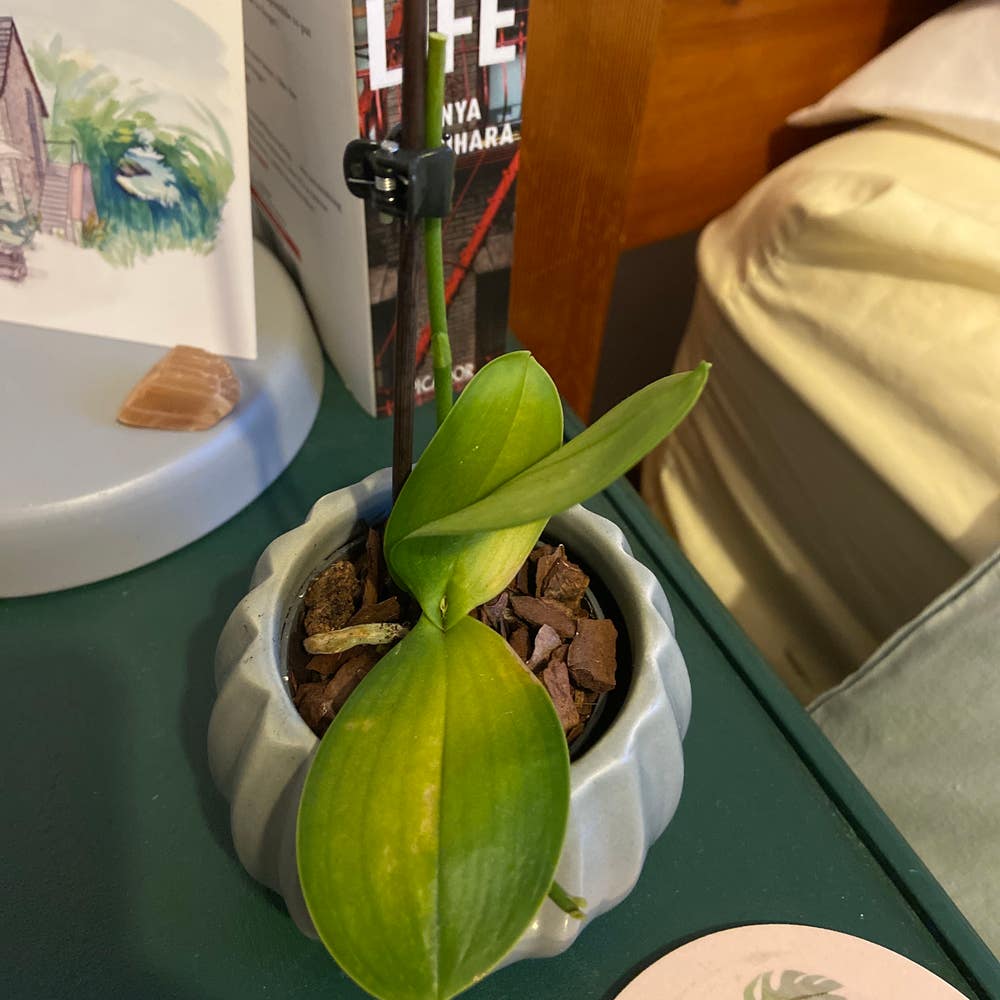
This misinterpretation often stems from a lack of understanding of the Moon Orchid's natural lifecycle. During dormancy, the plant conserves energy, making it crucial for gardeners to recognize this phase rather than assume the plant is no longer viable.
🌍 Regional Variations in Growth and Care
The climate plays a significant role in the growth patterns of Moon Orchids. In warmer, humid regions, these orchids may thrive and bloom more frequently, while cooler climates can slow their growth and flowering.
Adaptations to different environments also affect how Moon Orchids are classified. Understanding these regional variations helps gardeners provide the best care, ensuring that these beautiful plants can flourish in diverse conditions.
As we explore the implications of using Moon Orchids in garden design, it's essential to consider how their unique characteristics can enhance any landscape.
Garden Design Implications
🌙 Advantages of Using Moon Orchid in Perennial Planting
Moon Orchids bring a unique charm to gardens with their longevity and repeated blooms. Unlike annuals that need replanting each year, these orchids can thrive for decades, making them a stunning, low-maintenance choice.
Investing in Moon Orchids is cost-effective. Their long lifespan means fewer replacements, allowing you to enjoy their beauty year after year without breaking the bank.
🌼 Strategies for Incorporating Moon Orchid into Garden Design
Companion planting is a fantastic way to enhance your garden with Moon Orchids. Pair them with other perennials that share similar care needs, creating a harmonious and vibrant landscape.
Designing for seasonal interest is key. With Moon Orchids' unique flowering cycles, you can plan your garden to ensure there's always something in bloom, keeping your outdoor space lively and inviting throughout the year.
Incorporating these strategies not only elevates your garden's aesthetic but also fosters a thriving ecosystem. As you explore the possibilities, consider how Moon Orchids can transform your gardening experience.
Management Tips for Moon Orchid
Best Practices for Maximizing Longevity 🌱
To ensure your Moon Orchid thrives, focus on its ideal growing conditions. These plants flourish in warm temperatures, ideally between 70°F to 85°F, with high humidity levels around 50% to 70%.
Light is crucial too; provide bright, indirect sunlight. Too much direct light can scorch the leaves, while too little can hinder growth.
Nutrient management is equally important. Use a balanced orchid fertilizer every two weeks during the growing season, and reduce frequency during dormancy.
Seasonal Considerations for Moon Orchid Care 🌦️
Adjusting care practices with the changing seasons is vital for your Moon Orchid's health. In spring and summer, increase watering and humidity to support active growth.
As fall approaches, gradually reduce watering to prepare the plant for dormancy. This transition helps the orchid conserve energy for the next growth phase.
Recognizing the signs of dormancy is key. During this period, your Moon Orchid may appear less vibrant, but it's simply resting, ready to bloom again when conditions improve.
By understanding these management tips, you can cultivate a thriving Moon Orchid that enhances your garden year after year. Next, let’s explore the advantages of incorporating this stunning plant into your garden design.
⚠️ Safety First
This content is for general information and may contain errors, omissions, or outdated details. It is not medical, veterinary advice, or an endorsement of therapeutic claims.
Always consult a qualified healthcare professional before using any plant as food, medicine, or supplement.
Never eat any plant (or feed one to pets) without confirming its identity with at least two trusted sources.
If you suspect poisoning, call Poison Control (800) 222-1222, the Pet Poison Helpline (800) 213-6680, or your local emergency service immediately.
Spotted an error? Please report it here.
Unlock the long-lasting beauty 🌸 of your Moon Orchid with Greg's tailored care reminders and tips, ensuring it flourishes for years to come!