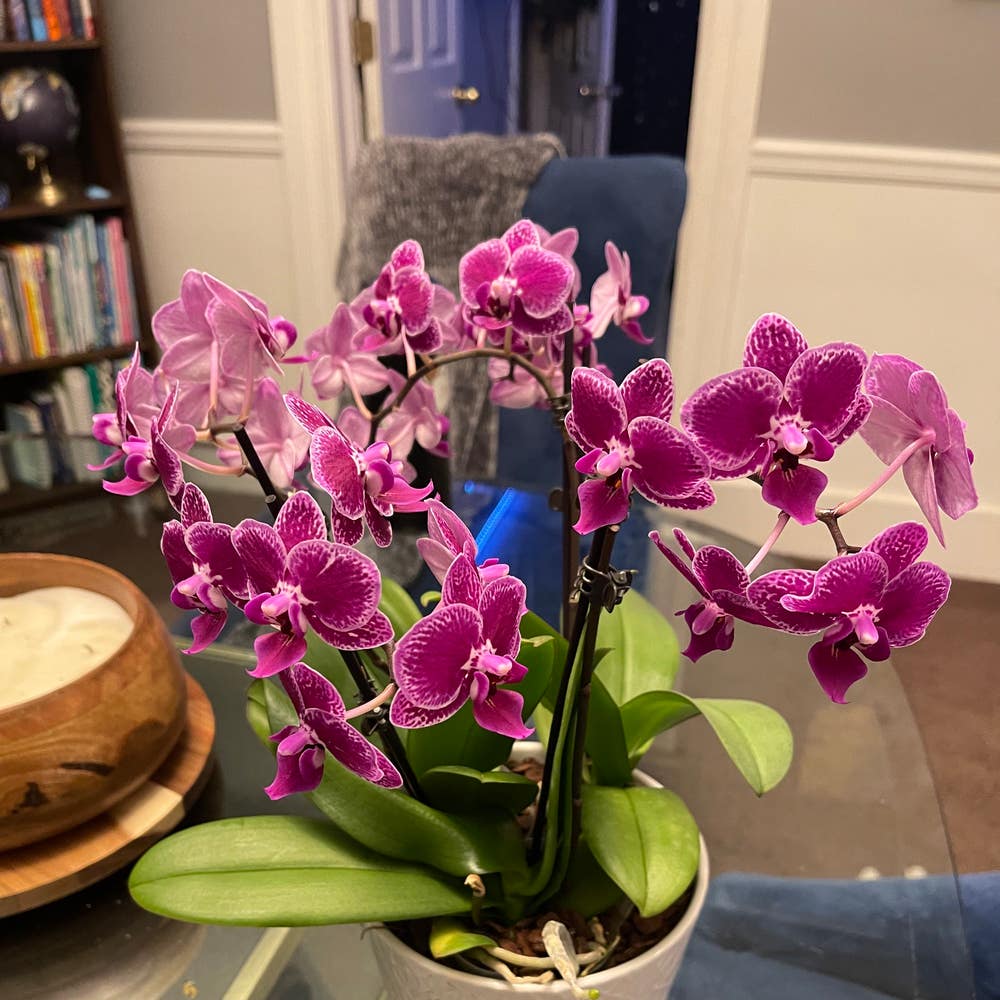
Does My Moon Orchid Need Direct Sunlight?
Phalaenopsis amabilis
By the Greg Editorial Team
Jun 15, 2024•4 min read
This article was created with the help of AI so we can cover more plants for you. May contain errors. See one? Report it here.
- 🌿 Moon Orchids thrive in bright, indirect light, not direct sunlight.
- 🌞 East-facing windows provide the gentle morning sun they prefer.
- 🛑 Watch for sunburn signs like yellow/brown patches on leaves.
When the Sun Kisses the Moon Orchid
🌿 Can Moon Orchids Soak Up the Sun?
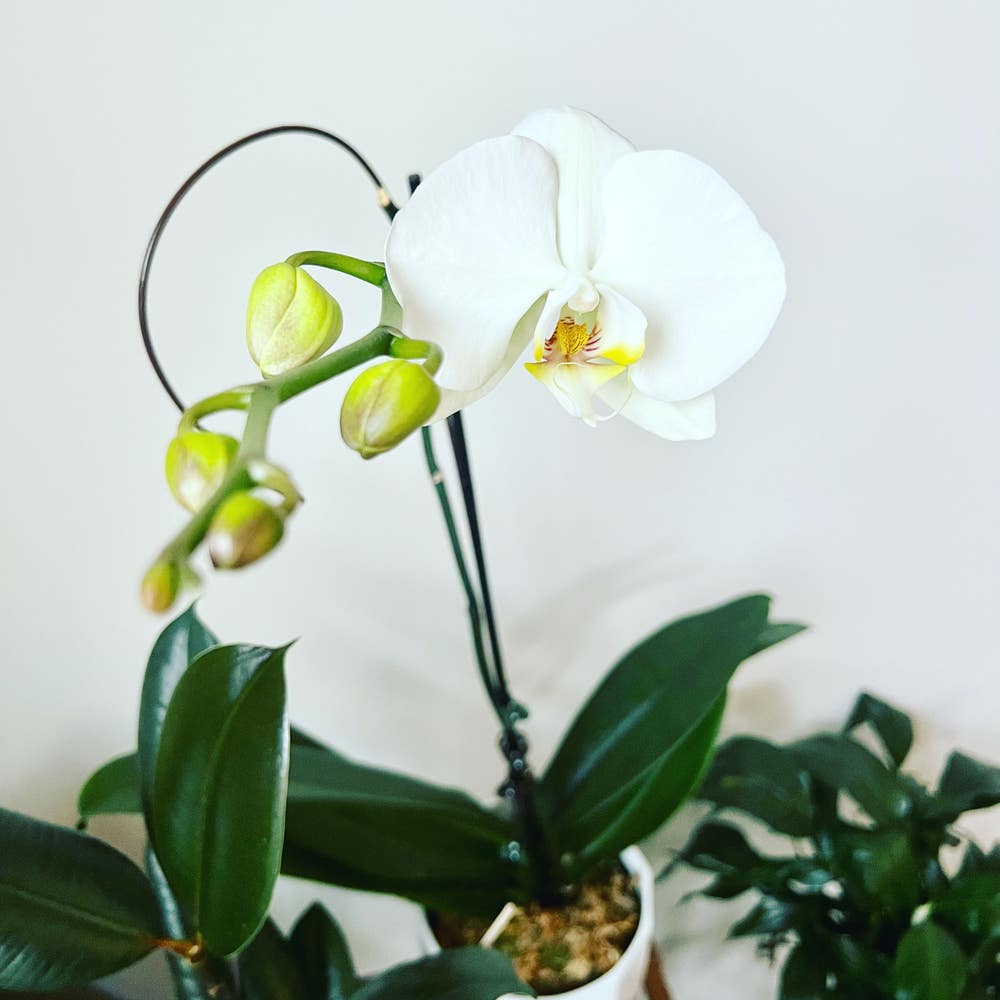
Direct sunlight and Moon Orchids are a mismatch. These beauties prefer the comfort of shade, thriving in bright but indirect light. Too much sun can lead to stress and sunburn, while too little can stunt their growth and flowering potential. The goal is to find that sweet spot, akin to a cozy nook with a skylight rather than a seat in the glaring midday sun.
🌴 The Natural Habitat Clues
Moon Orchids hail from tropical environments, basking in the filtered light of forest canopies. Their leaves tell a story of adaptation to these conditions, craving similar dappled sunlight in your home. To mimic their natural habitat, place them near a window where they can enjoy bright, indirect sunlight, avoiding the harshness of direct rays. This will encourage their stunning blooms without risking the health of the plant.
Windows: The Gateways of Light for Your Moon Orchid
🌞 Direction Matters: Which Windows to Choose
Moon Orchids are like the Goldilocks of the plant world; they need their light just right. East-facing windows are your best bet, offering a gentle buffet of morning sun without the harsh midday glare. Think of these windows as the plant equivalent of a spa day—relaxing and rejuvenating.
🛡️ South-facing windows, on the other hand, are the sun's megaphones, blasting intense rays that can overwhelm your orchid's delicate sensibilities. If south is all you've got, no worries—just pull out that sheer curtain and drape it like a shield. It's like sunglasses for your plant, filtering out the harshest rays.
Hemisphere Hints
Your hemisphere is a game-changer for your Moon Orchid's sunbathing habits. In the Northern Hemisphere, south-facing windows are the sun's stage, while in the Southern Hemisphere, it's the north-facing ones that bask in the spotlight.
Seasons flip the script on your light strategy. As the Earth tilts, your plant's light needs do a little dance. In winter, you might need to scoot your orchid closer to the light, while summer could call for a strategic retreat. Keep an eye on the sun's path and move your plant as if it's doing a slow, graceful tango with the light.
Spotting Sun Trouble: Signs Your Moon Orchid is Getting Too Much
🌞 Telltale Signs of Sunburn
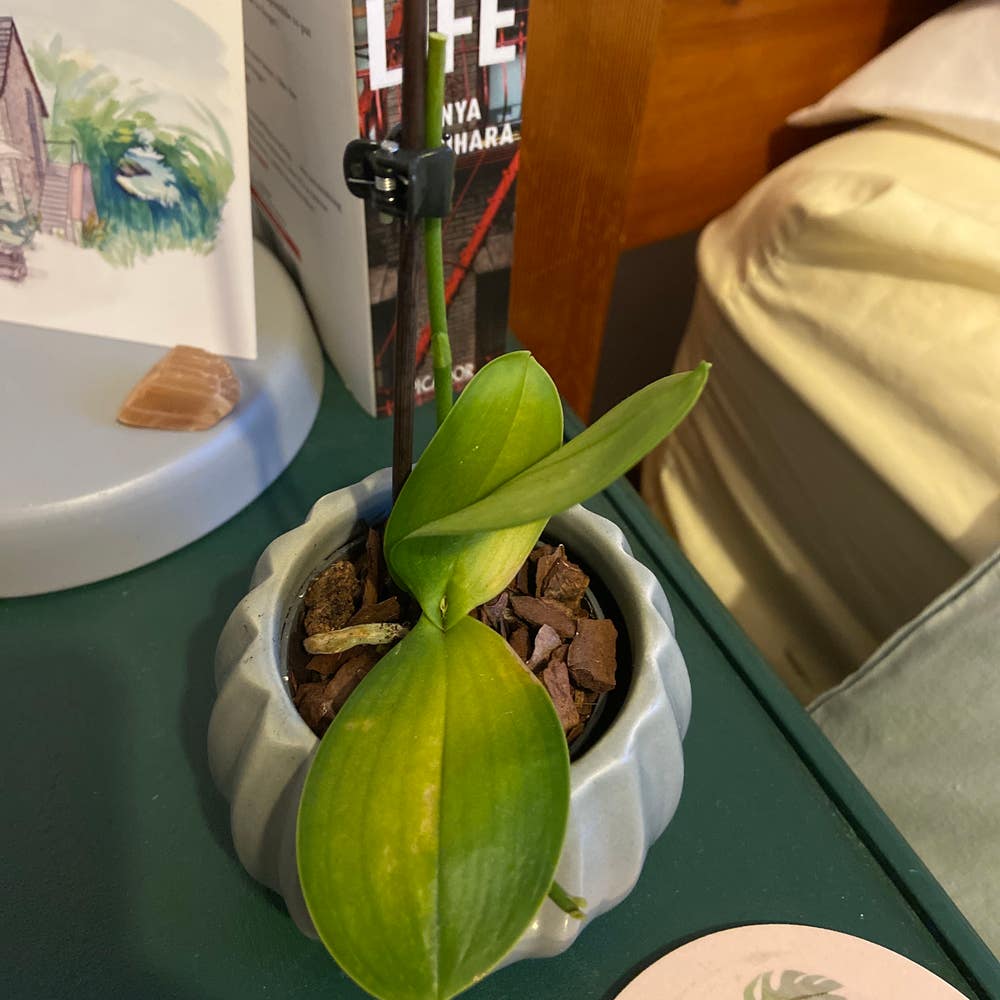
Moon Orchids can't speak, but they're pretty good at showing when they've had too much sun. If your orchid's leaves are throwing a tie-dye party with yellow and brown patches, it's crying out for shade. Crispy edges are the plant's equivalent of a red, peeling sunburn. And if the flowers are discoloring or dropping like flies, it's a clear sign that your Moon Orchid is in a solar pickle.
🛠 Quick Fixes for Sun-Struck Orchids
Caught your Moon Orchid sunbathing for too long? Move it to shade, stat. An east-facing window is like a cozy nook for these guys, offering a gentle light touch without the burn. If the leaves look like they've been in a toaster, snip the worst bits—but only if it's less than a third. Otherwise, leave the plant be; it's already stressed enough. Crank up the humidity to give it that tropical spa vibe, and keep the water coming—but don't drown it in love. And keep an eye out for pests trying to kick your orchid while it's down.
Crafting the Ideal Sunlight Environment for Moon Orchid
🌞 Creative Shading Techniques
Window coverings are your allies in the quest for the perfect light. Sheer curtains diffuse harsh rays, safeguarding your Moon Orchid from the solar smackdown. Plant placement is equally strategic; a few feet from a window can mean the difference between a light snack and a full-blown feast for your green friend.
💡 Monitoring and Adjusting
Keep a vigilant eye on your Moon Orchid. It's not just about setting and forgetting. Light conditions change with the seasons, and so should your plant's position. If your orchid's leaves are throwing shade by looking dull, it's time to shuffle things around. Tweak the light, and watch your orchid thank you with vibrant growth.
⚠️ Safety First
This content is for general information and may contain errors, omissions, or outdated details. It is not medical, veterinary advice, or an endorsement of therapeutic claims.
Always consult a qualified healthcare professional before using any plant as food, medicine, or supplement.
Never eat any plant (or feed one to pets) without confirming its identity with at least two trusted sources.
If you suspect poisoning, call Poison Control (800) 222-1222, the Pet Poison Helpline (800) 213-6680, or your local emergency service immediately.
Spotted an error? Please report it here.
Prevent sunburn and keep your Moon Orchid in peak health 🌞 by using Greg's PlantVision to find the ideal spot for gentle, indirect light.