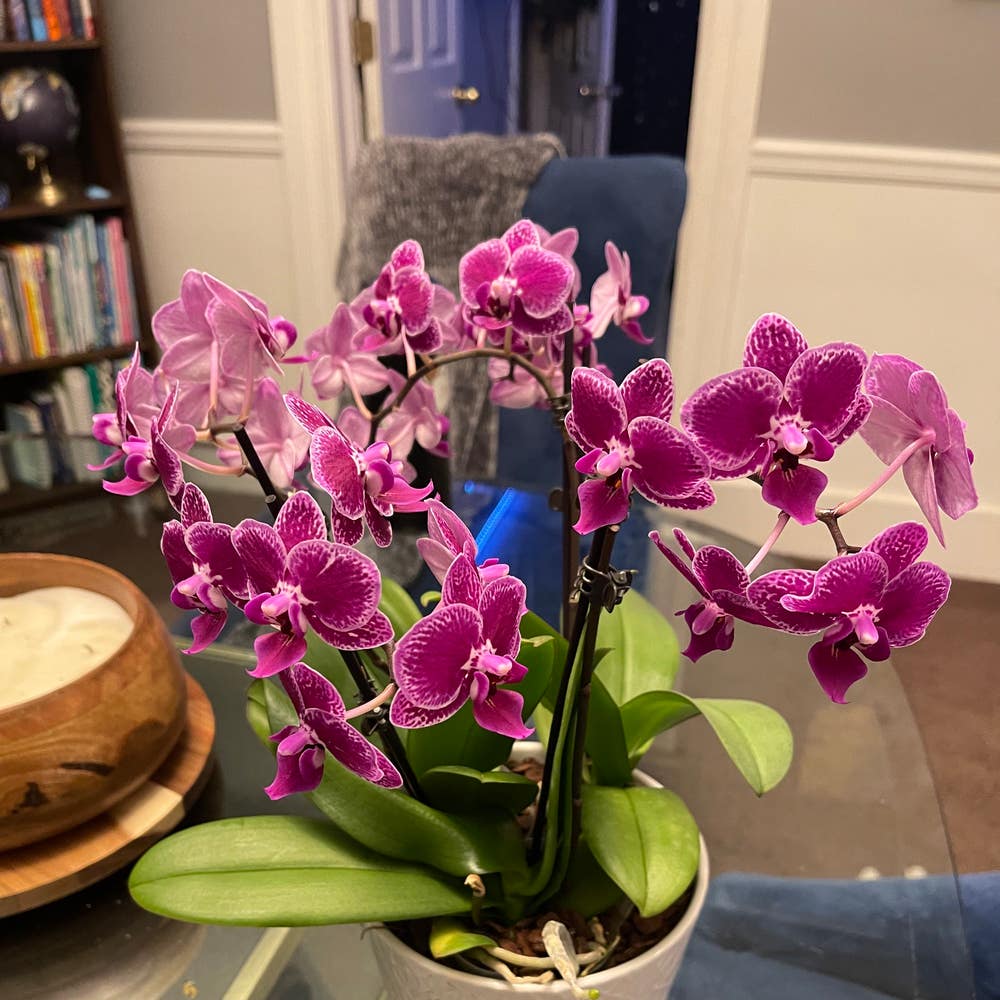
Best Potting Soil Mix for Moon Orchid
Phalaenopsis amabilis
By the Greg Editorial Team
Jun 15, 2024•4 min read
This article was created with the help of AI so we can cover more plants for you. May contain errors. See one? Report it here.
- Well-draining soil mix is key for Moon Orchid health.
- Look for lightweight, pH-balanced commercial mixes with perlite.
- Repot when roots show or growth stops, using fresh mix and gentle care.
Spotting Trouble in Paradise: Unhealthy Soil Symptoms
🍄 Moldy Menaces: Identifying and Tackling Fungal Issues
White fuzz or a swampy smell? Mold's made itself at home. To evict it, increase airflow and dial back the watering. Still partying? Bring out the fungicide.
💧 When Water Won't Leave: Dealing with Compaction and Waterlogging
If your soil's more sponge than soil, you've got drainage drama. Quick fix: mix in perlite or peat moss. Check those pot holes—clogged? Unplug 'em.
🌿 Hungry Roots: Spotting and Fixing Nutrient Deficiencies
Leaves whispering tales of nutrient deficiency? Time for a soil intervention. Mix in some compost or a balanced fertilizer to give your soil a nutrient boost.
Crafting the Perfect Moon Orchid Soil Mix at Home
🌱 The Base Matters: Choosing the Right Components
Moon Orchids thrive in well-draining soil that mimics their natural habitat. To achieve this, a balance between organic and inorganic elements is crucial. Organic matter, such as coco coir, provides nutrients and retains moisture. Inorganic components like perlite or vermiculite ensure adequate aeration and prevent compaction.
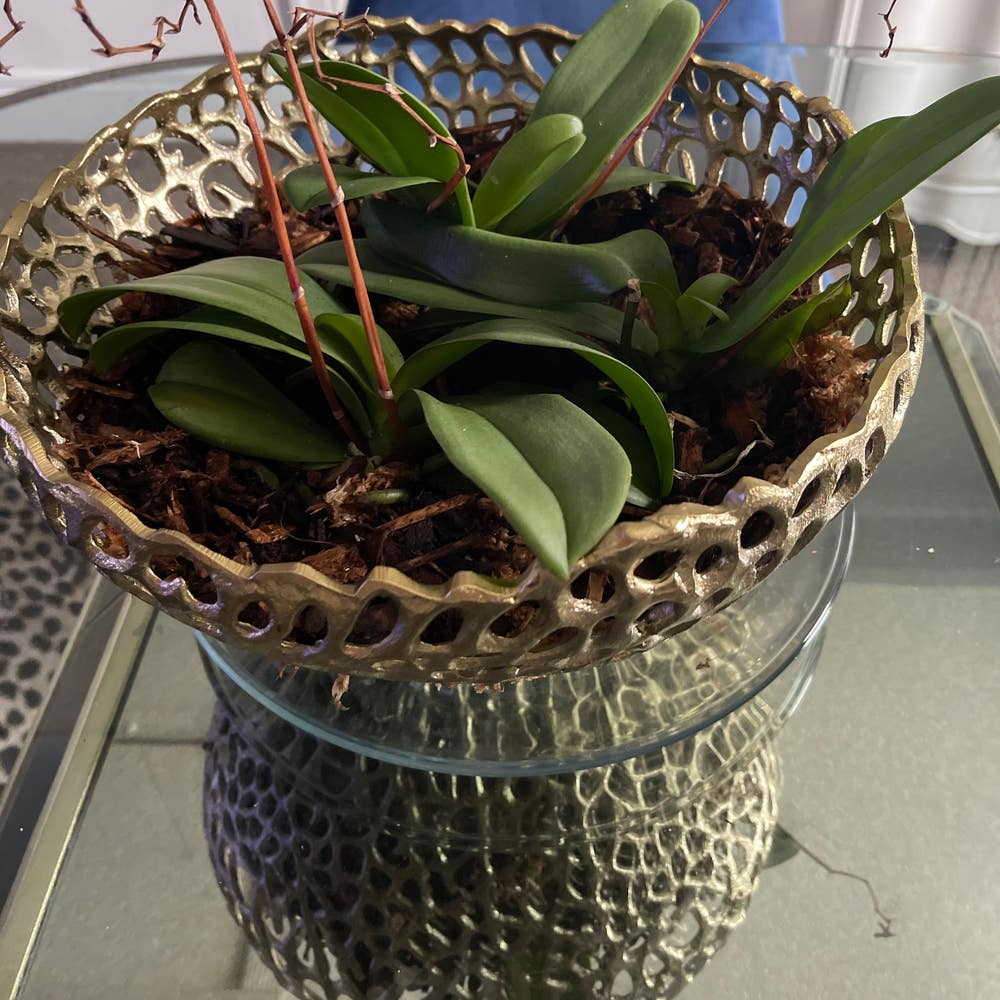
For moisture retention, sphagnum peat moss is a go-to, but remember to keep an eye on the pH. Orchid bark is another organic option, doubling as a nutrient source and aeration aid. Coarse sand can be added for improved drainage, but use it sparingly to avoid over-drying the mix.
🎨 Mixing It Up: Step-by-Step Guide to Creating Your Mix
Creating your Moon Orchid soil mix is an art. Start with a base of all-purpose potting soil, then follow these steps:
- Add one part perlite for every part of soil to prevent waterlogging.
- Mix in one part sphagnum peat moss for moisture control.
- Sprinkle in worm castings or compost for a nutrient boost.
- Consider a dash of coarse sand if drainage is a concern.
- Mix thoroughly, ensuring a consistent blend throughout.
Customize the mix based on your orchid's growth stage. Young plants may benefit from more organic matter, while mature Moon Orchids might prefer a chunkier mix. Don't be afraid to tweak the proportions as you observe how your orchid responds. Remember, the perfect mix is one that caters to your plant's unique needs.
Choosing the Best Commercial Potting Mixes
🕵️ What to Look For: Key Features of Orchid-Specific Mixes
When on the hunt for a commercial potting mix for your Moon Orchid, think of yourself as a detective deciphering the secrets of a perfect growing medium. Weight is a tell-tale sign; a lighter mix suggests better aeration and easier handling. Scan the ingredient list for limestone to ensure pH balance and perlite for that crucial airy structure.
🏆 Brand Breakdown: Top Picks for Moon Orchid Soil
Navigating the potting mix aisle can be overwhelming, but some brands stand out for their Moon Orchid compatibility. Premium Indoor Plant Soil is a solid choice, with a mix of coco coir, orchid bark, and perlite that hits the sweet spot between moisture retention and breathability. For those leaning towards organic options, Nature's Care offers a blend that's both eco-conscious and effective, though you might need to fine-tune it for your orchid's specific needs. If you're in the market for a mix that's ready to go and has a proven track record, Hoffman's Organic Cactus and Succulent Soil Mix might be labeled for succulents, but its ingredients list makes it a hidden gem for Moon Orchids as well.
When to Repot: Timing and Signs
🌺 Reading the Signs: When Your Moon Orchid Needs a Change
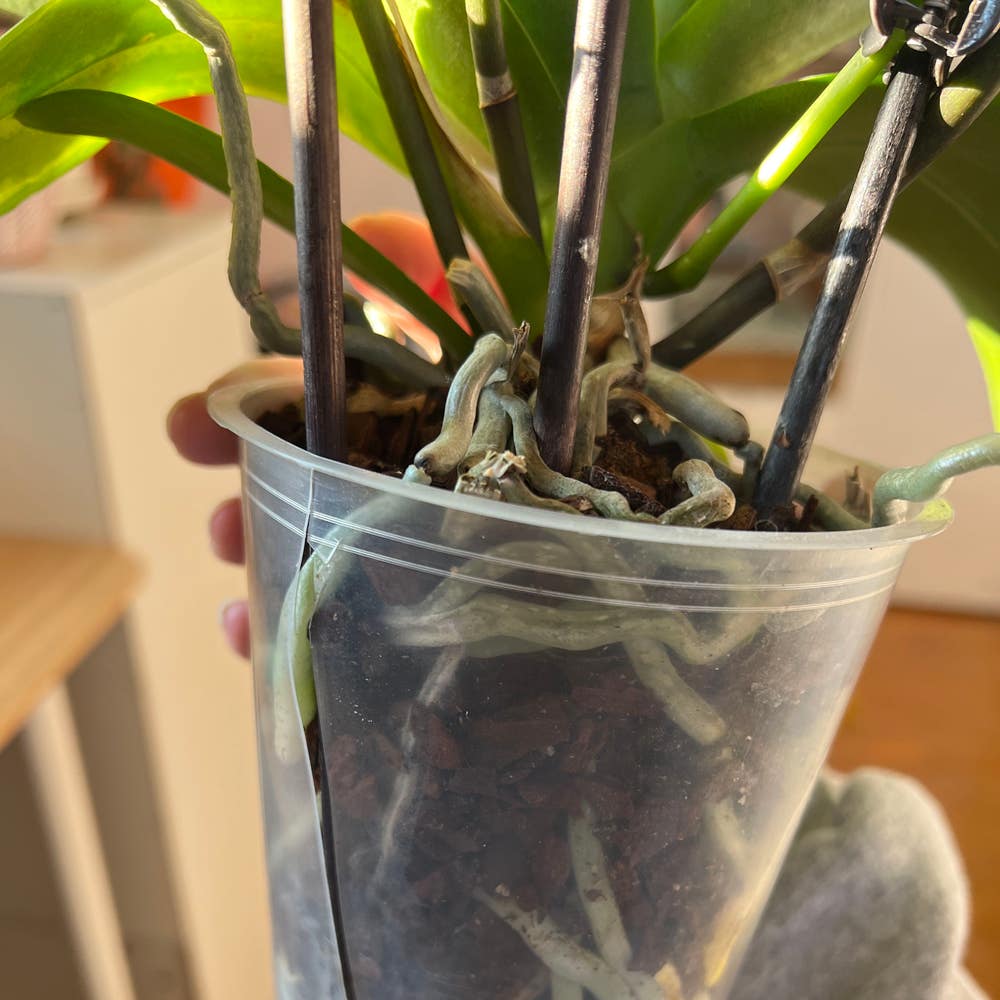
Moon Orchids don't come with maintenance alerts, so it's on you to spot the signs of distress. Roots peeking out of the pot's bottom? That's your orchid waving a white flag for more space. A foul smell or a pot heavier than your last dumbbell set? These are SOS signals from decaying media. If your green buddy is slacking on growth or the blooms have bid adieu, it's high time for a change of residence.
🌱 Repotting Without the Stress
Repotting doesn't have to be a root canal. Ease your orchid out of its pot like you're handling a priceless artifact. Find a new pot where the roots can throw a small party—about half an inch of legroom all around. Slide your plant in and tuck it into bed with fresh, cozy potting mix. Post-repotting, water it like it's at a spa, not preparing for a swim meet. Keep the ambiance similar; a sudden change in lighting is like teleporting your orchid to Mars. Remember, timing is key—don't throw a moving party when it's in full bloom.
⚠️ Safety First
This content is for general information and may contain errors, omissions, or outdated details. It is not medical, veterinary advice, or an endorsement of therapeutic claims.
Always consult a qualified healthcare professional before using any plant as food, medicine, or supplement.
Never eat any plant (or feed one to pets) without confirming its identity with at least two trusted sources.
If you suspect poisoning, call Poison Control (800) 222-1222, the Pet Poison Helpline (800) 213-6680, or your local emergency service immediately.
Spotted an error? Please report it here.
Ensure your Moon Orchid flourishes in a custom soil mix 🌱 with Greg's environment tracking and tailored care reminders, making potting and repotting as seamless as the bloom of an orchid.