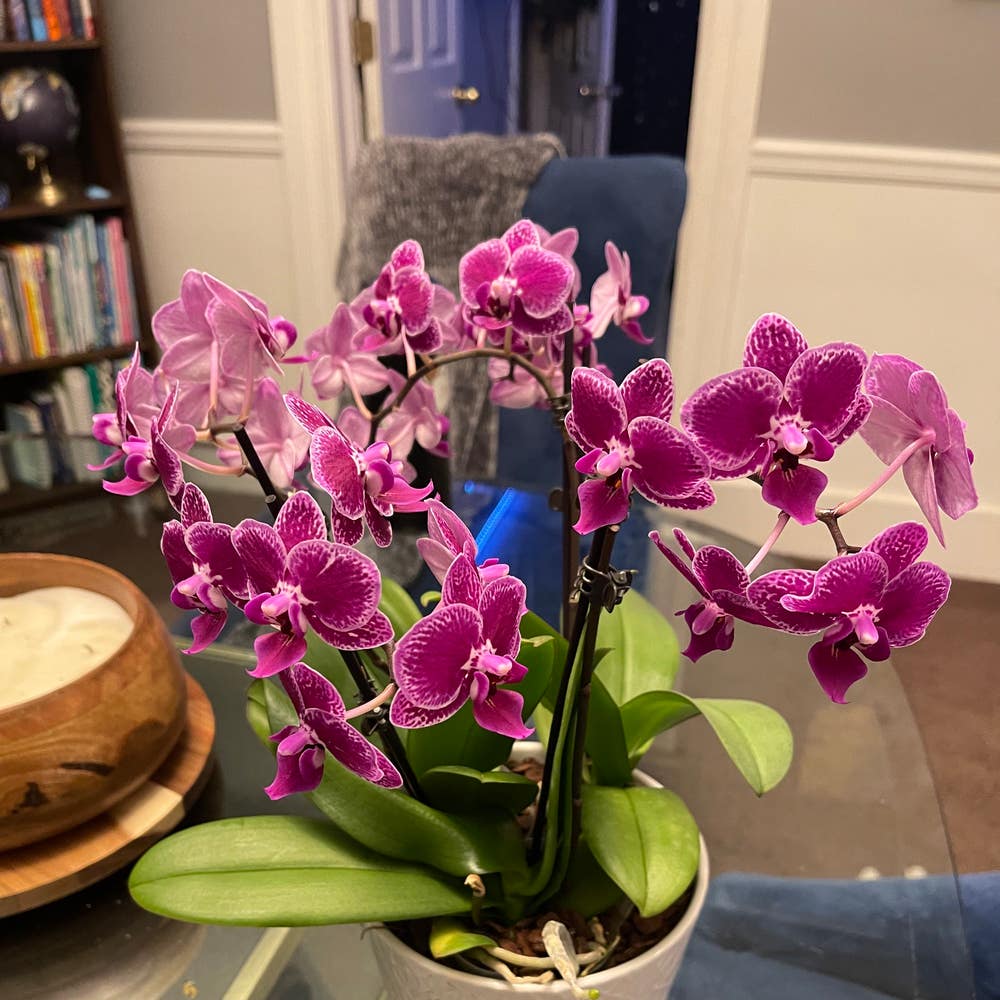
🌕 Why Are the Leaves on My Moon Orchid Turning Yellow?
Phalaenopsis amabilis
By the Greg Editorial Team
Jun 15, 2024•4 min read
This article was created with the help of AI so we can cover more plants for you. May contain errors. See one? Report it here.
- Overwatering and underwatering both cause yellow leaves; check soil moisture.
- Balance light exposure to prevent yellowing; indirect light is key.
- Nutrient balance is crucial; use orchid-specific fertilizer for vibrant leaves.
Pinpointing the Culprit: Common Causes of Yellow Leaves
💧 Overwatering and Root Health
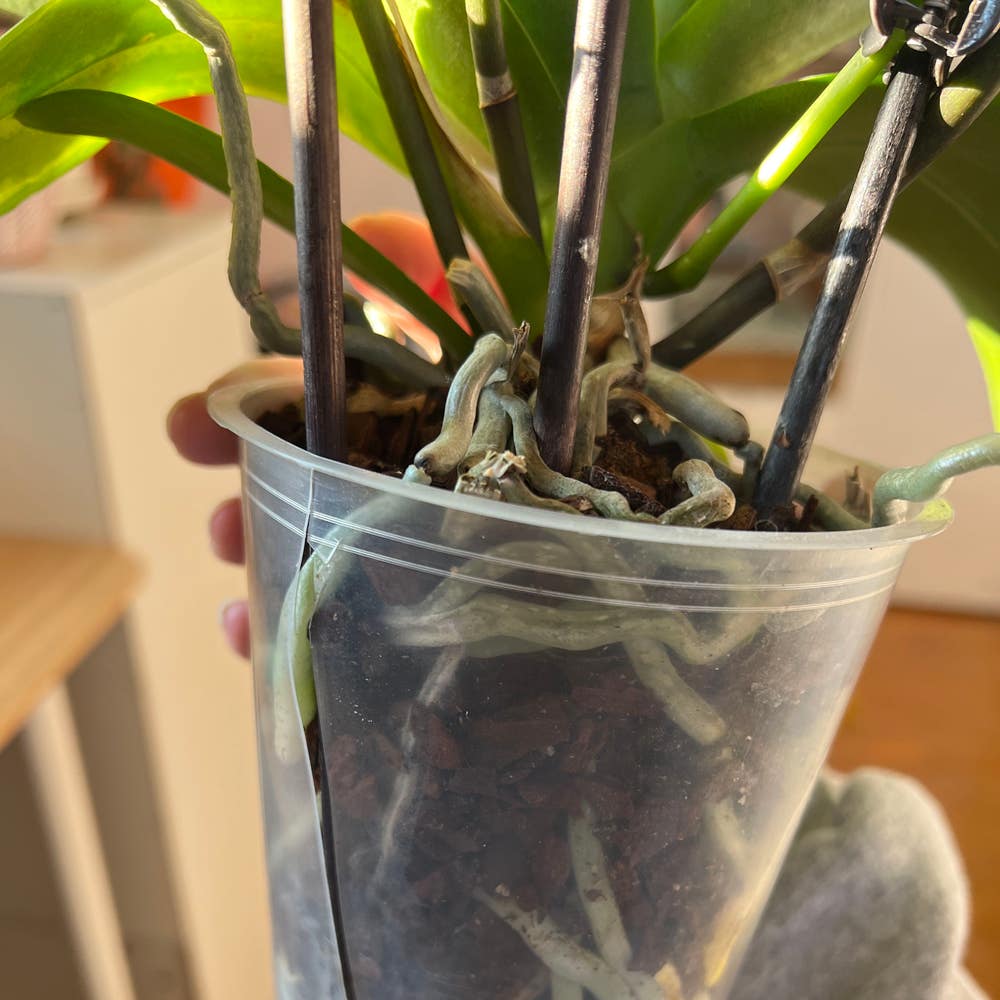
Moon Orchids are like the divas of the plant world; they demand perfection. Overwatering is the equivalent of giving them too much attention—it can smother their roots. If your orchid's leaves are more yellow than a rubber duck, it's time to suspect soggy soil. Check for root rot by examining if the roots are brown and mushy instead of firm and white.
🏜️ Underwatering Stress
Conversely, underwatering leaves your orchid as parched as a desert traveler. Signs include wrinkled leaves and a potting mix drier than a stand-up comedian's wit. Achieve balance by aiming for soil moisture akin to a wrung-out sponge—damp, but not dripping.
🌞 Light Exposure: Finding the Sweet Spot
Lighting for Moon Orchids is all about location, location, location. Too much sun and they'll burn faster than a vampire at the beach. Not enough, and they'll become as pale as a ghost. Adjust your orchid's position to bask in bright, indirect light and watch the yellow retreat.
🍽️ Nutrient Needs and Deficiencies
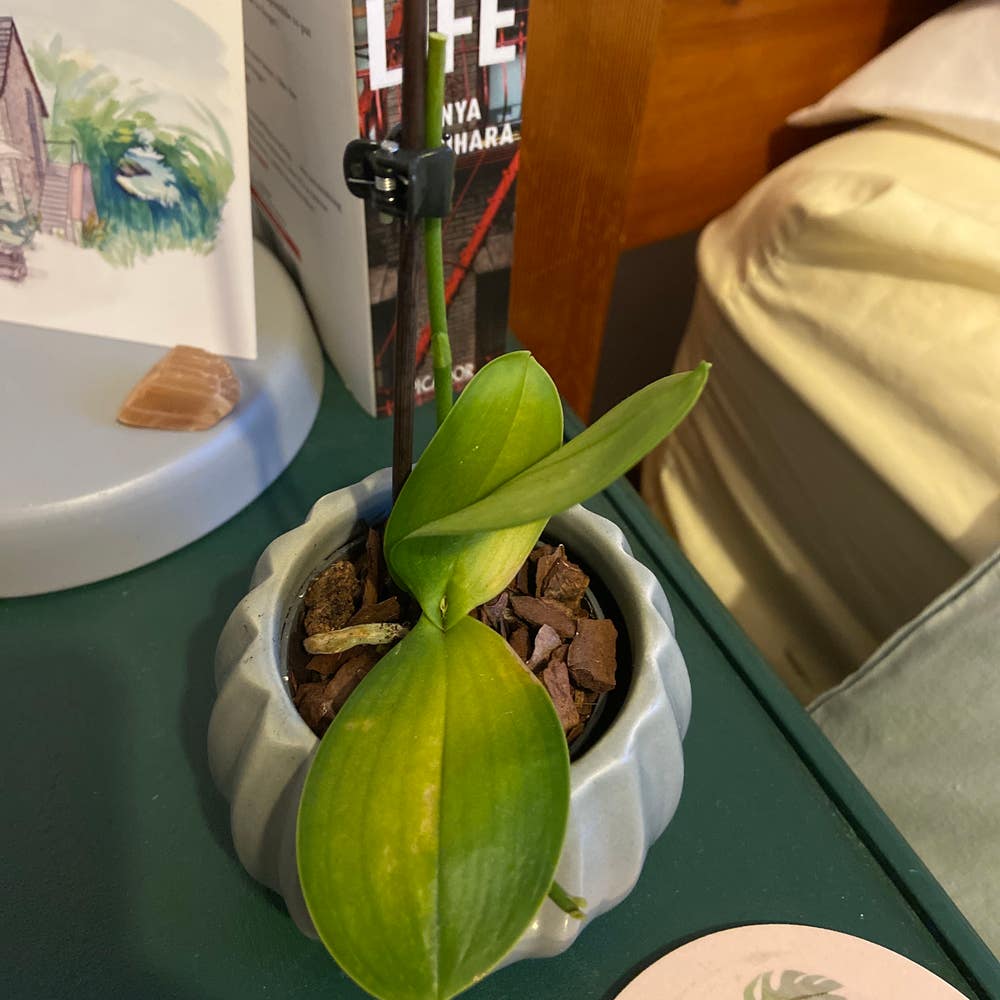
Your orchid isn't just being dramatic; yellow leaves can signal a cry for help. Nitrogen and iron are as essential to your plant as coffee on a Monday morning. If your Moon Orchid is looking more lemon than lime, consider a fertilizer that's like a multivitamin for plants, providing all the necessary nutrients.

Turning Over a New Leaf: Corrective Actions
💧 Revamping Watering Habits
Watering your Moon Orchid is a balancing act. To adjust your watering routine:
- Check the roots. Healthy roots are firm and green or white. Mushy, brown roots suggest overwatering.
- Let it dry. Before watering again, ensure the top inch of soil is dry to the touch.
- Soak, don't sprinkle. When watering, drench the soil until water runs through the drainage holes, then let excess water drain away.
- Timing is everything. Water in the morning to allow leaves to dry out during the day, reducing the risk of fungal diseases.
☀️ Optimizing Light for Lush Leaves
Light can make or break your Moon Orchid's health:
- Bright, indirect light is your orchid's best friend. Direct sunlight can scorch leaves, while too little light can weaken the plant.
- Rotate the pot regularly to ensure even light distribution and prevent leaning.
- Observe and adjust. If leaves are dark green and limp, your orchid may need more light. Yellow and crispy? It's probably getting too much.
🌱 Feeding Your Moon Orchid Right
Fertilization is crucial for vibrant leaves:
- Use a balanced fertilizer formulated for orchids, and apply it sparingly to avoid over-fertilization.
- Dilute the fertilizer to half-strength and feed your orchid every other watering during the growing season.
- Ease up in winter. As growth slows, so should your fertilizing frequency. Once a month is sufficient.
- Monitor the response. If your orchid's leaves perk up and remain a healthy green, you've hit the jackpot. If not, reassess your feeding strategy.

Keeping the Green: Preventive Tips
📅 Establishing a Moon Orchid Care Calendar
Consistency is your Moon Orchid's best friend. Mark your calendar for regular watering, fertilizing, and pruning sessions. As seasons change, so should your care routine—less water in winter, more in summer.
💧 Moisture Monitoring Techniques
Get hands-on; your fingers are the best moisture meters. Check the top inch of soil; if it's dry, it's time to water. Remember, it's a balance—thorough watering, but never soggy soil. Consider moisture meters for a tech-assisted approach.
💡 Ensuring Ideal Lighting Conditions
Your Moon Orchid doesn't need a tan; it craves bright, indirect light. Watch for signs of too much sun, like bleached leaves, or too little, like leggy growth. Rotate the plant for even exposure, and adjust its spot as the intensity of sunlight changes through the year.
⚠️ Safety First
This content is for general information and may contain errors, omissions, or outdated details. It is not medical, veterinary advice, or an endorsement of therapeutic claims.
Always consult a qualified healthcare professional before using any plant as food, medicine, or supplement.
Never eat any plant (or feed one to pets) without confirming its identity with at least two trusted sources.
If you suspect poisoning, call Poison Control (800) 222-1222, the Pet Poison Helpline (800) 213-6680, or your local emergency service immediately.
Spotted an error? Please report it here.
Keep your Moon Orchid's leaves radiantly green 🌿 by letting Greg tailor your watering schedule and optimize light conditions, preventing yellowing with ease.