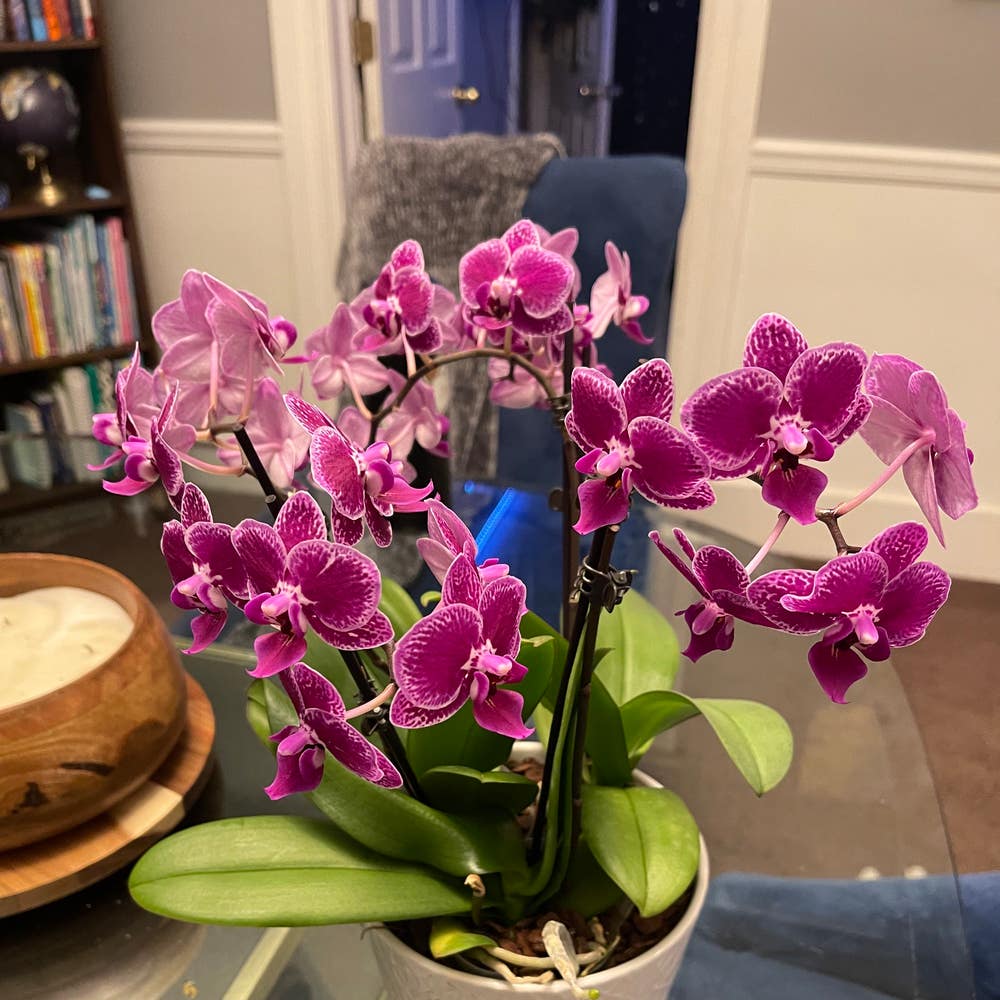
🌙 4 Winter Care Mistakes to Avoid with Moon Orchid
Phalaenopsis amabilis
By the Greg Editorial Team
Sep 30, 2024•6 min read
This article was created with the help of AI so we can cover more plants for you. May contain errors. See one? Report it here.
- ❄️ Protect Moon Orchids from frost using cloths and mulch for insulation.
- 🌡️ Maintain indoor temperatures between 65°F to 75°F for optimal health.
- 💧 Adjust watering to every 2-3 weeks in winter to prevent root rot.
Protection from Frost
Best Practices for Outdoor Frost Protection ❄️
Frost can be a sneaky adversary for your Moon Orchids. To shield them during those chilly nights, use frost cloths or blankets to cover your plants.
Creating barriers with mulch or straw can also help insulate the roots. This simple step can make a significant difference in protecting your orchids from frost damage.
Don’t forget to keep an eye on local weather forecasts for frost warnings. Being proactive can save your plants from unexpected cold snaps.
Indoor Strategies to Prevent Frost Damage 🏠
Inside your home, the battle against frost continues. Keep your Moon Orchids away from drafty windows and doors to minimize exposure to cold air.
Consider using space heaters or heat mats to maintain optimal temperatures. This ensures your orchids stay cozy and thriving throughout the winter months.
Proper ventilation is crucial as well. It helps avoid excess humidity, which can lead to mold and other issues that could harm your beloved plants.
By following these strategies, you can effectively protect your Moon Orchids from frost damage, ensuring they remain healthy and vibrant. As you prepare for the next section, remember that adjusting watering and fertilizing schedules is equally important for winter care.
Adjusting Watering and Fertilizing Schedules
🌨️ Modifying Watering Frequency During Winter
In winter, it's crucial to adjust your watering routine for your Moon Orchid. Reduce the frequency to prevent root rot; always check the soil moisture before watering.
A good rule of thumb is to water every 2-3 weeks, but this can vary based on humidity levels in your home. Remember, less is often more during the colder months.
🌱 Fertilizing Needs of Moon Orchids in Winter
When it comes to fertilizing, use a diluted, balanced fertilizer once a month. This helps provide essential nutrients without overwhelming the plant.
Avoid fertilizing during dormancy if your Moon Orchid shows no signs of growth. Keeping it simple ensures your orchid remains healthy and vibrant through the winter months.
As you fine-tune your care routine, you'll be setting the stage for a thriving spring. Next, let’s explore the optimal indoor conditions that will keep your Moon Orchid flourishing.
Indoor Winter Care
Optimal Indoor Temperature and Humidity Levels 🌡️
Maintaining the right temperature is crucial for your Moon Orchid's health. Aim for a cozy range of 65°F to 75°F (18°C to 24°C) during the day, allowing it to cool slightly at night.
Humidity is equally important. Keep levels between 40-60% by using humidifiers or placing pebble trays filled with water near your plants. This helps create a comfortable environment that prevents stress.
Light Requirements for Moon Orchids During Winter 💡
Your Moon Orchid craves bright, indirect light during the winter months. Direct sunlight can scorch its delicate leaves, so be mindful of its placement.
To ensure even light exposure, rotate the plant periodically. This simple step can make a significant difference in its growth and overall health.
By following these indoor care tips, your Moon Orchid will thrive even in the colder months. Next, let’s explore how to prepare for spring growth and recovery after winter dormancy.
Spring Preparation and Recovery
🌱 Signs That Your Moon Orchid is Recovering from Winter
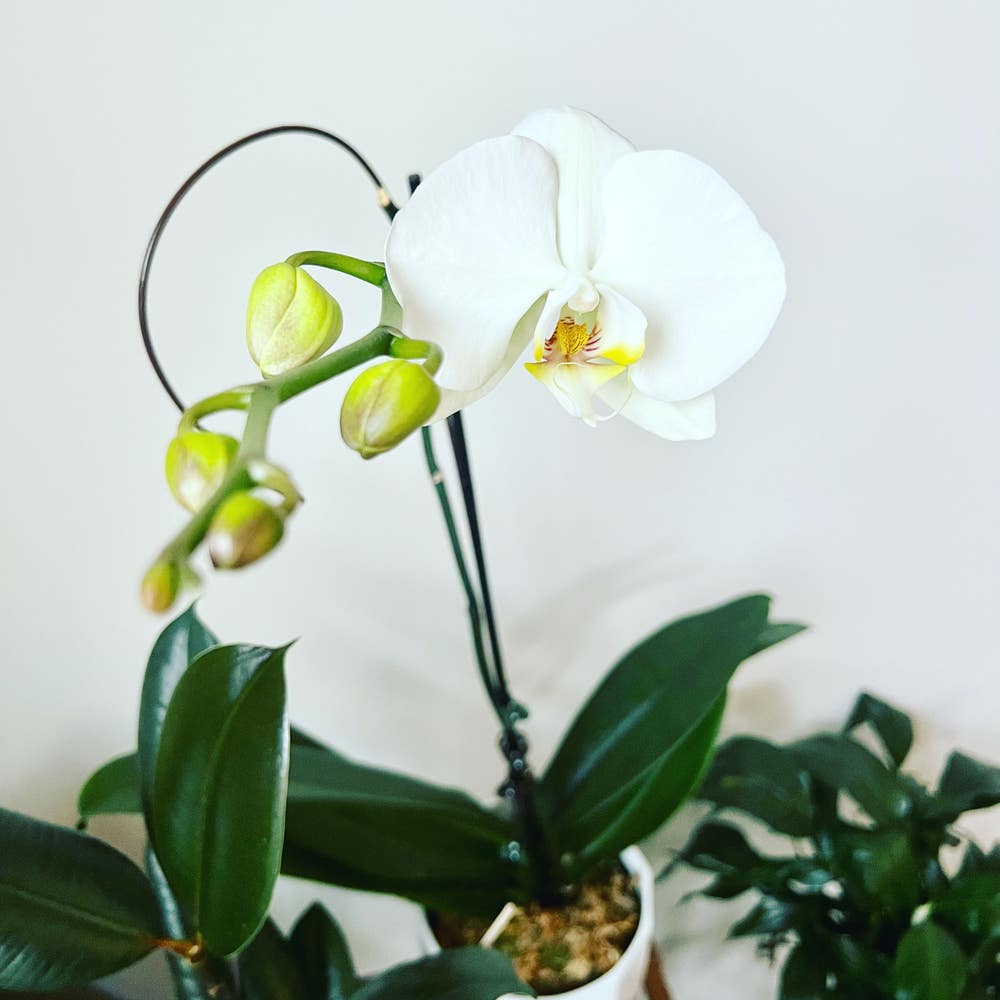
As winter fades, look for signs that your Moon Orchid is bouncing back. New leaf growth and root development are clear indicators of recovery, while the emergence of bloom spikes signals that your plant is gearing up for a vibrant spring.
🌼 Steps to Prepare for Spring Growth After Winter Dormancy
To help your Moon Orchid thrive, gradually increase your watering schedule. Start resuming regular fertilizing, ensuring your plant gets the nutrients it needs to flourish.
If your orchid has outgrown its pot, consider repotting. This refreshes the growing medium and gives roots more space to expand.
❄️ Addressing Any Winter Damage Before Spring
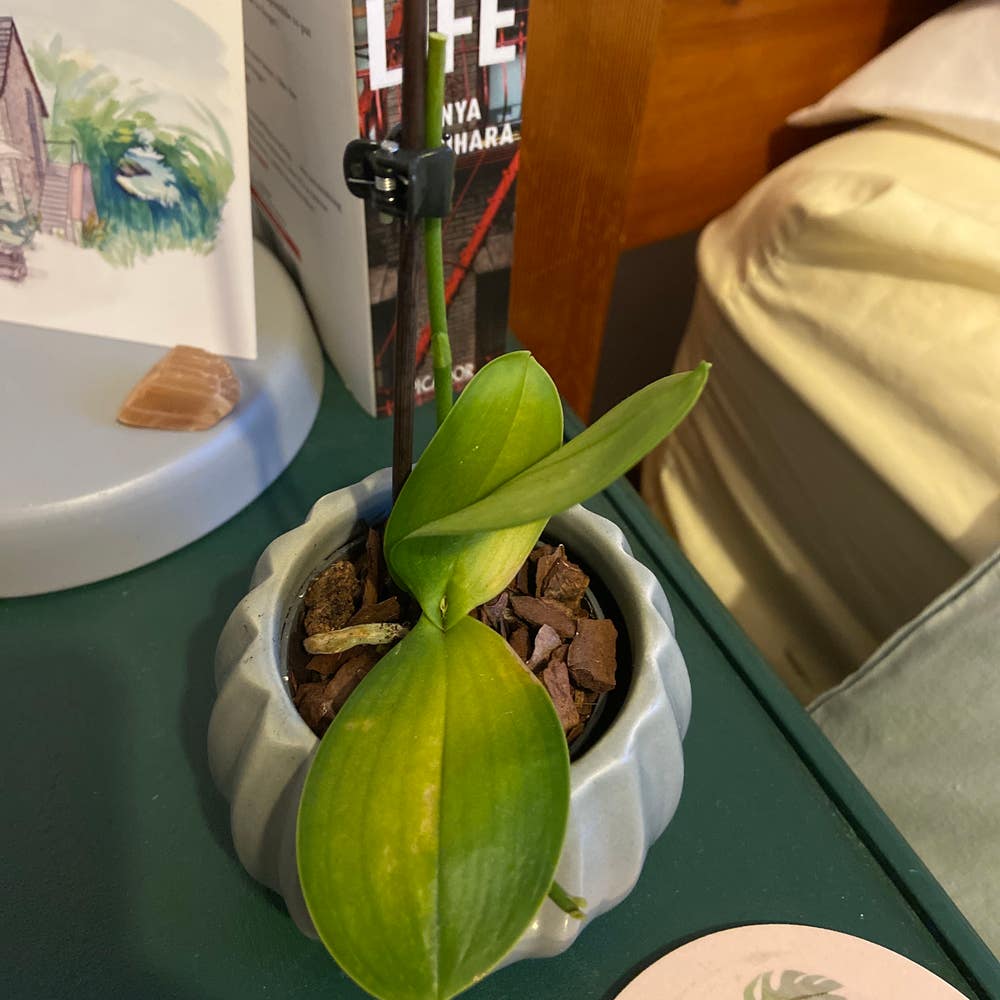
Before diving into spring care, inspect your plant for any frost damage. Yellow or blackened leaves may need pruning to promote healthy growth.
Additionally, check for any pest infestations that might have developed during the colder months. Addressing these issues early will set your Moon Orchid up for a successful growing season.
As you prepare for the vibrant growth ahead, keep an eye on your plant's needs. This proactive approach will ensure your Moon Orchid thrives as the weather warms up.
Common Winter Mistakes for Moon Orchids
🌊 Overwatering During Dormancy
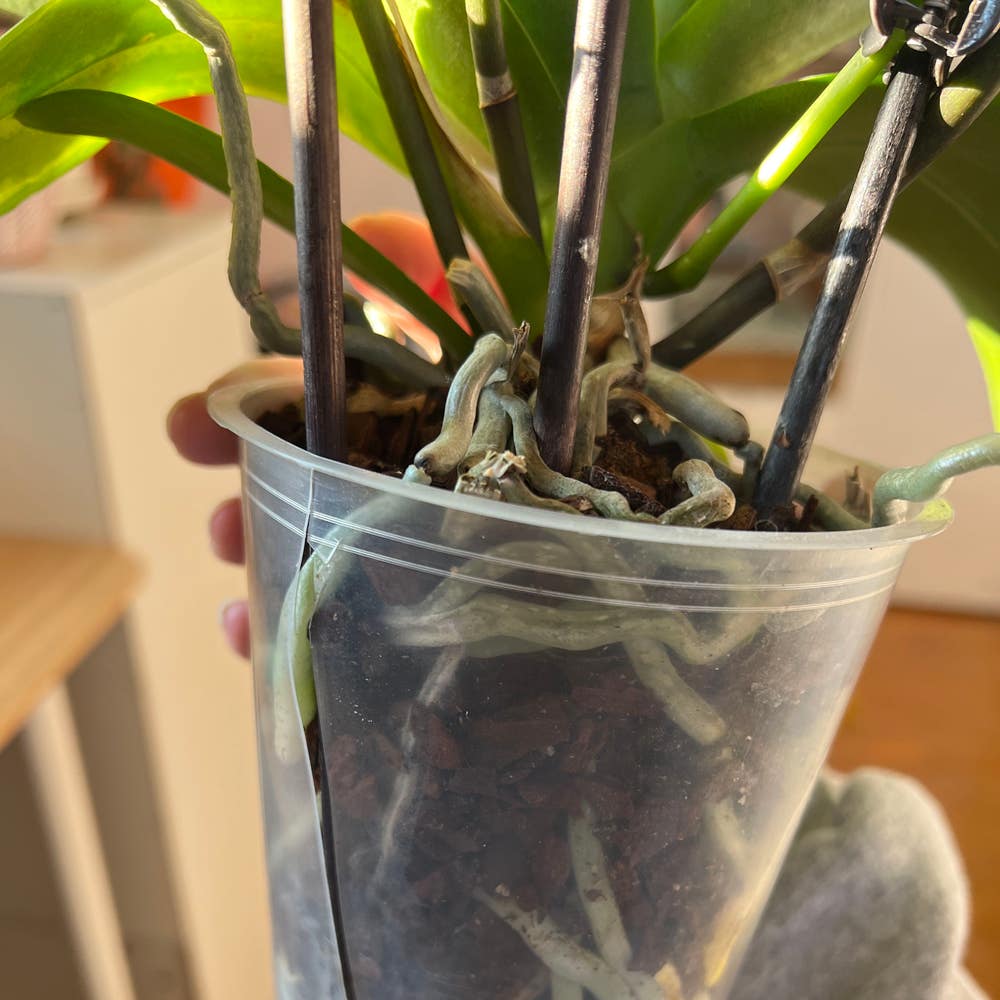
Overwatering is a common pitfall for Moon Orchid enthusiasts during the winter months. Signs of overwatering include mushy roots and yellowing leaves, which can signal that your plant is in distress.
To prevent this, adjust your watering schedule based on environmental conditions. During dormancy, it's crucial to check the soil moisture before watering, typically reducing frequency to every 2-3 weeks.
🌡️ Ignoring Temperature Fluctuations
Temperature fluctuations can be detrimental to your Moon Orchid's health. Monitor indoor temperatures closely, ensuring your plant isn’t placed near heaters or air conditioners that can create drafts.
Using thermometers can help you track temperature changes in the growing area. Keeping a consistent temperature will support your orchid's overall well-being.
💧 Neglecting Humidity Levels
Humidity is another critical factor that can stress your Moon Orchid during winter. Dry indoor air can lead to issues, so maintaining consistent humidity levels is essential.
Consider using humidity trays or misting your plant to keep moisture levels adequate. This simple step can make a significant difference in your orchid's health and vitality.
By avoiding these common mistakes, you can ensure your Moon Orchid thrives throughout the winter months. Next, let’s explore effective pest management strategies to keep your plant healthy and pest-free.
Orchid Pest Management in Winter
Common Winter Pests 🐛
During winter, your Moon Orchid can become a target for pests like mealybugs and spider mites. These pests thrive in dry conditions, making it crucial to keep an eye out for their presence.
Prevention and Control Methods 🛡️
Regular inspections are key to catching infestations early. Look for signs such as webbing or sticky residue on leaves.
If you spot pests, consider using insecticidal soap or neem oil for treatment. Always follow the label instructions to ensure safe and effective application.
Maintaining a proactive approach will help keep your Moon Orchid healthy and thriving through the winter months.
As you manage pests, remember to also focus on other aspects of winter care to ensure your plant's overall well-being.
⚠️ Safety First
This content is for general information and may contain errors, omissions, or outdated details. It is not medical, veterinary advice, or an endorsement of therapeutic claims.
Always consult a qualified healthcare professional before using any plant as food, medicine, or supplement.
Never eat any plant (or feed one to pets) without confirming its identity with at least two trusted sources.
If you suspect poisoning, call Poison Control (800) 222-1222, the Pet Poison Helpline (800) 213-6680, or your local emergency service immediately.
Spotted an error? Please report it here.
Keep your Moon Orchids thriving this winter ❄️ by using Greg's tailored reminders and care tips to avoid frost damage and overwatering!