How Do I Fix Moon Orchid Root Rot?
Phalaenopsis amabilis
By the Greg Editorial Team
Jun 15, 2024•5 min read
This article was created with the help of AI so we can cover more plants for you. May contain errors. See one? Report it here.
- Yellow leaves, mushy roots, foul odor signal root rot in Moon Orchids.
- Repot with surgical precision using well-draining materials and terracotta pots.
- Adjust watering, humidity, airflow to prevent and combat root rot.
Spotting the Red Flags: Early Signs of Root Rot in Moon Orchids
🚩 Visual Symptoms to Watch For
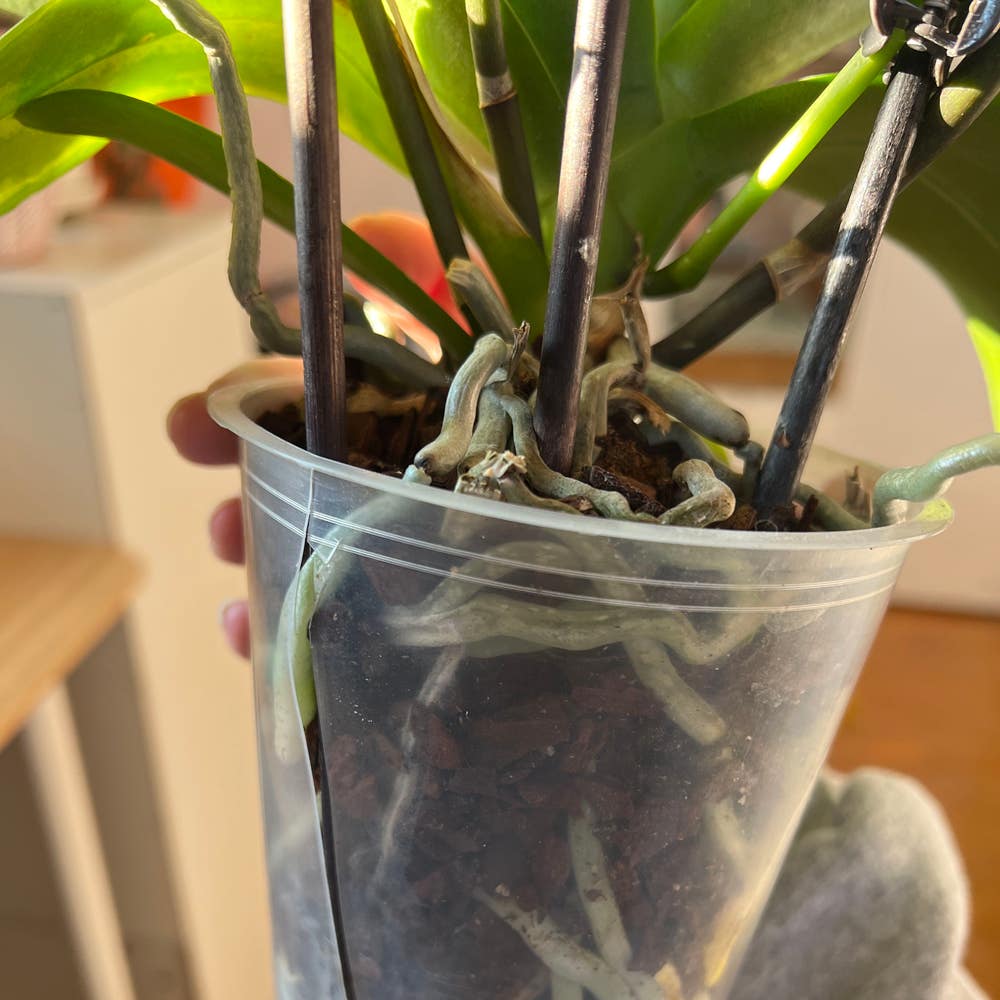
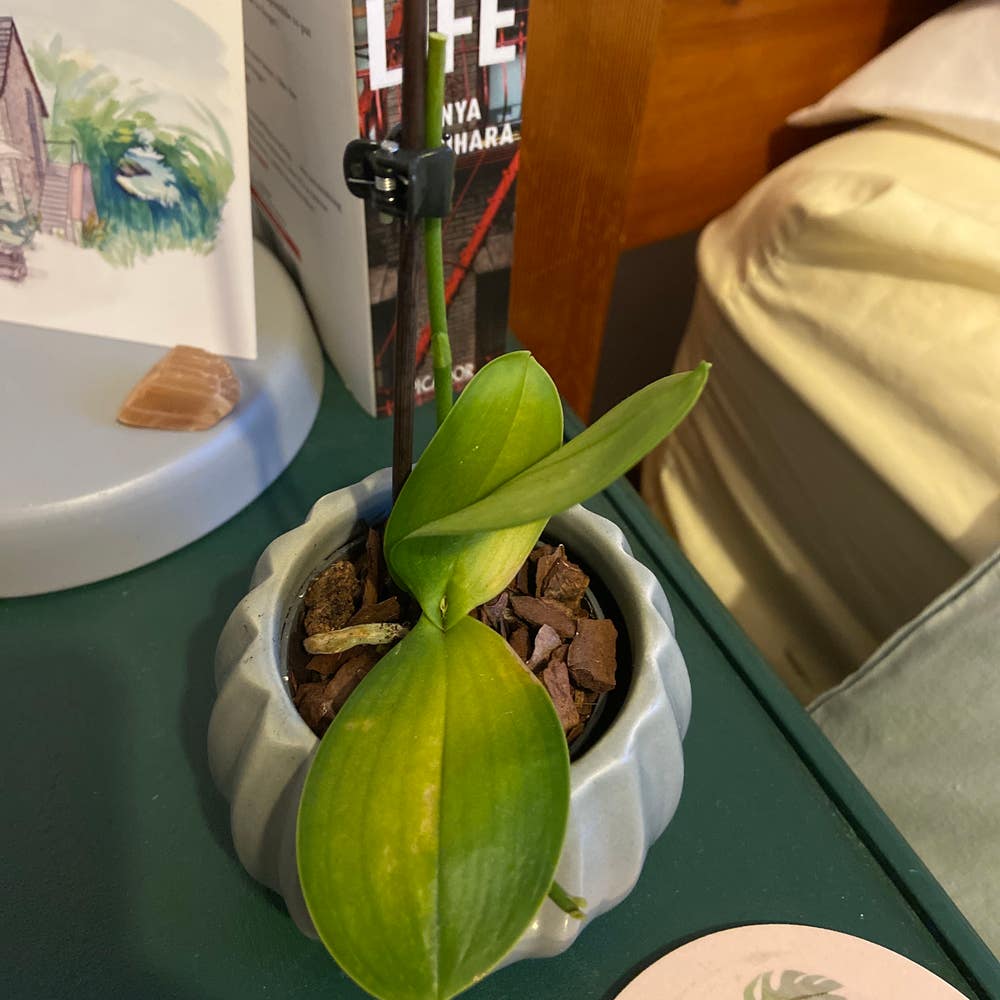
Yellowing leaves and wilting are like the orchid's version of waving a white flag. It's a distress signal. When roots go from a healthy green to brown or black, and feel as if they've been soaking in a puddle for days, you've got proof of root rot.
👃 Smell and Texture: The Unseen Clues
Don't underestimate your nose; a foul odor emanating from the pot is a telltale sign that something's rotten in the state of your Moon Orchid. If the roots feel like they've been through a pasta maker, too soft and mushy, it's time for a rescue mission.

The Rescue Operation: Treating Root Rot Step by Step
🏥 Surgical Precision: Removing the Rot
When root rot rears its ugly head in your Moon Orchid, it's time for surgery. Sterilize your pruning shears or scissors; this isn't a job for the squeamish. Snip off the dark, mushy roots without mercy, but don't nick the healthy ones—they're your orchid's lifeline. After the amputation, dab the good roots with a copper-based fungicide. It's like an antiseptic for plants, keeping infections at bay.
🏡 A Fresh Start: Repotting Your Moon Orchid
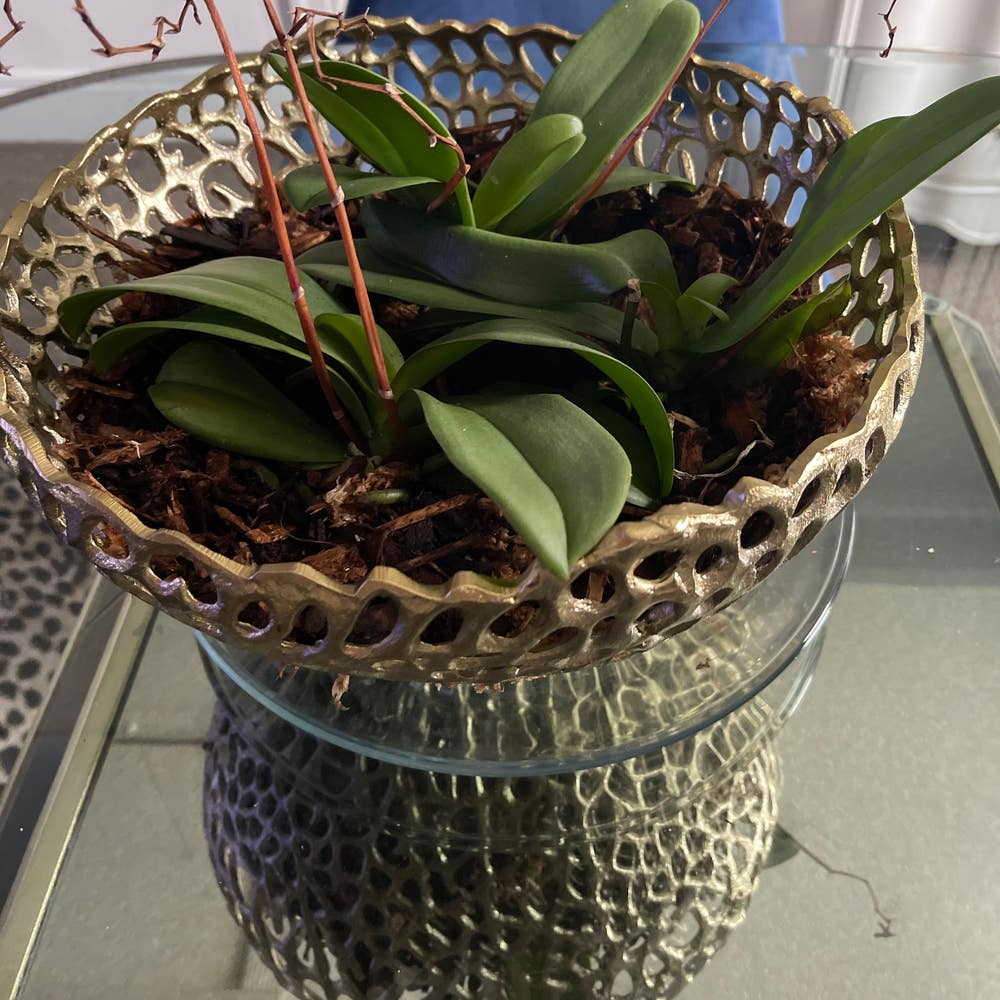
Repotting is like moving to a better neighborhood for your orchid. Mix up a batch of 60% orchid bark and 40% charcoal, perlite, and sponge rock for the new potting medium. Terracotta pots are the real estate of choice here, thanks to their moisture-wicking yet water-retaining walls. Gently shake off the old medium from the roots, and settle your orchid into its new home. Remember, drainage is your new best friend—don't let your orchid drown in soggy soil again.

Water Wisely: Adjusting Your Care Routine
💧 Fine-Tuning Watering Habits
Determining the right watering frequency and volume for your Moon Orchid is more art than science. It's a delicate balance, like finding the perfect pitch in music. Too much water, and you're drowning the roots; too little, and you're leaving them parched. Start by checking the potting media through the drainage hole. If it's dry, it's showtime for watering. If it's damp, give it a rest. Remember, Moon Orchids aren't camels; they can't store water for long dry spells.
🕵️ Recognizing Thirst or Oversaturation
Your orchid won't text you when it's thirsty, so you'll need to be a bit of a detective. Yellowing leaves? Could be a cry for hydration. Mushy roots? You've probably been too generous with the watering can. Use the finger test—stick your finger about an inch into the soil. Dry? Time to water. Moist? Hold off. It's like checking a cake for doneness, minus the toothpick.
🌬️ The Role of Humidity and Airflow
Balancing Humidity Levels
Moon Orchids enjoy a good spa day, thriving in higher humidity. But too much of a good thing can lead to a fungal fiesta. Aim for that sweet spot where the air is moist but not a breeding ground for root rot. If you're using a humidity tray, keep an eye on the water levels—stagnant water is a no-go.
Ensuring Adequate Airflow
Good airflow is the unsung hero in the quest to prevent root rot. It's about creating an environment where the air moves like a gentle breeze, not a hurricane. Position your orchid where it can breathe easy, but won't be subjected to drafts. It's like setting up the perfect cross-ventilation in your home—fresh air is essential, but you don't want your papers flying everywhere.
Building a Fortress: Preventative Measures Against Root Rot
🌱 The Right Foundation: Selecting and Maintaining Potting Media
Orchids are like the divas of the plant world; they demand the perfect stage—or in this case, potting media. For Moon Orchids, that means a mix that's less Mariana Trench and more Mojave Desert. Well-draining is the mantra here. Think 60% orchid bark, with the rest a blend of charcoal, perlite, and pumice. This combo is the VIP ticket for roots needing to breathe and avoid drowning in excess moisture.
Refresh the media before it turns into a fungal fiesta. If it's starting to look like a compost heap or smells like last week's forgotten leftovers, it's time for a change. Aim to repot every 18-24 months, or sooner if the media degrades. It's like changing the oil in your car; regular maintenance prevents a breakdown.
🛡️ Creating an Unfriendly Environment for Fungi
Fungi and roots should never be BFFs. To keep this toxic relationship at bay, airflow is key. Orchids don't enjoy stuffy environments any more than you enjoy a packed elevator on a hot day. Ensure your Moon Orchid's home isn't a petri dish for pathogens by positioning it where air can circulate freely.
Humidity—it's a delicate dance. Too much, and you're hosting a fungal rave. Too little, and your orchid's as parched as a desert cactus. Aim for that sweet spot where the air isn't too muggy but still keeps the orchid from gasping for moisture. A hygrometer can be your trusty sidekick in this quest.
Lastly, remember that water is fungi's best friend. So, water your orchid like a true ninja—only when needed, and never to excess. Overwatering is the equivalent of sending a written invitation to root rot. If your orchid's roots could talk, they'd probably say, "Please, no more drinks, I'm driving." Keep the watering can in check, and you'll be the hero in this orchid's story.
⚠️ Safety First
This content is for general information and may contain errors, omissions, or outdated details. It is not medical, veterinary advice, or an endorsement of therapeutic claims.
Always consult a qualified healthcare professional before using any plant as food, medicine, or supplement.
Never eat any plant (or feed one to pets) without confirming its identity with at least two trusted sources.
If you suspect poisoning, call Poison Control (800) 222-1222, the Pet Poison Helpline (800) 213-6680, or your local emergency service immediately.
Spotted an error? Please report it here.
Avoid Moon Orchid root rot and ensure flourishing 🌱 growth with Greg's personalized watering reminders, tailored to your plant's needs and home environment.