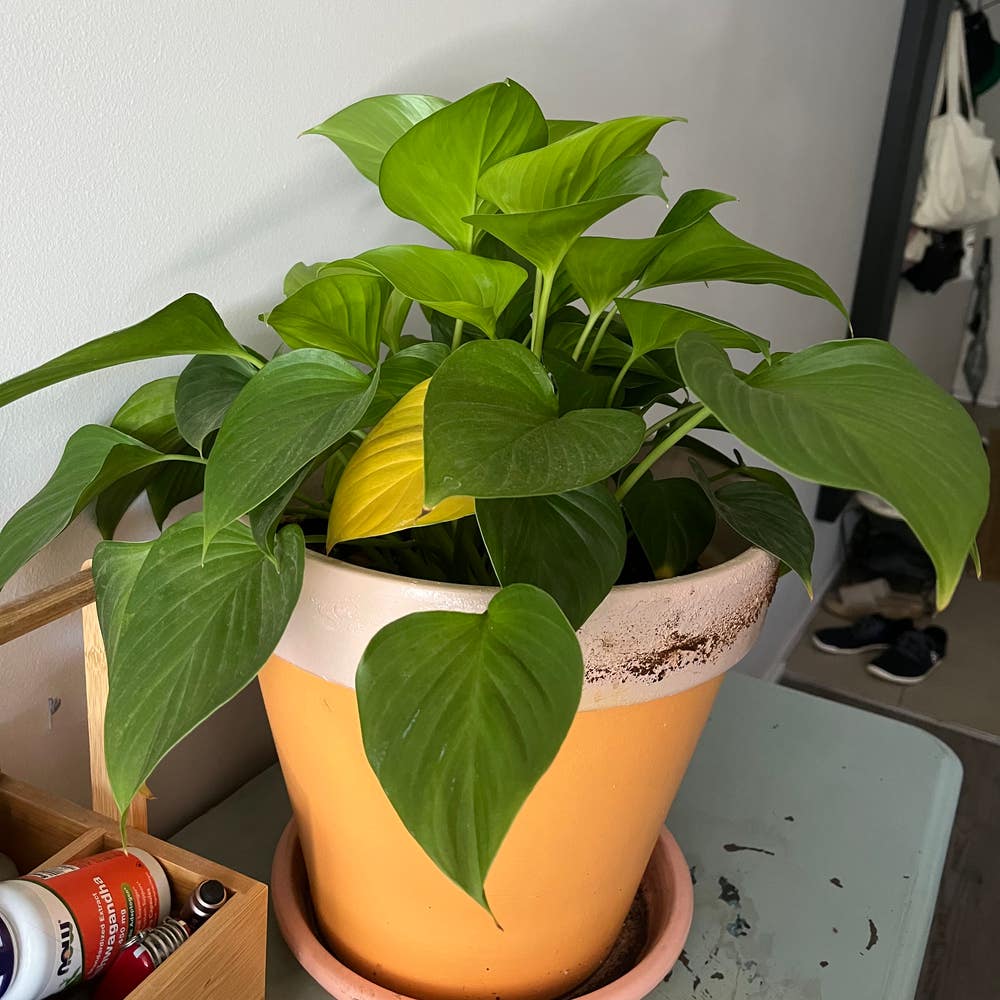
9 Perfect Spots to Grow Ace of Hearts Tree ❤️
Homalomena rubescens
By the Greg Editorial Team
Oct 17, 2024•5 min read
This article was created with the help of AI so we can cover more plants for you. May contain errors. See one? Report it here.
- 🌞 Optimal sunlight is crucial; morning light is best for Ace of Hearts Trees.
- 🌱 Healthy soil supports growth; test pH and nutrients for success.
- 🌬️ Protect from wind and frost; choose the right planting spot for thriving trees.
Assessing the Best Spot
🌞 Evaluating Sunlight and Shade
Finding the perfect spot for your Ace of Hearts Tree starts with understanding sunlight and shade. Use a sunlight meter or simply observe your garden throughout the day to gauge light exposure.
Timing is crucial; morning sun is often gentler than afternoon rays. Take note of how sunlight shifts, mapping out shaded areas to ensure your tree gets the right amount of light.
🌱 Analyzing Soil Conditions
Next, dive into soil conditions. Conduct a soil test to check pH and nutrient levels, as these factors are vital for healthy growth.
Look for signs of poor soil, such as compacted earth, poor drainage, or excessive clay. If you find these issues, consider remediation techniques like adding organic matter or sand to improve soil texture.
🚰 Considering Drainage and Watering Needs
Drainage is essential for preventing root rot and promoting healthy growth. To assess drainage, dig a hole and observe how long it takes for water to soak in.
If you discover poor drainage, don't fret. Solutions like raised beds or amending your soil with perlite can significantly enhance water retention and drainage capabilities.
With these assessments in hand, you’re well on your way to creating an ideal environment for your Ace of Hearts Tree. Next, let’s explore how microclimates and environmental factors can further influence your planting success.
Microclimates and Environmental Factors
🌬️ Wind Protection Strategies
Wind can be a silent enemy for your Ace of Hearts Tree. Strong gusts can damage delicate foliage and branches, stunting growth and affecting overall health.
To combat this, consider natural barriers like shrubs or fences. These can act as shields, reducing wind exposure and creating a more stable environment for your tree.
When positioning your Ace of Hearts Tree, think about prevailing winds. Placing it away from these gusts can significantly enhance its resilience and growth potential.
🌡️ Temperature Variations and Their Impact
Temperature plays a crucial role in the health of your Ace of Hearts Tree. This plant is sensitive to frost, making it essential to protect it in cooler climates.
Ideally, your tree thrives in warm conditions, specifically above 15°C (59°F). Keeping it in this temperature range will ensure vibrant growth and flowering.
To manage temperature fluctuations, consider using mulch or row covers during cooler months. These strategies can help maintain a stable environment, promoting healthy development throughout the seasons.
Understanding these microclimates and environmental factors will set you on the right path for nurturing your Ace of Hearts Tree. Next, let’s explore the differences between indoor and outdoor planting to maximize its potential.
Indoor vs. Outdoor Planting
🌟 Best Indoor Locations
Creating the perfect indoor environment for your Ace of Hearts Tree is essential for its growth. Aim for bright, indirect light near windows to ensure it thrives.
Keep your tree away from drafts, especially from air conditioning vents or heaters. These can stress the plant and hinder its development.
When choosing containers, opt for pots with drainage holes. This prevents water from accumulating and promotes healthy root growth.
🌳 Outdoor Planting Considerations
For outdoor planting, south-facing areas are ideal as they provide maximum sun exposure. This is crucial for the Ace of Hearts Tree to flourish.
Timing is everything; plant your tree when the risk of frost has passed. This ensures a healthy start to its growth cycle.
Lastly, prepare the soil by ensuring it drains well. Good drainage is vital to prevent root rot and support robust growth.
With these considerations in mind, your Ace of Hearts Tree will be well on its way to thriving, whether indoors or outdoors. Next, let’s explore companion planting and how it can enhance your garden's ecosystem.
Companion Planting and Landscape Design
Suitable Companion Plants 🌱
Companion planting is a fantastic way to enhance the growth of your Ace of Hearts Tree. Consider pairing it with tropical ferns or flowering annuals, as these plants thrive in similar conditions.
The benefits of companion planting extend beyond aesthetics. It can help with pest control and promote healthier growth, creating a thriving ecosystem in your garden. Be mindful to select plants that won’t compete for resources, ensuring a harmonious garden environment.
Designing a Garden Layout 🏡
When designing your garden layout, think about the mature size of the Ace of Hearts Tree, which can reach up to 10 feet. Allow ample space around it to prevent overcrowding and ensure proper air circulation.
Aesthetic considerations are key. Group your Ace of Hearts Tree with other tropical plants to create a visually appealing landscape. Additionally, consider incorporating plants that bloom at different times to maintain seasonal interest and keep your garden vibrant year-round.
With thoughtful companion planting and a well-designed layout, your garden can flourish beautifully. Next, let's explore common location challenges and how to overcome them for optimal growth.
Common Location Challenges
Addressing Poor Soil Conditions 🌱
Identifying poor soil is crucial for the health of your Ace of Hearts Tree. Look for signs like poor drainage, which can lead to water pooling, or nutrient deficiency, evident through stunted growth or yellowing leaves.
To remedy these issues, consider soil amendments such as compost or organic fertilizers. Raised beds can also improve drainage and provide a nutrient-rich environment, ensuring your tree thrives.
Soil health is foundational for plant vigor. Healthy soil supports robust root systems, leading to a more resilient and flourishing Ace of Hearts Tree.
Solutions for Excessive Shade or Sunlight ☀️
Excessive shade can hinder your tree's growth. If you notice your Ace of Hearts Tree struggling, consider pruning surrounding plants to allow more light to filter through.
On the flip side, too much sunlight can be just as detrimental. In such cases, providing temporary shade with cloth or structures can help protect your tree from scorching.
Monitoring plant health is essential. Adjusting the location based on your tree's growth response will help you find that perfect balance for optimal development.
With these strategies, you can tackle common location challenges and ensure your Ace of Hearts Tree thrives in its environment. Next, let’s explore how microclimates and environmental factors can further influence your planting success.
⚠️ Safety First
This content is for general information and may contain errors, omissions, or outdated details. It is not medical, veterinary advice, or an endorsement of therapeutic claims.
Always consult a qualified healthcare professional before using any plant as food, medicine, or supplement.
Never eat any plant (or feed one to pets) without confirming its identity with at least two trusted sources.
If you suspect poisoning, call Poison Control (800) 222-1222, the Pet Poison Helpline (800) 213-6680, or your local emergency service immediately.
Spotted an error? Please report it here.
Create the perfect environment for your Ace of Hearts Tree 🌳 with Greg's tailored care reminders and expert tips to help it thrive!