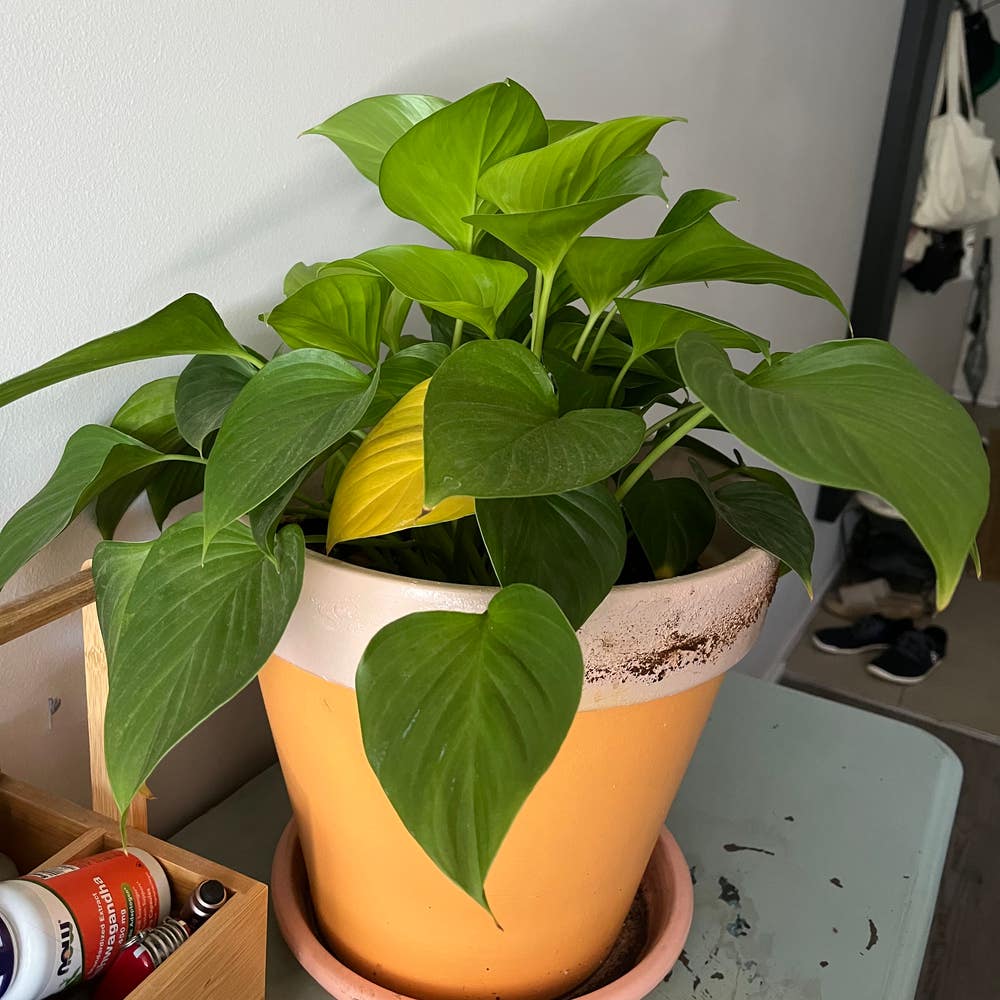
Propagating Homalomena rubescens: Step-by-Step Guide
Homalomena rubescens
By the Greg Editorial Team
Apr 07, 2024•4 min read
This article was created with the help of AI so we can cover more plants for you. May contain errors. See one? Report it here.
- 🌱 Spring division ensures successful propagation of Homalomena rubescens.
- 💧 Root cuttings in water or soil based on preference and convenience.
- 🌡️ Maintain 70-80% humidity and 65-75°F for optimal growth post-propagation.
Step-by-Step Propagation Techniques
🌱 Dividing the Homalomena Rubescens
Timing is critical when dividing Homalomena rubescens. Look for new growth or offsets, signaling it's time to expand your plant family.
🕰 How to Spot the Perfect Time for Division
Spring is your cue; the plant's active growth phase makes it ideal for division.
🛠 The Art of Dividing: A Step-by-Step Walkthrough
- Gently remove the plant from its pot, observing root clusters.
- Identify natural separations and use a sterile knife to divide.
- Ensure each section has roots and leaves for a self-sufficient start.
🌱 Caring for the Divided Sections: Immediate Steps
Post-division, plant sections in moist, well-draining soil. Humidity and warmth will encourage recovery.
🌿 Rooting Stem Cuttings
Stem cuttings are a gamble, but with the right stem, it's a jackpot for new growth.
🏆 Choosing Your Champion: Selecting the Best Stems for Cuttings
Vigorous stems with multiple leaf nodes are your golden ticket.
🪒 The Cutting Ceremony: Techniques for a Clean Cut
Snip below a node with a clean, sharp tool. Sterilization prevents disease.
💧 Rooting Your Future Plant: Water vs. Soil Methods
Root in water for visual thrill or soil for a direct transition to pot life.
🌱 Cultivating Offsets
Offsets are like plant babies, ready to stand on their own with a little help.
🍼 Offsets: What Are They and Where to Find Them
Look for mini-me's sprouting at the base of the parent plant.
🤝 Separation Anxiety: Gently Detaching Offsets from the Parent
Ease them apart with care, maintaining root integrity for a smooth transition.
🌱 Giving Offsets the Best Start: Post-Separation Care
Nestle them in a cozy pot with the right soil mix. Consistent moisture and indirect light will do the rest.
Creating the Ideal Propagation Environment
🌱 Setting the Stage: Optimal Conditions for Propagation Success
Creating the ideal environment for Homalomena rubescens propagation is less about luck and more about precision. You're aiming for the Goldilocks zone in every aspect: humidity, warmth, and light.
💧 Humidity: The Unsung Hero
Humidity is your silent ally, wrapping your cuttings in a nurturing embrace. Aim for a 70-80% level, which is like a gentle mist on your skin. Too much, and you're in mold city; too little, and your cuttings will thirst to death. Strike a balance by covering them with a plastic dome or using a humidifier, but don't forget to air things out occasionally to prevent fungal raves.
🌡 Warmth: The Cozy Sweater
Your cuttings need warmth, but not a tropical heatwave. Maintain a comfortable temperature between 65-75°F. It's like your favorite sweater on a chilly day—cozy but not stifling. If your space runs cool, a heat mat can be the perfect accessory to keep those roots toasty.
🌟 Light: The Spotlight
Light is the star of the show, but it needs to be the right kind. Bright, indirect light is your goal, akin to a spotlight that highlights without burning. If natural light is scarce, grow lights can step in as understudies, just keep them at a safe distance to avoid scorching your future stars.
💨 Airflow: The Cool Aunt
Finally, don't underestimate the power of good airflow. It's like the cool aunt who lets the kids have fun but knows when to lay down the law to keep things from getting out of hand. A gentle fan can keep air moving, deterring those pesky fungal pathogens from crashing the party.
Nurturing Your Propagated Plants
🌱 Post-Propagation Care
Transitioning to Soil
Once your Homalomena rubescens cuttings or offsets flaunt a robust root system, it's time for their big move. Choose a nutrient-rich, well-draining potting mix to welcome them to their new homes. When potting, a gentle watering will help settle the roots, but hold the fertilizer—let them acclimate first.
The First Few Weeks
In the initial weeks, your plants are like new hires—they need guidance. Water sparingly, only when the soil starts to dry. Keep them in a spot with bright, indirect light; think of it as their training room. And remember, no harsh sunbeams—your green babies are still tender.
🛠 Troubleshooting Common Setbacks
Spotting Trouble
Keep a keen eye for spots or patches on leaves—a sign you might be overdoing the H2O. If your plant's leaves are throwing a brown edge party, it's likely due to dry air or inconsistent watering. And if you spot any unwanted guests, like mealybugs, show them the exit with a gentle insecticide.
Quick Fixes
If your Homalomena rubescens is stretching out like it's prepping for a marathon, it's craving more light. Rotate it regularly for even growth. And if the tips of the leaves start browning or the plant is 'crying,' ease up on the watering. Your plant's not overly emotional; it's just overwatered.
⚠️ Safety First
This content is for general information and may contain errors, omissions, or outdated details. It is not medical, veterinary advice, or an endorsement of therapeutic claims.
Always consult a qualified healthcare professional before using any plant as food, medicine, or supplement.
Never eat any plant (or feed one to pets) without confirming its identity with at least two trusted sources.
If you suspect poisoning, call Poison Control (800) 222-1222, the Pet Poison Helpline (800) 213-6680, or your local emergency service immediately.
Spotted an error? Please report it here.
Propagate Homalomena rubescens 🌿 effortlessly by letting Greg remind you of the perfect watering times and ideal environmental conditions from this guide!