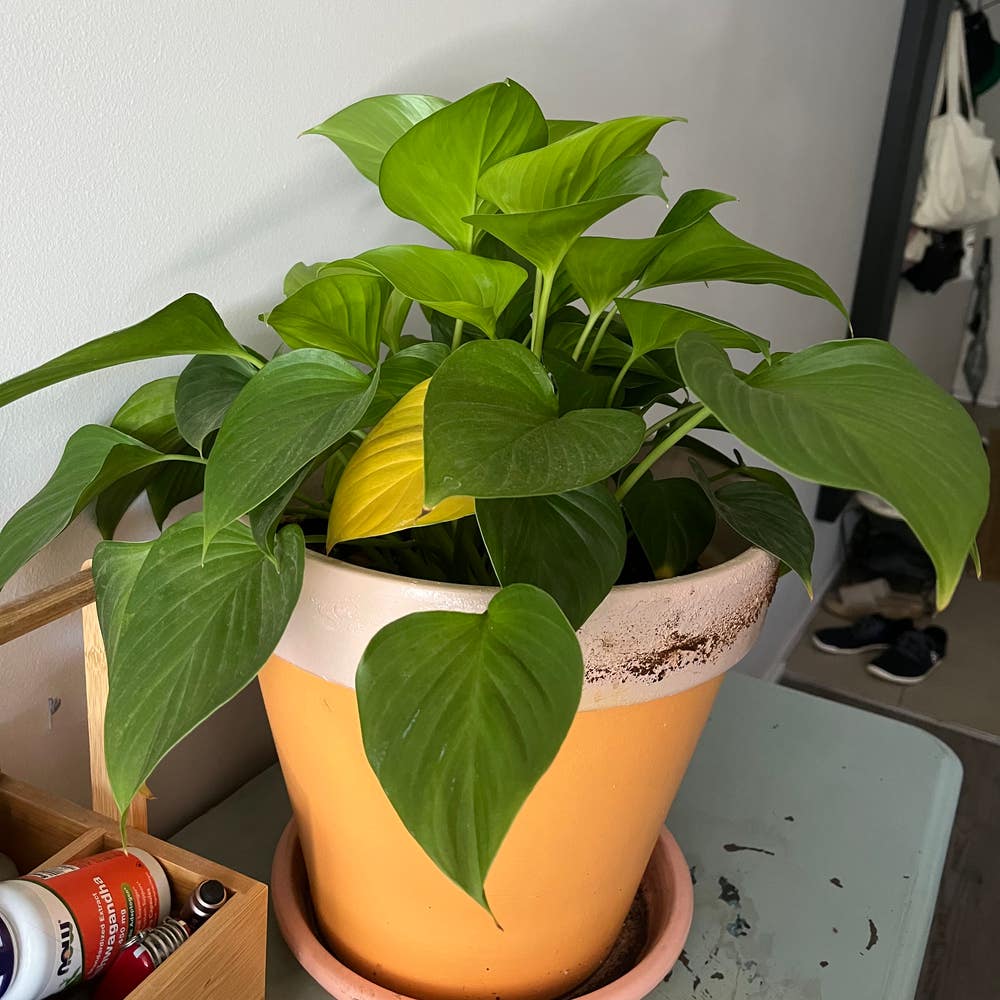
Why Are My Homalomena rubescens Leaves Falling Over?
Homalomena rubescens
By the Greg Editorial Team
Apr 07, 2024•6 min read
This article was created with the help of AI so we can cover more plants for you. May contain errors. See one? Report it here.
- Over/underwatering? Check soil moisture and leaf health for clues.
- 🌞🌱 Right light balance is key—bright, indirect light for upright leaves.
- 💧 Consistent care routine—water when top inch of soil is dry.
Spotting the Telltale Signs Your Plant is Unhappy
🌊 Identifying Overwatering vs. Underwatering Symptoms
Yellow leaves and a general sense of sogginess? You're likely dealing with overwatering. The soil feels like a swamp, and the roots may have that distinct rotting odor. On the flip side, if your Homalomena rubescens has leaves that could double as potato chips, you're in the underwatering camp. The soil is as dry as a desert, and your plant's leaves are wilting in protest.
🌞 Recognizing Light-Related Stress in Leaves
Leaves that look bleached or sunburned are crying out from too much light. Conversely, if your plant's leaves are stretching out like they're trying to escape the pot, they're probably not getting enough sun. Ideal lighting is a balancing act; your Homalomena rubescens wants to bask in bright, indirect light without frying to a crisp.
🌡 Detecting Temperature and Humidity Distress Signals
If your plant's leaves are dropping like flies, it might be throwing a temperature tantrum. Too hot or too cold, and your Homalomena rubescens will let you know with a dramatic leaf drop. Humidity, or the lack thereof, can also trigger a leafy meltdown. Brown tips or edges? Your plant's begging for a bit more moisture in the air.
Getting to the Root of the Problem
💧 The Perils of Overwatering: Root Rot and Its Domino Effect
Overwatering is a silent killer; it's like drowning your plant's roots in a pool of excess moisture. Root rot sets in when the soil is too wet, cutting off the oxygen supply. This leads to a cascade of issues: leaves turn yellow, stems become mushy, and the plant's overall health plummets. To avoid this, ensure your pot has proper drainage and let the soil dry slightly between waterings.
🏜️ The Thirsty Plant: How Underwatering Leads to Limp Leaves
Conversely, underwatering leaves your Homalomena rubescens gasping for hydration. Limp leaves and dry, curled edges are a cry for help. The soil becomes bone-dry, and the plant feels lighter than it should. Consistent moisture is key, but remember, it's a balance; your plant doesn't need a flood, just a regular sip.
🌞 Light Woes: Finding the Sweet Spot Between Too Much and Too Little
Lighting is a delicate dance for Homalomena rubescens. Too much direct sunlight scorches leaves, while too little results in etiolation—stretched, weak growth. Aim for bright, indirect light; think of it as the sweet spot where your plant can bask without the risk of a sunburn.
🌡️ Climate Control: Balancing Temperature and Humidity for Happy Leaves
Temperature and humidity play critical roles in your plant's well-being. Sudden temperature shifts stress your Homalomena rubescens, similar to how a goldfish feels in an unacclimated tank. Strive for a stable environment with moderate humidity. Use humidifiers or pebble trays to maintain moisture levels, and keep your plant away from drafts or heat sources.
Turn the Tide: Reviving Your Drooping Homalomena Rubescens
💧 Fine-Tuning Your Watering Technique
Consistency is key when it comes to watering your Homalomena rubescens. The goal is to maintain soil that's moist, but never soggy. Use the touch test: the top inch of soil should be dry before you water again.
Signs of Proper Hydration
Leaves should be perky and firm, not limp. If the soil dries out within a few days, it's time to water. Conversely, if it's wet for over a week, give it a break to prevent root rot.
The Best Watering Tools and Practices
A watering can with a long spout offers precision, avoiding water on the leaves which can lead to fungal diseases. Remember to water thoroughly until it drains from the bottom, and then empty the saucer to avoid soggy feet.
☀️ Let There Be (The Right Amount of) Light
Your Homalomena rubescens craves bright, indirect light to stay upright. Direct sunlight is a no-no; it's like a one-way ticket to Scorchville.
Ideal Lighting Conditions for Upright Leaves
A north-facing window or a spot with filtered light is the sweet spot. If the leaves start reaching for the light, it's a sign they need more.
DIY Light Diffusion and Reflection Tips
Use sheer curtains to diffuse direct sunlight. Reflective surfaces can bounce light around, ensuring your plant gets its fill without the burn.
🌡️ Creating a Cozy Atmosphere: Temperature and Humidity Fixes
Homalomena rubescens doesn't just want to survive; it wants to thrive. That means mimicking its natural, tropical habitat as closely as possible.
Simple Adjustments for a Stable Environment
Keep the temperature steady, like a spring day vibe. Avoid placing your plant near drafty windows or heat sources that can cause temperature swings.
Using Humidifiers and Pebble Trays Effectively
Boost humidity with a humidifier or a pebble tray filled with water. It's like creating a mini oasis for your plant. Just keep an eye on the humidity level—you're going for tropical, not swampy.
Pro Tips to Keep Your Homalomena Rubescens Standing Tall
💧 Crafting a Care Schedule That Works
Consistency is your Homalomena rubescens' secret weapon. Like clockwork, establish a watering and lighting routine that mimics the plant's natural habitat. Water only when the top inch of soil feels dry—no guesswork, just the simple touch test. For lighting, avoid the drama of direct sun; bright, indirect light is the sweet spot.
🕰 The Importance of Consistency in Watering and Lighting
Imagine your plant's care schedule as a trusty sidekick, always there, never wavering. Use timers to automate light exposure, ensuring your Homalomena rubescens gets its daily dose of lumens without overdoing it. Watering on a schedule prevents the extremes of drought and deluge, keeping your plant's thirst quenched just right.
👀 Vigilance and Adaptation: Responding to Your Plant's Needs
Stay sharp and keep an eye out for your plant's subtle SOS signals. Droopy leaves? Time to reassess your watering game. Leggy growth? Your light setup might need a tweak. Adapt your care routine as the seasons change—more hydration in the heat, less when it's cool. Your plant's health is a dynamic puzzle, and you're the master solver.
📊 How to Read Your Plant's Health and React Promptly
Your Homalomena rubescens will communicate, no words needed. Yellowing leaves could signal overenthusiastic watering, while brown tips might point to low humidity. Act fast at the first sign of trouble; adjust your care routine and watch your plant bounce back with vigor. Remember, proactive care trumps reactive panic every time.
⚠️ Safety First
This content is for general information and may contain errors, omissions, or outdated details. It is not medical, veterinary advice, or an endorsement of therapeutic claims.
Always consult a qualified healthcare professional before using any plant as food, medicine, or supplement.
Never eat any plant (or feed one to pets) without confirming its identity with at least two trusted sources.
If you suspect poisoning, call Poison Control (800) 222-1222, the Pet Poison Helpline (800) 213-6680, or your local emergency service immediately.
Spotted an error? Please report it here.
Keep your Homalomena rubescens from falling over by mastering the art of balance ⚖️ with Greg's personalized care reminders for water, light, and humidity.