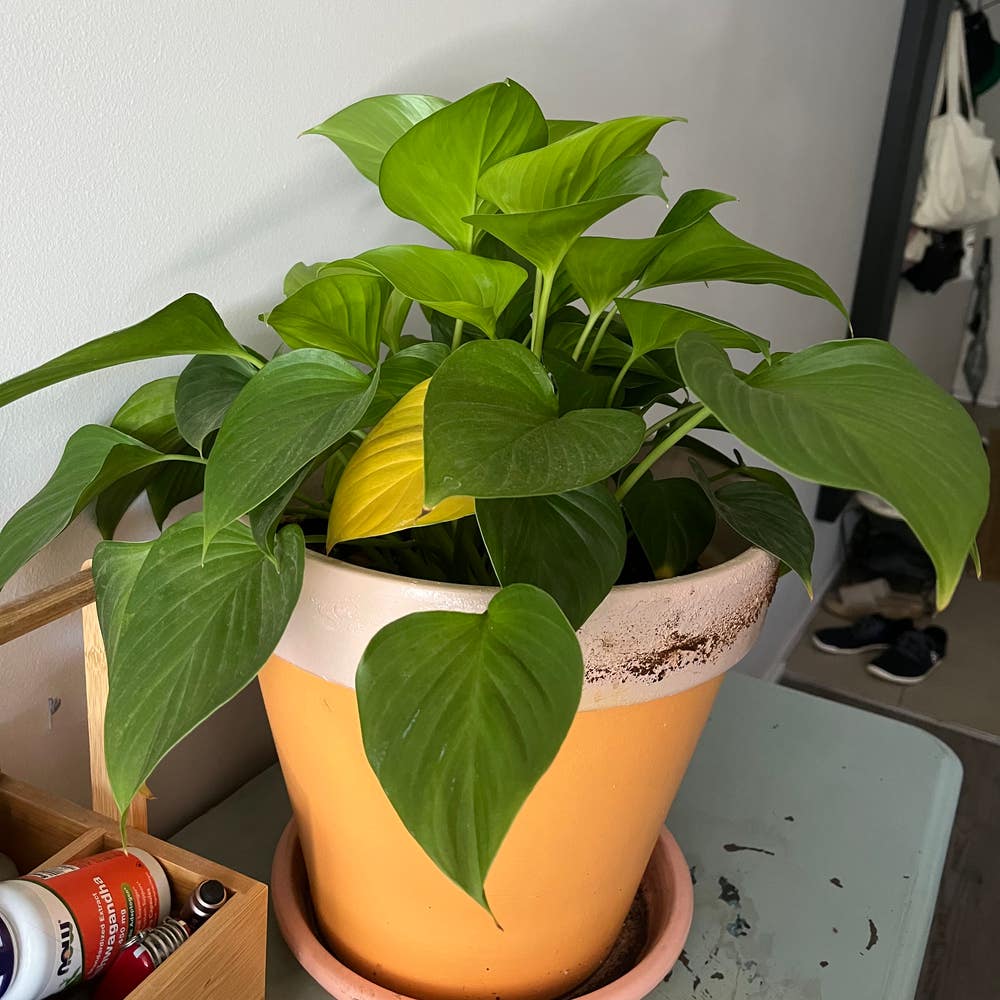
When and Where Should I Trim My Homalomena rubescens?
Homalomena rubescens
By the Greg Editorial Team
Apr 07, 2024•3 min read
This article was created with the help of AI so we can cover more plants for you. May contain errors. See one? Report it here.
- Spring pruning promotes growth, avoid in dormant winter to prevent stress.
- Use sharp, disinfected tools for precise cuts and disease prevention.
- Prune for health and propagation: remove damaged foliage, take healthy cuttings.
Timing Your Trims Just Right
🌱 When to Get Snippy
Pruning your Homalomena rubescens isn't a whimsical decision; it's a strategic move. Spring is your prime time to whip out those shears. This is when your plant shakes off its winter slumber and gears up for a season of vigorous growth. Look for signs like overgrowth, yellowing leaves, or a general lackluster vibe. These are your green lights that it's time for a trim.
🚫 When to Hold Off
Hold your horses on pruning during the dormant winter months. Your Homalomena rubescens is basically hibernating, conserving energy for the spring surge. Snipping away during this time could stress your plant out, and nobody wants that. Also, avoid pruning immediately after a growth spurt; give your plant a moment to catch its breath.
Choosing Your Pruning Gear
🛠️ The Right Tools for the Job
Selecting the optimal tools for pruning your Homalomena rubescens is a game-changer. Go for sharp pruning shears; they're like a surgeon's scalpel, ensuring precision cuts that foster quick healing. A pair of scissors might come in handy for the more delicate snips. Remember, the goal is to make each cut count.
🧼 Keeping it Clean
Cleanliness isn't just next to godliness; it's essential for your plant's health. Disinfect your tools before and after use with rubbing alcohol or a bleach solution. Think of it as a flu shot for your Homalomena rubescens, warding off unwanted diseases. And after the pruning session, a quick clean-up is like good hygiene; it keeps your tools in top shape and ready for the next trim.
Pruning with Purpose
🌿 Out with the Old
Snipping away damaged or diseased foliage isn't just about aesthetics; it's a vital step in maintaining plant health. Boldly cut out the freeloaders to let the rest of your Homalomena rubescens flourish.
🌱 Shaping for Success
Shaping your Homalomena rubescens isn't just for show; it's a strategic move. Use the thinning out method to encourage strong branches and maintain the plant's symmetry.
🌳 Encouraging New Growth
Pruning is like hitting the refresh button on your plant. By making clean cuts above leaf nodes, you're directing your Homalomena rubescens to sprout new, vigorous growth.
Pruning as a Prelude to Propagation
🌱 Making the Cut
Pruning isn't just about keeping your Homalomena rubescens in check—it's a gateway to more plants. When you're snipping away, consider taking cuttings for propagation. Choose vibrant, healthy stems; these are your best bets for successful growth. Snip right below a leaf node, that's where the growth cells are partying. Aim for cuttings about 4-6 inches long, and strip the lower leaves to prevent rot and give roots room to emerge.
🌱 Rooting for New Growth
After the cut, let's not rush into things. Give your cutting a moment to breathe and develop a callous—think of it as a natural band-aid. This step is like the plant's version of a pep talk before it dives into the rooting process. You've got two paths: water or soil. Both work, but it's like choosing between vinyl or streaming—each has its charm. In water, you can watch the roots grow; in soil, it's a surprise party. Remember, patience is a virtue, especially in the plant world. Keep the faith, and with a little luck, you'll have new Homalomena rubescens babies to show off.
⚠️ Safety First
This content is for general information and may contain errors, omissions, or outdated details. It is not medical, veterinary advice, or an endorsement of therapeutic claims.
Always consult a qualified healthcare professional before using any plant as food, medicine, or supplement.
Never eat any plant (or feed one to pets) without confirming its identity with at least two trusted sources.
If you suspect poisoning, call Poison Control (800) 222-1222, the Pet Poison Helpline (800) 213-6680, or your local emergency service immediately.
Spotted an error? Please report it here.
Trim your Homalomena rubescens to perfection this spring 🌿 with Greg's timely reminders, ensuring vibrant growth and plant health.