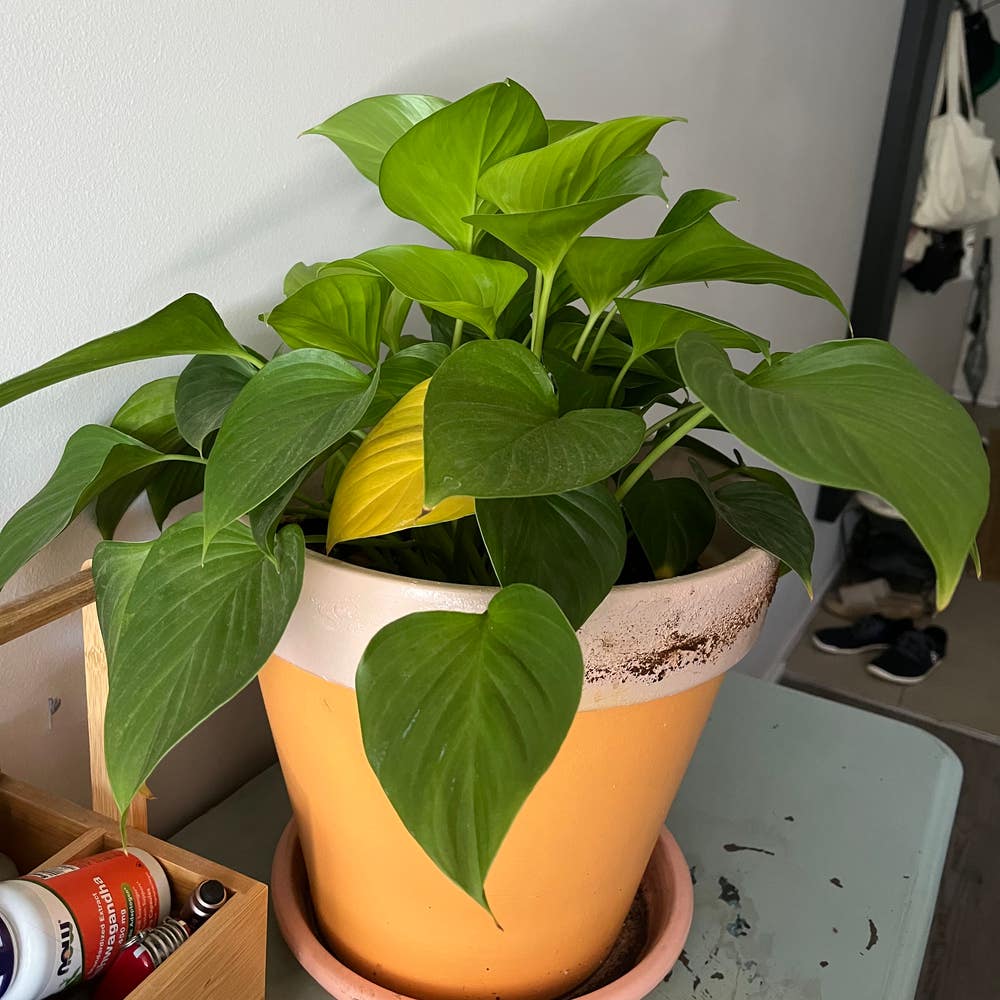
Homalomena rubescens - Fertilizing 101
Homalomena rubescens
By the Greg Editorial Team
Apr 07, 2024•5 min read
This article was created with the help of AI so we can cover more plants for you. May contain errors. See one? Report it here.
- Balanced N-P-K ratio is key for Homalomena rubescens' health.
- Water-soluble fertilizers preferred; reduce in winter dormancy.
- Avoid over-fertilization; watch for yellow leaves, browning tips.
Picking the Right Fertilizer for Your Homalomena Rubescens
💪 Balanced Fertilizers: The Key to Happy Plants
Balanced fertilizers are like a well-rounded diet for your Homalomena rubescens. Opt for a liquid formula with equal parts nitrogen, phosphorus, and potassium, often labeled as 20-20-20 or 10-10-10. These macronutrients are the plant's bread and butter, promoting leafy growth, robust roots, and overall vigor.
📊 Reading Labels: N-P-K Ratios and What They Mean for Your Homalomena
The N-P-K ratio on a fertilizer label isn't just numbers; it's a cheat sheet for your plant's nutritional needs. Nitrogen (N) fuels foliage, phosphorus (P) strengthens roots and flowers, and potassium (K) is the plant's all-around health booster. For your Homalomena, aim for a balanced mix—this isn't the time for nitrogen-heavy bodybuilding or phosphorus-rich blooming formulas.
💧 Liquid Gold: The Benefits of Water-Soluble Fertilizers
Water-soluble fertilizers are a godsend for the Homalomena rubescens. They're easy to dilute and apply, ensuring your plant gets a quick nutrient fix without the risk of overdoing it. Plus, they're perfect for the frequent feeder, allowing you to give your plant a light meal with regular waterings. Just remember to dial it back in the winter—your plant's on a diet during its dormant phase.
Timing is Everything: When to Feed Your Homalomena Rubescens
🌱 Growing Season Gourmet: Fertilizing When Your Plant is Hungriest
Spring marks the start of your Homalomena rubescens' growth spurt. It's the ideal time to begin a fertilizing regimen. During these months, your plant is like an athlete in training, needing regular nutrient boosts to perform its best.
Feed your Homalomena a balanced liquid fertilizer every two to four weeks. This will sustain its lush foliage and support any new growth. Remember, consistency is key—mark your calendar to keep track.
❄️ Winter Woes: Adjusting Fertilization for Dormant Periods
As the days shorten and temperatures drop, your Homalomena rubescens starts to yawn. It's entering its dormant phase. This is your cue to put the fertilizer away.
During winter, your plant's metabolism slows down, much like a bear settling in for hibernation. Continuing to fertilize in these months is like offering an espresso to someone already asleep. Hold off on the nutrients until the spring thaw signals the return of the growing season.
Remember, overwintering is a delicate time. Keep an eye out for signs of growth—it's your plant's way of telling you it's ready to wake up and eat again.
The How-To of Fertilizing Homalomena Rubescens
🌱 Mixing it Up: Proper Dilution Techniques
Dilution isn't just a suggestion; it's a commandment for Homalomena rubescens' survival. A balanced liquid fertilizer, think 15-15-15, should be your go-to. But here's the kicker: always halve the recommended strength. Your plant isn't chugging protein shakes; it's sipping green tea. Overzealous? You'll end up with a chemical cocktail that's more toxic than tonic.
💦 Root Drenching vs. Foliar Feeding: Methods for a Happy Homalomena
Root drenching is the main event. It's like a spa day for your plant's roots, soaking up nutrients in a way that foliar feeding can't match. Speaking of which, foliar feeding is more of a quick fix, a spritz here and there. But don't get carried away; wet leaves can spell disaster, inviting mold to the party nobody wanted to host.
🚫 Avoiding the Burn: Dosage Tips to Prevent Over-Fertilization
Less is more, folks. The 'burn' isn't a badge of honor; it's a cry for help. Start with a conservative dose and watch your plant's reaction like a hawk. Yellow leaves? Slow down, cowboy. It's not a race. And remember, flushing the soil every few months isn't just about staying hydrated; it's about clearing out the salt buildup that's cramping your plant's style.
Oops, Too Much!: Recognizing and Fixing Over-Fertilization
🚨 Spotting Trouble: Symptoms of Fertilizer Overload
Yellow leaves with dark-green veins often scream nutrient imbalance. If the tips and edges of your Homalomena rubescens are browning, it's likely crying out from nutrient burn. A crusty soil surface is a telltale sign of fertilizer salt buildup, and if your plant's roots look more like a horror movie prop—brown, blackened, or limp—it's time for an intervention. Wilting leaves can be tricky; they beg for water even when the soil is wet, a classic over-fertilization red flag. Lackluster flowers and a leaf drop that rivals an autumn tree? You've probably overdone it with the nutrients.
🛠️ First Aid for Roots: Correcting Over-Fertilization Mishaps
When you've gone overboard, it's time to flush the soil with water to wash away the excess salts—think of it as a detox for your plant's roots. If there's a mineral crust on the soil, remove it gently; no need to go full archaeologist on it. And those damaged leaves? Snip them off. They're not making a comeback. If the situation looks dire, consider repotting with fresh, nutrient-free soil to give your Homalomena rubescens a clean slate. Hold off on the fertilizer for a few weeks; let your plant recover before you even think about feeding it again. Remember, the goal is to nurture, not torture.
⚠️ Safety First
This content is for general information and may contain errors, omissions, or outdated details. It is not medical, veterinary advice, or an endorsement of therapeutic claims.
Always consult a qualified healthcare professional before using any plant as food, medicine, or supplement.
Never eat any plant (or feed one to pets) without confirming its identity with at least two trusted sources.
If you suspect poisoning, call Poison Control (800) 222-1222, the Pet Poison Helpline (800) 213-6680, or your local emergency service immediately.
Spotted an error? Please report it here.
Nurture your Homalomena rubescens to flourish with precision 🌿 using Greg's tailored fertilization reminders that prevent over-fertilization and ensure your plant gets just the right nutrients at the right time.