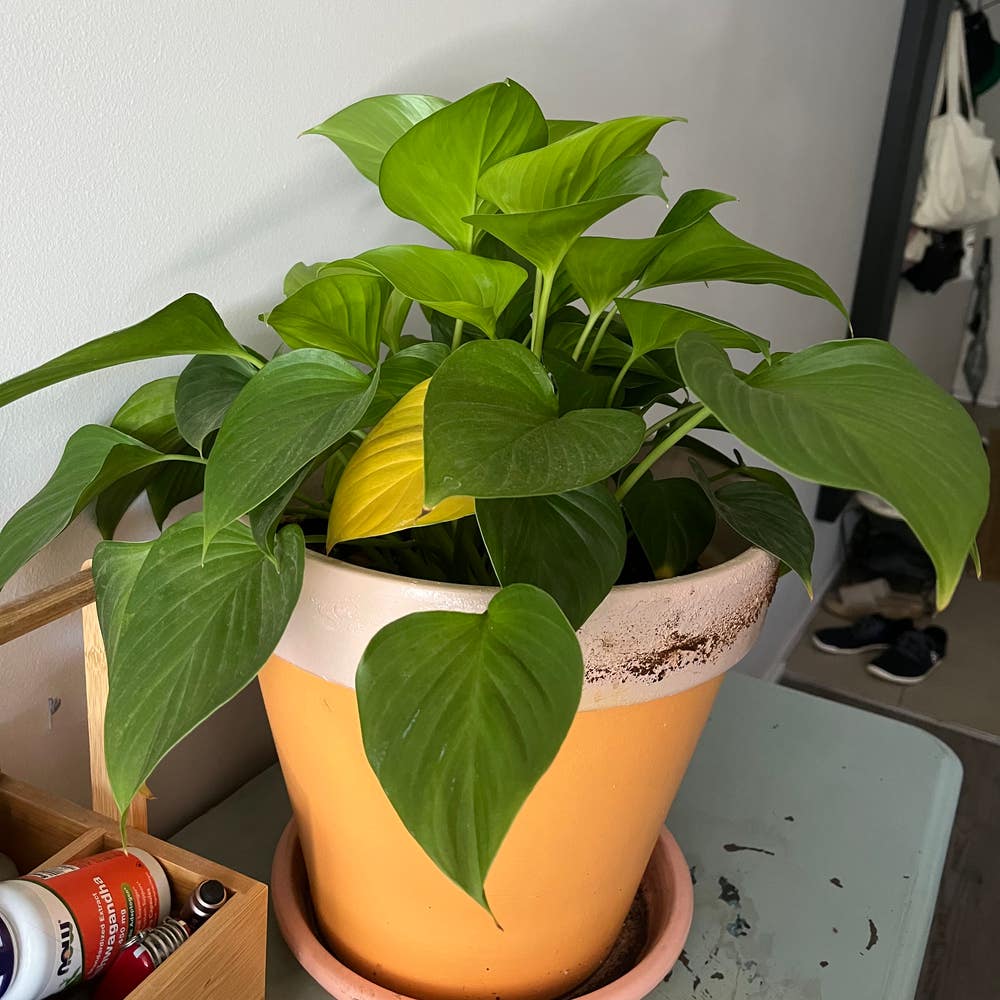
❤️ Lifespan of Ace of Hearts Tree
Homalomena rubescens
By the Greg Editorial Team
Oct 17, 2024•5 min read
This article was created with the help of AI so we can cover more plants for you. May contain errors. See one? Report it here.
- 🌱 Ace of Hearts tree germinates in 2 to 4 weeks with proper care.
- 🌞 Optimal growth requires 20°C to 25°C and consistent moisture for seedlings.
- 🌳 Full maturity takes 3 to 5 years, with vibrant flowers attracting pollinators.
Germination Stage
🌱 Duration of Germination
The germination period for the Ace of Hearts tree typically spans 2 to 4 weeks. This timeframe can vary based on several factors, including temperature, moisture, and light conditions.
🌡️ Conditions for Successful Germination
To ensure successful germination, aim for an ideal temperature range of 20°C to 25°C (68°F to 77°F).
Soil Requirements
Use a well-draining, nutrient-rich substrate to provide the necessary nutrients for the seeds.
Moisture Levels
Maintain consistent moisture without waterlogging, as too much water can hinder germination.
Light Exposure
Provide indirect sunlight to prevent overheating, which can damage delicate seedlings.
By creating the right environment, you set the stage for healthy growth and development. Next, we’ll explore the seedling stage and what to expect as your Ace of Hearts tree begins to flourish.
Seedling Stage
Length of Seedling Stage 🌱
The seedling stage lasts about 4 to 8 weeks, during which the plant develops its true leaves. This period is crucial, as environmental factors like light, water, and nutrients play a significant role in healthy growth.
Key Characteristics of Seedlings 🌿
Initially, seedlings showcase cotyledons, which are the first leaves, followed by the emergence of heart-shaped true leaves. Their growth habit is upright and compact, making them resilient as they establish themselves.
Root development is vital during this stage, as seedlings work to establish a strong root system for effective nutrient uptake. This foundation sets the stage for robust growth in the following stages.
As the seedlings thrive, they prepare for the next phase of their life cycle, transitioning into the vegetative growth stage.
Vegetative Growth Stage
Duration of Vegetative Growth 🌱
The vegetative growth stage of the Ace of Hearts tree lasts between 6 months to 2 years. This duration varies significantly based on environmental conditions and care practices.
Growth Rate 🚀
During optimal conditions, the growth rate is impressively rapid. Providing the right balance of light, water, and nutrients can lead to noticeable changes in a short time.
Changes in Size and Structure 📏
As the tree matures, expect a remarkable height increase. Within the first year, it can reach up to 1 meter (3 feet), showcasing its vigorous growth.
Leaf Development 🍃
The leaves undergo a transformation as well. You'll notice larger, more pronounced heart-shaped leaves that add to the tree's charm.
Branching 🌳
Another exciting aspect is the development of lateral branches. This branching creates a bushy structure, enhancing the tree's overall appearance and health.
Understanding the vegetative growth stage is crucial for nurturing your Ace of Hearts tree. With the right conditions, you’ll witness its vibrant transformation, setting the stage for the next phases of its life cycle.
Flowering and Seed Production
Timing of Flowering 🌸
The Ace of Hearts tree typically begins to flower 2 to 3 years after planting. This flowering period often aligns with warm, wet seasons, creating a vibrant display in the landscape.
Characteristics of Flowers 🌼
The flowers of the Ace of Hearts tree are a sight to behold, showcasing bright, vibrant hues that attract various pollinators. Their unique shape is specifically designed to facilitate certain pollination methods, primarily relying on insects for reproductive success.
Duration and Process of Seed Production 🌱
After flowering, the seed production phase lasts about 1 to 2 months. From pollination to seed maturity, expect a timeline of approximately 3 to 4 months, culminating in the formation of seed pods ready for dispersal.
Understanding the flowering and seed production stages is crucial for anyone looking to cultivate this beautiful tree. These phases not only enhance the tree's aesthetic appeal but also contribute to its overall life cycle, setting the stage for future growth and regeneration.
As we transition to the next section, let's explore how the Ace of Hearts tree grows and matures over time.
Growth Rate and Maturation
How Long Until Fully Grown? 🌱
The Ace of Hearts tree typically reaches full maturity in about 3 to 5 years. This timeframe can vary based on several factors, including environmental conditions, care practices, and genetic traits.
Factors Affecting Growth Rate 🌍
Soil quality plays a crucial role in growth speed. Nutrient-rich, well-draining soil promotes faster development.
Water availability is another key factor. Consistent moisture levels are essential for healthy growth.
Light exposure also matters. The tree thrives in full sun to partial shade, enhancing its growth potential.
Notable Changes Throughout Life Cycle 🌳
The life cycle of the Ace of Hearts tree features distinct phases.
Germination: This stage marks the emergence of cotyledons.
Seedling: Here, heart-shaped leaves begin to develop, signaling healthy growth.
Vegetative: During this phase, the tree experiences increased height and branching.
Flowering: The appearance of vibrant blooms adds beauty to the landscape.
Seed Production: Finally, the formation of seed pods indicates successful reproduction.
Understanding these stages helps in nurturing the Ace of Hearts tree effectively. With the right care, you can witness its remarkable transformation over the years.
Next, we’ll explore the flowering and seed production stages, diving into the beauty and biology of this captivating tree.
⚠️ Safety First
This content is for general information and may contain errors, omissions, or outdated details. It is not medical, veterinary advice, or an endorsement of therapeutic claims.
Always consult a qualified healthcare professional before using any plant as food, medicine, or supplement.
Never eat any plant (or feed one to pets) without confirming its identity with at least two trusted sources.
If you suspect poisoning, call Poison Control (800) 222-1222, the Pet Poison Helpline (800) 213-6680, or your local emergency service immediately.
Spotted an error? Please report it here.
Nurturing your Ace of Hearts tree through its unique life cycle is rewarding 🌱, and with Greg's tailored care reminders, you can cultivate a thriving beauty that flourishes for years!