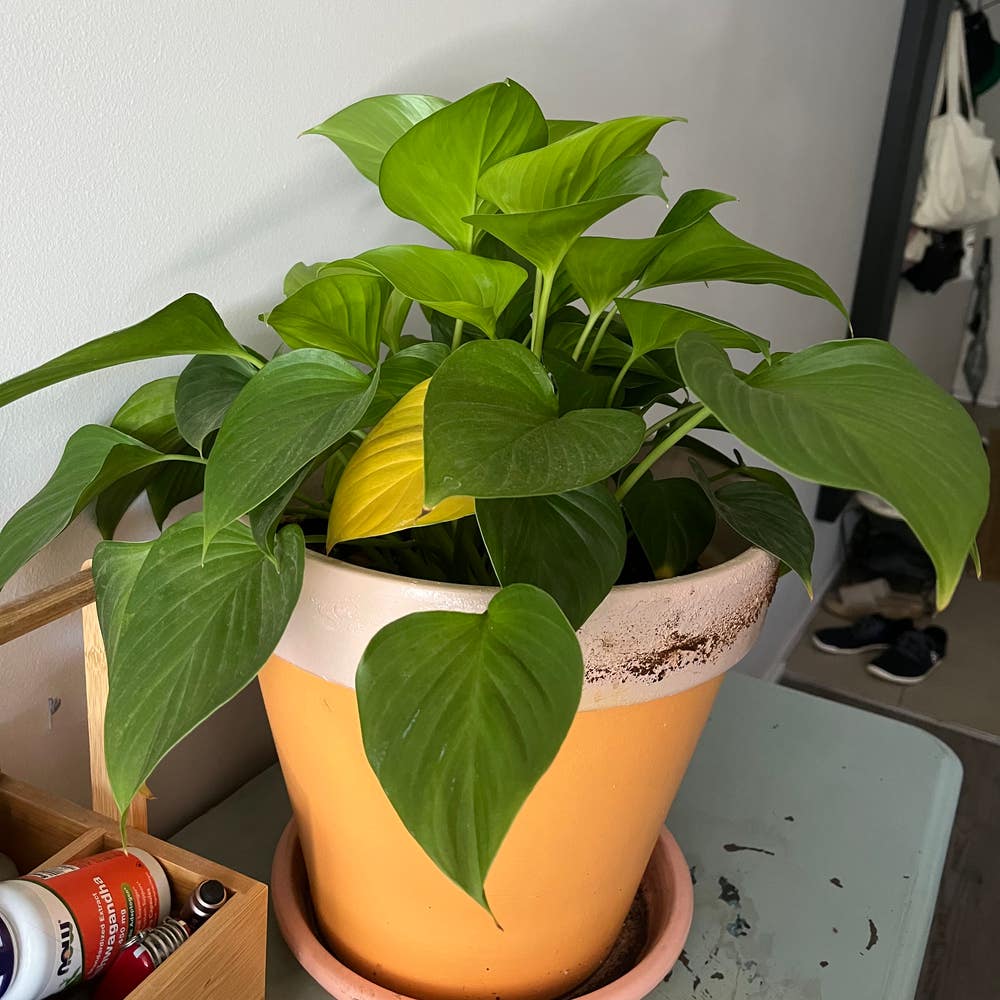
Diagnosing Homalomena Rubescens Root Rot
Homalomena rubescens
By the Greg Editorial Team
Apr 07, 2024•4 min read
This article was created with the help of AI so we can cover more plants for you. May contain errors. See one? Report it here.
- Yellow leaves and wilting signal early root rot in Homalomena rubescens.
- Trim rotted roots carefully and repot for successful treatment.
- Prevent with well-draining soil, proper watering, and environmental control.
Spotting the Red Flags: Symptoms of Root Rot
🚩 Visual Clues
Yellowing leaves might be your Homalomena rubescens' way of saying, "Hey, I'm not feeling too hot." If the foliage starts to wilt or turn brown, it's not trying to set a new trend; it's a cry for help. These are the early warnings that something's amiss below the surface.
🕳 Below the Surface
When you dig a little deeper, literally, you'll find the more damning evidence of root rot. If the roots of your plant feel like they've been through a blender—mushy and soft—then you've got a problem. And that stench? It's not the smell of success. Foul odors coming from the soil are your plant's version of an S.O.S. signal.
Unearthing the Problem: How to Diagnose Root Rot
🕵️♂️ Root Inspection
Root rot diagnosis starts with root inspection. First, ensure your hands and tools are clean to avoid spreading any pathogens. Gently remove your Homalomena rubescens from its pot, taking care not to damage the plant further. Brush away the soil for a clear view of the root system. Healthy roots should be firm and white or light tan. If they're squishy and dark, resembling overcooked pasta, you're facing root rot. A bad smell is another dead giveaway.
Assessing the Damage
Once you've exposed the roots, assess the damage. If only a few roots are affected, you might have caught the problem early. However, if the majority are mushy and discolored, the situation is more serious. Use sterilized scissors or shears to trim away the rotten parts. Remember, it's a delicate balance—remove too little, and the rot could persist; remove too much, and the plant may not recover. If you're uncertain about the severity, consider sending a soil sample to a lab for a professional diagnosis. This step can reveal the specific pathogens at play and inform your treatment plan.
Taking Action: Treating Root Rot in Homalomena Rubescens
🏥 Surgical Precision
When root rot strikes your Homalomena rubescens, it's time for some tough love. First, sterilize your pruning shears with alcohol or a bleach solution. Carefully snip away the dark, soft, and obviously rotted roots. It's crucial to cut a bit into the healthy tissue to ensure no rot is left behind.
🌱 The Right Environment
After the operation, your plant needs the perfect recovery room. Select a new pot that's just right—not too big, not too small, and with drainage holes to prevent future waterlogging. Fill it with a well-draining soil mix; think equal parts potting mix, orchid bark, perlite, and charcoal. This combo promotes aeration while retaining the necessary moisture. Remember, your Homalomena rubescens doesn't want to swim; it just needs a drink now and then.
Water Wisdom: Balancing Moisture to Prevent Recurrence
💧 Fine-Tuning Watering Habits
Watering Homalomena rubescens isn't a set-it-and-forget-it deal. Adjust your watering frequency with the seasons—less in the cool, dormant period, more when it's warmer. The goal is to keep the soil consistently moist, but never soggy.
🛠 Tools of the Trade
Moisture meters are your best friends in the quest to avoid overwatering. They provide a precise reading of soil moisture, so you can water with confidence. Remember, the top inch of soil should feel dry before you give your plant a drink.
Keeping It Dry: Long-Term Prevention Strategies
💧 Soil and Drainage Mastery
Well-draining soil isn't just a preference; it's a necessity for Homalomena rubescens. To achieve this, mix in perlite or sand to create a loose, airy texture. Ensure your pot is not just a decorative piece but a functional one with adequate drainage holes. It's a simple yet critical step in the plant's survival.
🌡️ Environmental Control
Managing humidity is a balancing act. Too much and you're throwing a party for fungi; too little and you're left with a plant that resembles a piece of toast. Use a hygrometer to monitor moisture levels in the air, aiming for that perfect midpoint. When it comes to light, bright but indirect is the sweet spot. It's like giving your plant a pair of sunglasses, protecting it from harsh rays while still letting it bask in the glow.
Seasonal changes demand attention. Keep a watchful eye on your Homalomena rubescens like it's a mischievous pet; be ready to adapt your care routine to maintain an ideal environment throughout the year. Remember, consistency is key—regular checks and tweaks can prevent a whole world of root rot pain.
⚠️ Safety First
This content is for general information and may contain errors, omissions, or outdated details. It is not medical, veterinary advice, or an endorsement of therapeutic claims.
Always consult a qualified healthcare professional before using any plant as food, medicine, or supplement.
Never eat any plant (or feed one to pets) without confirming its identity with at least two trusted sources.
If you suspect poisoning, call Poison Control (800) 222-1222, the Pet Poison Helpline (800) 213-6680, or your local emergency service immediately.
Spotted an error? Please report it here.
Avoid homalomena rubescens root rot by using Greg's moisture meter alerts 🚨, ensuring your plant's roots stay healthy and rot-free with precision watering.