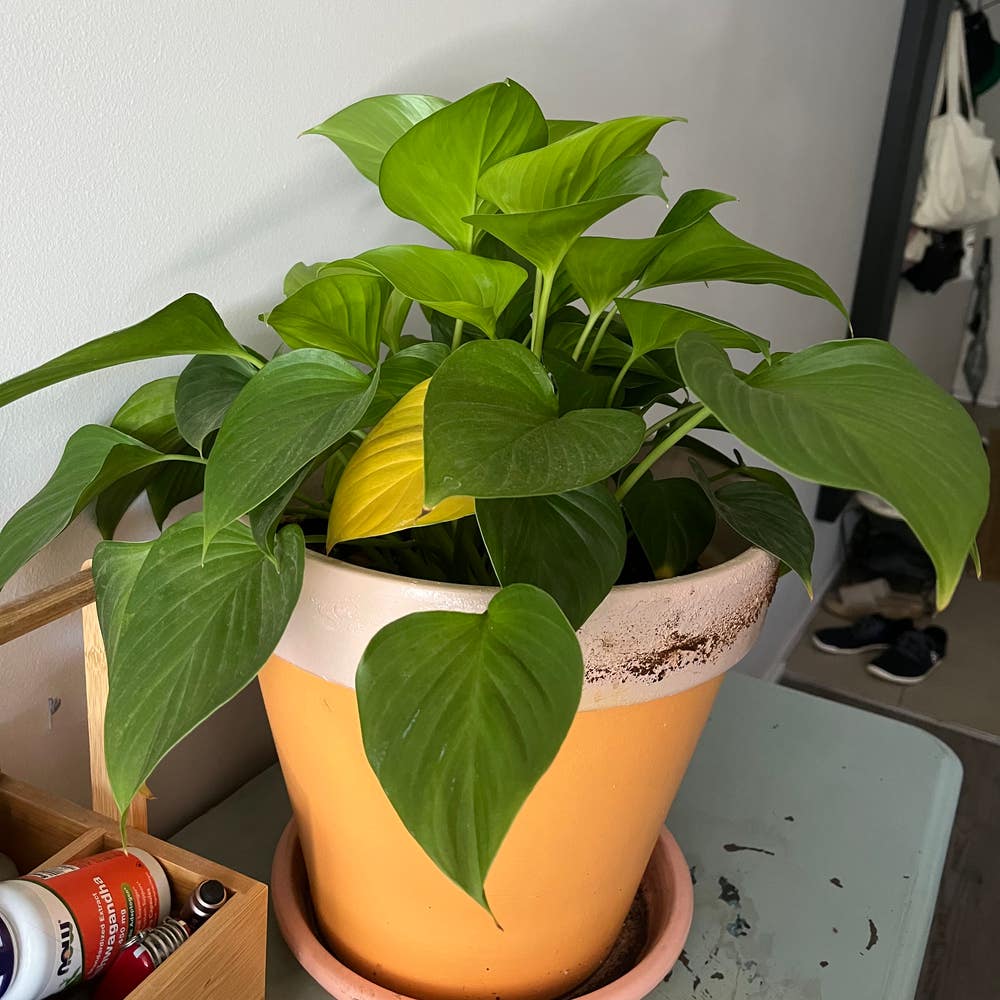
Why Is My Homalomena rubescens Not Doing Well?
Homalomena rubescens
By the Greg Editorial Team
Apr 07, 2024•4 min read
This article was created with the help of AI so we can cover more plants for you. May contain errors. See one? Report it here.
- Over-watering causes yellow leaves and root rot; let soil dry and trim roots.
- Too much or little light? Adjust location and use sheer curtains for balance.
- Temperature consistency is crucial; avoid drafts and direct heat sources.
When Water Works Against You
💧 Over-watering Woes
Telltale Signs
Yellow leaves are waving a distress flag, telling you your Homalomena rubescens might be drowning in excess water. If the leaves feel like a damp sponge rather than a crisp, healthy plant part, it's time to dial back on the hydration. Black spots or browning tips are your plant's version of an SOS—heed the warning.
Making It Right
First, stop watering; let the soil dry out to avoid further damage. Check if your pot's drainage is up to snuff—clogged holes could be the culprit. If you find root rot, it's time for surgery: trim the rotten parts away. Afterward, adjust your watering habits and keep an eye on your plant's recovery.
🏜️ The Thirsty Plant
Crispy Leaves, Crispy Mood
When leaves go crispy, it's a clear sign your plant is as thirsty as a desert traveler. Soil pulling away from the pot's edge is another red flag—your Homalomena rubescens is begging for a drink.
Hydration Help
To quench your plant's thirst, water it slowly—no deluges, please. Aim for consistent moisture; think of it as a hydration marathon. If your pot feels lighter than usual and the soil is dry to the touch, it's time to water. Remember, your Homalomena rubescens isn't looking for a pool party, just a steady supply of life-giving H2O.
Light: Finding the Sweet Spot
⛅️ Too Much Sun, Too Little Fun
Scorched leaves on your Homalomena rubescens are a clear distress signal. They're saying, "I've had too much sun, thank you very much." If the leaves look like they've been through a desert trial, it's time to relocate your plant to a less intense spot.
🌓 Shady Solutions
To prevent your Homalomena rubescens from turning into a crispy critter, adjust the light. Use sheer curtains to diffuse direct sunlight or place it in a spot that gets gentle morning or evening light. Remember, this plant doesn't need a tan.
⛺️ The Dark Side of Shade
When your Homalomena rubescens starts stretching out like it's reaching for something just out of grasp, it's not being dramatic—it's light-starved. Pale leaves and leggy growth are its way of telling you it's too shaded.
💡 Light It Up
To combat the gloom, increase the ambient brightness. Find a spot that offers bright, indirect light, like near a north-facing window or just out of reach of the sun's rays in a brighter room. Think of it as giving your plant a light snack, not a full-course meal.
Temperature Tantrums
🥶 Chilly Leaves, Chilly Plant: Identifying Temperature Stress Signs
When your Homalomena rubescens starts sporting droopy leaves or dark, mushy spots, it's not just throwing a fit—it's too cold. Stunted growth and a sudden leaf-drop spree are your plant's equivalent of sending out an SOS. It's like your green buddy is trying to tell you it's time to bundle up.
Keeping It Cozy: Stabilizing Temperature for Homalomena rubescens Comfort
To avoid temperature-induced tantrums, keep your Homalomena rubescens in a Goldilocks zone—not too hot, not too cold. Think steady temperatures, away from drafts and direct heat sources. Consistency is key. If you catch your plant wilting or its leaves crisping at the edges like overdone toast, it's time to move it to a cooler, less dramatic spot. Remember, your plant's comfort zone is crucial for its well-being, so keep the thermostat steady and your Homalomena rubescens will thank you.
Plant Care 101
Choosing the Right Plant for Your Space
Watering Dos and Don'ts
Soil and Fertilizer Basics
Dealing with Pests and Diseases
Root of the Problem
🦠 Smelly Situation: Discovering and Diagnosing Root Rot
Root rot in Homalomena rubescens is the silent killer lurking beneath the soil. If your plant's leaves are wilting or yellowing, it's time for a root intervention. Slide the plant out of its pot and inspect the roots. Healthy roots are like the plant's lifelines—firm and white. If they're brown, mushy, or worse, smell like a forgotten gym locker, you've got a case of root rot.
🌱 Root Recovery: How to Save Your Homalomena Rubescens from Root Rot
First, trim the tragedy. With sterilized shears, cut away the rotten roots—think of it as removing the bad apples to save the bunch. Next, pick a new pot with ample drainage holes to prevent future waterlogging. The right size pot is crucial; too big, and you risk moisture buildup, too small, and the roots can't breathe. Fill it with a well-draining soil mix, because your plant's life literally depends on it. If you're feeling defensive, a dab of fungicide on the healthy roots can act as a protective charm. Remember, cleanliness is your new mantra—keep the plant's area free of debris and standing water to ward off any future rot rendezvous.
⚠️ Safety First
This content is for general information and may contain errors, omissions, or outdated details. It is not medical, veterinary advice, or an endorsement of therapeutic claims.
Always consult a qualified healthcare professional before using any plant as food, medicine, or supplement.
Never eat any plant (or feed one to pets) without confirming its identity with at least two trusted sources.
If you suspect poisoning, call Poison Control (800) 222-1222, the Pet Poison Helpline (800) 213-6680, or your local emergency service immediately.
Spotted an error? Please report it here.
Revive your Homalomena rubescens by letting Greg's custom watering plan 🚿 and light condition tips turn your plant care from guesswork to green-thumb success!