Why Does My Homalomena rubescens Have Yellow Leaves?
Homalomena rubescens
By the Greg Editorial Team
Apr 07, 2024•4 min read
This article was created with the help of AI so we can cover more plants for you. May contain errors. See one? Report it here.
- 🍂 Yellow leaves signal distress or natural aging in Homalomena rubescens.
- 💧🌞 Balance water and light; check soil and roots for health.
- 🌱 Prune and fertilize properly to maintain vibrant foliage.
Spotting Trouble: Identifying Yellow Leaves
🚨 Recognizing Unhealthy Yellowing
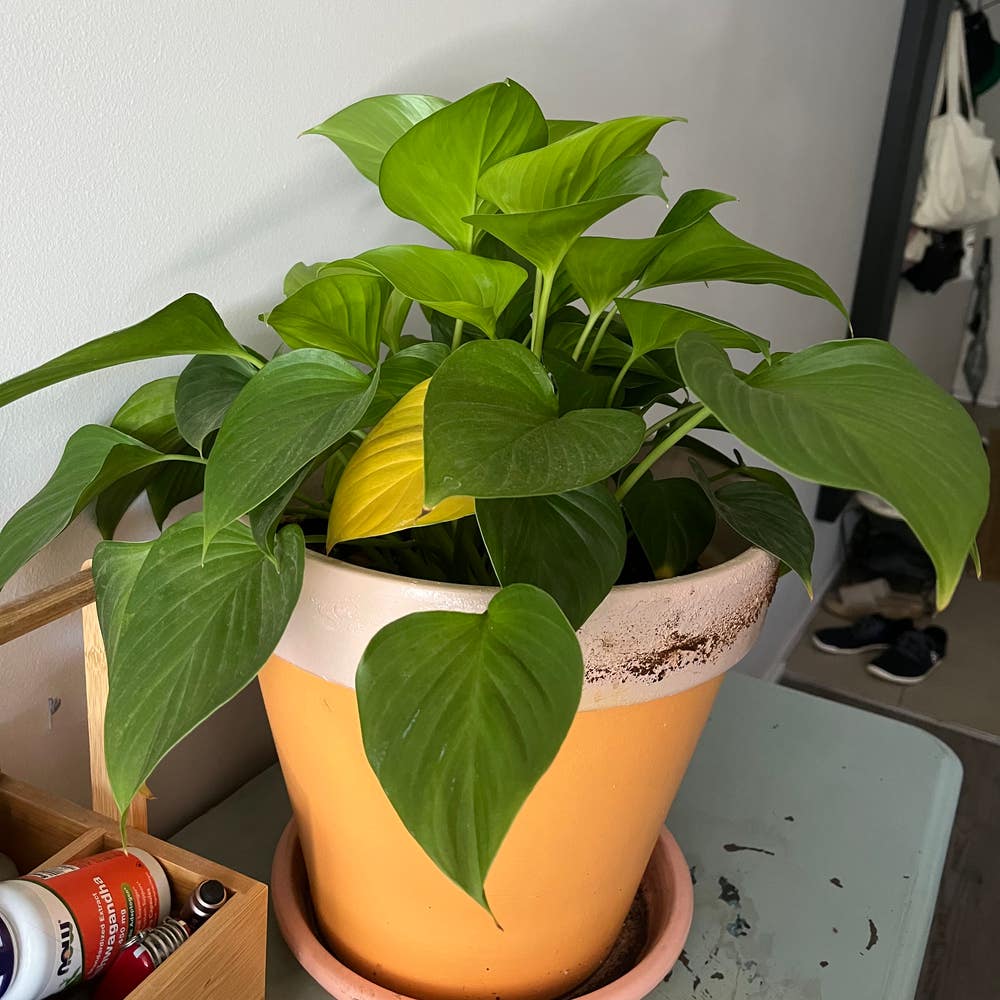
Yellow leaves can signal distress or natural aging in Homalomena rubescens. It's normal for older leaves to yellow and fall, but if younger leaves or the entire plant is turning yellow, it's time to investigate.
Patterns and Progression
Patterns in yellowing help diagnose the issue. Uniform yellowing could be a watering or nutrient problem, while patchy yellowing might suggest pests or disease. Rapid yellowing, particularly in new growth, warrants immediate action.
Root of the Problem: Common Causes of Yellow Leaves
💧 Water Woes: Overwatering vs. Underwatering
Watering is a delicate dance, and getting it wrong is a common misstep for Homalomena rubescens owners. Overwatering suffocates roots, leading to yellow leaves that feel as limp as a wet noodle. Underwatering, on the other hand, leaves the plant gasping for moisture, with leaves as yellow and crispy as autumn foliage. The trick is to water when the top inch of soil feels dry, not before.
🍽️ Feeding Faux Pas: Nutrient Deficiencies
Nutrient deficiencies in Homalomena rubescens can turn leaves yellow faster than a traffic light. It's not just about slapping on fertilizer; it's about the right balance. Yellowing between veins or at leaf edges is your plant crying out for a nutrient boost. A balanced fertilizer, applied as directed, can green things up again. Remember to water before and after fertilizing to prevent root burn.
🌞 Light and Shadows: The Role of Sunlight
Sunlight can be a friend or foe to your Homalomena rubescens. Too much light and your plant's leaves will yellow like they've been bleached by the sun. Too little, and they'll yellow from the lack of photosynthetic love. The sweet spot is bright, indirect light. If your lighting is more cave-like, consider a grow light to mimic the sun's embrace.
Getting to the Bottom of It: Diagnosing the Issue
🌱 Soil and Root Check-Up
A quick soil squeeze can tell you a lot. If it feels like a squished marshmallow, you've got overwatering on your hands. Too crumbly? Underwatering may be the culprit.
Root inspection time. Yank your plant out gently and shake off the dirt. Healthy roots are the supermodels of the plant world: long, strong, and a nice cream color. If they look like they've been in a zombie movie—dark, slimy, and smelling like decay—it's time to take action.
🚦 The Telltale Signs
Leaves can be snitches when it comes to plant health. Yellow leaves with green veins scream iron deficiency. Older, yellow leaves are gossiping about potential nitrogen problems.
Don't just stand there—get technical with a soil test. It's like a reality check for your plant's living conditions. If you're still scratching your head, a professional lab test is like a reality TV reveal for what's going on underground.
Turning Over a New Leaf: Remedies and Prevention
💧 Fine-Tuning Watering and Feeding
Watering is more art than science. Your Homalomena rubescens craves consistency, so water when the top inch of soil feels dry. No guesswork—use your finger or a moisture meter. Overwatering? You're drowning the roots. Underwatering? You're leaving them thirsty. Find that Goldilocks zone.
Feeding should be methodical. Use a balanced fertilizer, but don't overdo it. Think of it as seasoning food—a pinch here, a dash there. Stick to the recommended schedule, and watch your plant respond with gratitude.
☀️ Light Adjustments and Environmental Tweaks
Light is your plant's best friend, but it's fickle. Too much, and you'll have a sunburnt leaf on your hands; too little, and you'll see a sullen, yellowing plant. Aim for bright, indirect light. Rotate your plant regularly for even exposure.
Environment matters. Keep your Homalomena rubescens away from drafts and stabilize the temperature. Humidity is also key—consider a humidifier if your air is drier than a stand-up comedian's wit.
✂️ When to Prune
Pruning is a necessary evil. Yellow leaves won't turn green again, so snip them off with clean shears. It's not just cosmetic; it redirects energy to the foliage still in the game. Prune sparingly and strategically, like a sculptor chiseling away at marble.
⚠️ Safety First
This content is for general information and may contain errors, omissions, or outdated details. It is not medical, veterinary advice, or an endorsement of therapeutic claims.
Always consult a qualified healthcare professional before using any plant as food, medicine, or supplement.
Never eat any plant (or feed one to pets) without confirming its identity with at least two trusted sources.
If you suspect poisoning, call Poison Control (800) 222-1222, the Pet Poison Helpline (800) 213-6680, or your local emergency service immediately.
Spotted an error? Please report it here.
Pinpoint the cause of your Homalomena rubescens' yellow leaves and nurture 🌟 it back to health with Greg's custom watering schedules and real-time community support.