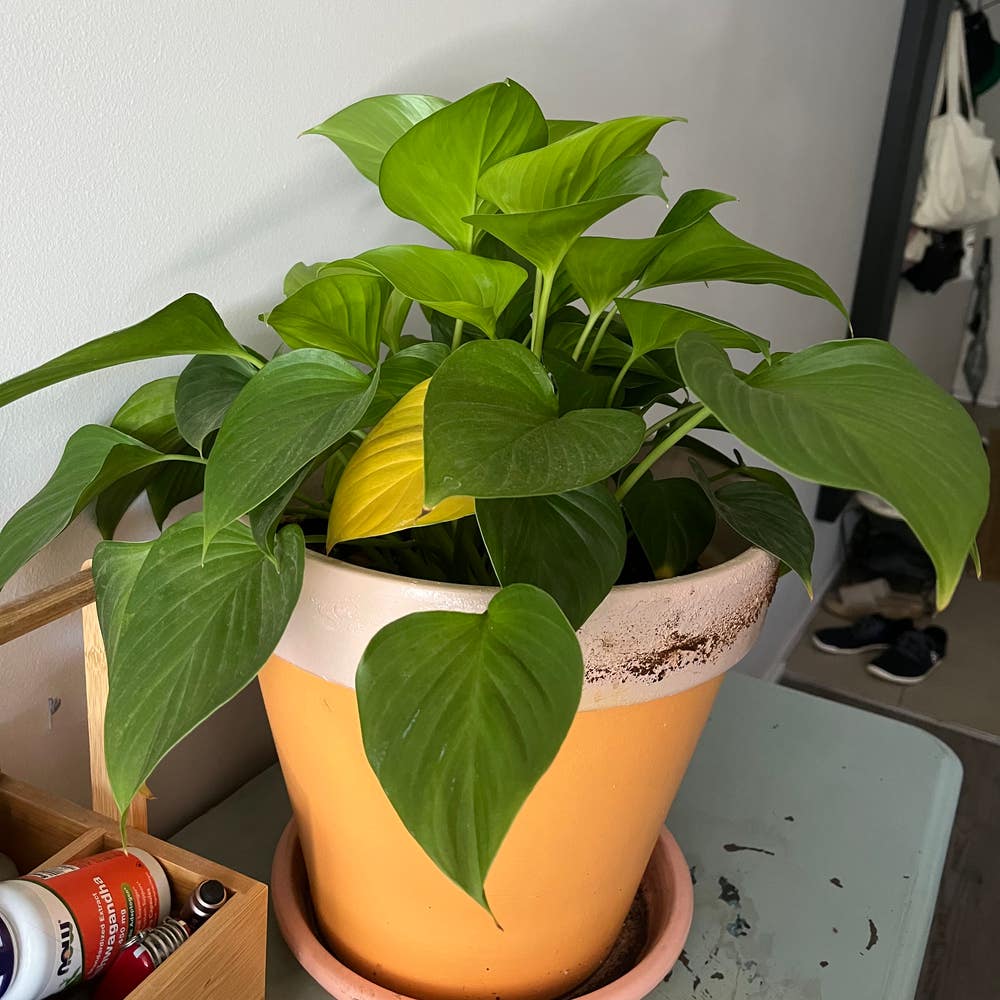
❤️ How to Fix Your Ace of Hearts Tree Wilting
Homalomena rubescens
By the Greg Editorial Team
Oct 17, 2024•5 min read
This article was created with the help of AI so we can cover more plants for you. May contain errors. See one? Report it here.
- 💧 Wilting indicates water stress; balance watering to prevent under or overwatering.
- ☀️ Heat stress causes leaf scorch; relocate to shade during peak sun hours.
- 🌱 Monitor soil moisture and humidity to maintain a healthy Ace of Hearts Tree.
Common Causes of Wilting Leaves
💧 Water Stress
Wilting leaves can often signal water stress in your Ace of Hearts Tree. Look for symptoms like drooping leaves, dry soil, and leaf curling.
Inadequate watering or overwatering can lead to root damage, causing these distress signals. Finding the right balance is crucial for your plant's health.
🔥 Heat Stress
Heat stress is another common culprit behind wilting. Symptoms include leaf scorch, browning edges, and noticeable wilting during hot weather.
This stress usually arises from exposure to direct sunlight or temperatures that exceed the plant's tolerance. Keeping your tree in a suitable environment can help mitigate these effects.
🦠 Disease-Related Wilting
Although rare, disease-related wilting can occur in Ace of Hearts Trees. Symptoms often include yellowing leaves and wilting, even when the plant is adequately watered.
This issue is typically linked to root rot or fungal infections. Regular monitoring can help catch these problems early, ensuring your tree stays healthy.
Understanding these common causes is the first step in addressing wilting leaves effectively. Next, we'll explore how to diagnose the specific issues affecting your Ace of Hearts Tree.
Diagnosing Wilting
📝 Step-by-Step Guide
Diagnosing wilting in your Ace of Hearts Tree starts with assessing soil moisture. Check if the soil is too dry or overly saturated, as both extremes can lead to stress.
Next, examine the environmental conditions. Note the temperature and humidity levels, as these factors significantly impact your plant's health.
Inspect the leaves closely for any signs of pests or disease. Look for unusual spots, webbing, or any other abnormalities that could indicate a problem.
Finally, evaluate any recent care changes. Consider if you've altered watering routines or moved the plant to a different location, as these shifts can affect its well-being.
🔍 Signs to Look For
Pay attention to leaf color changes, such as yellowing or browning. These shifts often signal underlying issues that need addressing.
Also, check the leaf texture. Soft or mushy leaves typically indicate overwatering, while crisp, dry leaves may suggest underwatering.
Observe the leaf position as well. Drooping or curling leaves are clear indicators of stress and should prompt immediate action.
By following these steps and recognizing these signs, you can effectively diagnose the cause of wilting in your Ace of Hearts Tree. This proactive approach will set you on the path to restoring your plant's health and vitality.
Next, let’s explore solutions to address the specific causes of wilting.
Solutions for Wilting
🌊 Addressing Water Stress
To combat water stress, start by adjusting your watering schedule. Aim for consistent moisture without creating waterlogged conditions.
Implementing bottom watering techniques can also be beneficial. This method allows the roots to absorb water from below, promoting healthier growth.
☀️ Addressing Heat Stress
If your Ace of Hearts Tree is suffering from heat stress, consider relocating it to a shadier spot during peak sun hours. This simple change can make a significant difference.
Increasing humidity around the plant is another effective strategy. Use a humidity tray or mist the leaves to create a more favorable environment.
🦠 Addressing Disease-Related Wilting
Though rare, disease-related wilting can occur. If you notice affected leaves, remove them promptly to prevent the spread of any potential issues.
In some cases, treating with appropriate fungicides may be necessary. However, this is typically not required for the Ace of Hearts Tree.
By addressing these common causes of wilting, you can help your Ace of Hearts Tree thrive. Next, let’s explore preventive measures to keep your plant healthy and vibrant.
Preventive Measures
Tips to Minimize Future Wilting 🌱
To keep your Ace of Hearts Tree thriving, regularly monitor soil moisture levels. This simple practice helps you avoid extremes that can lead to wilting.
Maintaining consistent humidity and temperature conditions is equally important. A stable environment supports healthy growth and reduces stress on your plant.
Environmental Adjustments ☀️
Position your tree in a location with filtered sunlight. This protects it from harsh rays while still allowing it to soak up the light it needs.
Using mulch is another effective strategy. It retains soil moisture and helps regulate temperature, creating a more stable environment for your tree.
By implementing these preventive measures, you can significantly reduce the risk of wilting and ensure your Ace of Hearts Tree remains vibrant and healthy.
Next, let’s explore when it might be time to seek professional help for your plant.
When to Seek Help
Signs That Require Professional Assistance 🩺
If your Ace of Hearts Tree continues to wilt despite your best efforts, it may be time to call in the experts. Persistent wilting can indicate deeper issues that simple adjustments won't fix.
Look for signs of severe disease or pest infestation. If you notice unusual spots, rapid leaf drop, or a sudden increase in pests, don’t hesitate to seek help.
Resources for Assistance 🌱
Local nurseries are a fantastic resource for expert advice. They can provide tailored solutions based on your specific situation and the local climate.
Additionally, engaging with the plant care community online can be invaluable. Sharing experiences and solutions with fellow plant enthusiasts can lead to new insights and strategies for reviving your tree.
By staying proactive and seeking help when needed, you can ensure your Ace of Hearts Tree thrives. Now, let’s explore some preventive measures to keep your tree healthy and happy!
⚠️ Safety First
This content is for general information and may contain errors, omissions, or outdated details. It is not medical, veterinary advice, or an endorsement of therapeutic claims.
Always consult a qualified healthcare professional before using any plant as food, medicine, or supplement.
Never eat any plant (or feed one to pets) without confirming its identity with at least two trusted sources.
If you suspect poisoning, call Poison Control (800) 222-1222, the Pet Poison Helpline (800) 213-6680, or your local emergency service immediately.
Spotted an error? Please report it here.
Keep your Ace of Hearts Tree thriving 🌿 by using Greg's tailored watering reminders and community insights to tackle wilting issues head-on!