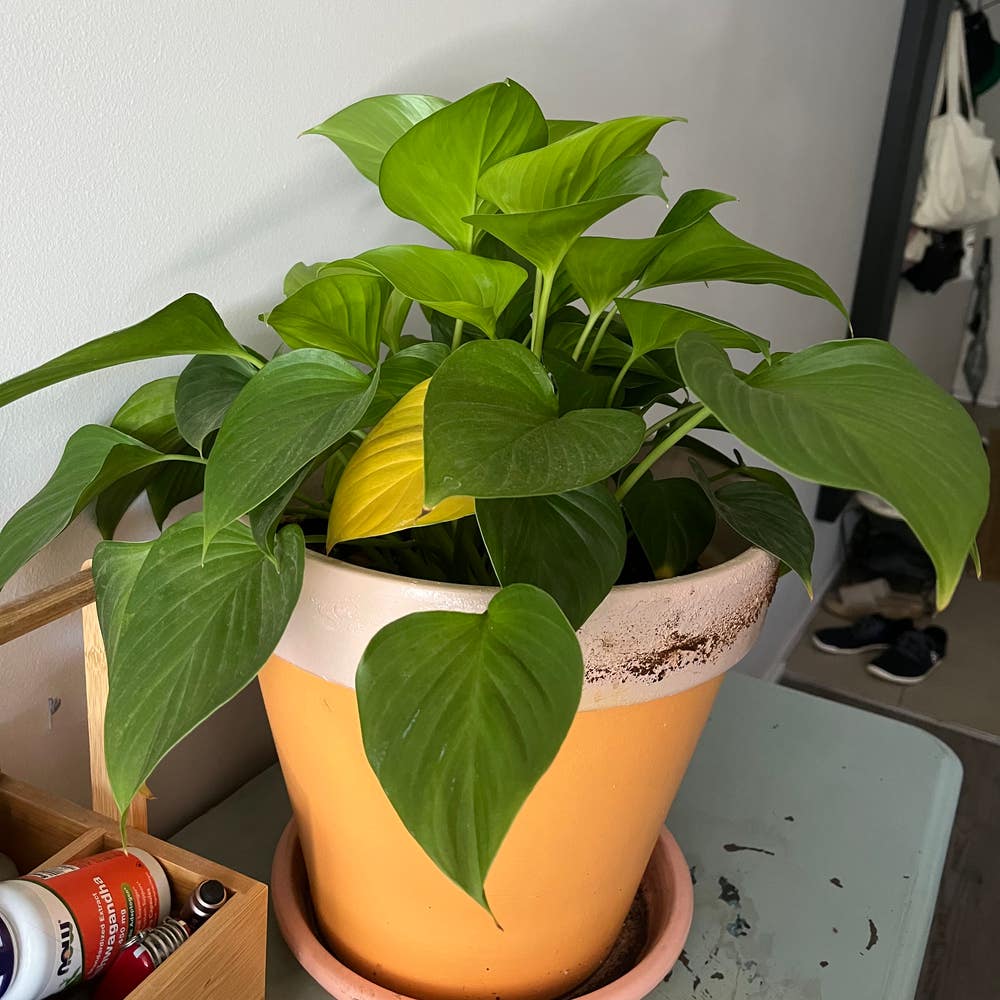
Why Are There Brown Spots on My Homalomena rubescens Leaves?
Homalomena rubescens
By the Greg Editorial Team
Apr 07, 2024•5 min read
This article was created with the help of AI so we can cover more plants for you. May contain errors. See one? Report it here.
- Over/underwatering, fungi, bacteria, pests cause brown spots.
- Adjust watering, treat infections, and control pests for healthy leaves.
- Regular inspections and environmental checks prevent future spots.
Spotting the Trouble: Common Causes of Brown Spots
💦 Overwatering Woes
Soggy soil and a musty smell are telltale signs of overwatering. If your Homalomena rubescens is showing soft, dark brown spots, it's time to rethink your watering schedule.
How to adjust your watering routine
Check the soil's moisture by feeling it; only water when dry. Ensure drainage holes are clear to prevent water from overstaying its welcome.
🏜️ Underwatering Issues
Dry, brittle spots on leaves indicate your plant is thirstier than a camel on a hot day.
Tips for proper hydration
Water deeply but infrequently, allowing the soil to dry out slightly between waterings. Think of it as a drink, not a flood.
🍄 Fungal Fiascos
Yellow-ringed or crusty spots are the fungal party leftovers on your plant's leaves.
Appropriate fungicide treatments
Isolate your plant, remove affected leaves, and apply a fungicide. Keep the air moving to crash the fungal fiesta.
🦠 Bacterial Battles
Brown spots with a yellow or red edge that look water-soaked or slimy are signs of a bacterial shindig.
Recommended antibacterial approaches
Prune infected areas and use a bactericide. Keep your plant's leaves dry to avoid bacterial gatecrashers.
🐜 Pest Problems
Fine webbing or stickiness on your Homalomena rubescens? Pests are throwing a rave.
Effective pest control strategies
Introduce natural predators or use insecticidal soap. Regular inspections are your bouncers to keep these uninvited guests out.
Pinpointing the Problem: How to Diagnose Brown Spots
🔍 Visual Inspection Tips
Get up close with your Homalomena rubescens. Brown spots can be a plant's cry for help, and it's your job to listen. Check the pattern; uniform spots could signal sunburn, while water-soaked ones might scream overwatering. Flip those leaves—sometimes the underside holds the secret.
Transparency in the spots? Think fungus. Solid and brown? Bacteria could be the party crasher. And if the spots are expanding like your waistline after the holidays, it's a sign the problem's on the move.
🌿 Environmental Assessment
Your plant's home environment matters. Too much light or not enough can turn your green beauty into a brown mess. Use a hygrometer to check humidity levels; your plant's not a fan of sauna-like conditions. Keep it away from drafts and heat sources unless you're aiming for a plant tan.
Notice a correlation between the brown spots and the latest heatwave or cold snap? You've got an environmental stress situation on your hands. And remember, stability is key—plants are creatures of habit, too.
🕵️ Seeking Expert Advice
Sometimes, you hit a wall. When your plant's brown spots are more mysterious than your teenager's mood swings, it's time to call in the pros. Snap some clear photos of the afflicted leaves and note any symptom progression. Your local extension service or a plant pathologist can run tests, giving you the lowdown on what's bugging your plant.
Don't be shy to seek expert advice. It's like asking for directions; it can save you a lot of time and trouble. Plus, it's a great way to learn more about your plant and how to keep it healthy.
Fixing the Foliage: Treatment Strategies
💧 Watering Adjustments
Fine-tuning your watering habits can be a game-changer for your Homalomena rubescens. Overzealous watering can drown your plant's roots, leading to those dreaded brown spots. On the flip side, a parched plant is just as problematic.
- Check the soil before you water—stick your finger in; if the top inch feels like a desert, it's time to hydrate.
- Ensure your pot has drainage holes to avoid creating a mini swamp for your plant's roots.
- Water in the morning so leaves can dry out, reducing the risk of fungal parties.
🦠 Infection Interventions
When it comes to infections, whether fungal or bacterial, time is of the essence.
- Remove infected foliage promptly to prevent spread.
- Use fungicides or antibacterial treatments as directed, covering every leaf like you're applying sunscreen.
- Improve air circulation around your plant; it's like giving your plant room to breathe.
🐜 Pest Eradication
Pests can be sneaky little critters, causing havoc before you even notice.
- Regularly inspect leaves for any signs of uninvited guests.
- Apply a soapy water solution or an appropriate pesticide as soon as pests are spotted.
- Consider integrated pest management strategies, like introducing beneficial insects or using physical barriers.
Remember, the key to healthy Homalomena rubescens leaves is a balance of vigilance and restraint. Too much love can be just as harmful as neglect.
Keeping Leaves Lush: Prevention Tactics
🌿 Routine Care Routines
Establishing a preventive care schedule is like setting an alarm clock for your plant's well-being. Consistency in watering, light exposure, and pruning is not just beneficial; it's non-negotiable.
💧 Monitoring Moisture Levels
Tools are your allies in the quest to quench your plant's thirst just right. A moisture meter or the good ol' finger test should become part of your plant care arsenal. Remember, overwatering is a one-way ticket to Soggy Leavesville.
👩⚕️ Regular Health Checks
Scheduling regular inspections is like having a standing coffee date with your plant. You catch up, you look for signs of distress, and you take action before a yellow leaf ever dares to show its face. Keep an eye out, and your Homalomena rubescens will keep its lush.
⚠️ Safety First
This content is for general information and may contain errors, omissions, or outdated details. It is not medical, veterinary advice, or an endorsement of therapeutic claims.
Always consult a qualified healthcare professional before using any plant as food, medicine, or supplement.
Never eat any plant (or feed one to pets) without confirming its identity with at least two trusted sources.
If you suspect poisoning, call Poison Control (800) 222-1222, the Pet Poison Helpline (800) 213-6680, or your local emergency service immediately.
Spotted an error? Please report it here.
Keep your Homalomena rubescens spotless 🍂 with Greg's tailored watering reminders and expert care tips for a healthy, thriving plant.