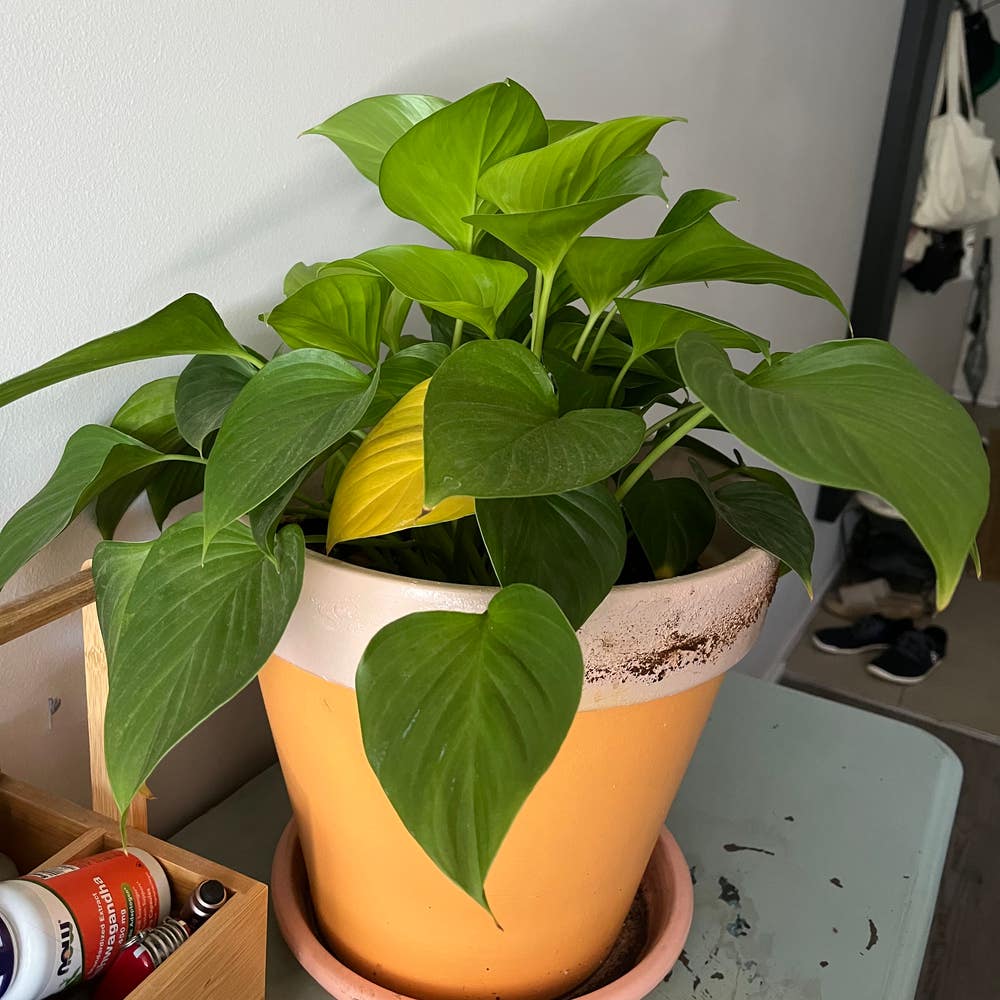
Why Are There Black Spots on My Homalomena rubescens Leaves?
Homalomena rubescens
By the Greg Editorial Team
Apr 07, 2024•4 min read
This article was created with the help of AI so we can cover more plants for you. May contain errors. See one? Report it here.
- Overwatering and humidity lead to fungal and bacterial black spots.
- Sunburn spots appear with too much direct sunlight exposure.
- Balance water, airflow, and light to prevent and treat black spots.
Spotting the Trouble: Recognizing Black Spots
🕵️ What Do Black Spots Look Like?
Black spots on Homalomena rubescens leaves are visual red flags. These marks can be tiny dots or larger patches, sometimes with a yellowish edge that hints at a deeper issue. Their appearance may vary from circular to irregular shapes, and they can be either raised or sunken compared to the leaf surface.
🌍 Where Do Black Spots Typically Appear?
Underneath the leaves is where these spots love to start their invasion, but they don't shy away from the top either. They're not picky about location; you might find them near the veins, at the leaf margins, or smack in the middle. It's a game of hide-and-seek where you definitely want to be the winner.
🔄 The Pattern of Spread on Homalomena rubescens Leaves
The spread pattern of black spots can be telling. If they're multiplying like party guests or expanding their territory, that's your cue for action. They might cluster together or appear randomly scattered across the leaf surface. Consistency in their progression is a clue to the underlying cause.
Rooting Out the Causes
💧 Too Much Water: The Fungal Connection
Overwatering is a prime suspect when black spots appear on Homalomena rubescens leaves. The excess moisture creates a fungal playground, with organisms like Fusarium and Phytophthora turning roots into mush and leaves into spotty canvases. Texture is a tell: fungal spots often have a yellow halo or concentric circles.
🌧 Stifled Breaths: Bacterial Leaf Spot and Humidity
Bacterial leaf spot is a less frequent but serious offender. It thrives in high humidity, manifesting as water-soaked spots that later turn brown or black. These spots may lack the yellow halo of fungal spots but can appear greasy and even ooze. Airflow is critical; stagnant air is like a closed-door party for bacteria.
🌞 When the Sun is Not Your Friend: Sunburn Spots
Sunburn on leaves is akin to the plant's cry for shade. Direct sunlight can scorch leaves, leaving behind dry, brownish spots. Unlike the spots caused by fungi and bacteria, sunburn spots are typically on the most light-exposed areas. Protection from harsh rays is key to prevent these unsightly burns.
Healing the Leaves: Effective Treatments
💧 Balancing the Watering Schedule
Watering is a balancing act, and your Homalomena rubescens is the tightrope walker. Overwatering invites fungi to the party, while underwatering turns your plant into a desert dweller. Let the top inch of soil dry out before you water again. Think of it as giving your plant a thirst-quenching drink, not a flood.
💨 Airflow and Humidity: Creating the Ideal Environment
Good air circulation is like a breath of fresh air for your Homalomena rubescens. It's the secret handshake of plant care, keeping the atmosphere fresh and reducing the risk of fungal gatecrashers. Humidity needs to be just right—use a humidifier or a pebble tray to maintain that sweet spot, especially during the dry, static-filled winter months.
☀️ Shifting the Light: Protecting from Harsh Rays
Your Homalomena rubescens doesn't appreciate a sunburn any more than you do. Position it where the sun's rays are as soft as a morning mist, filtered through a sheer curtain. Rotate the pot regularly for even exposure, and consider a shade cloth if the sun's being particularly relentless. Remember, patience is key; scorched leaves won't heal overnight, but with proper care, new growth will flourish.
Keeping the Spots at Bay: Prevention Tactics
💧 Watering Wisdom: Best Practices
Check the soil before watering—think 'wrung-out sponge', not 'swamp'. Overwatering invites fungi to the party, so ensure your Homalomena rubescens has a pot with drainage holes. Seasonal shifts mean adjusting your watering habits; use a moisture meter to avoid guesswork.
🌬️ Circulation and Humidity: Maintaining Plant Health
Aim for 40-60% humidity—too much and you're in a fungal funhouse, too little and your plant's thirsting for moisture. Use a dehumidifier or humidifier as needed. Airflow is crucial; it's like giving your plant room to breathe in a crowded subway. Quarantine new plants to prevent unwanted guests.
🌞 Sunlight Strategies: Finding the Sweet Spot
Bright, indirect sunlight is the jackpot. If your lighting setup feels more like a cave than a conservatory, consider a grow light. Avoid direct sun during peak hours—think of it as sunblock for your Homalomena rubescens. Regularly rotate your plant to ensure even growth and prevent sunburn spots.
⚠️ Safety First
This content is for general information and may contain errors, omissions, or outdated details. It is not medical, veterinary advice, or an endorsement of therapeutic claims.
Always consult a qualified healthcare professional before using any plant as food, medicine, or supplement.
Never eat any plant (or feed one to pets) without confirming its identity with at least two trusted sources.
If you suspect poisoning, call Poison Control (800) 222-1222, the Pet Poison Helpline (800) 213-6680, or your local emergency service immediately.
Spotted an error? Please report it here.
Keep your Homalomena rubescens thriving 🌿 with Greg's custom care plan that prevents black spots by optimizing watering and sunlight reminders.