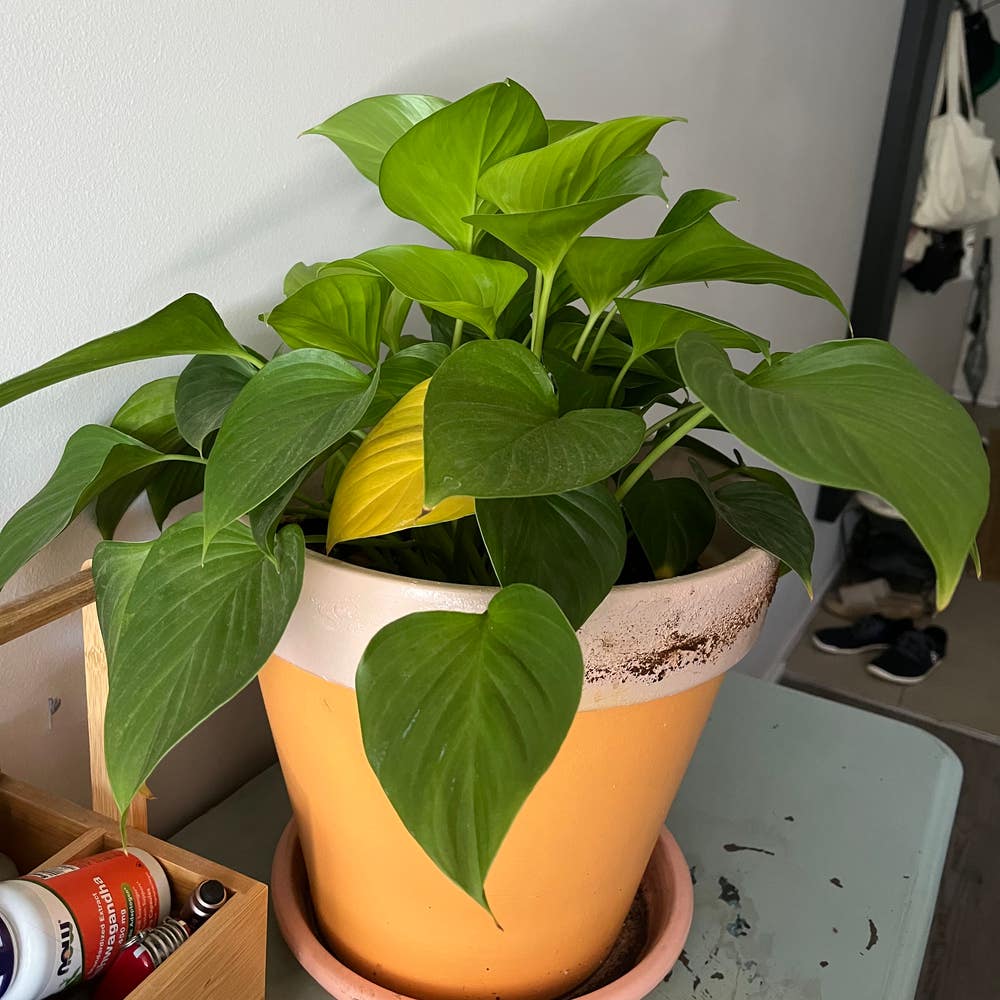
❤️ All About Your Ace of Hearts Tree's Roots
Homalomena rubescens
By the Greg Editorial Team
Oct 17, 2024•6 min read
This article was created with the help of AI so we can cover more plants for you. May contain errors. See one? Report it here.
- 🌱 Ace of Hearts roots reach 3 feet deep, ensuring stability and nutrient access.
- 🌳 Roots spread 2-3 times the canopy width, requiring ample planting space.
- 💧 Deep watering promotes strong taproots, essential for moisture and anchorage.
Root Depth, Spread, and Growth Patterns
🌱 Typical Root Depth and Spread
The Ace of Hearts tree boasts an impressive root system, typically reaching depths of up to 3 feet (0.9 meters) in well-drained soil. This depth allows the tree to anchor itself securely while accessing vital nutrients and moisture.
In terms of spread, the roots can extend 2 to 3 times the width of the canopy. This expansive growth ensures stability and support, making it crucial to consider the tree's space requirements when planting.
🌳 Growth Patterns and Implications for Care
The growth patterns of the Ace of Hearts tree are characterized by deep anchorage and lateral spread. This combination provides the tree with the stability it needs to thrive in various conditions.
When planting, it's essential to provide ample space for root growth. If you're considering container planting, be aware that the roots will require more room than a typical pot can offer, potentially leading to issues down the line. Ground planting often yields better results, allowing the roots to spread freely and establish a robust foundation.
Watering, Fertilizing, and Transplanting
🌱 How the Root System Affects Watering Needs
Watering your Ace of Hearts tree effectively is crucial for its root development. Deep watering encourages the growth of a strong taproot, which helps anchor the tree and access moisture deeper in the soil.
To prevent root rot, allow the soil to dry out between watering sessions. This balance is essential for maintaining a healthy root system.
🧪 Fertilizing Strategies Based on Root Characteristics
Using the right fertilizers can significantly impact your tree's health. A balanced NPK fertilizer is recommended for optimal nutrient absorption, ensuring your tree gets the essential elements it needs.
Timing is also key; fertilize during the growing season to support robust root health. This proactive approach will help your tree thrive.
🌳 Best Practices for Transplanting
Transplanting your Ace of Hearts tree requires careful timing and technique. The best times to transplant are early spring or fall, when the tree is less stressed.
Follow these steps for a successful transplant:
- Prepare the new planting hole, making it 2-3 times wider than the root ball.
- Gently remove the tree from its current location, preserving as much root structure as possible.
- Place the tree in the new hole and backfill with soil.
- Water thoroughly to eliminate air pockets.
These practices will ensure your tree adapts well to its new environment, promoting healthy growth.
Understanding how to care for your tree's roots through proper watering, fertilizing, and transplanting is vital. This knowledge sets the foundation for a thriving Ace of Hearts tree, ready to flourish in its new home.
Common Root-Related Issues
🕵️ Identifying Root Rot and Other Diseases
Root rot can be a sneaky adversary for your Ace of Hearts tree. Look out for wilting leaves, yellowing foliage, and a foul odor emanating from the soil—these are telltale signs that your roots may be in trouble.
Fungal infections can also plague your tree, compromising root health and overall vitality. Regular monitoring is essential to catch these issues early.
🚫 Tips for Preventing Root-Related Problems
Prevention is always better than cure. Ensure your soil is well-draining to avoid overwatering, which is a primary cause of root rot.
Keep an eye on moisture levels by checking the soil regularly. Adjust your watering techniques based on the season and the tree's needs to maintain a healthy root environment.
🛠️ Solutions for Common Root Issues
If you suspect root rot, act quickly. Remove any affected roots and repot your tree in fresh soil to give it a fighting chance.
For fungal infections, consider using fungicides to protect your tree's health. Addressing these issues promptly can save your Ace of Hearts and keep it thriving.
Understanding these common root-related problems is crucial for maintaining a healthy plant. With the right care, your tree can flourish and bring beauty to your space.
Healthy vs. Unhealthy Roots
👀 Visual Cues for Healthy Roots
Healthy roots are a gardener's dream. They should be white, firm, and free of any unpleasant odors.
Root health is crucial for overall plant vigor. Strong roots support nutrient uptake and stability, ensuring your Ace of Hearts tree thrives.
⚠️ Indicators of Unhealthy Roots and Corrective Measures
Unhealthy roots can spell trouble. Look for brown, mushy textures and foul smells as red flags.
If you spot these signs, take action. Prune away unhealthy roots and improve soil drainage to give your tree a fighting chance.
Rootbound Plants
Definition and Signs of Rootbound Conditions 🌱
Rootbound plants occur when roots circle the pot, restricting growth and nutrient uptake. This condition often leads to stunted growth and can even cause roots to emerge from drainage holes.
When and How to Address Rootbound Issues ⏰
Timing is crucial when addressing rootbound conditions. It's best to repot or divide the plant during early spring or fall.
Steps to Address Rootbound Conditions 🛠️
- Remove the plant from its pot.
- Gently untangle or prune any circling roots.
- Repot in a larger container filled with fresh soil.
By taking these steps, you can help your Ace of Hearts tree thrive and ensure its roots have the space they need to grow. Understanding rootbound conditions is essential for maintaining a healthy plant and promoting robust growth.
Next, let’s explore the importance of root health in propagation and dividing your plants effectively.
Propagation and Dividing
Importance of Root Health in Propagation 🌱
Healthy roots are crucial for successful propagation and growth. They not only support the plant's stability but also enhance its resilience, ensuring that new plants thrive in their environments.
Techniques for Dividing While Maintaining Root Integrity ✂️
Dividing your Ace of Hearts tree can rejuvenate its growth and promote healthier plants. Here are some best practices to follow:
Timing: Aim to divide in early spring or fall. This timing minimizes stress on the plant.
Tools: Always use clean, sharp tools. This helps prevent damage and reduces the risk of infection.
Method: Carefully divide the root ball into sections. Ensure each section has adequate roots to support new growth.
By following these techniques, you can effectively propagate your tree while maintaining its root integrity. This not only benefits the new plants but also enhances the overall health of the parent tree.
As you embark on this propagation journey, remember that understanding root health is key. Healthy roots lead to vibrant, resilient plants, setting the stage for a flourishing garden.
Next, let’s explore the signs of rootbound conditions and how to address them effectively.
⚠️ Safety First
This content is for general information and may contain errors, omissions, or outdated details. It is not medical, veterinary advice, or an endorsement of therapeutic claims.
Always consult a qualified healthcare professional before using any plant as food, medicine, or supplement.
Never eat any plant (or feed one to pets) without confirming its identity with at least two trusted sources.
If you suspect poisoning, call Poison Control (800) 222-1222, the Pet Poison Helpline (800) 213-6680, or your local emergency service immediately.
Spotted an error? Please report it here.
Nurture your Ace of Hearts tree's roots for vibrant growth 🌳 with Greg's tailored watering alerts and expert care tips that keep your plant thriving!