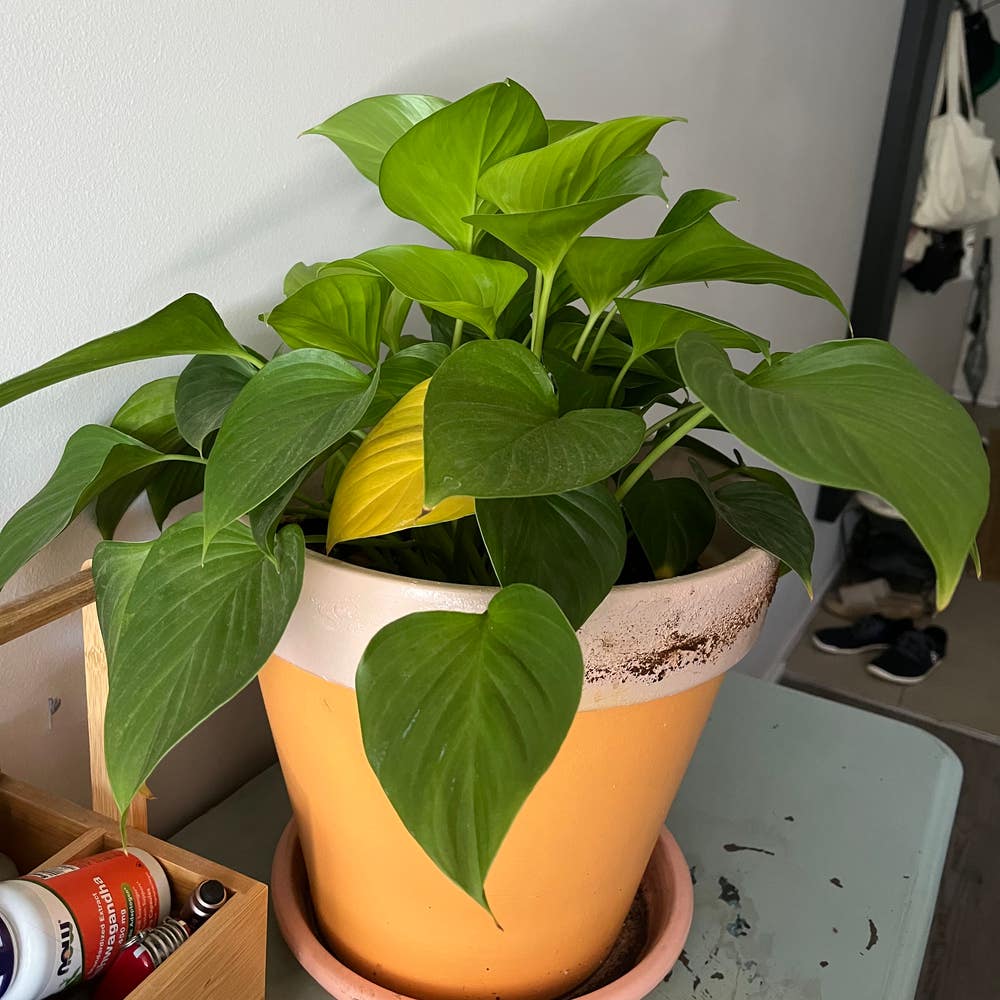
❤️ Ace of Hearts Tree: A Perennial Plant
Homalomena rubescens
By the Greg Editorial Team
Oct 17, 2024•4 min read
This article was created with the help of AI so we can cover more plants for you. May contain errors. See one? Report it here.
- 🌳 Ace of Hearts Tree thrives for years, reducing replanting efforts for gardeners.
- 🌦️ Seasonal changes impact growth, with dormancy in cooler months and vibrant spring phases.
- 🌱 Optimal care includes soil quality, sunlight, and consistent watering for healthy growth.
Lifecycle and Growth Patterns
🌱 Multi-Year Lifecycle
The Ace of Hearts Tree boasts a fascinating multi-year lifecycle. It begins with the initial establishment phase, where the plant focuses on developing a robust root system and early growth.
As it matures, the tree enters the mature growth stage, showcasing full foliage and the ability to flower. This is when the tree truly shines, providing beauty and habitat.
Each year, the tree experiences regrowth, drawing energy from its established roots to resume growth. This resilience makes it a reliable choice for gardeners.
🍂 Growth Patterns and Seasonal Changes
Understanding the seasonal growth cycles of the Ace of Hearts Tree is essential for optimal care.
- Spring marks the emergence of new growth, as the tree shakes off winter dormancy.
- Summer is the peak period, characterized by vigorous growth and vibrant flowering.
- In Fall, the tree prepares for dormancy, gradually slowing down its growth.
- Winter brings a dormancy phase, where the tree conserves energy while maintaining root stability.
💤 Identification of Dormancy
Recognizing when the Ace of Hearts Tree enters dormancy is crucial for care.
- Timing typically aligns with cooler months, signaling a natural slowdown.
- Signs of dormancy include reduced growth, leaf drop, and energy conservation, indicating the tree is resting and preparing for the next growth cycle.
This cyclical nature not only enhances the tree's resilience but also enriches the gardening experience. Understanding these patterns allows gardeners to provide better care and appreciate the beauty of the Ace of Hearts Tree throughout the seasons.
As we explore the advantages this perennial offers, you'll discover how its lifecycle contributes to a thriving garden.
Advantages for Gardeners
🌱 Benefits of Perennial Nature
The Ace of Hearts Tree offers significant advantages for gardeners, primarily due to its perennial nature. With this plant, you enjoy reduced replanting efforts, making it a long-term investment that pays off year after year.
Established root systems enhance resilience and nutrient access. This means your tree can thrive even in less-than-ideal conditions, providing you with a robust addition to your garden.
⏳ Expected Lifespan and Influencing Factors
Typically, the Ace of Hearts Tree can exceed several years in lifespan, making it a reliable choice for any garden. However, its longevity can be influenced by various factors.
Environmental conditions play a crucial role. Soil quality, moisture levels, and sunlight availability directly impact growth and health.
Care practices also matter significantly. Regular pruning, proper fertilization, and effective pest management can extend the life of your tree and enhance its overall performance.
By understanding these factors, you can maximize the benefits of your Ace of Hearts Tree, ensuring it remains a vibrant part of your garden for years to come.
As you plan for long-term cultivation, consider how these advantages can shape your gardening strategy.
Climate Zone Variations
🌍 Variations in Behavior Across Different Climates
The Ace of Hearts Tree showcases remarkable adaptability across various climates. Whether in tropical or subtropical regions, this perennial plant adjusts its growth patterns to thrive.
In tropical climates, the tree often experiences year-round growth, benefiting from consistent warmth and moisture. Conversely, in subtropical areas, it may exhibit a more pronounced seasonal growth cycle, responding to temperature fluctuations.
🌱 Influence of Growing Conditions
Soil quality plays a crucial role in the Ace of Hearts Tree's success. It thrives best in well-drained soils, which prevent root rot and promote healthy growth.
Humidity and temperature also significantly impact flowering and dormancy. High humidity can enhance flowering, while cooler temperatures signal the tree to enter dormancy, conserving energy for the next growth cycle.
Understanding these climate variations helps gardeners optimize their care for the Ace of Hearts Tree, ensuring it flourishes in diverse environments.
As we explore the advantages of this resilient plant, we’ll uncover how to maximize its benefits in your garden planning.
Maximizing Benefits in Garden Planning
Tips for Long-Term Cultivation 🌱
To ensure your Ace of Hearts Tree thrives, start with proper soil preparation. Aim for well-drained conditions to prevent root rot and promote healthy growth.
Next, establish a consistent watering schedule. This helps maintain moisture levels without drowning the roots, allowing your plant to flourish.
Strategies for Integrating into Garden Design 🌼
Companion planting can significantly enhance the growth of your Ace of Hearts Tree. Pair it with compatible species that share similar care requirements to create a thriving ecosystem.
Consider design elements like placement for optimal sunlight. Ensure there's enough space for growth, allowing your tree to reach its full potential without overcrowding.
By following these tips, you can maximize the benefits of your Ace of Hearts Tree, ensuring it remains a vibrant part of your garden for years to come. Next, let’s explore how climate variations can influence its growth and behavior.
⚠️ Safety First
This content is for general information and may contain errors, omissions, or outdated details. It is not medical, veterinary advice, or an endorsement of therapeutic claims.
Always consult a qualified healthcare professional before using any plant as food, medicine, or supplement.
Never eat any plant (or feed one to pets) without confirming its identity with at least two trusted sources.
If you suspect poisoning, call Poison Control (800) 222-1222, the Pet Poison Helpline (800) 213-6680, or your local emergency service immediately.
Spotted an error? Please report it here.
Nurture your Ace of Hearts Tree through every season 🌱 with Greg's tailored watering schedules and growth insights, ensuring it thrives beautifully for years to come!