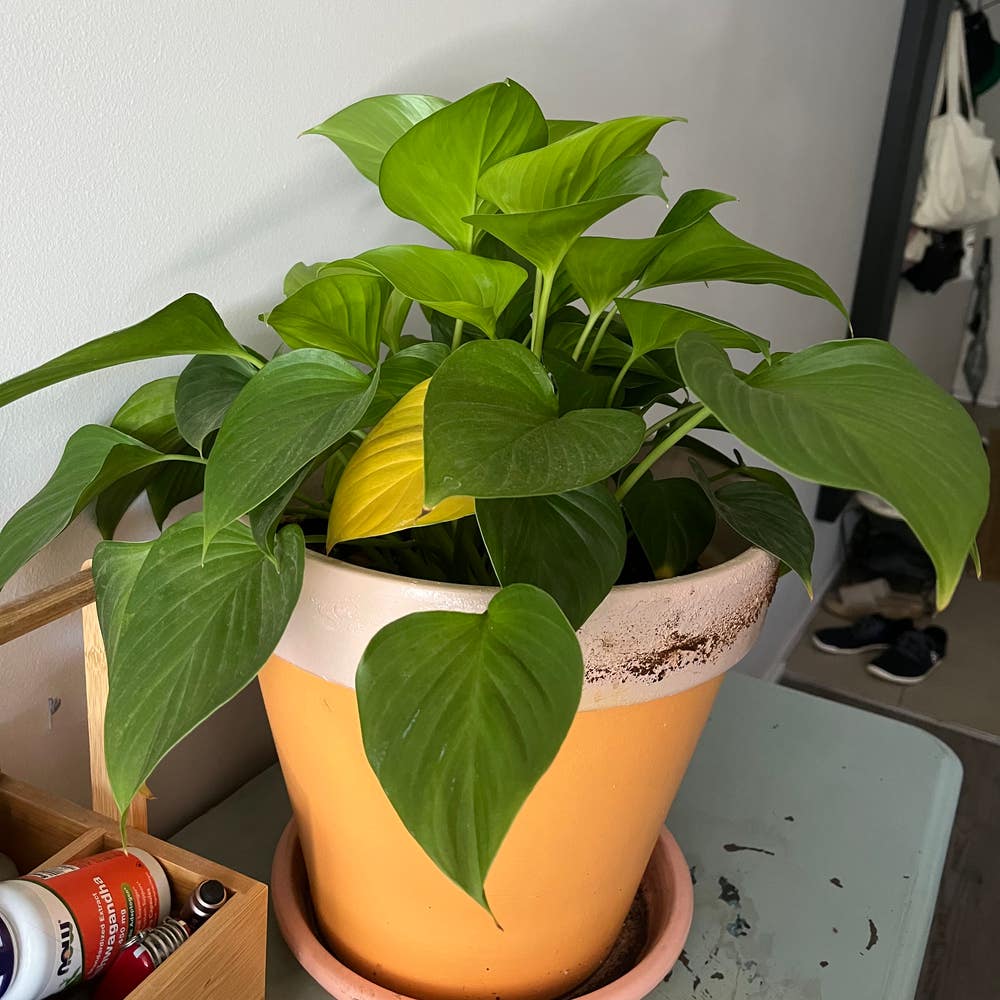
Your Homalomena rubescens's Light Requirements
Homalomena rubescens
By the Greg Editorial Team
Apr 07, 2024•4 min read
This article was created with the help of AI so we can cover more plants for you. May contain errors. See one? Report it here.
- 🌤️ Filtered morning sun, shielded afternoon for outdoor Homalomena rubescens.
- 💡 Bright, indirect light indoors boosts health and rare blooms.
- 🌱 LED grow lights with adjustable settings mimic natural light cycles.
Plant Care 101
Choosing the Right Plant for Your Space
Watering Dos and Don'ts
Soil and Fertilizer Basics
Dealing with Pests and Diseases
Transitioning to the Great Outdoors
⛅️ Location, Location, Location
Finding the ideal spot for your Homalomena rubescens outdoors is a bit like choosing the best seat at a concert—you want the experience without the overwhelm. Aim for an area that gets filtered morning sunlight but is shielded from the harsher afternoon rays. Think of it as a VIP section for your plant, where it can bask in gentle light without getting a sunburn.
Seasonal shifts mean the sun plays a game of hide and seek throughout the year. Your plant's outdoor location should adapt to these changes. In the summer, seek spots with more shade, and in the winter, a little more sun can compensate for the weaker rays.
⛅️ Weathering the Elements
Outdoor life for Homalomena rubescens isn't all about soaking up the sun; it's also about dodging the punches that Mother Nature throws. Too much sun can lead to the botanical version of a bad sunburn. If you notice the leaves getting crispy, it's time to move your green buddy to a shadier spot or provide some sort of sun shield.
As the year rolls on, keep an eye on the intensity of the light and move your plant accordingly. It's like a dance, with you and your Homalomena rubescens moving together to the rhythm of the seasons. In the winter, you might need to pull it closer to the house for warmth, while spring and fall could be the perfect seasons for it to enjoy the outdoor stage in all its glory.
Does Light Lead to Homalomena Blooms?
🌞 The Flowering Lowdown
In the realm of Homalomena rubescens, blooms are like a secret level in a video game—rare and thrilling when discovered. The truth is, these plants are not known for their flowers when kept indoors. They're foliage stars, and their blooms are more of a cameo appearance than a main act.
Bright, indirect light is the Homalomena's best friend, serving as a personal battery charger for the plant. It's this kind of light that can coax out the elusive flowers, though it's no guarantee. If you're lucky enough to witness a Homalomena bloom, it's a sign you've hit the lighting jackpot.
🌞 How Light Influences the Rare Sight of Homalomena Blooms
Homalomena rubescens, despite its shy flowering nature, may surprise you with small greenish flowers if the lighting is just right. These are not the showy blooms you might expect, but rather a subtle nod to the plant's tropical origins. To increase your chances, aim for a consistent light cycle that mimics the plant's natural habitat—think bright but not direct, like a shaded spot on a rainforest floor.
Remember, while you can't force a Homalomena to flower, providing optimal light conditions is your best bet. And if flowers do grace your plant, consider it a high-five from nature for your stellar plant-parenting skills.
Supplementing Sunshine: Grow Lights to the Rescue
💡 Choosing Your Artificial Sun
When it comes to grow lights, think of them as your Homalomena rubescens's personal spotlight. LED lights are the A-listers here, offering a full spectrum of light while being energy-efficient. They're the sun without the sweat, keeping your plant's foliage vibrant without the risk of sunburn. Place them above your plant, but don't get too close—about 12-18 inches should do the trick.
🛠 Setting up your grow lights for maximum benefit
It's not just about throwing light at your plant; it's about crafting an environment. Use adjustable LED panels or hanging pendants to dial in the right intensity. You want to hit that sweet spot of 200μmol/m2/s for a gentle glow, ramping up to 1000μmol/m2/s when your plant is ready to go full diva. And hey, smart grow lights with WiFi? They're like having a lighting tech on call, ready to adjust the ambiance with a tap on your phone.
📅 Grow Light Schedules and Intensity
Creating the perfect artificial light schedule is like being a DJ for your Homalomena rubescens. You're looking to drop beats of light and dark to mimic the natural day cycle. Aim for a 12-14 hour light show, followed by restful darkness. It's about rhythm—your plant's got to sleep to keep those leaves lush. And remember, as your plant grows, it's not just about the time under the lights, but also the intensity. Keep an eye on your plant's performance and tweak the settings. It's a bit of trial and error, but when you get it right, it's like hitting the high note in a killer chorus.
⚠️ Safety First
This content is for general information and may contain errors, omissions, or outdated details. It is not medical, veterinary advice, or an endorsement of therapeutic claims.
Always consult a qualified healthcare professional before using any plant as food, medicine, or supplement.
Never eat any plant (or feed one to pets) without confirming its identity with at least two trusted sources.
If you suspect poisoning, call Poison Control (800) 222-1222, the Pet Poison Helpline (800) 213-6680, or your local emergency service immediately.
Spotted an error? Please report it here.
Ensure your Homalomena rubescens hits the sweet spot of sunlight 🌿 with Greg's PlantVision, guiding you to adjust light exposure for optimal growth and rare blooms.