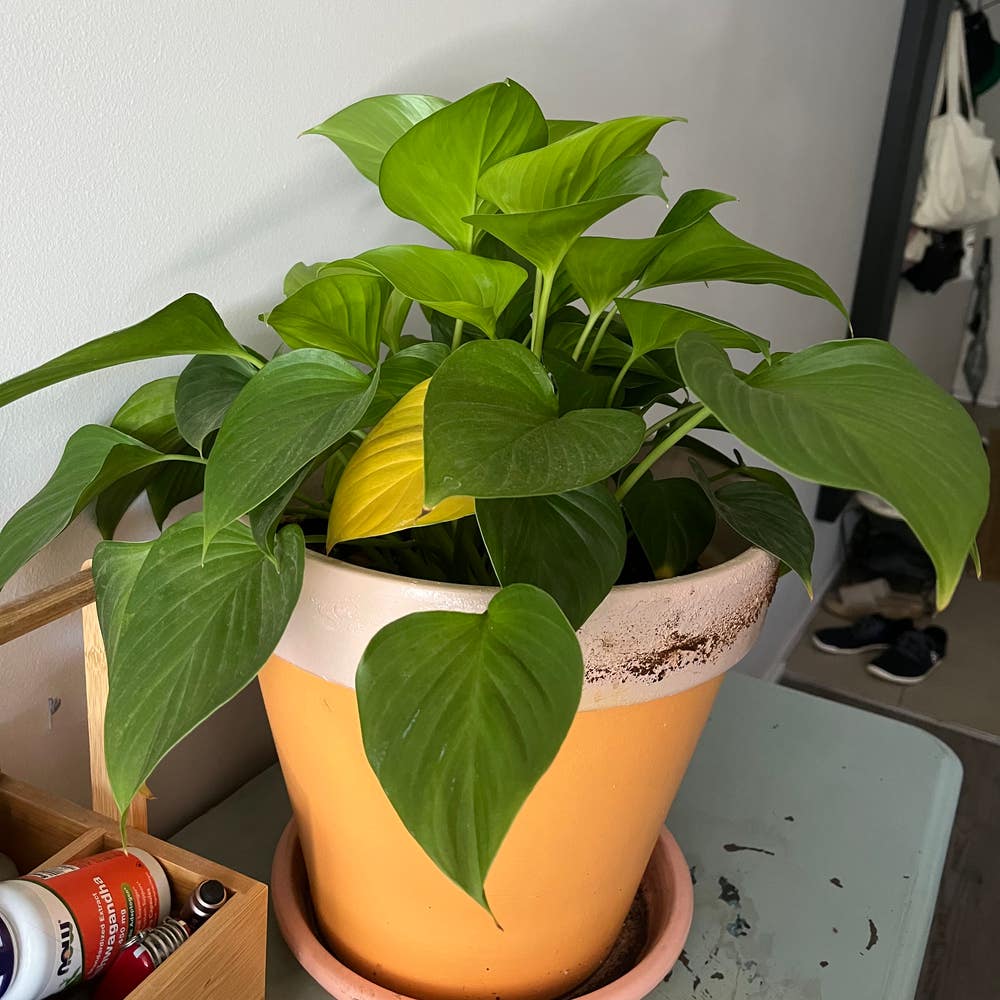
Best Potting Soil Mix for Homalomena rubescens
Homalomena rubescens
By the Greg Editorial Team
Apr 07, 2024•5 min read
This article was created with the help of AI so we can cover more plants for you. May contain errors. See one? Report it here.
- 🌱 Mold signals overwatering: Improve drainage and airflow.
- 💧🌿 Choose potting mix wisely: Drainage, moisture retention, and pH balance matter.
- 🧪 Maintain slightly acidic pH: Test and adjust soil regularly.
Spotting Trouble: When Your Homalomena rubescens Says 'No' to the Soil
🚨 Telltale Signs of Unhappy Soil
Mold on your Homalomena rubescens soil is like a flashing neon sign that reads "Trouble." It's not just an eyesore; it's a symptom of excess moisture and poor air circulation. If your plant's soil smells like last week's leftovers, that's a red alert for potential root rot.
Compaction is another enemy, making the soil as unwelcoming as a crowded elevator. Your plant's roots need room to breathe, not a tight squeeze. Watch for waterlogging too; if the soil feels perpetually soggy, you've got a problem.
Quick Fixes for Soil Woes
Overwatering is often the culprit. Dial back on the H2O and make sure your pot has proper drainage—think of it as giving your plant's roots a life raft. If mold has moved in, it's time to evict. Increase airflow and consider a soil change if things look grim.
In extreme cases, don't hesitate to repot. Fresh soil can be like a new lease on life for your Homalomena rubescens. Remember, the right soil mix should feel like a cozy home, not a swamp or a desert.
Shop Smart: Picking the Perfect Commercial Potting Mix
🌱 What to Look For
Drainage is non-negotiable; your Homalomena rubescens won't tolerate soggy feet. Look for a mix that's light in weight, a sign it won't compact around those precious roots. Perlite or pumice should be on the ingredient list, ensuring that air and water move freely.
Moisture retention matters too. Your plant's thirst varies, and a mix that holds moisture without becoming waterlogged is key. Ingredients like coconut coir strike a balance, keeping the soil moist but not drenched.
pH balance is the silent hero. Homalomena rubescens prefers a slightly acidic environment. A mix with limestone regulates pH, keeping it just right. If the bag's silent on pH, raise an eyebrow and possibly walk away.
🌿 Top Picks for Homalomena rubescens
The Miracle-Gro Indoor Potting Mix avoids compost and bark, reducing gnat risks, and includes coconut coir for that just-right drainage.
Espoma Organic African Violet Potting Mix isn't just for violets; it's a moisture-retentive choice for your Homalomena rubescens and comes with pH adjusters.
For an eco-friendly option, Nature's Care Organic & Natural Potting Mix wins hearts with its organic content and wallet-friendly price.
Remember, the perfect mix might still need a personal touch. Don't be afraid to add a bit of perlite or adjust pH as needed. Your Homalomena rubescens will thank you with lush growth.
DIY Soil Magic: Crafting the Ultimate Homalomena rubescens Mix
🌱 The Perfect Blend
Creating the ideal soil mix for Homalomena rubescens is like being a chef in the garden. You'll want to start with a base that's equal parts peat moss and coarse sand or perlite for drainage and aeration. Then, enrich the mix with organic potting soil for nutrients and structure. Don't forget the worm castings; they're like a secret spice that adds a punch of fertility to the blend.
🌿 Mixing It Up
Gather Your Ingredients
- Peat moss for moisture retention
- Perlite or coarse sand for drainage
- Organic potting mix for a nutrient-rich base
- Worm castings for an extra nutrient kick
Let's Mix
- Measure out your ingredients using a 30-30-30-10 ratio.
- In a large container, combine the peat moss, perlite or sand, and organic potting mix.
- Add the worm castings to the mix; think of it as the final flourish.
- Mix everything thoroughly to ensure even distribution—no cheating with a quick stir.
- Before using, moisten the blend slightly with distilled water or rainwater to reduce dust and help it settle.
Remember, Homalomena rubescens prefers its soil like a good party—well-aerated and not too wet. Keep tweaking the mix until it feels like a moist, crumbly cake that's ready for the roots to dance in.
The pH Factor: Keeping Your Soil Just Right
🌱 Understanding pH Needs
Slightly acidic soil is the sweet spot for Homalomena rubescens, enabling optimal nutrient uptake. A pH range of 6.0 to 7.0 is ideal, striking the right balance for these plants to thrive.
🧪 Testing and Adjusting Soil pH
Testing your soil's pH is a must-do for plant health. Use a pH test kit or a digital meter for accurate results. If the pH isn't in the 6.0 to 7.0 range, it's time for some chemistry magic.
📊 Making Adjustments
Too acidic? Add lime to raise the pH. Too alkaline? Sphagnum peat or sulfur will lower it. Remember, precision is key—guesswork won't cut it. Regular retesting is crucial, especially after adjustments.
💧 Tap Water Tip
Check your tap water's pH too—it can affect soil acidity. If you're in for the long haul, consider Dolomite Lime for a more stable pH over time.
📏 Keep It In Check
Soil naturally drifts back to its original pH, so keep an eye on it. Retest periodically and adjust as needed to maintain that slightly acidic utopia for your Homalomena rubescens.
⚠️ Safety First
This content is for general information and may contain errors, omissions, or outdated details. It is not medical, veterinary advice, or an endorsement of therapeutic claims.
Always consult a qualified healthcare professional before using any plant as food, medicine, or supplement.
Never eat any plant (or feed one to pets) without confirming its identity with at least two trusted sources.
If you suspect poisoning, call Poison Control (800) 222-1222, the Pet Poison Helpline (800) 213-6680, or your local emergency service immediately.
Spotted an error? Please report it here.
Keep your Homalomena rubescens in peak health 🌱 with Greg's reminders for soil pH checks and moisture monitoring, ensuring the perfect potting mix every time.