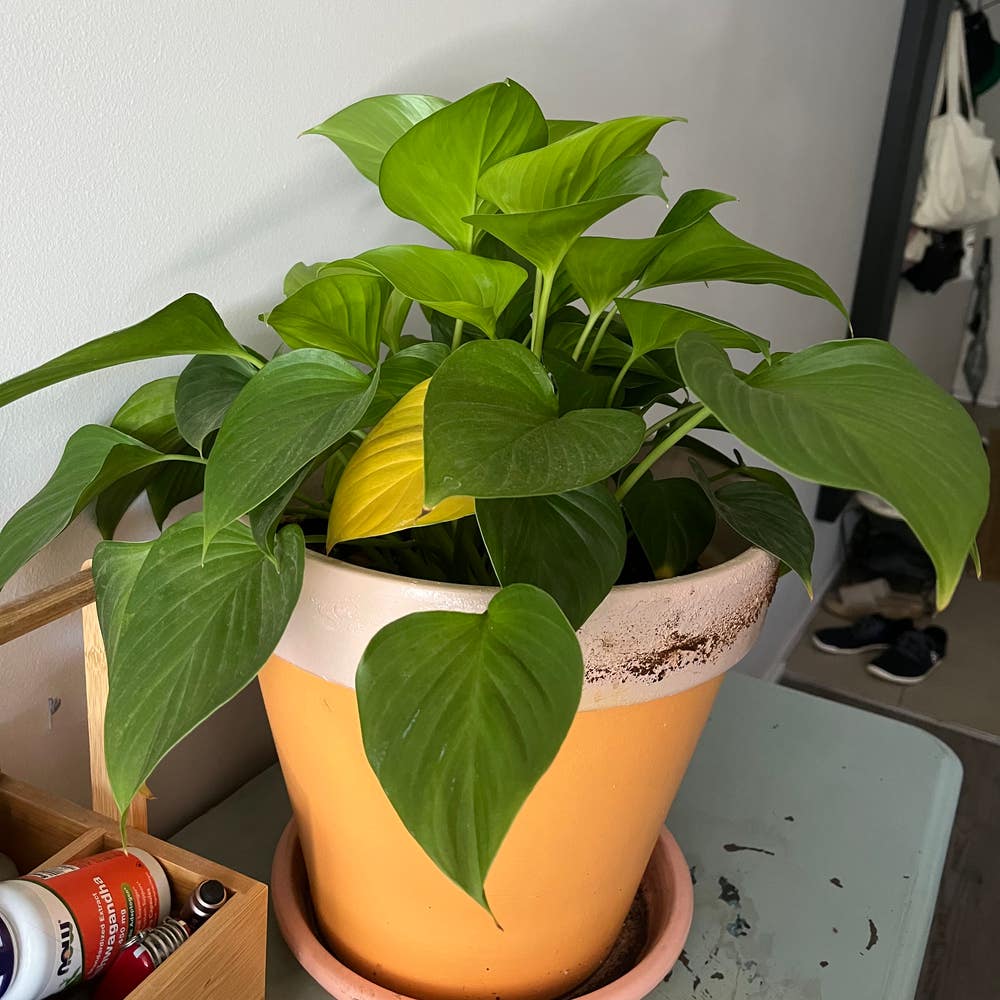
❤️ Ace of Hearts Tree: Not an Invasive Plant
Homalomena rubescens
By the Greg Editorial Team
Oct 17, 2024•6 min read
This article was created with the help of AI so we can cover more plants for you. May contain errors. See one? Report it here.
- 🌳 Ace of Hearts Tree is non-invasive, making it a responsible gardening choice.
- 🌼 Attractive foliage and flowers support local wildlife and enhance garden aesthetics.
- 🌱 Low maintenance and adaptable, it thrives in various soils and climates.
Plant Classification
Definition of Invasive Plants 🌱
Invasive plants are species that spread aggressively outside their native range. They often disrupt local ecosystems, outcompeting native flora and altering habitats.
Characteristics of Ace of Hearts Tree 🌳
The Ace of Hearts Tree is native to specific regions and adapts well to various soil types. It has a moderate growth rate and a defined canopy size, making it manageable in garden settings.
This tree produces attractive foliage and vibrant flowers that draw in pollinators. Its beauty not only enhances gardens but also supports local wildlife.
Non-Invasive Nature 🌼
The Ace of Hearts Tree has a limited spread potential due to its specific growth conditions and environmental preferences. It is recognized for enhancing garden aesthetics without overwhelming native flora, making it an excellent choice for conscientious gardeners.
Incorporating this tree into your landscape can create a visually appealing environment while maintaining ecological balance. Its non-invasive nature allows it to coexist harmoniously with local plants, promoting biodiversity.
As we explore its growth habits next, you'll see how this tree thrives in various conditions while remaining a responsible choice for your garden.
Growth Habits
Typical Growth Patterns 🌱
The Ace of Hearts Tree typically reaches a height of 10-15 feet, making it a manageable addition to any garden. Its canopy spreads approximately 8-12 feet wide, providing ample shade without overwhelming the space.
The tree exhibits a moderate growth rate, with noticeable seasonal growth spurts that keep it vibrant throughout the year. This growth pattern allows for easy integration into various landscape designs.
Natural Limits to Growth 🌍
This tree thrives in well-draining soil and prefers moderate sunlight, which helps it flourish in optimal conditions. It is best suited for USDA hardiness zones 9-11, where it can truly shine.
However, its growth is limited by environmental factors such as drought or extreme cold. These natural constraints ensure that it remains a manageable size in diverse settings.
Spread Potential and Management ✂️
The Ace of Hearts Tree has a low to moderate spread potential, meaning it does not self-seed aggressively. This characteristic makes it an excellent choice for gardeners looking to maintain control over their landscape.
For optimal growth, it is recommended to space these trees 6-10 feet apart. This spacing allows for proper air circulation and encourages healthy development.
Regular pruning is also beneficial, helping to maintain the desired shape and size of the tree. With these simple management practices, the Ace of Hearts Tree can thrive beautifully in your garden.
As we explore its ecological role, you'll see how this tree not only enhances your garden but also supports local wildlife.
Ecological Role
🌱 Benefits to Local Ecosystems
The Ace of Hearts Tree plays a vital role in local ecosystems by providing essential habitat and food for various pollinators and wildlife. Its presence contributes significantly to local biodiversity, supporting native insect populations that are crucial for pollination.
🐝 Positive Interactions with Wildlife
This tree is a magnet for bees, butterflies, and other beneficial insects, making it a favorite among gardeners who want to attract wildlife. Additionally, it serves as a food source for birds and small mammals, enriching the ecosystem further.
🌍 Role in Biodiversity
By coexisting harmoniously with native plants, the Ace of Hearts Tree enhances ecological balance. Its robust root systems also help prevent soil erosion, ensuring a healthier environment for all garden inhabitants.
Incorporating the Ace of Hearts Tree into your garden not only beautifies your space but also fosters a thriving ecosystem. Next, we’ll explore how to effectively manage this tree in your garden design.
Garden Management
Incorporating into Garden Designs 🌳
The Ace of Hearts Tree is a versatile addition to any garden. It shines in mixed borders, serves as a stunning focal point, and fits perfectly in pollinator gardens.
Layered plantings benefit from its moderate height and defined canopy. This tree can create depth and interest, making your landscape design more dynamic.
Aesthetic Considerations 🎨
With its attractive foliage and vibrant flowers, the Ace of Hearts Tree enhances visual appeal. Its seasonal changes in leaf color add a delightful touch throughout the year.
Imagine the joy of watching your garden transform with each season. This tree not only beautifies but also invites a sense of wonder.
Practical Growth Control Methods ✂️
To maintain the Ace of Hearts Tree's charm, consider these practical growth control methods:
- Regular pruning helps keep its size and shape in check.
- Monitoring for unwanted spread ensures it remains manageable.
- Using mulch suppresses weeds and retains moisture, promoting healthy growth.
These simple steps make it easy to enjoy the beauty of the Ace of Hearts Tree while keeping your garden thriving.
As you plan your garden, think about how this tree can contribute to your overall design and ecological health. Next, let’s explore how it interacts with local ecosystems.
Comparison to Other Plants
🌱 Similar Non-Invasive Plants
When considering non-invasive alternatives, the Ace of Hearts Tree stands out alongside species like Redbud and Serviceberry. While Redbud offers stunning pink blooms and Serviceberry provides delicious berries, the Ace of Hearts Tree captivates with its unique heart-shaped leaves and vibrant flowers.
💖 Unique Qualities
The Ace of Hearts Tree's distinctive heart-shaped foliage sets it apart in any garden. Its adaptability allows it to thrive in various settings, making it a versatile choice for gardeners looking to enhance their landscapes.
🌼 Benefits in Garden Settings
Incorporating the Ace of Hearts Tree into your garden not only adds a unique visual element but also supports local wildlife. Compared to more aggressive species, it requires less maintenance, allowing you to enjoy its beauty without the hassle of constant upkeep.
This tree is a fantastic option for those looking to create a harmonious garden that benefits both aesthetics and the environment. As we explore its ecological role next, you'll see how it contributes to local biodiversity and supports pollinators.
Legal and Environmental Considerations
📜 Relevant Classifications and Guidelines
When planting non-invasive species like the Ace of Hearts Tree, it's essential to be aware of local regulations. Many regions have guidelines that promote the use of non-invasive plants to protect native ecosystems.
These regulations often encourage gardeners to choose species that won't disrupt local flora and fauna. Familiarizing yourself with these classifications can help you make informed choices that benefit your garden and the environment.
🌱 Sustainable Gardening Practices
Incorporating the Ace of Hearts Tree into your landscape design can significantly enhance sustainability. This tree not only beautifies your garden but also supports local wildlife, making it a win-win for both aesthetics and ecology.
Using native and non-invasive plants like this tree fosters a healthier ecosystem. They require less water and maintenance, reducing your environmental footprint while promoting biodiversity.
🌍 Environmental Impact Assessments
Understanding the environmental impact of planting the Ace of Hearts Tree is crucial for responsible gardening. This tree contributes positively by providing habitat and food for local wildlife, enhancing the ecological balance.
Encouraging responsible gardening practices ensures that your gardening efforts protect local ecosystems. By choosing non-invasive species, you can enjoy a thriving garden while safeguarding the environment for future generations.
As you consider the Ace of Hearts Tree for your garden, remember its role in promoting sustainability and ecological health. Next, let’s explore how to effectively manage this beautiful tree in your landscape.
⚠️ Safety First
This content is for general information and may contain errors, omissions, or outdated details. It is not medical, veterinary advice, or an endorsement of therapeutic claims.
Always consult a qualified healthcare professional before using any plant as food, medicine, or supplement.
Never eat any plant (or feed one to pets) without confirming its identity with at least two trusted sources.
If you suspect poisoning, call Poison Control (800) 222-1222, the Pet Poison Helpline (800) 213-6680, or your local emergency service immediately.
Spotted an error? Please report it here.
Enhance your garden with the Ace of Hearts Tree 🌳, and let Greg guide you with tailored care tips to ensure it thrives while supporting local wildlife!