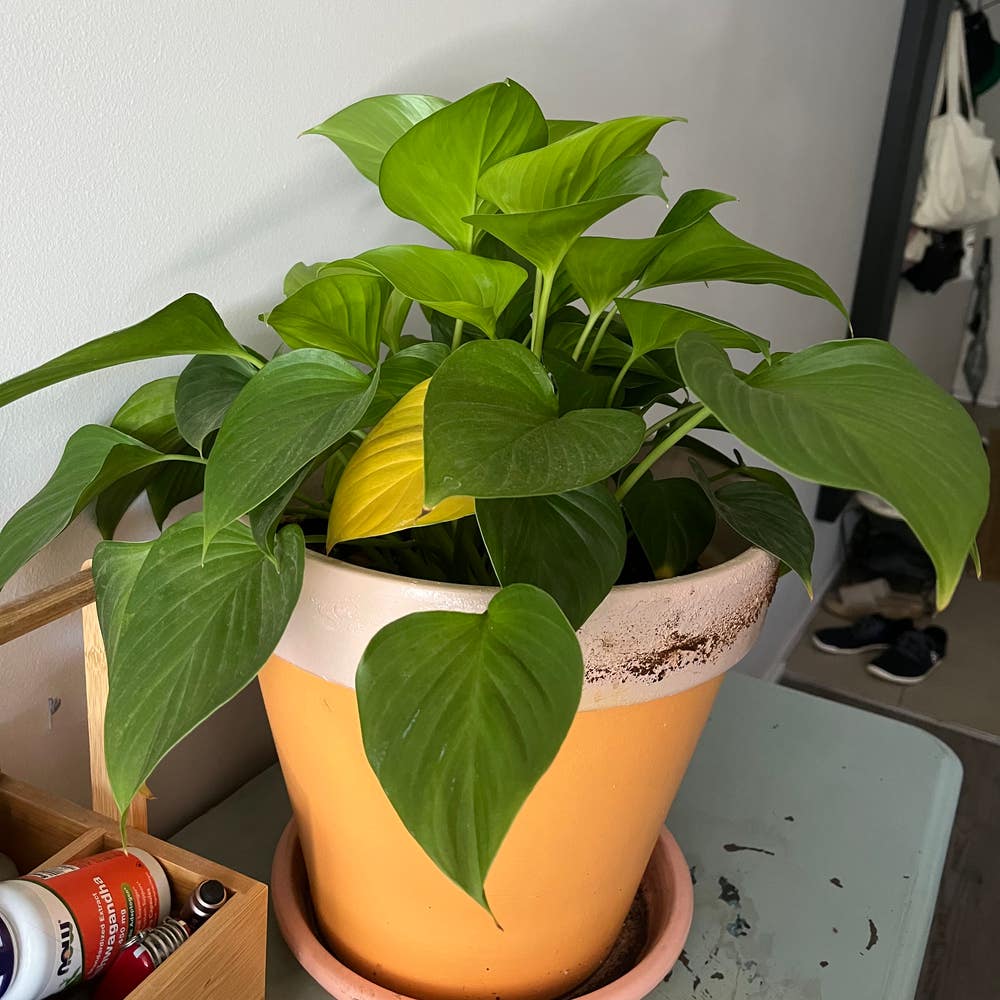
🌞 Is Direct Sunlight Good for My Homalomena rubescens?
Homalomena rubescens
By the Greg Editorial Team
Apr 07, 2024•4 min read
This article was created with the help of AI so we can cover more plants for you. May contain errors. See one? Report it here.
- 🌞 Direct sunlight can sunburn Homalomena rubescens, causing brown patches and crispy leaves.
- 🌱 Bright, indirect light is ideal; east-facing windows preferred, adjust with seasons.
- 🌿 Monitor and adapt care using curtains, grow lights, and regular plant rotation.
When Direct Sunlight Becomes Too Much
🌞 Signs Your Homalomena Rubescens is Getting Sunburned
Leaf burn is a telltale sign your Homalomena rubescens has had too much sun. Look for brown patches and a crispy feel to the foliage. These aren't just aesthetic issues; they're distress signals from your plant.
Stress signals can also include leaves that fade in color or appear washed out. This isn't your plant trying to make a fashion statement; it's a cry for help.
To prevent damage from direct sunlight, keep your Homalomena rubescens in bright, indirect light. If you're stuck with a sunny spot, diffuse the light with a sheer curtain or move the plant away from the midday glare.
🩹 Quick Fixes for Accidental Overexposure
If your Homalomena rubescens gets scorched, act fast. Move it out of the direct sunlight immediately.
Next, assess the watering situation. Overwatering can mimic sunburn, so ensure the soil is not waterlogged. If it is, let the soil dry out before watering again. If the soil is dry, give your plant a drink to help it rehydrate.
Keep an eye on new growth after moving your plant. It should look healthy, not like it's still recovering from a sunburn. Regular observation and adjustment are key to preventing future overexposure.
Homalomena Rubescens' Ideal Sunlight Setup
🌿 The Sweet Spot: Light Preferences of Homalomena Rubescens
Homalomena rubescens, like a guest at a party, prefers a comfortable corner away from the spotlight. Its natural habitat under the forest canopy offers clues to its lighting sweet spot indoors. Bright, indirect light mimics the dappled sunlight of its tropical home.
To create this ambiance, position your plant in a spot where sunlight filters through sheer curtains or bounces off walls. East-facing windows are typically ideal, bathing the plant in gentle morning light. However, if the only available windows are south or west-facing, a few feet back from the window or behind a light-diffusing screen will do the trick.
🖼️ Window Wisdom: Where to Place Your Plant
The right window can make all the difference. North-facing windows may not provide enough light, especially during winter. Conversely, a south-facing window can be too intense, but with proper precautions, it can work.
As the seasons change, so should your plant's location. During shorter days, a spot closer to the window can compensate for less daylight. In summer, when the sun is a relentless host, pull your Homalomena rubescens back to avoid the harsh midday rays.
Remember, glass can magnify the sun's heat, potentially turning your plant's leaves into crispy critters. Rotate your Homalomena rubescens regularly to ensure even growth and prevent it from leaning into the light. If natural light is playing hard to get, consider a grow light to supplement and maintain those vibrant green leaves.
Hemisphere Hacks: Adjusting for Your Location
🌍 Northern vs. Southern Hemisphere Considerations
Your Homalomena rubescens doesn't need a compass to thrive, but you should know which way is north—or south. Hemisphere matters when it comes to plant care. In the Northern Hemisphere, south-facing windows are like sunbathing spots, while in the Southern Hemisphere, it's the north-facing ones that get the glory.
Adapting Plant Positioning Throughout the Year
As Earth tilts and orbits, your plant's sun needs do the tango with the seasons. Winter light is weak, so cozy up your plant to the window. Come summer, pull it back to avoid a sunburn. It's not just about survival; it's about letting your Homalomena rubescens live its best life. Keep an eye on the sun's mood swings and dance along.
Sunlight Management Strategies
🌞 Creating a Sun-Friendly Environment Indoors
Curtains and blinds are your first line of defense against the harshness of direct sunlight. They're like the dimmer switch for your Homalomena rubescens, allowing you to adjust the light intensity throughout the day. Think of them as your plant's personal sunglasses, providing protection when the sun is at its most unforgiving.
Reflective surfaces can be a game-changer in your light management playbook. Strategic placement of mirrors or white walls can redirect light to your green buddy, ensuring it gets its fill without the side order of sunburn.
🕵️ Monitoring and Adapting to Your Plant's Needs
Stay vigilant. Your plant's leaves will tell you everything you need to know about its light diet. If they're reaching for the sky, it's time to dial back on the light. Conversely, a stunted growth could signal it's time to ramp up the lumens.
Supplemental lighting isn't just for the overcast days; it's for those dark corners of your living space that your Homalomena rubescens might call home. LED grow lights are the cool kids here, offering the right spectrum without turning your plant into a crispy critter. Remember, it's not just about having the light, it's about placing it just right.
⚠️ Safety First
This content is for general information and may contain errors, omissions, or outdated details. It is not medical, veterinary advice, or an endorsement of therapeutic claims.
Always consult a qualified healthcare professional before using any plant as food, medicine, or supplement.
Never eat any plant (or feed one to pets) without confirming its identity with at least two trusted sources.
If you suspect poisoning, call Poison Control (800) 222-1222, the Pet Poison Helpline (800) 213-6680, or your local emergency service immediately.
Spotted an error? Please report it here.
Avoid sunburn and mimic the dappled sunlight 🌿 of its natural habitat for your Homalomena rubescens with Greg's precise location and watering reminders.