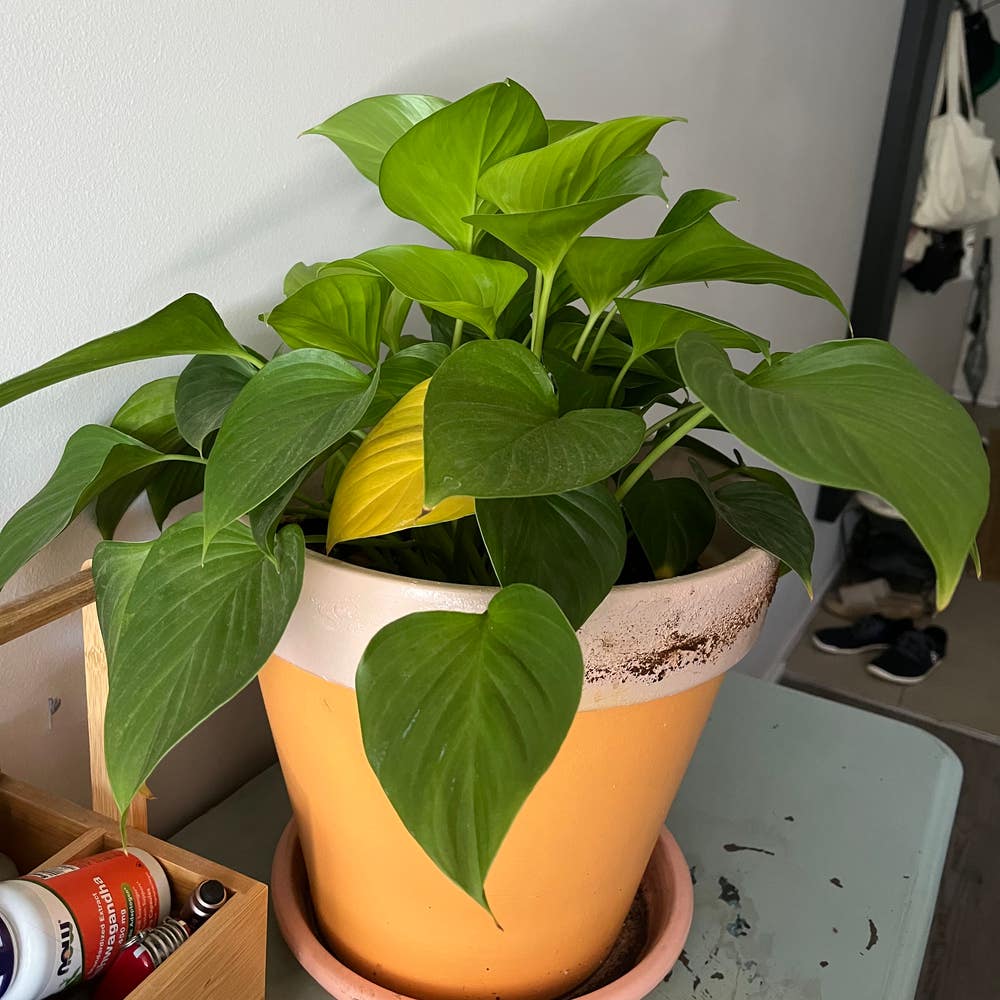
❤️ Top 4 Signs Your Ace of Hearts Tree is Stressed in Winter
Homalomena rubescens
By the Greg Editorial Team
Oct 17, 2024•4 min read
This article was created with the help of AI so we can cover more plants for you. May contain errors. See one? Report it here.
- 🍂 Leaf discoloration and dieback indicate winter stress in your Ace of Hearts Tree.
- 🌱 Stunted growth and pests signal care issues; monitor conditions closely.
- ❄️ Frost protection and proper watering are essential for winter survival and recovery.
Signs of Stress in Winter
Identifying Leaf Discoloration 🌿
One of the first signs your Ace of Hearts Tree is stressed during winter is leaf discoloration. Look for yellowing or browning leaves, as well as premature leaf drop, which can indicate underlying issues.
Inadequate watering or nutrient deficiencies often cause these discoloration patterns. Regularly check your tree's watering needs to ensure it’s getting the right amount.
Recognizing Branch Dieback 🌳
Another critical indicator of stress is branch dieback. Symptoms include browning tips of branches and dead branches that fail to produce new growth.
This dieback often signals stress from cold temperatures or improper care. Addressing these issues promptly can help your tree recover.
Observing Stunted Growth 📉
Stunted growth is another sign to watch for during winter. If you notice minimal new growth or smaller-than-usual leaf sizes, your tree may be struggling.
Factors like insufficient light or nutrient shortages can contribute to this stunted growth. Ensuring your tree receives adequate care can make a significant difference.
Noticing Increased Pest Activity 🐜
Winter can also bring increased pest activity, which can stress your Ace of Hearts Tree. Common pests include aphids, spider mites, and scale insects.
Signs of infestation are visible insects on leaves or branches, along with sticky residue or webbing. Monitoring for these pests is crucial, as they can exacerbate your tree's winter stress.
Recognizing these signs early can help you take action and ensure your Ace of Hearts Tree thrives through the winter months. Next, let's explore the essential winter care requirements to support your tree's health.
Winter Care Requirements
Adjusting Watering Schedules During Dormancy 💧
During winter dormancy, it's crucial to adjust your watering routine. Reduce watering to prevent root rot, and always check the soil moisture before adding more water.
Signs of overwatering include wilting leaves and mushy roots. If you notice these symptoms, it’s time to cut back on the water.
Fertilizing Considerations for Winter 🌱
Fertilizing during dormancy is generally not recommended. Instead, focus on using slow-release fertilizers in early spring to give your Ace of Hearts Tree the nutrients it needs for recovery.
Maintaining a nutrient balance is essential for your tree's health. This ensures it has what it needs to thrive once the growing season begins.
Importance of Frost Protection Measures ❄️
Frost protection is vital for your tree's survival during harsh winter months. Mulching around the base helps insulate the roots, while covering the tree with frost cloth can shield it from extreme cold.
Keep an eye on weather forecasts. If temperatures are predicted to drop below your tree's cold hardiness threshold, take action to protect it.
As you prepare for the upcoming spring, remember that proper winter care sets the foundation for healthy growth. Transitioning into spring will require attention to watering, fertilizing, and pruning.
Indoor Winter Care
🌱 Guidelines for Bringing Indoors
Moving your Ace of Hearts Tree indoors before the first frost is crucial. This timing helps prevent shock and ensures a smoother transition.
To acclimate your tree, gradually introduce it to indoor conditions over a week. Start by placing it in a sheltered spot to minimize stress from sudden changes.
☀️ Optimal Indoor Conditions
Your tree thrives in bright, indirect sunlight for 6-8 hours daily. This light exposure is essential for maintaining its health during the winter months.
Humidity and temperature are also key factors. Keep humidity levels above 40% and maintain indoor temperatures between 60°F to 75°F (15°C to 24°C) for optimal growth.
By ensuring these conditions, you set your Ace of Hearts Tree up for success. With proper care, it will flourish indoors until spring arrives.
Next, let’s explore how to prepare your tree for the upcoming growth season.
Spring Preparation and Recovery
🌱 Signs of Recovery from Winter Damage
As winter fades, look for signs that your Ace of Hearts Tree is bouncing back. New growth from healthy branches and a return to vibrant leaf color indicate recovery.
Keep an eye out for any lingering stress signs, as these can affect the tree's overall health. Regular monitoring will help you catch any issues early.
🌼 Preparing for Spring Growth
To set your tree up for success, gradually increase watering as temperatures rise. This helps the roots absorb moisture without overwhelming them.
Start fertilizing with balanced nutrients to support new growth. A little extra care now can lead to a thriving tree come summer.
✂️ Pruning Tips for Damaged Branches
Timing is crucial when it comes to pruning. Wait until after the last frost to assess any damage thoroughly.
When you prune, focus on removing dead or damaged branches. Use clean, sharp tools to minimize the risk of infection and encourage healthy growth.
With these steps, your Ace of Hearts Tree will be well on its way to a vibrant spring. Next, let’s explore how to maintain its health throughout the growing season.
⚠️ Safety First
This content is for general information and may contain errors, omissions, or outdated details. It is not medical, veterinary advice, or an endorsement of therapeutic claims.
Always consult a qualified healthcare professional before using any plant as food, medicine, or supplement.
Never eat any plant (or feed one to pets) without confirming its identity with at least two trusted sources.
If you suspect poisoning, call Poison Control (800) 222-1222, the Pet Poison Helpline (800) 213-6680, or your local emergency service immediately.
Spotted an error? Please report it here.
Keep your Ace of Hearts Tree thriving this winter ❄️ by using Greg's tailored care reminders to monitor stress signs and ensure timely interventions for a healthy growing season ahead!