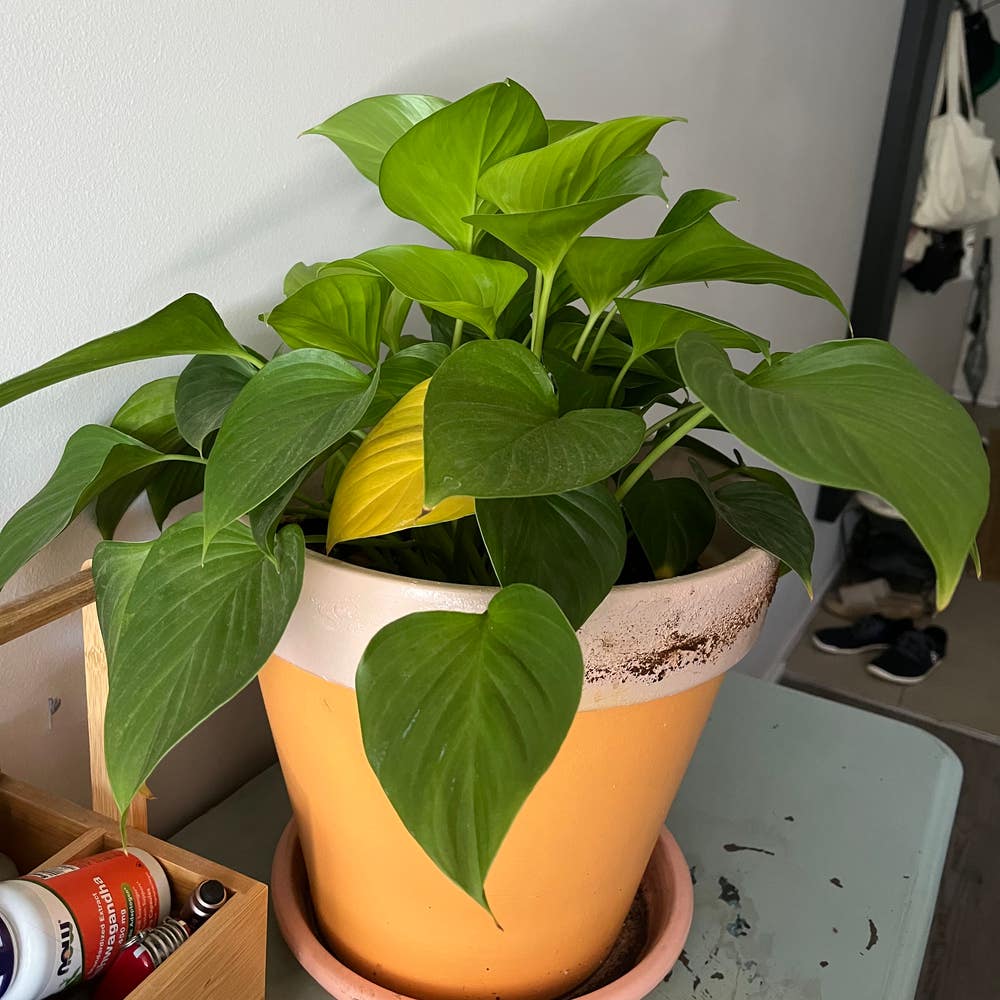
💖 Step-by-Step Guide to Growing Ace of Hearts Tree Outdoors
Homalomena rubescens
By the Greg Editorial Team
Oct 17, 2024•6 min read
This article was created with the help of AI so we can cover more plants for you. May contain errors. See one? Report it here.
- 🌞 Ace of Hearts needs 6-8 hours of sunlight daily for optimal growth.
- 💧 Water every 1-2 weeks, ensuring soil dries out before re-watering.
- ❄️ Protect from frost and adjust care based on local weather conditions.
Outdoor Care Requirements
🌞 Sunlight Needs and Ideal Exposure
The Ace of Hearts tree thrives in full sun, requiring 6-8 hours of direct sunlight daily. Without adequate sunlight, you may notice stunted growth and poor foliage color, which can hinder the tree's overall health.
💧 Watering Requirements and Frequency
Maintaining consistent moisture is crucial. Water the tree when the top inch of soil feels dry, typically every 1-2 weeks, depending on weather conditions.
Signs of overwatering include yellowing leaves and root rot, so keep an eye on your tree's health to avoid these issues.
🌱 Soil Preferences and Amendments
For optimal growth, the Ace of Hearts tree prefers well-draining soil with a slightly acidic to neutral pH, ideally between 6.0 and 7.0.
To enhance soil quality, consider adding organic compost and perlite to improve drainage and nutrient content.
🌿 Fertilization Schedule and Types of Fertilizers
During the growing season, fertilize your tree every 4-6 weeks. A balanced NPK fertilizer, such as 10-10-10, or slow-release options are recommended to support healthy growth.
By following these outdoor care requirements, you'll set your Ace of Hearts tree up for success. Next, let’s explore the various planting options available for your tree.
Planting Options
Benefits and Drawbacks of Container Planting 🌱
Container planting offers several advantages. First, it provides mobility, allowing you to easily relocate your Ace of Hearts tree based on sunlight and weather conditions.
Additionally, you have greater control over soil quality and drainage, which is crucial for healthy growth. However, there are some drawbacks to consider. Limited root space can necessitate frequent repotting, which may disrupt the tree's growth.
Moreover, container plants typically require increased watering due to faster soil drying. This means you'll need to stay vigilant about moisture levels.
Benefits and Drawbacks of In-Ground Planting 🌳
In-ground planting has its own set of benefits. One major advantage is the ample space for root growth, which promotes healthier trees overall.
You'll also find that in-ground trees generally require less frequent watering compared to their container counterparts. However, this method comes with challenges. You have less control over soil conditions and drainage, which can lead to complications.
Additionally, in-ground trees are more vulnerable to pests and diseases, making regular monitoring essential.
How to Choose the Right Planting Method for Your Environment 🏡
Choosing the right planting method hinges on several factors. Consider your space availability, climate, and personal preferences when making this decision.
For instance, if you have limited space or want flexibility, container planting might be ideal. Conversely, if you have ample room and prefer a more natural setting, in-ground planting could be the way to go. Always tailor your choice to local conditions and the size of your tree for the best results.
With these insights, you're better equipped to make an informed decision about how to plant your Ace of Hearts tree. Next, let’s explore how to protect your tree from environmental factors.
Protection from Environmental Factors
🌩️ Weather Protection Strategies for Extreme Conditions
Extreme weather can pose significant challenges for your Ace of Hearts tree.
Frost Protection: During chilly nights, cover your tree with frost cloth or bring containerized trees indoors. This simple action can prevent frost damage and ensure your tree thrives.
Heat Protection: On scorching days, provide shade to your tree. Using shade cloth or strategically placing it under larger plants can help mitigate heat stress.
🐛 Common Outdoor Pests and How to Manage Them
Pests can quickly become a nuisance if not addressed promptly.
Identification: Keep an eye out for common pests like aphids and scale insects. Early detection is key to preventing infestations.
Pest Control Methods: Utilize neem oil or insecticidal soap for effective pest management. Additionally, introducing beneficial insects can naturally keep pest populations in check.
🦠 Diseases that Affect the Tree and Prevention Methods
Your Ace of Hearts tree can be susceptible to certain diseases, but with proper care, you can minimize risks.
Common Diseases: Watch for signs of root rot and leaf spot, which can hinder your tree's growth.
Prevention Strategies: Maintain good air circulation and practice proper watering techniques. Avoid overwatering to keep your tree healthy and thriving.
By understanding these environmental factors, you can better protect your Ace of Hearts tree and ensure its longevity. Next, let’s explore how seasonal changes impact your care routine.
Seasonal Care
Seasonal Changes and Their Impact on Care 🌦️
Seasonal changes significantly influence the growth and care routines of your Ace of Hearts tree. Understanding these shifts helps you adapt your care practices to ensure a thriving tree year-round.
Spring Care Tips for New Growth 🌱
As spring arrives, it's time to kickstart your tree's growth. Begin fertilizing as new leaves emerge to provide essential nutrients.
Pruning is also crucial during this season. Remove any dead or damaged branches to encourage healthy growth and improve airflow.
Summer Maintenance and Watering Adjustments ☀️
Summer brings warmer temperatures, necessitating increased watering frequency. Keep a close eye on soil moisture to prevent drought stress.
Mulching is another effective strategy during this season. It helps retain moisture and suppresses weeds, allowing your tree to focus on growth.
Fall Preparation for Winter 🍂
As fall approaches, prepare your tree for dormancy. Reduce watering and stop fertilizing to help it transition smoothly.
Pruning in the fall is also beneficial. Shape the tree and remove any dead foliage to promote a healthy start in spring.
Winter Care and Protection Strategies ❄️
Winter can be harsh, so protecting your tree from frost is essential. Covering or relocating containers can shield them from extreme cold.
Regular inspections during dormancy are vital. Monitor for pests to ensure your tree remains healthy throughout the winter months.
These seasonal care tips will help you nurture your Ace of Hearts tree effectively, setting the stage for robust growth in the coming seasons. Next, let’s explore climate zone considerations to further optimize your tree care.
Climate Zone Considerations
🌍 Identifying Suitable Climate Zones for the Tree
The Ace of Hearts tree thrives best in USDA hardiness zones 10-11. If you're in a cooler zone, watch for signs like frost damage or stunted growth, which indicate unsuitable conditions.
🌦️ Special Considerations for Different Climates
Growing in tropical climates? Ensure consistent moisture and shade during the hottest parts of the day. In subtropical areas, adjust care routines based on local weather patterns, like increased watering during dry spells.
🛠️ Tips for Growing in Less-Than-Ideal Conditions
If your soil isn't ideal, consider adding organic matter to improve quality and drainage. For temperature extremes, supplemental heating or cooling can help maintain a stable environment for your tree.
With these climate considerations in mind, you'll be better equipped to nurture your Ace of Hearts tree, ensuring it flourishes in its outdoor setting. Next, let's explore how to protect your tree from environmental factors.
⚠️ Safety First
This content is for general information and may contain errors, omissions, or outdated details. It is not medical, veterinary advice, or an endorsement of therapeutic claims.
Always consult a qualified healthcare professional before using any plant as food, medicine, or supplement.
Never eat any plant (or feed one to pets) without confirming its identity with at least two trusted sources.
If you suspect poisoning, call Poison Control (800) 222-1222, the Pet Poison Helpline (800) 213-6680, or your local emergency service immediately.
Spotted an error? Please report it here.
Transform your outdoor space with a thriving Ace of Hearts tree by using Greg's tailored care tips and reminders for vibrant growth 🌿!