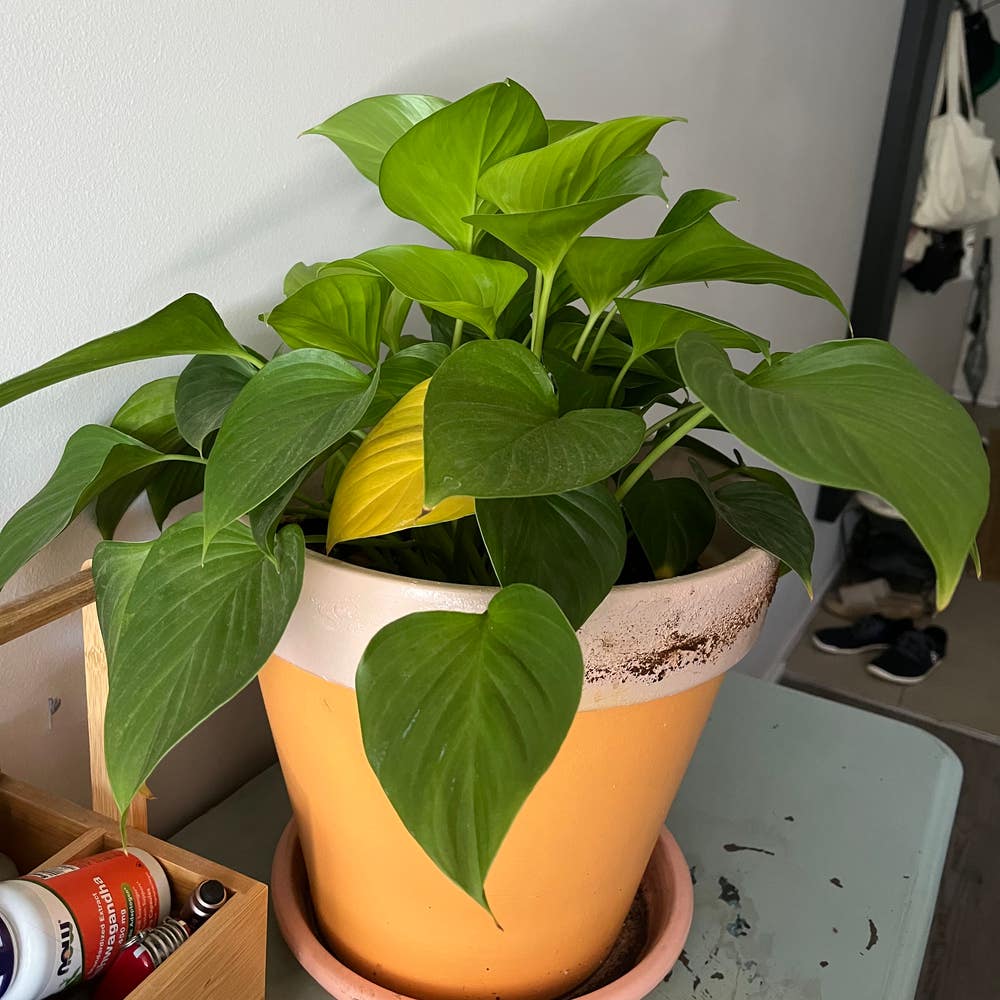
💖 Understanding Ace of Hearts Tree Height
Homalomena rubescens
By the Greg Editorial Team
Oct 17, 2024•5 min read
This article was created with the help of AI so we can cover more plants for you. May contain errors. See one? Report it here.
- 🌳 Ace of Hearts trees grow 15 to 30 feet, influenced by care and genetics.
- ☀️ Full sun exposure (6-8 hours daily) is crucial for robust growth.
- 🌱 Dwarf varieties under 10 feet are perfect for small gardens or containers.
Mature Height and Spread
Height 🌳
The Ace of Hearts tree typically reaches a height range of 15 to 30 feet. Its ultimate height is influenced by several factors, including genetics, environmental conditions, and care practices.
Spread 📏
In terms of spread, you can expect an average width of 10 to 20 feet. This spread is crucial for landscaping, as it affects how much space the tree will occupy and its overall aesthetic in your garden.
Growth Rate and Time to Maturity ⏳
When it comes to growth rate, the Ace of Hearts tree is classified as moderate to fast, growing about 1 to 2 feet per year. It usually takes around 10 to 15 years to reach its full size, with soil quality, water availability, and sunlight exposure playing significant roles in its growth rate.
Understanding these dimensions is essential for planning your landscape effectively. With the right care, this tree can become a stunning focal point in your garden.
Environmental Factors Affecting Size
🌱 Soil Conditions
The Ace of Hearts tree thrives in well-draining loam or sandy soils. These soil types provide the necessary aeration and nutrients for healthy growth.
Soil pH is also crucial, with a preference for slightly acidic to neutral levels, ideally between 6.0 and 7.0. Poor soil conditions can lead to stunted growth and a reduced overall size, making soil quality a key factor in your tree's health.
☀️ Sunlight Requirements
For optimal growth, the Ace of Hearts tree needs full sun, which means at least 6 to 8 hours of sunlight daily. Insufficient sunlight can hinder its height and spread, resulting in a less robust tree.
💧 Water Needs
Regular moisture is essential for the Ace of Hearts tree, but be cautious of waterlogging. A balanced watering routine promotes healthy growth and helps the tree reach its full potential.
Adequate water availability directly correlates with the tree's size. Ensuring your tree receives the right amount of water can make a significant difference in its overall health and stature.
These environmental factors play a pivotal role in determining the size of your Ace of Hearts tree. Understanding them can help you create the ideal conditions for your tree to flourish, setting the stage for the next section on the various tree varieties and their unique characteristics.
Varieties and Their Characteristics
🌱 Dwarf Varieties
Dwarf Ace of Hearts trees typically reach heights under 10 feet. Their compact form and slower growth rate make them perfect for smaller gardens or container gardening.
These varieties are ideal for urban settings where space is limited. They add charm without overwhelming the landscape, making them a favorite for patios and balconies.
🌳 Giant Varieties
On the other end of the spectrum, giant Ace of Hearts trees can exceed 30 feet in height. They boast a fast growth rate and expansive spread, creating a striking focal point in larger landscapes.
When considering planting these giants, be mindful of their space requirements. Their impressive size can significantly impact the surrounding area, so plan accordingly to ensure they thrive without crowding other plants.
Controlling Size
Pruning Techniques 🌳
To maintain the Ace of Hearts tree's shape, selective pruning is essential. This method not only keeps the tree looking tidy but also encourages bushier growth.
Timing is crucial for effective pruning. Aim to prune in late winter or early spring, just before new growth begins.
The benefits of pruning extend beyond aesthetics; it also helps control the tree's height. Regular pruning can lead to a healthier, more robust tree.
Other Methods 🔍
In addition to pruning, growth regulators can be used for size control. These chemical options can effectively limit growth when applied correctly.
Planting in restricted spaces is another strategy to manage size. Techniques such as using root barriers can help limit root expansion, keeping the tree in check.
Regular monitoring is vital for success. Assessing growth periodically allows you to make necessary adjustments, ensuring your Ace of Hearts tree thrives within your desired parameters.
By employing these techniques, you can enjoy the beauty of your Ace of Hearts tree while keeping its size manageable. Next, let’s explore the environmental factors that influence the size of this remarkable tree.
Comparative Analysis
Similar Species 🌳
When considering trees with growth habits similar to the Ace of Hearts, a few stand out. Species like the Red Maple and the Eastern Redbud share comparable heights and spreads, making them excellent companions in landscaping.
However, differences emerge in their growth rates and overall characteristics. For instance, while the Ace of Hearts may reach 15 to 30 feet, the Red Maple can soar higher, often exceeding 40 feet. This variance can significantly influence your landscaping choices.
Historical Growth Patterns 📜
The Ace of Hearts has a fascinating history tied to its native habitats. In the wild, these trees exhibit growth patterns influenced by local climate and soil conditions.
Urbanization has altered these patterns, often leading to stunted growth due to limited space and resources. Climate change further complicates matters, affecting water availability and sunlight exposure, which are crucial for optimal growth. Understanding these factors can help you make informed decisions about planting and care.
As we explore the next section, consider how these insights can guide your choices in cultivating the Ace of Hearts or similar species in your landscape.
⚠️ Safety First
This content is for general information and may contain errors, omissions, or outdated details. It is not medical, veterinary advice, or an endorsement of therapeutic claims.
Always consult a qualified healthcare professional before using any plant as food, medicine, or supplement.
Never eat any plant (or feed one to pets) without confirming its identity with at least two trusted sources.
If you suspect poisoning, call Poison Control (800) 222-1222, the Pet Poison Helpline (800) 213-6680, or your local emergency service immediately.
Spotted an error? Please report it here.
Unlock the full potential of your Ace of Hearts tree 🌳 with Greg's tailored care reminders and expert tips, ensuring it becomes the stunning focal point of your garden!