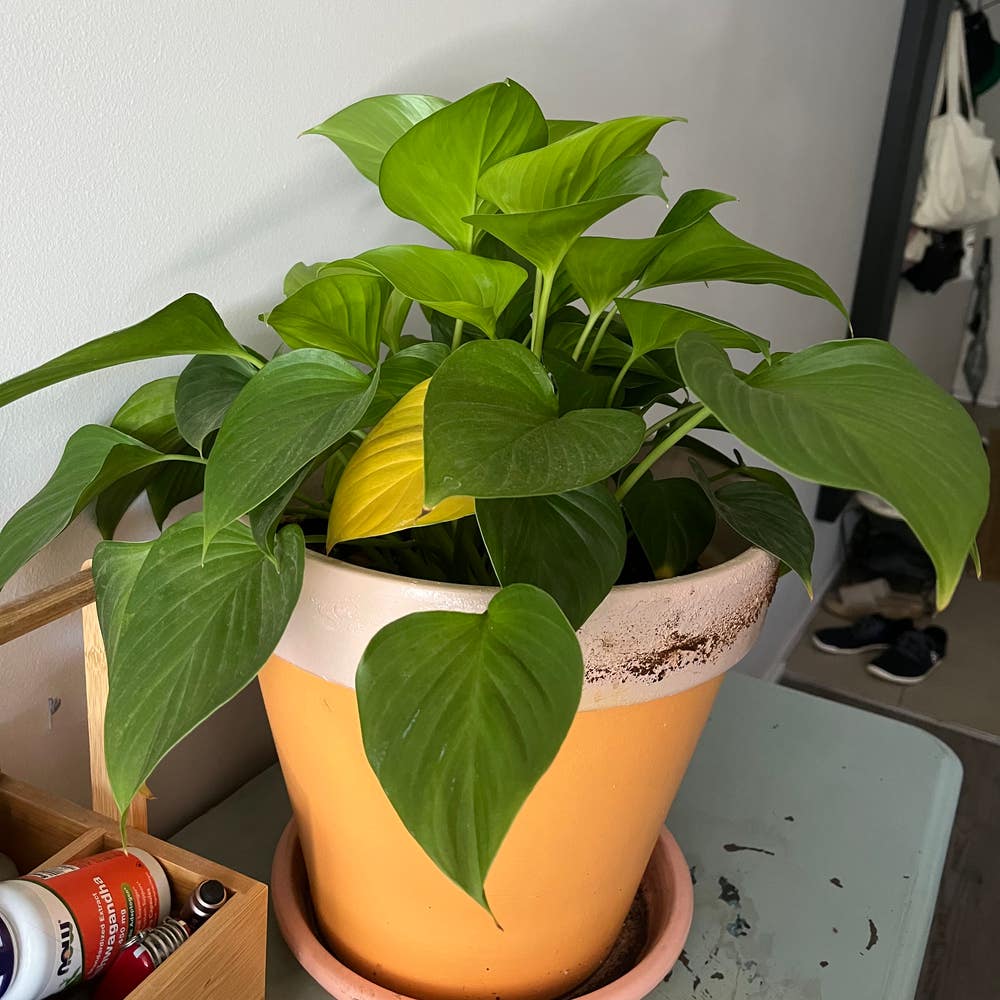
❤️ Ace of Hearts Tree: Not an Annual
Homalomena rubescens
By the Greg Editorial Team
Oct 17, 2024•6 min read
This article was created with the help of AI so we can cover more plants for you. May contain errors. See one? Report it here.
- 🌳 Ace of Hearts Tree is a perennial, thriving year after year with proper care.
- 🌞 Optimal light and deep watering are crucial for its health and growth.
- 🌼 Blooms attract pollinators, enhancing garden biodiversity and visual appeal.
Ace of Hearts Tree as a Perennial
🌱 Genetic Characteristics
The Ace of Hearts Tree belongs to the family Caryophyllaceae and the genus Dianthus. This classification highlights its unique genetic traits that enable it to thrive as a perennial.
These trees have developed adaptations for long-term survival, such as resilience to various environmental conditions. Their genetic makeup allows them to endure seasonal changes, ensuring they can flourish year after year.
🌳 Physiological Traits Supporting Perennial Growth
One of the standout features of the Ace of Hearts Tree is its deep root system. This robust root structure allows the tree to access nutrients and water from deeper soil layers, promoting longevity.
Additionally, the tree's heart-shaped leaves play a crucial role in photosynthesis. Their unique shape maximizes sunlight absorption, enhancing the tree's growth and vitality.
📅 Long-Term Lifecycle and Growth Patterns
The lifecycle of the Ace of Hearts Tree progresses through distinct growth stages, from juvenile to mature phases. Each stage is marked by specific growth patterns that reflect the tree's adaptability.
During warm months, the tree experiences active growth, while cooler months signal a period of dormancy. This seasonal rhythm is essential for maintaining its health and vigor over the years.
Understanding these characteristics helps gardeners appreciate the Ace of Hearts Tree's perennial nature and its role in the ecosystem. As we delve into its reproductive strategies next, we’ll uncover how this tree continues to thrive and propagate in its environment.
Reproductive Strategies
🌸 Flowering Cycles
The Ace of Hearts tree has a fascinating flowering cycle that aligns with seasonal patterns. Typically, it blooms during the warmer months, responding to environmental triggers like temperature and daylight.
These flowers are not just pretty; they come in vibrant colors and unique shapes that attract various pollinators. Their design plays a crucial role in ensuring successful reproduction.
🌱 Seed Production Compared to Annuals
When it comes to seed production, the Ace of Hearts tree stands out. It produces a significant quantity of seeds, often surpassing many annual plants.
However, seed viability and dormancy are key factors in its long-term survival. The seeds can remain dormant until conditions are just right for germination, ensuring future growth.
🐝 Pollination and Reproduction
Pollination methods in the Ace of Hearts tree vary, with both self-pollination and cross-pollination occurring. This flexibility enhances its chances of successful reproduction.
Pollinators, especially bees and other insects, play an essential role in this process. Their activity not only aids in pollination but also supports the overall health of the ecosystem.
As we explore the next section, we'll delve into common misconceptions and exceptions surrounding the Ace of Hearts tree, shedding light on its unique characteristics and care requirements.
Misconceptions and Exceptions
🌱 Conditions Where It May Be Mistaken for an Annual
Environmental stressors can lead to the Ace of Hearts Tree being misidentified as an annual. Drought or extreme temperatures may cause it to exhibit stunted growth or even die off prematurely, creating confusion about its perennial nature.
In unfavorable conditions, the tree might not thrive as expected. This can mislead gardeners into thinking it lacks the resilience typical of perennials.
🌍 Regional Variations Affecting Classification
Climate plays a significant role in the growth of perennials like the Ace of Hearts Tree. Different climates can either enhance or hinder its development, affecting how it’s classified in various regions.
Geographic distribution also matters. Native habitats often support robust growth, while cultivated areas may not provide the same conditions, leading to misconceptions about its perennial status.
❌ Common Mistakes in Treatment
Misunderstanding care requirements is a common pitfall for gardeners. Many fail to recognize the specific watering and sunlight needs of the Ace of Hearts Tree, which can lead to poor health.
Seasonal planting errors are another frequent issue. Timing and expectations for growth can be misaligned, resulting in disappointment when the tree doesn’t flourish as anticipated.
Understanding these misconceptions and exceptions is crucial for successful gardening. With the right knowledge, you can ensure your Ace of Hearts Tree thrives, setting the stage for the next section on gardening implications.
Gardening Implications
🌱 Advantages of Planting
Planting the Ace of Hearts tree is a long-term investment that pays off in both cost-effectiveness and sustainability. Unlike annuals, perennials like this tree thrive year after year, reducing the need for frequent replanting.
Additionally, these trees offer significant ecological benefits. They support local ecosystems by providing habitats and food sources for various wildlife, enhancing biodiversity in your garden.
🎨 Garden Design Strategies
When designing your garden, consider companion planting with other perennials. Pairing the Ace of Hearts tree with compatible plants can create a thriving ecosystem that benefits all species involved.
Aesthetic considerations are also crucial. The heart-shaped leaves and vibrant blooms of the Ace of Hearts tree can add stunning color and texture to your garden layout, making it visually appealing throughout the seasons.
🌦️ Seasonal Considerations for Perennial Gardening
Timing is key when it comes to planting and maintenance. For the Ace of Hearts tree, early spring is ideal for planting, allowing it to establish roots before the growing season kicks in.
As the seasons change, be prepared for dormancy and regrowth. Understanding these cycles helps you care for your tree effectively, ensuring it remains healthy and vibrant year after year.
With these gardening implications in mind, you can cultivate a flourishing environment that celebrates the Ace of Hearts tree's perennial nature. Next, let’s explore how to maximize its longevity for years to come.
Maximizing Longevity
🌱 Tips for Managing as a Perennial
Managing your Ace of Hearts Tree effectively starts with proper watering techniques. Deep watering encourages roots to grow downwards, accessing nutrients and moisture more efficiently than surface watering.
A consistent fertilization schedule is also crucial. Providing the right nutrients throughout the year ensures your tree remains healthy and vibrant.
✂️ Best Practices for Care and Maintenance
Pruning is essential for encouraging healthy growth and flowering. Regularly trimming back dead or overgrown branches helps maintain shape and promotes new growth.
Pest management is another key aspect of care. Keep an eye out for common issues and consider organic solutions to protect your tree without harming the environment.
🌼 Strategies for Enhancing Growth and Flowering
Improving soil quality can significantly enhance growth. Adding organic matter or compost enriches the soil, providing essential nutrients for your Ace of Hearts Tree.
Light exposure plays a vital role in thriving plants. Ensure your tree receives optimal sunlight to maximize its growth and flowering potential.
With these strategies in place, your Ace of Hearts Tree will flourish, showcasing its beauty for years to come. Next, let’s explore the gardening implications of planting this perennial gem.
⚠️ Safety First
This content is for general information and may contain errors, omissions, or outdated details. It is not medical, veterinary advice, or an endorsement of therapeutic claims.
Always consult a qualified healthcare professional before using any plant as food, medicine, or supplement.
Never eat any plant (or feed one to pets) without confirming its identity with at least two trusted sources.
If you suspect poisoning, call Poison Control (800) 222-1222, the Pet Poison Helpline (800) 213-6680, or your local emergency service immediately.
Spotted an error? Please report it here.
Nurture your Ace of Hearts Tree to thrive year after year with Greg's customized care reminders 🌱 that ensure it gets the right watering and nutrients at the perfect time!