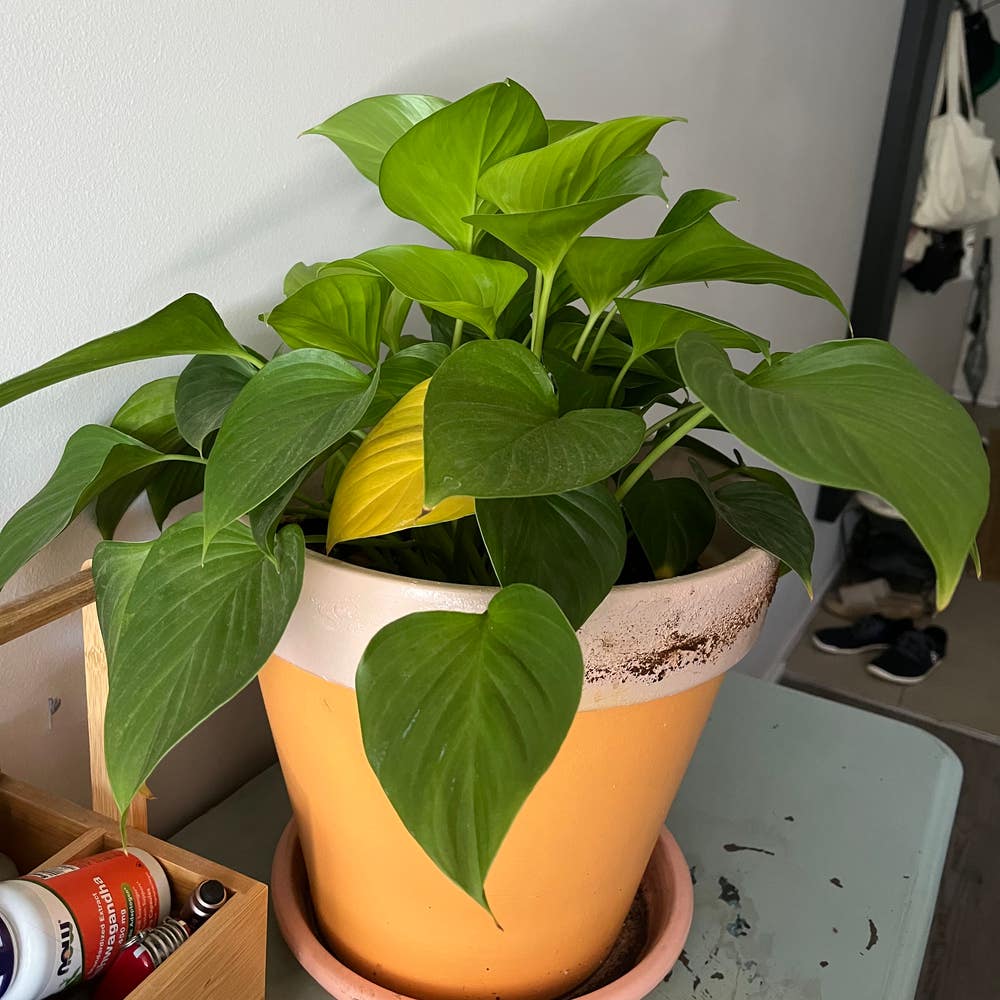
💖 Step-by-Step Guide to Growing Ace of Hearts Tree Indoors
Homalomena rubescens
By the Greg Editorial Team
Oct 17, 2024•5 min read
This article was created with the help of AI so we can cover more plants for you. May contain errors. See one? Report it here.
- 🌞 Ace of Hearts needs 6-8 hours of bright, indirect sunlight daily for optimal growth.
- 💧 Water when the top inch of soil is dry; adjust frequency with seasons.
- 🌿 Maintain humidity between 50-70% and check for pests regularly to ensure health.
Light Requirements
Ideal Indoor Light Levels 🌞
For your Ace of Hearts tree to thrive indoors, it craves bright, indirect sunlight. Aim for 6-8 hours of light each day to ensure healthy growth.
Role of Grow Lights 💡
When natural light falls short, grow lights become your best friend. They supplement light, especially in dim spaces, helping your plant maintain consistent growth and vibrant foliage.
Choosing the Best Grow Light 🛠️
When selecting grow lights, you’ll encounter two main types: LED and fluorescent. Opt for full-spectrum lights with adjustable intensity to cater to your plant's needs.
Position your grow lights 12-24 inches above the plant for optimal results. This distance ensures your Ace of Hearts receives the right amount of light without getting scorched.
With the right lighting setup, your indoor garden will flourish, setting the stage for the next crucial aspect: watering needs.
Watering Needs
Frequency of Watering 🌊
Watering your Ace of Hearts tree is straightforward. The general rule is to water when the top inch of soil feels dry.
During the growing season—spring and summer—you'll want to increase your watering frequency. This ensures your plant stays hydrated and thrives.
Signs of Overwatering and Underwatering 🚨
Recognizing the signs of overwatering is crucial for your plant's health. Look for yellowing leaves, mushy stems, and root rot as key indicators.
On the flip side, underwatering can also cause problems. Watch for wilting leaves, dry soil, and leaf drop to catch issues early.
Understanding these watering needs will help you maintain a healthy Ace of Hearts tree. Next, let’s explore the ideal humidity and temperature conditions for optimal growth.
Humidity and Temperature
Ideal Humidity Levels 🌧️
Maintaining the right humidity is crucial for your Ace of Hearts tree. Aim for a humidity level between 50-70% to ensure optimal growth.
To achieve this, consider using humidifiers, pebble trays, or misting. Each method can help create a more suitable environment for your plant.
Temperature Preferences and Seasonal Adjustments 🌡️
Your Ace of Hearts tree thrives in a temperature range of 65°F to 80°F (18°C to 27°C). Keeping this range consistent will promote healthy growth.
As seasons change, be mindful of your plant's environment. Protect it from cold drafts in winter and avoid exposing it to extreme heat during summer months.
By monitoring humidity and temperature, you set the stage for a thriving indoor garden. Next, let's explore the best soil types and fertilization strategies to keep your Ace of Hearts tree flourishing.
Soil and Fertilization
Best Soil Types for Indoor Growth 🌱
Choosing the right soil is crucial for your Ace of Hearts tree. A well-draining potting mix enriched with organic matter is ideal for promoting healthy root development.
Aim for a pH level between 6.0 and 7.0, which is slightly acidic to neutral. This range supports nutrient availability and overall plant health.
Fertilization Schedule and Types of Fertilizers 🧪
Fertilizing your plant regularly is key to its growth. During the growing season, aim to fertilize every 4-6 weeks to provide essential nutrients.
You can choose between balanced liquid fertilizers or slow-release granules. Both options can effectively nourish your Ace of Hearts tree, ensuring vibrant foliage and robust growth.
By understanding soil and fertilization needs, you set the stage for a thriving indoor garden. Next, let’s explore how to tackle common issues that may arise while caring for your plant.
Common Issues and Solutions
🐜 Pest Prevention Strategies
Indoor plants can attract pests like spider mites, aphids, and mealybugs. To keep these nuisances at bay, conduct regular inspections and maintain cleanliness around your plant.
Using insecticidal soap can also be effective. A proactive approach helps ensure your Ace of Hearts tree remains healthy and vibrant.
🍂 Common Indoor Plant Problems
Leaf drop is a common issue, often caused by stress from temperature changes. If you notice leaves falling, check for sudden drafts or heat sources nearby.
Yellowing leaves can indicate nutrient deficiencies or overwatering. Adjust your watering schedule and consider fertilizing to restore your plant's health.
🛠️ Troubleshooting Tips for Indoor Growing
For quick fixes, start by adjusting light, humidity, and watering practices. Small changes can make a big difference in your plant's well-being.
Regularly monitoring your plant's health is crucial. This habit allows you to catch issues early and keep your Ace of Hearts thriving.
With these strategies in hand, you’re well-equipped to tackle common challenges. Next, let’s explore the best placement and maintenance practices for your indoor tree.
Placement and Maintenance
Best Locations for Optimal Growth 🌞
Finding the right spot for your Ace of Hearts tree is crucial. Ideally, place it near east or west-facing windows to ensure it receives adequate light.
Avoid placing your plant near drafts, such as air conditioning vents or heaters. This helps maintain a stable environment, promoting healthy growth.
Tips for Maintaining the Plant's Appearance ✂️
Regular pruning is essential for your plant's health. Trim away any dead or yellowing leaves to encourage new growth and keep your tree looking vibrant.
Cleaning the leaves is another simple yet effective maintenance tip. Wipe them with a damp cloth to remove dust, enhancing photosynthesis and overall plant vitality.
Seasonal Care Adjustments 🍂
As the seasons change, so should your care routine. Modify your watering and humidity levels to match the needs of your plant throughout the year.
When preparing for winter, consider increasing humidity levels and reducing watering frequency. This adjustment helps your Ace of Hearts tree thrive during the colder months.
By following these placement and maintenance tips, you'll ensure your Ace of Hearts tree remains healthy and beautiful year-round. Next, let’s dive into the soil and fertilization needs to keep your plant nourished.
⚠️ Safety First
This content is for general information and may contain errors, omissions, or outdated details. It is not medical, veterinary advice, or an endorsement of therapeutic claims.
Always consult a qualified healthcare professional before using any plant as food, medicine, or supplement.
Never eat any plant (or feed one to pets) without confirming its identity with at least two trusted sources.
If you suspect poisoning, call Poison Control (800) 222-1222, the Pet Poison Helpline (800) 213-6680, or your local emergency service immediately.
Spotted an error? Please report it here.
Nurture your Ace of Hearts tree to lush perfection 🌿 with Greg's tailored care tips and reminders, ensuring it thrives in your home environment!