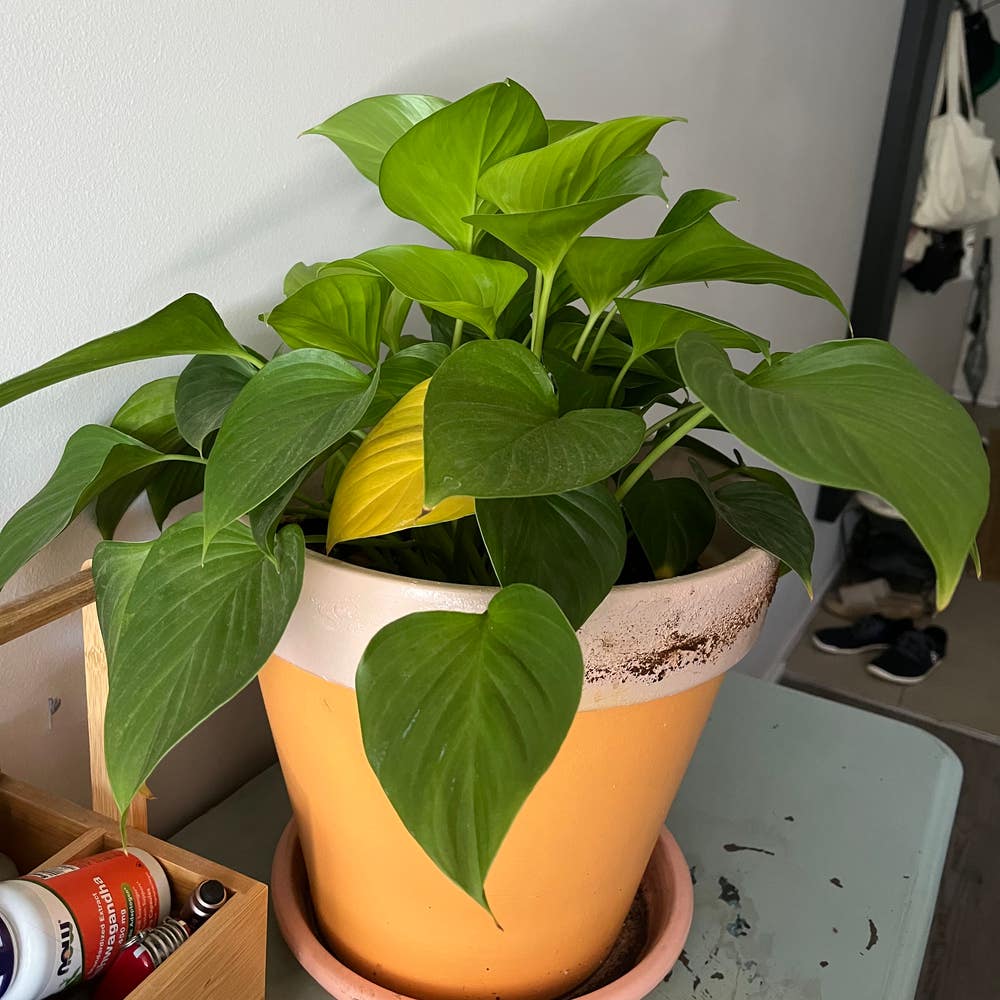
❤️ Top 5 Pot Options to Make Your Ace of Hearts Tree Thrive
Homalomena rubescens
By the Greg Editorial Team
Oct 17, 2024•5 min read
This article was created with the help of AI so we can cover more plants for you. May contain errors. See one? Report it here.
- 🌱 Choose pot size wisely: 4-6 inches for seedlings, 14-18 for mature trees.
- 🏺 Clay pots enhance air circulation, preventing overwatering and promoting healthy roots.
- 🔄 Repot when roots outgrow: Look for roots in drainage holes or stunted growth.
Importance of Pot Size for Different Growth Stages
Seedlings 🌱
For seedlings, a pot size of 4-6 inches in diameter is ideal. This size promotes initial root development without excess soil that can retain too much moisture.
Young Trees 🌳
As your tree grows, transition to a pot size of 8-12 inches in diameter. This provides ample space for root expansion while maintaining a balanced moisture level.
Mature Trees 🌲
Mature trees thrive in pots that are 14-18 inches in diameter. This size accommodates extensive root systems and supports robust growth, ensuring your tree remains healthy and vibrant.
Choosing the right pot size at each growth stage is crucial for your Ace of Hearts tree's overall health. Proper pot selection not only fosters root development but also enhances moisture management, setting the stage for a thriving plant.
Pot Materials
🌱 Clay Pots
Clay pots are a gardener's best friend when it comes to air circulation. Their breathable material promotes better root health by allowing oxygen to reach the roots, which is crucial for growth.
Additionally, clay pots naturally regulate moisture levels. This feature helps prevent overwatering, making them a great choice for those who might be a bit too generous with their watering can.
🪴 Plastic Pots
If you're looking for something lightweight and easy to move, plastic pots are your go-to option. They’re perfect for indoor settings where you might want to rearrange your plants frequently.
However, keep in mind that plastic pots retain moisture longer. This means you'll need to be more mindful of your watering practices to avoid soggy soil.
🍶 Ceramic and Biodegradable Pots
Ceramic pots not only look great but also provide excellent insulation for your plants. Their aesthetic appeal can enhance any space, making them a popular choice for decorative purposes.
On the eco-friendly side, biodegradable pots are a fantastic option for those who care about sustainability. They’re ideal for temporary use, allowing you to transfer your Ace of Hearts tree to a permanent pot later on.
Understanding the different pot materials can significantly impact your tree's health and growth. Choosing the right pot sets the stage for a thriving plant, so consider your options carefully!
Next, let’s dive into the crucial topic of drainage considerations to ensure your tree gets the best care possible.
Drainage Considerations
Importance of Drainage Holes 🌧️
Drainage holes are essential for any pot. They prevent water accumulation, which can lead to root rot, ensuring your Ace of Hearts tree thrives.
Proper drainage also maintains optimal moisture levels in the soil. This balance is crucial for healthy root development and overall plant vitality.
Ensuring Proper Drainage 🚰
When selecting pots, look for those with adequate drainage holes. A good rule of thumb is to choose pots that have multiple holes at the bottom to facilitate excess water flow.
Additionally, consider adding a layer of gravel or perlite at the bottom of the pot. This simple step enhances drainage, allowing roots to breathe and preventing soggy soil conditions.
With these drainage considerations in mind, your tree will be set up for success. Next, let’s explore the signs that indicate it’s time to repot your Ace of Hearts tree.
Repotting Guidelines
Signs That It's Time to Repot 🌱
Knowing when to repot your Ace of Hearts tree is crucial for its health. Look for roots growing out of the drainage holes; this is a clear sign that your tree is outgrowing its pot.
Another indicator is stunted growth or yellowing leaves. These symptoms often suggest that the roots are confined and struggling for space.
Step-by-Step Guide to Repotting 🛠️
Repotting doesn't have to be daunting. Follow these simple steps to ensure a smooth transition for your tree:
Choose a new pot that is 2-4 inches larger in diameter than the current one. This extra space will allow for healthy root expansion.
Gently remove the tree from its current pot, loosening the root ball. Be careful not to damage the roots during this process.
Inspect the roots for any signs of rot or damage. Trim away any unhealthy sections to promote better growth.
Place the tree in the new pot, ensuring it sits at the same depth as before. This helps maintain stability and encourages healthy growth.
Fill with fresh potting mix, firming it gently around the roots. This provides the necessary support and nutrients.
Water thoroughly to settle the soil. This step is essential for eliminating air pockets and ensuring the roots make good contact with the new soil.
By following these guidelines, you can help your Ace of Hearts tree thrive in its new home. Next, let’s explore how to choose the right pot for your tree’s needs.
Choosing the Right Pot
🏺 Factors to Consider When Selecting a Pot
Choosing the right pot for your Ace of Hearts tree is crucial. Start with size: ensure the new pot matches your tree's current growth stage.
Next, consider the material. Are you keeping it indoors or outdoors? Different materials affect moisture retention and air circulation.
🌱 Impact of Pot Choice on Growth and Health
The size and material of your pot significantly influence root health. A well-sized pot allows roots to expand, promoting strong growth.
Moreover, the right pot choice can enhance moisture retention. This balance is vital for your tree's vitality and overall growth rate.
Selecting the appropriate pot isn't just about aesthetics; it's about fostering a thriving environment for your tree.
As you make your choice, remember that a little thought can lead to big results in your tree's health and happiness.
Next, let’s dive into the essential drainage considerations to keep your Ace of Hearts thriving.
⚠️ Safety First
This content is for general information and may contain errors, omissions, or outdated details. It is not medical, veterinary advice, or an endorsement of therapeutic claims.
Always consult a qualified healthcare professional before using any plant as food, medicine, or supplement.
Never eat any plant (or feed one to pets) without confirming its identity with at least two trusted sources.
If you suspect poisoning, call Poison Control (800) 222-1222, the Pet Poison Helpline (800) 213-6680, or your local emergency service immediately.
Spotted an error? Please report it here.
Give your Ace of Hearts tree the perfect pot for thriving roots and growth 🌿—let Greg guide you with tailored care tips and reminders for a flourishing plant journey!