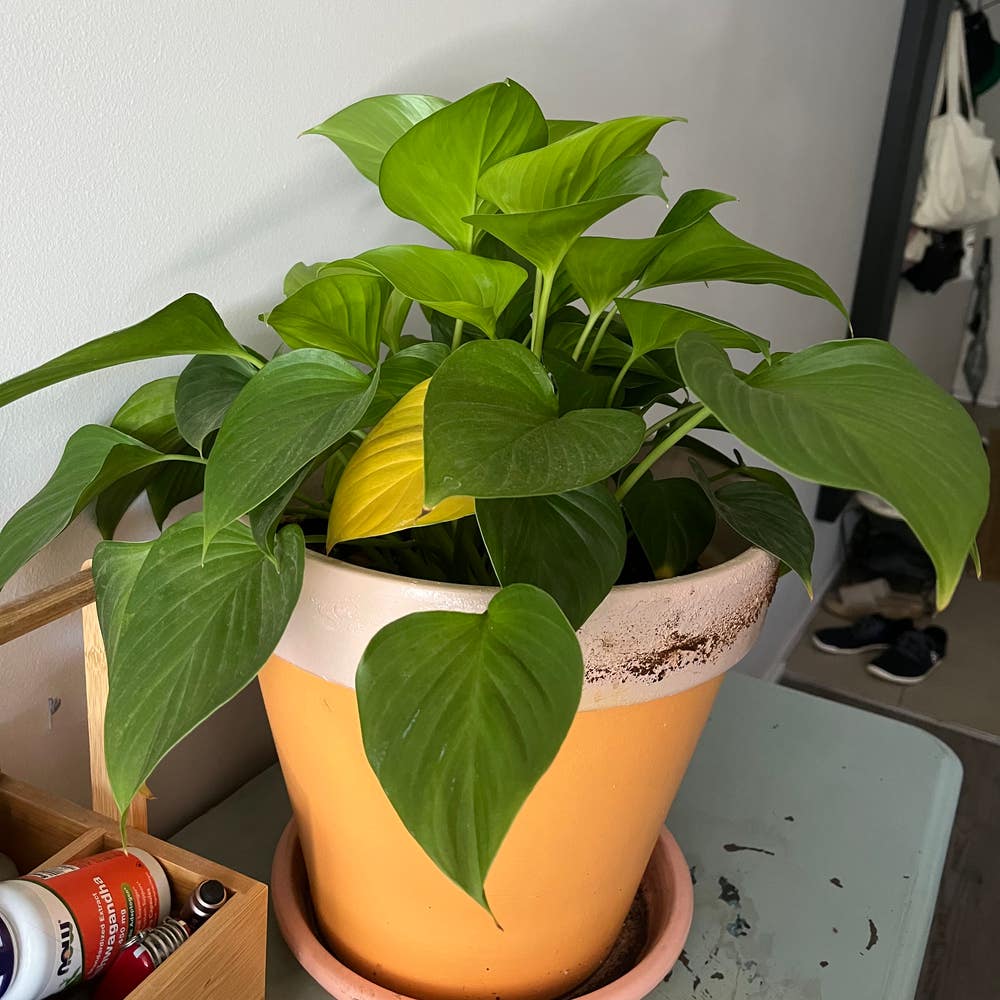
How to Get a Homalomena rubescens to Bloom
Homalomena rubescens
By the Greg Editorial Team
Apr 07, 2024•5 min read
This article was created with the help of AI so we can cover more plants for you. May contain errors. See one? Report it here.
- Bright, indirect light is key for Homalomena rubescens blooms.
- Balanced liquid fertilizer boosts blooming; pause in winter.
- Prune strategically above leaf nodes for more flowers.
The Right Environment for Showy Blooms
💡 Light: The Spark of Flowering
To coax Homalomena rubescens into blooming, light is non-negotiable. It's like the plant's personal trainer, pushing it to show off its floral muscles. To nail this, aim for bright, indirect light. Think of the light that filters through a canopy in the wild – that's your gold standard. If you're indoors, a north-facing window or one with sheer curtains could be your ticket to bloom town. Grow lights? They're the understudies when the sun's not playing its part.
🌡️ Temperature and Humidity: Setting the Stage
Now, let's chat about the backstage heroes: temperature and humidity. These two set the vibe for your Homalomena rubescens to get its bloom on. You're looking for a sweet spot between 70-95°F – not too hot, not too cold, just right for those tropical vibes. And for humidity? Think moist but not swampy. A pebble tray or humidifier can be your sidekick here, keeping things comfortably humid without going overboard. Remember, consistency is your friend; avoid placing your green buddy in the path of drafts or heaters.
Feeding Your Homalomena for Fabulous Flowers
💧 Soil: The Foundation of Flowering
For Homalomena rubescens to even consider blooming, the soil mix must be on point. Think of it as a bespoke suit; it has to fit just right. A well-draining, airy concoction is your ticket to success. Ingredients like perlite, coconut coir, or vermiculite are your best friends here, keeping things light and breathable.
To hit the sweet spot of pH and fertility, aim for slightly acidic to neutral ground. Mix in some peat moss to keep the acidity in check and ensure the pot has drainage holes to avoid soggy situations. Remember, waterlogged roots are party poopers for blooms.
🌼 Fertilizer: The Bloom Booster
Now, let's talk about the main course: fertilizer. Your Homalomena is a bit of a diva and demands a balanced liquid fertilizer. During spring and summer, serve up this nutrient-rich cocktail every two to four weeks. But come winter, the plant's on a diet, so hold off on the feeding.
Timing is everything. Over-fertilizing is the equivalent of overeating; it's just as unwelcome. Stick to the recommended dosage—think of it as portion control for plants. And if you notice your Homalomena's leaves turning yellow or growth stunting, it's crying out for more grub. A quick fix with a liquid fertilizer, especially one tailored for aroids, can turn things around.
Remember, you're not just feeding a plant; you're setting the stage for a floral showstopper. Keep it well-fed, and your Homalomena might just reward you with the blooms you've been waiting for.
Pruning for More than Just Good Looks
🌸 Strategic Pruning for Maximum Blooms
Pruning your Homalomena rubescens isn't just about making it look pretty; it's a crucial step in getting those blooms to pop. Here's how to prune with purpose:
- Snip wisely. Target overgrown branches and dead leaves to redirect the plant's energy towards blooming.
- Timing is key. Prune in early spring to set the stage for the growing season.
🌱 Pruning Techniques that Redirect Energy to Flowers
- Above the node. Always cut above a leaf node, where new growth will emerge.
- Less is more. Avoid over-pruning; it's about finesse, not a full-blown chop job.
- Health boost. Regular pruning increases air circulation and reduces disease risk, making for a healthier, bloom-ready plant.
- Encourage bushiness. Pruning encourages a fuller plant, which means more potential for flowers.
Remember, strategic pruning is like a plant's gym session; it's about building strength and focus for the blooming marathon ahead.
When Blooms Are Bashful: Encouraging Reluctant Flowers
🌸 Identifying and Overcoming Bloom Blockers
Sometimes, Homalomena rubescens plays hard to get, withholding its blooms despite your best efforts. Let's troubleshoot.
Light: The Make-or-Break Factor
Insufficient light is a common bloom blocker. Your plant craves that sweet spot of bright, indirect light. Too dim, and it won't perform; too harsh, and it'll retreat into survival mode. Consider a grow light if your home lacks natural sunlight.
Water Woes
Over or under-watering can both lead to a bloom drought. Consistent watering without waterlogging is key. Check the soil moisture with your finger; only water when the top inch feels dry.
Temperature Tantrums
Homalomena rubescens dislikes the cold shoulder. Ensure your room stays within the 65-75°F (18-24°C) range. Avoid placing it near drafty windows or air conditioning vents.
Humidity: The Invisible Embrace
This tropical native needs humidity. Too dry, and it'll sulk. Use a humidifier or a pebble tray to maintain moderate humidity without turning your space into a rainforest.
Feeding Finesse
A balanced fertilizer can coax out flowers. However, too much nitrogen may result in lush leaves at the expense of blooms. Opt for a phosphorus-rich feed during the growing season.
Pruning: A Gentle Nudge
Prune leggy stems to redirect energy to potential blooms. Use sterilized scissors and don't be overzealous; think of it as a gentle nudge rather than a harsh push.
Pest Patrol
Pests like aphids and spider mites are energy vampires. Regular inspections and prompt treatment with insecticidal soap or neem oil can save your plant's vigor for blooming.
Community Wisdom
If you've played detective and still come up empty, don't fret. Tap into online forums or local gardening groups for region-specific advice. Sometimes, the collective wisdom is what it takes to break the bloom barrier.
⚠️ Safety First
This content is for general information and may contain errors, omissions, or outdated details. It is not medical, veterinary advice, or an endorsement of therapeutic claims.
Always consult a qualified healthcare professional before using any plant as food, medicine, or supplement.
Never eat any plant (or feed one to pets) without confirming its identity with at least two trusted sources.
If you suspect poisoning, call Poison Control (800) 222-1222, the Pet Poison Helpline (800) 213-6680, or your local emergency service immediately.
Spotted an error? Please report it here.
Ensure your Homalomena rubescens is blooming beautifully 🌺 by using Greg's PlantVision to measure light levels and create a personalized care plan that includes watering and fertilizing reminders.