Why Are My Homalomena rubescens Leaves Dropping?
Homalomena rubescens
By the Greg Editorial Team
Apr 07, 2024•3 min read
This article was created with the help of AI so we can cover more plants for you. May contain errors. See one? Report it here.
- 🌧️ Overwatering? Yellow leaves, brown spots, and musty smell are warnings.
- 🌡️ Keep it stable: 60-80°F and 50-60% humidity for healthy Homalomena rubescens.
- 🌱 Nutrient balance is crucial: Watch for yellow, spotty, or pale leaves.
When Too Much Love Drowns Your Plant: Overwatering Woes
🚰 Spotting the Signs of Overwatering
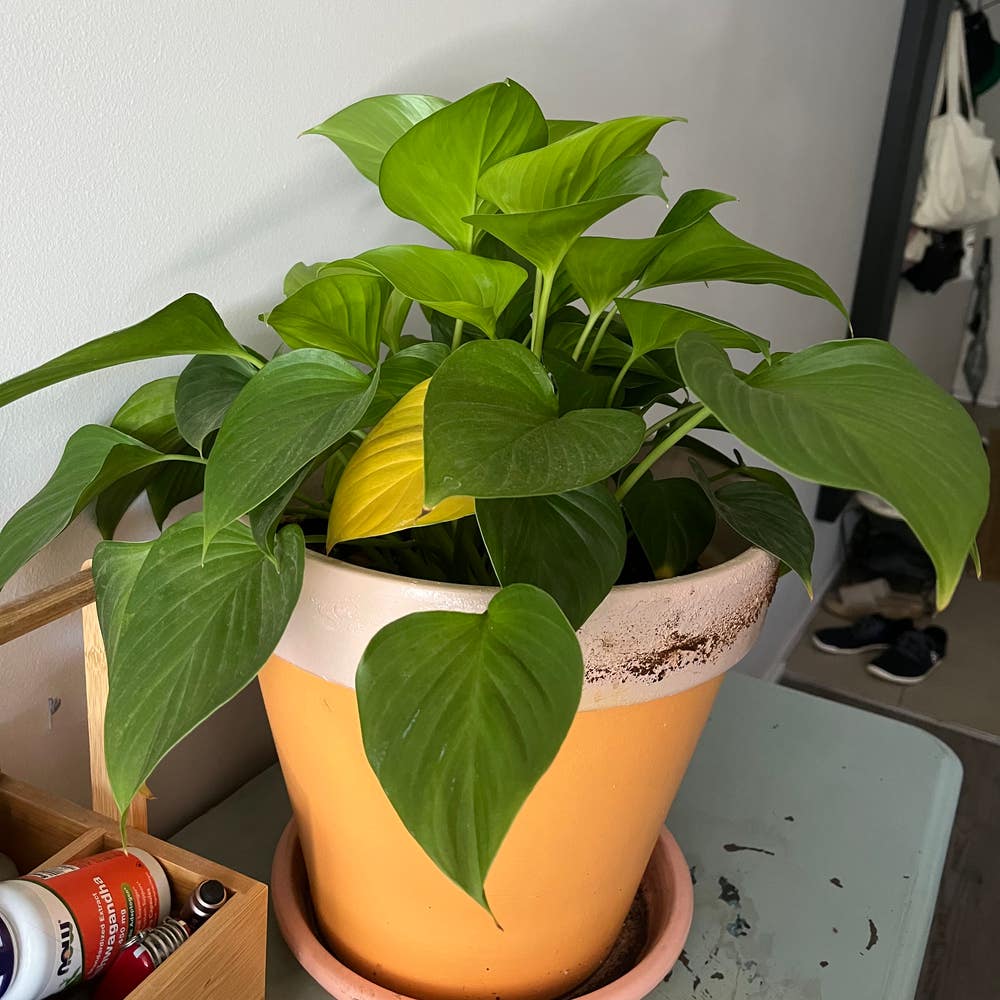
Yellowing leaves and brown spots with yellow halos are red flags; they're not just a new leaf pattern. If your Homalomena rubescens has leaves more limp than a day-old salad, you've likely been overzealous with the watering can. A musty smell? That's the scent of regret emanating from waterlogged soil.
🚱 Saving Your Plant from a Watery Grave
Halt your watering routine immediately to give the soil some breathing room. If the pot feels like a heavyweight champion, it's a sign of excess moisture. Inspect the roots; if they're as mushy as overripe fruit, it's time to grab the scissors. Trim the rotten parts and consider repotting with fresh, well-draining soil. A terracotta pot isn't just a stylish choice; it's functional, wicking away unwanted moisture like a charm.
Thirsty for Attention: The Perils of Underwatering
🏜️ Recognizing Underwatering Symptoms
Underwatering turns your Homalomena rubescens into a desert mirage—leaves wilt, soil becomes as dry as a stand-up comedian's wit, and growth stunts like a teen's social life at lights out. If the pot feels lighter than your last grocery bag of just ramen and hope, it's time to water.
🚰 Quenching Your Plant's Thirst Properly
Consistency is key—water when the top inch of soil feels like a neglected inbox, dry and ignored. Soak it until water escapes the drainage hole like a well-planned getaway. Then, let the soil dry out like a good joke, enough to leave you wanting more but not gasping for breath. Keep an eye out; your Homalomena rubescens will show signs of recovery, slowly unfurling like a well-rested houseguest.
Feeling the Extremes: Temperature and Humidity Troubles
🌡️ How Temperature Swings Cause Leaf Loss
Homalomena rubescens, like a finicky thermostat, can react poorly to temperature fluctuations. When the mercury dips too low or soars too high, leaves may drop as if saying, "I'm out." Stable temperatures between 60-80°F (15-27°C) are ideal to prevent your plant from throwing a temper tantrum.
🌬️ Keeping the Air Just Right
Managing humidity is like walking a tightrope; it's all about balance. Aim for a relative humidity of 50-60% to keep leaves from crisping or becoming fungal party zones. Use humidifiers to combat dry air but avoid turning your living room into a rainforest. Remember, consistency is your plant's best friend—sudden changes in the air are as welcome as a snowstorm in July.
Starving for Nutrients: The Hidden Hunger
🍔 Decoding Nutrient Deficiency Symptoms
Yellow leaves might as well be stop signs; they're telling you your Homalomena rubescens is hungry for nitrogen. Spotty leaves? That's your cue that potassium is playing hard to get. If your plant is as pale as a ghost, it's probably pining for phosphorus. And don't forget the micronutrients – they're like the secret sauce that keeps everything ticking.
🌱 Feeding Your Foliage: Nutrient Management
Choosing the right fertilizer is a bit like matchmaking – it's got to be the perfect fit for your Homalomena rubescens. Go for a balanced fertilizer, one that's like a gourmet meal for your plant, with all the essential nutrients. Apply it according to the recommended schedule, but keep your eyes peeled. Your plant will give you feedback, and that's your cue to adjust the portions. Remember, overfeeding is just as bad as starving – it's all about finding that sweet spot.
⚠️ Safety First
This content is for general information and may contain errors, omissions, or outdated details. It is not medical, veterinary advice, or an endorsement of therapeutic claims.
Always consult a qualified healthcare professional before using any plant as food, medicine, or supplement.
Never eat any plant (or feed one to pets) without confirming its identity with at least two trusted sources.
If you suspect poisoning, call Poison Control (800) 222-1222, the Pet Poison Helpline (800) 213-6680, or your local emergency service immediately.
Spotted an error? Please report it here.
Prevent your Homalomena rubescens from dropping leaves by mastering 🌟 its care with Greg's custom watering schedules and nutrient reminders based on your plant's unique environment.