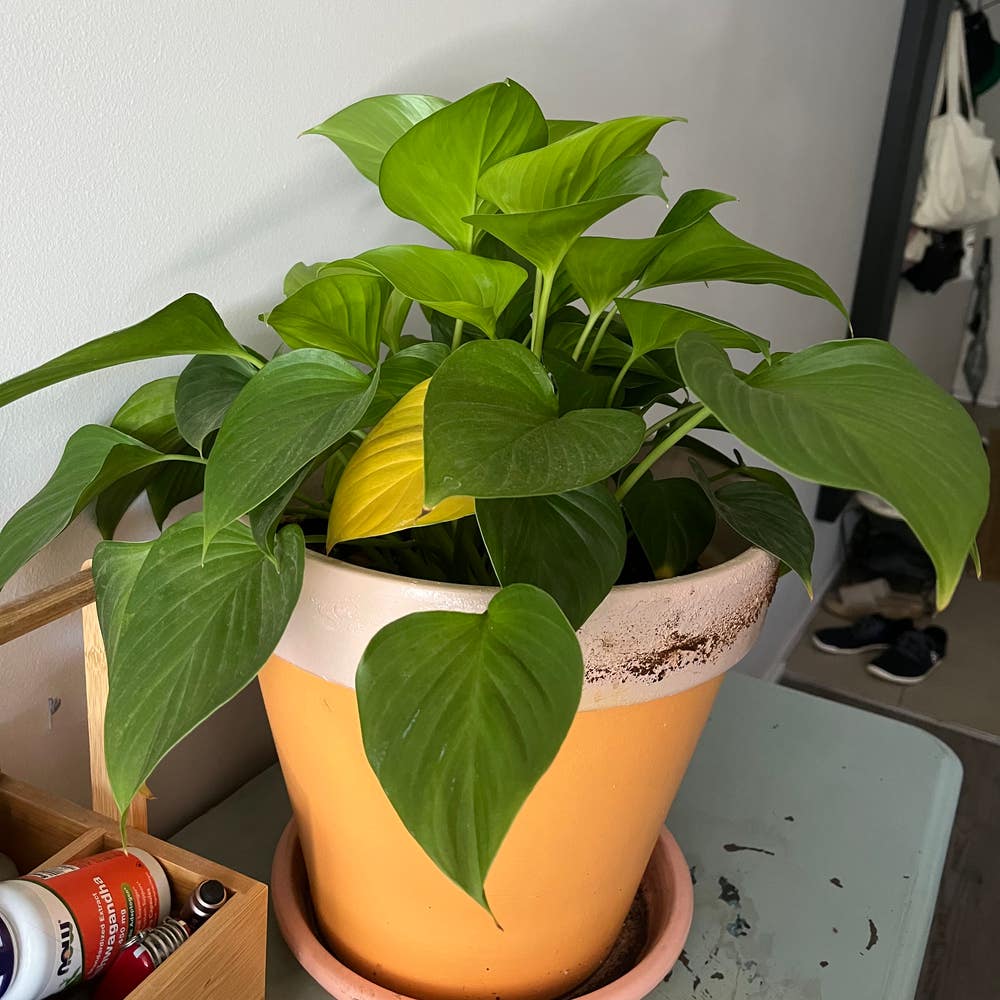
💧 How Do I Know When My Homalomena rubescens Needs Water?
Homalomena rubescens
By the Greg Editorial Team
Apr 07, 2024•4 min read
This article was created with the help of AI so we can cover more plants for you. May contain errors. See one? Report it here.
- Wilting leaves? Check soil dryness to see if it's time to water.
- 🍂 Dry tips or yellow leaves signal watering issues; adjust accordingly.
- 🌱 Seasons change, so does watering - adapt your routine for plant health.
Spotting the Thirsty Plant: Key Signs Your Homalomena Rubescens Needs Water
💧 Wilting and Drooping Leaves
Wilting is your Homalomena rubescens' way of waving a white flag. If the leaves slump like they've lost all hope, it's a clear sign they need water, stat. This droopiness also hints that your watering schedule might be more hit-or-miss than you thought.
💦 Soil Dryness and Root Health
The topsoil test is simple: stick a finger in; if the top inch is dry, your plant's thirsty. It's not just about quenching thirst, though. Regular checks help you prevent the roots from becoming as parched as a desert, ensuring the plant's foundation remains robust.
🌿 Leaf Changes and What They Mean
Leaves are the gossip queens of the plant world, and they're telling you something. Dry, crispy tips scream neglect, while yellowing leaves might be tattling on your overzealous watering. Learning this leaf language is key to striking the perfect watering balance.
When Too Much Love Drowns: Signs of Overwatering
🚰 Yellowing Leaves and Mushy Stems
Yellowing leaves and stems with the consistency of overcooked noodles are your Homalomena rubescens' way of saying, "Ease up on the H2O!" If the foliage is dropping like flies at a swatter convention, you're likely overdoing the hydration.
To correct course, it's time to let the soil go from swamp to semi-arid. Check the roots; if they're brown and mushy, snip the sadness away. Think of it as a plant pedicure, removing the dead weight to let the healthy parts flourish.
🍽️ Soil and Drainage: The Balancing Act
Soggy soil is a no-go. It's a breeding ground for root rot, the silent assassin of the plant world. If your pot feels heavier than your emotional baggage, it's a sign to stop watering and let it dry out.
To fix a waterlogged situation, aerate the soil to encourage evaporation. Ensure your pot has drainage holes that aren't blocked by the latest soil conspiracy. If necessary, stage an intervention and repot with a mix that's more about drainage than retention.
Watering Wisdom: Best Practices for Hydrating Homalomena Rubescens
💧 The Right Amount and Method
Finding the ideal balance for watering your Homalomena rubescens is crucial. Too much or too little can send your plant into a spiral of despair.
- Check the topsoil; if it's dry an inch down, it's time to water. This usually translates to watering once a week during the growing season.
- Use filtered or distilled water to avoid chemical damage from tap water.
- Employ a "soak and dry" method: water thoroughly, then let the soil dry out before the next watering. This mimics natural rainfall patterns and promotes healthy root growth.
🌦 Seasonal Adjustments
Your Homalomena rubescens has different hydration needs as the seasons change.
- In summer, the plant may need more frequent watering due to increased light and temperature.
- During winter, water less often. The plant's growth slows, and it requires less moisture.
- Always be mindful of environmental factors like humidity and light, which can affect how quickly soil dries out.
Remember, your Homalomena rubescens isn't just another pretty face; it's a living organism that relies on you to hit that watering sweet spot. Keep an eye on it like it's the last slice of pizza at a party—too coveted to be neglected.
Pot and Soil: The Dynamic Duo in Water Management
🌱 Choosing the Right Pot
Size and material matter when it comes to pots for your Homalomena rubescens. A pot that's too large can lead to waterlogged soil, while too small can cramp your plant's style. Terracotta and ceramic are the go-to materials—they're like the breathable cotton of the plant world, wicking away extra moisture. And let's not forget drainage holes; they're the unsung heroes in the battle against root rot.
🌿 Selecting the Best Soil Mix
Your Homalomena rubescens doesn't need a soil mix that clings; it needs one that lets go. Think of a blend of peat, perlite, and sand as the ultimate trio for a well-draining, moisture-retentive home. This mix is like the perfect bed for your plant's roots, offering support and breathability. It's the difference between a swamp and a well-maintained aquarium—your plant will thank you for the latter.
⚠️ Safety First
This content is for general information and may contain errors, omissions, or outdated details. It is not medical, veterinary advice, or an endorsement of therapeutic claims.
Always consult a qualified healthcare professional before using any plant as food, medicine, or supplement.
Never eat any plant (or feed one to pets) without confirming its identity with at least two trusted sources.
If you suspect poisoning, call Poison Control (800) 222-1222, the Pet Poison Helpline (800) 213-6680, or your local emergency service immediately.
Spotted an error? Please report it here.
Ensure your Homalomena rubescens thrives with just the right touch of moisture by using Greg to tailor a watering schedule that keeps your plant lush and lovely 🌿.