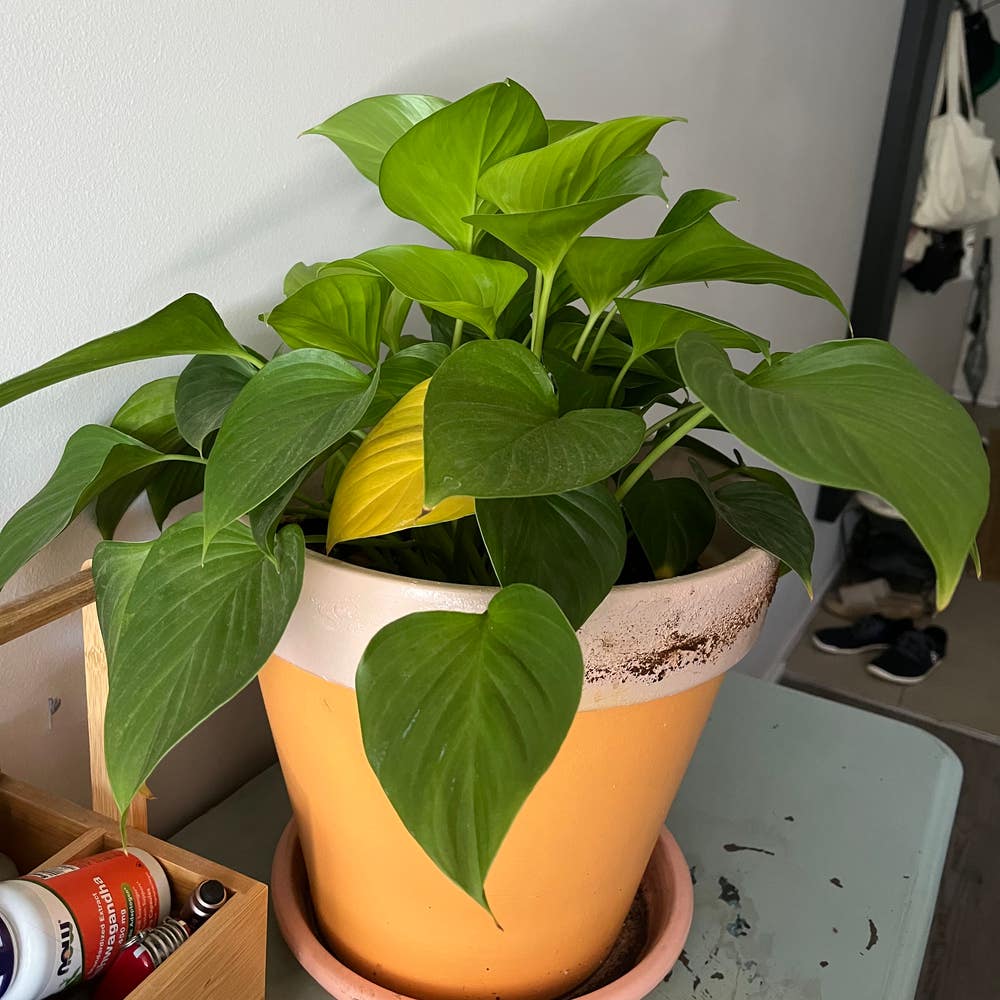
8 Plants That Love Growing with Ace of Hearts Tree ❤️
Homalomena rubescens
By the Greg Editorial Team
Oct 17, 2024•5 min read
This article was created with the help of AI so we can cover more plants for you. May contain errors. See one? Report it here.
- 🌼 Marigolds repel pests and enhance garden health alongside the Ace of Hearts Tree.
- 🐝 Basil attracts pollinators, boosting the Ace of Hearts Tree's growth and productivity.
- 🌱 Clover improves soil quality, benefiting the Ace of Hearts Tree and attracting beneficial insects.
Best Companion Plants for Ace of Hearts Tree
🌼 Plant 1: Marigold
Marigolds are vibrant flowers known for their bright yellow and orange hues. They thrive in full sun and well-drained soil, requiring moderate watering.
Marigolds are excellent companions for the Ace of Hearts Tree as they naturally repel pests like aphids and nematodes. Their growth can enhance the overall health of your garden.
🌿 Plant 2: Basil
Basil is a fragrant herb with glossy green leaves, often used in cooking. It prefers full sun and well-drained soil, needing regular watering to keep the soil moist but not soggy.
This herb attracts beneficial insects like bees and butterflies, which can help pollinate the Ace of Hearts Tree. Plus, its aromatic properties can deter harmful pests.
🍀 Plant 3: Clover
Clover is a low-growing plant with small, round leaves that can add a lush green carpet to your garden. It thrives in partial shade and well-drained soil, requiring minimal watering.
Clover improves soil quality by fixing nitrogen, which benefits the Ace of Hearts Tree. Its presence can also attract pollinators and enhance biodiversity in your garden.
🌸 Plant 4: Nasturtium
Nasturtiums are colorful, edible flowers that can brighten up any garden. They thrive in full sun and well-drained soil, needing moderate watering.
These flowers not only add visual appeal but also act as a trap crop, drawing pests away from the Ace of Hearts Tree. Their vibrant colors can create a stunning contrast in your landscape.
🧄 Plant 5: Garlic
Garlic is a hardy plant with tall green shoots and a strong aroma. It prefers full sun and well-drained soil, requiring regular watering but tolerating dry spells.
Garlic is known for its pest management properties, effectively repelling aphids and spider mites. Planting it near the Ace of Hearts Tree can create a natural barrier against these pests.
💜 Plant 6: Lavender
Lavender is a fragrant herb with slender purple flowers that attract pollinators. It thrives in full sun and well-drained soil, requiring minimal watering once established.
This aromatic plant attracts bees and butterflies, enhancing pollination for the Ace of Hearts Tree. Its scent can also deter unwanted pests, making it a dual-purpose companion.
🌼 Plant 7: Yarrow
Yarrow features feathery leaves and clusters of tiny flowers, often in white or yellow. It prefers full sun and well-drained soil, needing moderate watering.
Yarrow enhances biodiversity by attracting beneficial insects and pollinators. Its deep roots can also help improve soil structure around the Ace of Hearts Tree.
🌷 Plant 8: Sweet Alyssum
Sweet Alyssum is a low-growing plant with tiny white or purple flowers that create a lovely ground cover. It thrives in full sun and well-drained soil, requiring regular watering.
This plant provides shade and shelter for beneficial insects, which can help pollinate the Ace of Hearts Tree. Its sweet fragrance adds an extra layer of charm to your garden.
These companion plants not only enhance the beauty of your garden but also promote the health and vitality of the Ace of Hearts Tree. Next, we’ll explore which plants to avoid to ensure your garden thrives.
Plants to Avoid Near Ace of Hearts Tree
Plant 1: [Name of Plant] 🌱
Avoid planting [Name of Plant] near your Ace of Hearts Tree due to its tendency to compete for essential nutrients. This competition can stunt the growth of both plants, leading to a less vibrant garden.
Plant 2: [Name of Plant] 🐛
[Name of Plant] can attract pests that may harm your Ace of Hearts Tree. Its presence could create a breeding ground for unwanted insects, making pest management more challenging.
Plant 3: [Name of Plant] 🚫
Another plant to steer clear of is [Name of Plant], as it may negatively interact with the Ace of Hearts Tree. This interaction can lead to reduced growth and overall health for both plants, diminishing your garden's beauty.
Understanding which plants to avoid is crucial for maintaining a thriving garden. By selecting compatible companions, you can ensure your Ace of Hearts Tree flourishes alongside its friends.
Pest Management Strategies
🌱 Role of Companion Plants in Pest Management
Companion plants play a crucial role in pest management by naturally deterring unwanted insects. By strategically placing certain plants near the Ace of Hearts Tree, you can create a protective barrier that keeps pests at bay.
🦋 Attracting Beneficial Insects
In addition to repelling pests, companion plants attract beneficial insects like ladybugs and lacewings. These helpful critters feast on harmful pests, creating a balanced ecosystem in your garden.
🚫 Specific Pest-Repellent Properties of Companion Plants
Some plants are particularly effective at repelling common pests that threaten the Ace of Hearts Tree. For instance, marigolds are known to deter nematodes, while basil can keep aphids away.
🌼 Examples of Effective Companion Plants
Here are a few plants that can enhance pest management around your Ace of Hearts Tree:
- Marigolds: Known for their vibrant blooms, they repel nematodes and other pests.
- Basil: This aromatic herb not only enhances your dishes but also keeps aphids at bay.
- Nasturtiums: These flowers attract aphids away from your tree, acting as a trap crop.
🛠️ Strategies for Integrating Pest Management
To effectively integrate pest management into your companion planting practices, consider the following strategies:
- Plant Diversity: Mix various companion plants to create a diverse ecosystem.
- Seasonal Rotation: Change your companion plants each season to disrupt pest life cycles.
- Regular Monitoring: Keep an eye on pest populations and adjust your companion plants accordingly.
By employing these strategies, you can foster a thriving garden that not only supports your Ace of Hearts Tree but also promotes a healthy, pest-resistant environment.
Next, let’s explore which plants to avoid near the Ace of Hearts Tree to ensure optimal growth and health.
⚠️ Safety First
This content is for general information and may contain errors, omissions, or outdated details. It is not medical, veterinary advice, or an endorsement of therapeutic claims.
Always consult a qualified healthcare professional before using any plant as food, medicine, or supplement.
Never eat any plant (or feed one to pets) without confirming its identity with at least two trusted sources.
If you suspect poisoning, call Poison Control (800) 222-1222, the Pet Poison Helpline (800) 213-6680, or your local emergency service immediately.
Spotted an error? Please report it here.
Boost your Ace of Hearts Tree's growth with companion plants 🌱 like marigolds and basil, and let Greg guide you with tailored care tips for a flourishing garden!